
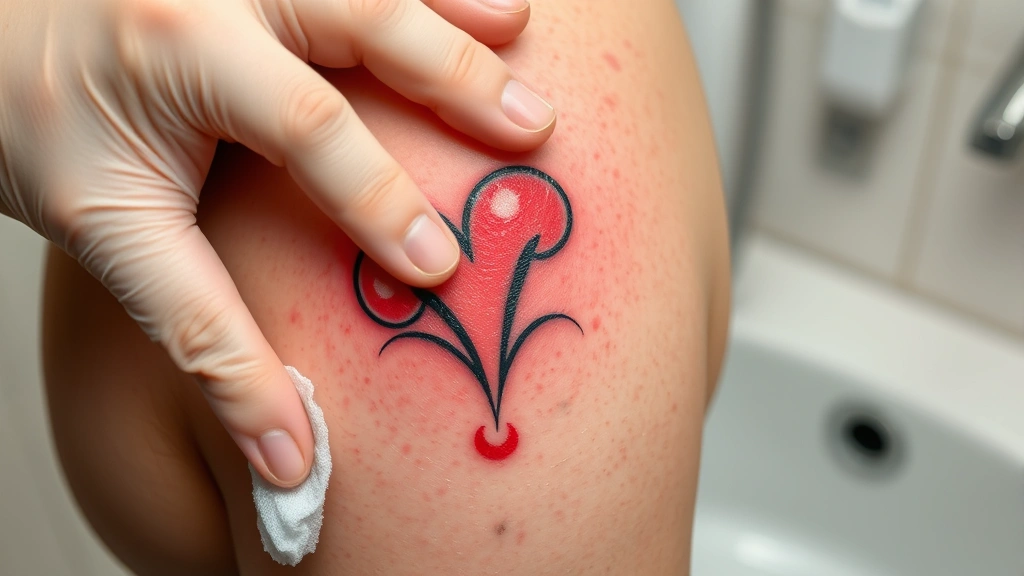
How Long Does a Tattoo Take to Heal? Expert Guide
How Long Does a Tattoo Take to Heal? Expert Guide
Getting a tattoo is exciting, but the real journey begins after you leave the studio. While the needle work takes anywhere from minutes to hours, the healing process is where patience becomes your best friend. Understanding how long does it take a tattoo to heal isn’t just about knowing when you can show it off—it’s about protecting your investment and ensuring your ink looks pristine for years to come.
The healing timeline for a tattoo is more nuanced than most people realize. Your skin goes through distinct phases of recovery, each with its own characteristics and care requirements. Whether you’re getting your first tattoo or adding to your collection, knowing what to expect during each stage helps you avoid common mistakes that could compromise the final result.
Think of tattoo healing like any other wound on your body, except this one’s permanent and requires specific aftercare to maintain its vibrancy. The difference between a tattoo that looks incredible five years later and one that’s faded, blurry, or infected often comes down to what you do in those first few weeks.
The Complete Healing Timeline
The tattoo healing process typically unfolds over several weeks, though complete healing can take up to six months. Most people see the surface appear healed within two to three weeks, but this is misleading—your skin is still working hard underneath. Understanding this timeline prevents premature sun exposure, swimming, or other activities that could damage your fresh ink.
The entire healing journey can be broken into three distinct phases: the inflammatory phase, the peeling phase, and the deep tissue healing phase. Each phase serves a purpose and requires slightly different care approaches. If you’re curious about how this compares to other body modifications, you might want to check out information on how long does a nose piercing take to heal, since similar wound-healing principles apply.
The good news? Your body is remarkably efficient at this process when you give it the right conditions. Proper hydration, sleep, nutrition, and following your artist’s aftercare instructions can actually speed up healing and improve your tattoo’s appearance significantly.
Initial Phase: Days 1-3
The first three days after getting a tattoo are crucial. Your skin is actively inflamed, treating the tattoo like a wound—which, technically, it is. During this phase, you might notice redness, swelling, and oozing of plasma and excess ink. This is completely normal and indicates your immune system is responding appropriately.
During these initial days, your tattoo will likely feel tender and warm to the touch. The swelling peaks around 24 hours and gradually subsides over the next couple of days. Your artist probably wrapped your tattoo to protect it from bacteria and friction. Keep that wrap on for the duration they recommended—typically 2 to 4 hours, though some modern techniques use different timeframes.
Once you remove the wrap, gently wash the tattoo with unscented antibacterial soap and lukewarm water. Pat it dry with a clean paper towel (not cloth, which can harbor bacteria) and apply a thin layer of fragrance-free moisturizer or tattoo aftercare ointment. This isn’t the time to slather it on—less is more. A thick layer can trap bacteria and actually slow healing.
During these first three days, avoid:
- Submerging your tattoo in water (showers are fine if you keep it quick and don’t soak it)
- Wearing tight clothing over the tattoo
- Touching it unnecessarily or picking at it
- Applying sunscreen or heavy cosmetics
- Intense exercise that causes excessive sweating
Your tattoo might weep clear or slightly yellowish fluid—this is lymph, not pus, and it’s part of the healing process. However, if you notice thick, greenish, or foul-smelling discharge, that’s a sign of infection and you should contact your artist or a healthcare provider.
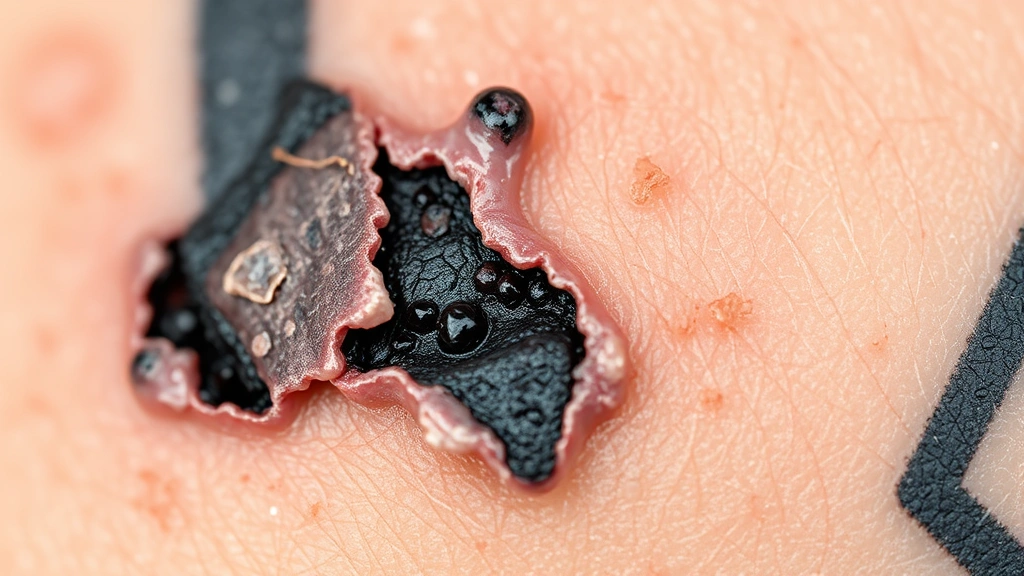
Peeling Phase: Days 4-14
Around day four or five, your tattoo enters what many people find frustrating: the peeling phase. Your skin begins shedding the damaged outer layers, and your tattoo will look decidedly less vibrant temporarily. This is when people often panic, thinking their tattoo is ruined. Rest assured—this is normal and temporary.
During this phase, you might notice:
- Significant itching (resist the urge to scratch!)
- Visible peeling and flaking of skin
- A dull or cloudy appearance to the ink
- Some scabbing, though excessive scabbing can indicate over-working during the tattoo
- Continued but decreasing swelling
The itching during this phase is intense because your skin is healing and regenerating. Scratching can remove ink and create scarring, which permanently damages your tattoo. If you must address the itch, gently tap the area or apply a cool, damp cloth. Some people find relief by lightly moisturizing with fragrance-free lotion.
Continue washing gently twice daily and applying thin layers of moisturizer. Switch to fragrance-free products specifically designed for tattooed skin if possible. Generic lotions can contain irritants that prolong healing. This is also when you might notice the tattoo looking patchy—some areas might appear to have lost ink. Don’t worry; this is usually just peeling skin making the ink look inconsistent. It’ll even out as healing progresses.
You can now shower normally, but avoid long, hot baths or soaking. Keep it quick and cool to warm, not scalding. The heat opens pores and can pull ink out of the skin.
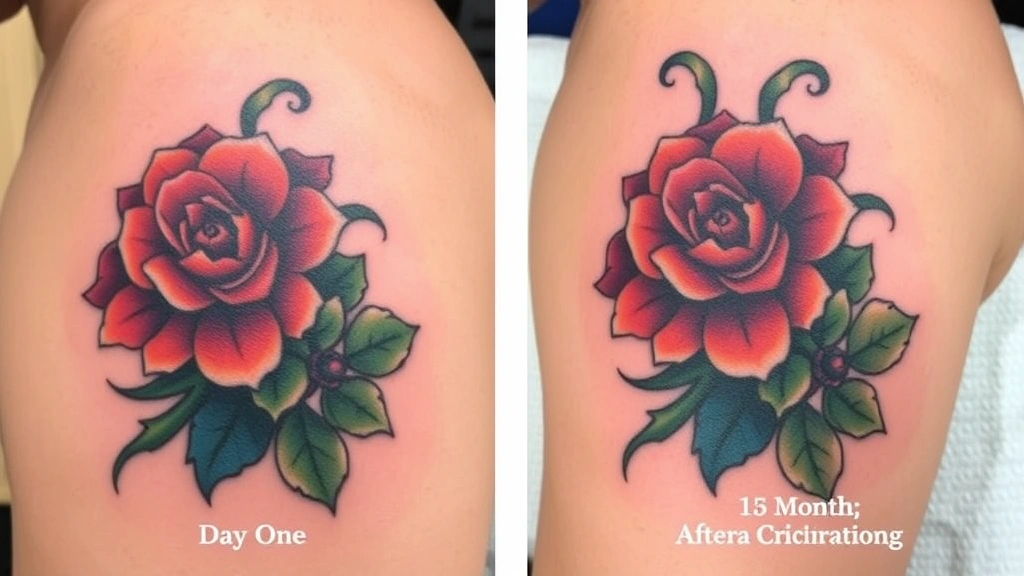
Deep Healing: Weeks 3-6
By week three, your tattoo should look mostly healed on the surface. The peeling has stopped, the swelling is gone, and your skin looks normal again. However, deep tissue healing is still happening beneath the surface. This is why artists recommend waiting at least two to four weeks before getting another tattoo in the same area and why sun protection remains important.
During this phase, your tattoo might look slightly duller than you expected. This is temporary—it’s called the “cloudy phase.” The ink is still settling into your skin, and a protective layer of new skin is forming over it. By week six, as this layer fully integrates, your colors will brighten and look more vibrant again.
Continue with basic aftercare: gentle washing and fragrance-free moisturizer. You can now use regular sunscreen over your tattoo when going outside, though it’s still best to keep it covered or out of direct sun during these crucial weeks. UV exposure can fade fresh ink and increase scarring risk.
By the end of week six, your tattoo is considered fully healed on a surface level. However, complete healing—where all layers of skin have fully regenerated and integrated the ink—can take up to six months. This is why artists often recommend waiting six months before touching up or making judgments about whether the tattoo needs additional work.
Aftercare Essentials
Proper aftercare is the difference between a tattoo that ages beautifully and one that fades, blurs, or scars. Your artist should provide specific instructions, but here are the universal essentials:
Cleansing: Wash your tattoo twice daily with unscented antibacterial soap and lukewarm water. Use your hand or a clean paper towel—never a washcloth. Gently pat dry, don’t rub.
Moisturizing: Apply fragrance-free moisturizer or specialized tattoo aftercare ointment. Brands like Aquaphor, Cetaphil, or dedicated tattoo products work well. Apply thin layers rather than heavy coatings.
Clothing: Wear loose, breathable clothing over your tattoo for at least the first week. Tight clothing can cause friction and irritation. Natural fabrics like cotton are preferable to synthetics.
Activity: Avoid intense exercise, swimming, hot tubs, and saunas for at least two weeks. Excessive sweating and water exposure can introduce bacteria and pull ink from your skin. If you’re eager to learn about removing substances from skin, how to remove super glue demonstrates the importance of understanding what substances interact with your skin—similarly, knowing what to keep away from your tattoo matters.
Sun Protection: Avoid direct sunlight for at least two weeks, preferably four. After that, always use SPF 30+ sunscreen on your tattoo. UV rays fade ink and can cause scarring. This is a lifetime commitment for maintaining your tattoo’s appearance.
Sleep: Try to keep your tattoo uncovered while sleeping to allow air circulation. If it’s in a location where clothing rubs it, consider loose bandaging with clean gauze.
Common Healing Mistakes
Even well-intentioned people make mistakes during tattoo healing. Knowing these pitfalls helps you avoid them:
Over-moisturizing: More lotion doesn’t equal faster healing. Excess moisturizer traps bacteria and can cause breakouts or infection. Thin layers are the way to go.
Using petroleum jelly: While some older artists recommended it, petroleum jelly can trap bacteria and prevent proper air circulation. Modern consensus favors lighter, water-based products.
Picking or scratching: This is the number one way to damage a fresh tattoo. Picking removes ink, causes scarring, and can lead to infection. Your fingernails are dirty, even if they look clean.
Swimming too early: Chlorinated pools, salt water, and hot tubs are bacterial breeding grounds. Wait at least two weeks, preferably four, before submerging your tattoo in these environments.
Exposing to direct sunlight: Sun exposure during the healing phase fades ink and causes inflammation. It’s one of the fastest ways to ruin a fresh tattoo’s appearance.
Ignoring signs of infection: If you notice excessive redness, warmth, pus, or swelling that increases after day two, see a healthcare provider. Infections are rare with proper aftercare but serious if ignored.
Using scented products: Fragrance, essential oils, and dyes can irritate healing skin. Stick to unscented, hypoallergenic products during the healing phase.
Factors Affecting Healing Time
While the standard healing timeline is two to six weeks for surface healing, individual factors can speed up or slow down your recovery:
Age: Younger people typically heal faster than older individuals. Skin regeneration naturally slows with age, though people of all ages can heal well with proper care.
Placement: Tattoos on areas with more movement (like joints or areas that flex frequently) may take longer to heal. Areas with thinner skin might also require extra care.
Tattoo size and complexity: Larger tattoos or those requiring more needle work take longer to heal. Your body needs time to process the trauma and regenerate skin.
Skin type: People with sensitive skin might experience more swelling and a longer healing process. Those with certain skin conditions should consult with their dermatologist before getting tattooed.
Overall health: Your immune system’s efficiency directly impacts healing. Poor nutrition, lack of sleep, stress, and certain medical conditions can slow healing. For general health maintenance, understanding things like how to tell if you have a cavity reminds us that overall body care affects healing—similarly, your general health impacts tattoo recovery.
Aftercare compliance: This is the most controllable factor. People who follow aftercare instructions meticulously heal faster and achieve better results than those who don’t.
Artist skill: A skilled artist who doesn’t over-work the skin creates less trauma and faster healing. This is another reason choosing an experienced, reputable artist matters.
Signs of Infection or Problems
While infection is uncommon with proper aftercare, knowing the warning signs helps you catch problems early. Contact your artist or a healthcare provider if you notice:
- Excessive redness or swelling that increases after day two or three
- Pus or thick, discolored discharge (clear lymph is normal; greenish or yellowish pus is not)
- Warmth or heat radiating from the tattoo
- Red streaks extending from the tattoo
- Fever or chills accompanying the tattoo symptoms
- Unusual itching or burning that doesn’t respond to moisturizer
- Blistering beyond the normal peeling phase
- Raised, keloid-like scarring
Infections are serious but treatable. Early intervention prevents complications. Never attempt to treat a suspected infection with home remedies alone—professional medical care is important for infections involving puncture wounds.
It’s also worth noting that allergic reactions to tattoo ink, while rare, can occur. If you develop an allergic reaction (typically itching, swelling, or rash that doesn’t improve with standard aftercare), see a dermatologist. They can determine if it’s an ink allergy or another issue.
Frequently Asked Questions
How long does it take a tattoo to fully heal?
Surface healing typically takes two to three weeks, but complete healing—including deep tissue regeneration—can take up to six months. This is why artists recommend waiting six months before judging whether a tattoo needs touch-ups.
Can I shower with a fresh tattoo?
Yes, but keep showers brief and use lukewarm water. Avoid soaking or submerging your tattoo. Pat dry gently with a clean paper towel and apply moisturizer. Hot water can open pores and pull ink from your skin.
Why is my tattoo so itchy?
Itching is a normal part of healing as your skin regenerates. Resist scratching at all costs—it removes ink and causes scarring. Apply fragrance-free moisturizer or use a cool, damp cloth to soothe the itch.
When can I go swimming after getting a tattoo?
Wait at least two weeks before swimming in chlorinated pools, and preferably four weeks. Salt water and hot tubs should also be avoided for at least two weeks. These environments expose your healing tattoo to bacteria.
Is it normal for my tattoo to look faded or cloudy?
Yes, this is the “cloudy phase” that occurs during deep healing, typically weeks two through six. As new skin layers fully integrate, your colors will brighten and look more vibrant. This is temporary and expected.
Can I get another tattoo while one is healing?
It’s best to wait at least two to four weeks between tattoos, and preferably longer if they’re in the same area. Your body needs time to recover, and your immune system is already working hard on the first tattoo.
What should I do if my tattoo gets infected?
Seek professional medical care immediately. Don’t attempt to treat infections at home. Contact your artist or see a healthcare provider. Infections are rare with proper aftercare but serious if ignored.
How do I know if I’m using too much aftercare product?
If your tattoo looks shiny, wet, or feels slimy, you’re using too much. Apply thin layers—your skin should look moisturized, not coated. Think “barely-there” rather than “generous application.”
Can I wear makeup over my tattoo while it’s healing?
It’s best to avoid makeup over healing tattoos for at least two weeks. Once fully healed, you can cover it if desired, though waterproof formulas work best to prevent fading.
Should I be concerned about scarring?
Minor scarring is sometimes normal, especially if your artist had to go over areas multiple times. Keloid scarring (raised, excessive scarring) is less common but possible, particularly for people prone to keloids. Proper aftercare minimizes scarring risk.
For more detailed information on tattoo healing timelines, check out how long do tattoos take to heal for additional insights. You can also reference This Old House’s general wound care principles and Family Handyman’s health and safety guides for broader understanding of skin healing.
Final Thoughts on Tattoo Healing
Understanding how long does it take a tattoo to heal empowers you to make informed decisions and follow proper aftercare. The healing process is your tattoo’s critical foundation—the difference between ink that looks stunning for decades and ink that fades or scars prematurely.
Remember that everyone’s healing is slightly different. While the general timeline is two to six weeks for surface healing and up to six months for complete healing, your individual experience depends on factors like age, health, placement, and aftercare compliance. The key is following your artist’s specific instructions and being patient with the process.
Your fresh tattoo isn’t just a wound—it’s the beginning of permanent art on your body. Treating it with respect during the healing phase ensures that this investment looks as good in five years as it does on day one. Resist the urge to rush the process, avoid the common pitfalls, and trust that your body knows how to heal when given the right conditions.
For authoritative guidance on tattoo aftercare, consult professional tattoo aftercare product recommendations and always follow your artist’s specific instructions. If you have concerns about your healing, don’t hesitate to reach out to your artist or a dermatologist. Taking these precautions now means enjoying your tattoo for life.

Related Posts

How Long to Boil Lobster Tails: Cooking Guide

How Long to Fly from New York to London? Travel Times
