
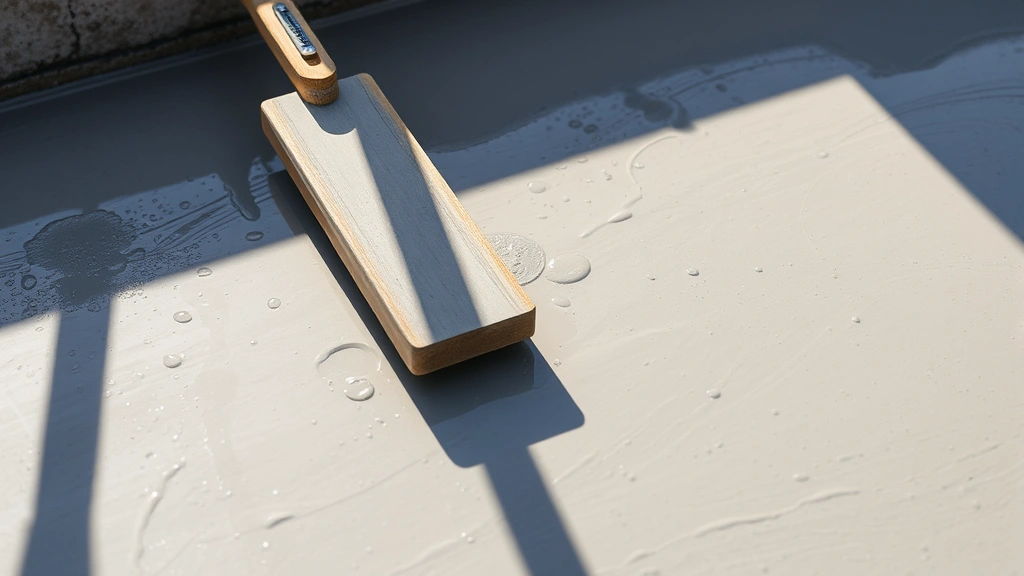
How Long Does Concrete Take to Dry? Expert Insights for Your Next Project
Concrete drying times can make or break your DIY project timeline. Whether you’re pouring a new driveway, fixing a basement floor, or creating decorative pavers, understanding the concrete curing process isn’t just helpful—it’s essential. Most people think concrete dries within a day or two, but the reality is far more nuanced and depends on numerous variables that deserve your attention.
The truth is, concrete doesn’t simply “dry” like paint does. It undergoes a chemical process called hydration, where the cement particles bond with water molecules. This transformation is what gives concrete its strength and durability. Rush this process, and you’ll compromise your project’s structural integrity. Respect it, and you’ll have a surface that lasts decades.
In this guide, we’ll walk you through everything you need to know about concrete drying times, the factors that influence the timeline, and practical strategies to ensure your concrete cures properly. By the end, you’ll have the confidence to tackle any concrete project without second-guessing yourself.
The Difference Between Drying and Curing
Here’s where most DIYers get confused: concrete drying and concrete curing are not the same thing. Understanding this distinction is crucial for setting realistic expectations about your project timeline.
Drying refers to the evaporation of surface moisture. You might walk on concrete after 24-48 hours and feel it’s dry to the touch. However, curing is the ongoing chemical process where cement hydrates and the concrete continues to gain strength. This process can take weeks, even months, to reach full maturity.
Think of it this way: concrete might feel dry on day three, but it’s still undergoing significant chemical changes internally. The surface moisture has evaporated, but the deeper layers are still hydrating. This is why professionals distinguish between “surface dry,” “traffic ready,” and “fully cured” stages.
When you see a contractor keeping fresh concrete wet for days after pouring, they’re not trying to extend the drying time—they’re actually promoting proper curing by maintaining moisture levels. Water is essential for the hydration process to continue effectively.
Typical Concrete Drying Timeline
For standard concrete mixes under ideal conditions, here’s what you can typically expect:
- 24 Hours: Surface is usually dry enough to walk on, though it may still be slightly tacky in spots. You can remove formwork and begin light traffic.
- 7 Days: Concrete reaches approximately 70% of its design strength. This is when you can typically drive light vehicles over it or begin light construction work.
- 28 Days: The industry standard for full curing. Concrete reaches its design strength and is ready for heavy traffic and loads.
- 90+ Days: Concrete continues to gain strength slowly, though the rate of improvement significantly decreases after 28 days.
These timelines assume you’re working with standard Portland cement concrete in moderate temperatures (around 70°F) with reasonable humidity levels. Deviation from these conditions can dramatically alter your timeline.
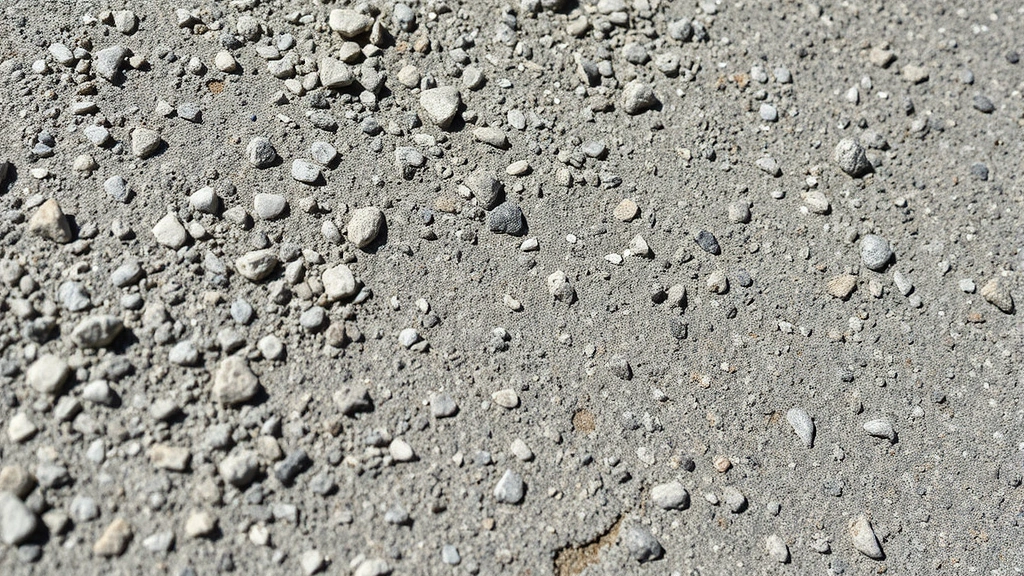
Factors That Affect Drying Time
Concrete drying isn’t a one-size-fits-all scenario. Several variables work together to determine how quickly your concrete will cure and be ready for use.
Concrete Mix Design: Different concrete mixes have different water-to-cement ratios, which directly impacts drying time. A lean mix (less water) dries faster than a rich mix (more water). Fast-setting concrete additives can reduce curing time significantly, while some specialty mixes might require extended curing periods.
Thickness of the Pour: Thicker concrete takes longer to cure throughout. A thin decorative overlay might cure in days, while a 12-inch foundation slab could take weeks to fully cure at depth. Water needs to travel through the entire thickness, and the deeper layers cure more slowly.
Ambient Conditions: The environment surrounding your concrete is perhaps the most influential factor. Wind, sun exposure, shade, and air circulation all play roles in how quickly surface moisture evaporates and how effectively hydration occurs.
Concrete Additives: Accelerators can speed up curing, while retarders slow it down. These chemical additives are useful when you need to adjust timing for specific project requirements.
Sealing and Moisture Retention: Whether you cover or leave concrete exposed dramatically affects curing. Sealed or covered concrete cures more slowly but often more uniformly. Exposed concrete dries faster on the surface but may cure unevenly.
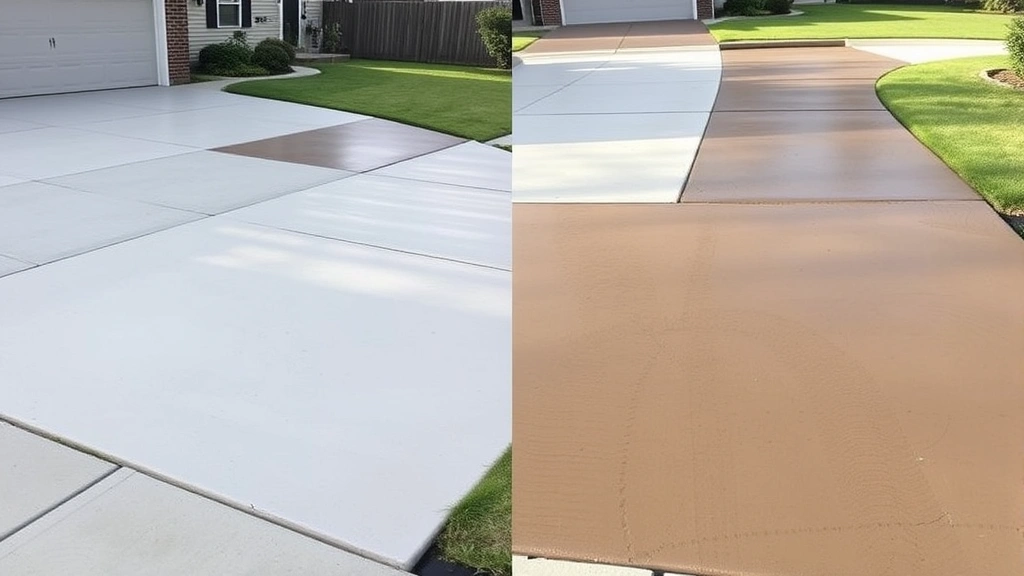
Temperature and Humidity Impact
Temperature is perhaps the single most important environmental factor affecting concrete curing. Here’s why: the hydration reaction is temperature-dependent. Cold slows it down; heat speeds it up.
Cold Weather Curing: When temperatures drop below 50°F, concrete hydration slows dramatically. At freezing temperatures, the process nearly halts. This is why winter concrete pours require special attention—you may need to use heated enclosures or add accelerating admixtures to ensure proper curing. A concrete pour that would cure in 28 days at 70°F might take 50+ days at 40°F.
Hot Weather Curing: Conversely, heat accelerates hydration. Concrete poured in 90°F+ temperatures might reach usable strength faster, but rapid surface drying can cause problems like cracking and uneven curing. Hot weather requires active moisture management—keeping the concrete damp to ensure even hydration throughout the mass.
Humidity Considerations: High humidity slows surface drying but promotes better overall curing because moisture is retained in the concrete. Low humidity (dry climates) causes rapid surface drying, which can trap moisture inside and create weak surface layers. This is why covering concrete in arid climates is particularly important.
The ideal scenario for curing is moderate temperature (65-75°F) with moderate humidity (50-70%) and minimal wind. When conditions stray from this sweet spot, you need to compensate with proper techniques and timing adjustments.
How to Accelerate the Drying Process
Sometimes you need concrete ready faster than nature provides. Whether you’re working on a tight deadline or dealing with seasonal constraints, here are legitimate strategies to speed things up responsibly.
Use Accelerating Admixtures: Chemical accelerators like calcium chloride can reduce curing time by 25-50% depending on the product and conditions. They work by speeding up the hydration reaction. However, accelerators aren’t suitable for all applications—they can reduce durability in some cases, so check with your concrete supplier first.
Optimize Temperature: If you’re pouring in cold weather, using heated concrete or applying heat to the pour site accelerates hydration. Conversely, in hot weather, you might need to cool the mix slightly to prevent problems while still allowing faster curing. This is where working with a quality concrete supplier becomes invaluable.
Manage Moisture Strategically: Keep fresh concrete damp during the first 7 days. This sounds counterintuitive when discussing drying time, but proper moisture management ensures even curing and stronger concrete. After initial set (usually 24-48 hours), you can gradually reduce moisture to encourage surface drying while maintaining internal hydration.
Improve Air Circulation: Strategic use of fans can help with surface drying in humid conditions, though excessive wind can cause problems. Gentle air movement in moderate conditions is beneficial; strong wind in dry heat is problematic.
Choose the Right Mix Design: Work with your concrete supplier to select a mix optimized for your climate and timeline. Early-strength concrete mixes reach usable strength faster than standard mixes, though they may cost slightly more.
Common Mistakes to Avoid
Even experienced DIYers sometimes rush the concrete curing process or make assumptions that compromise their projects.
Walking or Driving Too Early: Just because concrete feels dry doesn’t mean it’s ready. A 24-hour surface might support your weight, but heavy loads should wait at least 7 days. Premature traffic can cause surface damage and weakening that’s irreversible.
Removing Forms Too Quickly: Formwork provides structural support during early curing. Removing it too soon can cause concrete to crack or sag. Standard practice is to leave forms in place for at least 7 days, though thicker pours and cold weather require longer.
Neglecting Moisture Management: Allowing concrete to dry too quickly creates internal stress and surface cracking. Keep fresh concrete damp for the first week, especially in hot or dry conditions. This isn’t extending drying time—it’s ensuring proper curing.
Ignoring Weather Forecasts: Rain within the first 24-48 hours can damage fresh concrete. Heavy rain can create surface damage and weaken the top layer. Similarly, freezing temperatures during early curing can cause serious problems. Always check the forecast before pouring and be prepared to protect your concrete.
Assuming All Concrete is the Same: Different projects require different mixes and curing times. A decorative overlay cures differently than a structural foundation. Always follow specifications for your specific application.
Skipping the Sealing Step: Once concrete is fully cured, applying a sealer protects it and can extend its life significantly. This is an often-overlooked step that pays dividends over time.
If you’re tackling related home improvement projects, understanding concrete timing helps coordinate with other work. For instance, if you’re also planning to install a toilet in a new bathroom, you’ll want to ensure your concrete floor is fully cured before beginning plumbing work. Similarly, projects like wiring an outlet or soldering pipes in your utility space should wait until concrete work is completely finished and cured.
Frequently Asked Questions
Can I walk on concrete after 24 hours?
Yes, you can typically walk on concrete after 24 hours, though it may still be slightly soft in spots. However, avoid heavy traffic or loads until at least 7 days have passed. Think of it like this: your weight as a person is fine, but a heavy wheelbarrow or vehicle should wait.
How do I know if concrete is fully cured?
The industry standard is 28 days for full curing under normal conditions. However, you can perform simple tests: fully cured concrete won’t leave marks when you drag a coin across it, and it should feel completely hard with no give when pressure is applied. If you’re uncertain, waiting the full 28 days is always the safest approach.
Does concrete continue to cure after 28 days?
Yes, but very slowly. Concrete continues to gain strength for months and even years, though the rate of improvement drops dramatically after 28 days. The vast majority of strength gain (roughly 90%) occurs within the first 28 days.
What’s the difference between air temperature and concrete temperature?
Concrete temperature is what matters for curing rates, not air temperature. Fresh concrete can be warmer than the surrounding air due to the heat generated by hydration. Use a concrete thermometer to check actual concrete temperature, especially in cold or hot conditions. This is particularly important when deciding whether to add accelerators or take protective measures.
Can I seal concrete before it’s fully cured?
No, you should wait until concrete is fully cured (28 days minimum) before sealing. Applying sealer too early can trap moisture inside, leading to weak spots and durability issues. Some specialty sealers have shorter wait times, but always follow manufacturer instructions.
How does concrete thickness affect drying time?
Thicker concrete takes significantly longer to cure throughout. A 2-inch decorative overlay might be traffic-ready in 3-4 days, while a 6-inch foundation slab could take 14+ days to cure at depth, and a 12-inch mass might take several weeks. Water must migrate through the entire thickness for complete hydration.
What should I do if it rains on fresh concrete?
Light rain after the concrete has set (usually 24+ hours) is generally okay. However, heavy rain within the first 24 hours can damage the surface and weaken the top layer. If rain is forecast within 24 hours of your pour, cover the concrete with plastic sheeting. After 24 hours, rain typically won’t cause problems and can actually help with moisture management.
Can I speed up concrete drying with fans or heat?
Gentle air circulation from fans can help in humid conditions, but strong wind in dry heat can cause problems. Adding heat accelerates curing, but it must be done carefully to avoid rapid surface drying that causes cracking. Accelerating admixtures are a better choice for most DIY projects than attempting to speed drying through environmental manipulation.
Is concrete stronger after it’s “dry” to the touch?
Not necessarily. Concrete that’s dry to the touch is usually only 1-3 days old and has reached maybe 10-20% of its design strength. Don’t confuse surface dryness with structural readiness. Full strength takes 28 days under normal conditions.
Should I keep concrete wet after pouring?
Yes, absolutely. Keeping concrete damp for the first 7 days (especially the first 3) promotes better hydration and stronger concrete. This is called “curing,” and it’s different from drying. Mist the concrete regularly or cover it with plastic to retain moisture. This doesn’t extend drying time—it ensures proper curing.
If you’re planning multiple home improvement projects, understanding concrete timelines helps with coordination. Projects like unclogging a shower drain or staining wood floors can proceed while concrete is curing, but any structural work should wait until curing is complete.
Final Thoughts on Concrete Drying
Understanding concrete drying and curing isn’t just technical knowledge—it’s the foundation (pun intended) for successful DIY concrete projects. The difference between rushing and respecting the process often comes down to the difference between a project that lasts decades and one that develops problems within years.
Remember: concrete doesn’t simply dry like paint. It undergoes a chemical transformation that requires time, proper moisture management, and reasonable conditions. By respecting this process and following best practices, you’ll ensure your concrete projects are built to last.
For more detailed information on concrete specifications and regional variations, check out resources like Concrete Network’s curing guide, This Old House’s concrete articles, and Family Handyman’s concrete pouring guide. Your local concrete supplier can also provide mix-specific curing recommendations tailored to your climate and project requirements.
Take your time, respect the process, and you’ll have concrete that’s as durable as it is beautiful. Your future self will thank you when that driveway or patio is still in perfect condition years down the road.