

How Many Swamps Are in Georgia? A Comprehensive Guide
How Many Swamps Are in Georgia? A Comprehensive Guide to the Peach State’s Wetland Wonders
Georgia’s landscape tells a fascinating story written in water, mud, and moss. While most people think of Georgia as rolling hills and bustling cities, the state harbors some of North America’s most significant wetland ecosystems. The question of exactly how many swamps call Georgia home isn’t straightforward—it depends on how you define and categorize these unique environments. What we do know is that Georgia is home to approximately 4.7 million acres of wetlands, making it one of the most wetland-rich states east of the Mississippi River.
These swamps aren’t just pretty backdrops for nature photography. They’re complex, living systems that filter water, provide habitat for countless species, and play a crucial role in flood prevention. Whether you’re a property owner dealing with waterlogged land, a nature enthusiast planning an expedition, or simply curious about Georgia’s ecological makeup, understanding these wetlands matters more than you might think.
The distinction between a swamp, marsh, bog, and fen can get murky—pun intended. For our purposes, we’ll focus on Georgia’s swamps specifically: wetland areas dominated by woody vegetation like cypress, tupelo, and gum trees. Let’s wade into what makes Georgia’s swamps so remarkable and what you need to know about them.
Defining Georgia’s Swamps: What Exactly Are We Talking About?
Before we count Georgia’s swamps, we need to establish what qualifies as one. A swamp, in technical terms, is a wetland dominated by trees and shrubs. Unlike marshes, which are characterized by herbaceous plants like cattails and reeds, swamps have a woody canopy. Georgia’s swamps typically feature bald cypress, tupelo gum, sweetbay magnolia, and various oak species standing in water for extended periods.
The U.S. Fish and Wildlife Service recognizes different wetland classifications, and Georgia’s swamps fall into several categories. Some are freshwater forested wetlands, while others are palustrine systems—fancy terms for wetlands that form in depressions or along waterways. The state’s wetlands vary dramatically from the cypress-dominated swamps of south Georgia to the pocosins (evergreen shrub wetlands) found in the southeastern coastal plain.
Defining these areas precisely matters because it affects everything from environmental protection policies to property development rights. When someone asks how many swamps are in Georgia, they might be asking about named swamps, total swamp acreage, or distinct swamp systems. The answer depends on your definition, but Georgia’s wetland inventory identifies thousands of individual wetland units across the state.
Major Swamp Systems Across Georgia
Georgia hosts numerous significant swamp systems, though they’re not always as famous as their counterparts in Florida or Louisiana. The state can be divided into regions, each with distinct wetland characteristics. In south Georgia, you’ll find extensive cypress swamps and pocosins. Central Georgia features river swamps along major waterways like the Altamaha and Ogeechee Rivers. Northern Georgia’s mountains give way to smaller wetland systems, though they’re no less important ecologically.
The Altamaha River swamp system represents one of Georgia’s largest intact river swamps. This system spans multiple counties and serves as critical habitat for numerous species. Similarly, the Ogeechee River drainage supports extensive swamp forests. The Savannah River, forming Georgia’s border with South Carolina, contains swamp systems that have been both preserved and altered by human activity over centuries.
Lesser-known but equally important are the pocosins of the coastal plain—these evergreen shrub wetlands cover significant acreage and provide unique ecological functions. Some estimates suggest Georgia contains between 50 to 100 distinct major swamp systems, depending on how you classify them, plus thousands of smaller wetland units that collectively form the state’s wetland network.
The Okefenokee: Georgia’s Crown Jewel
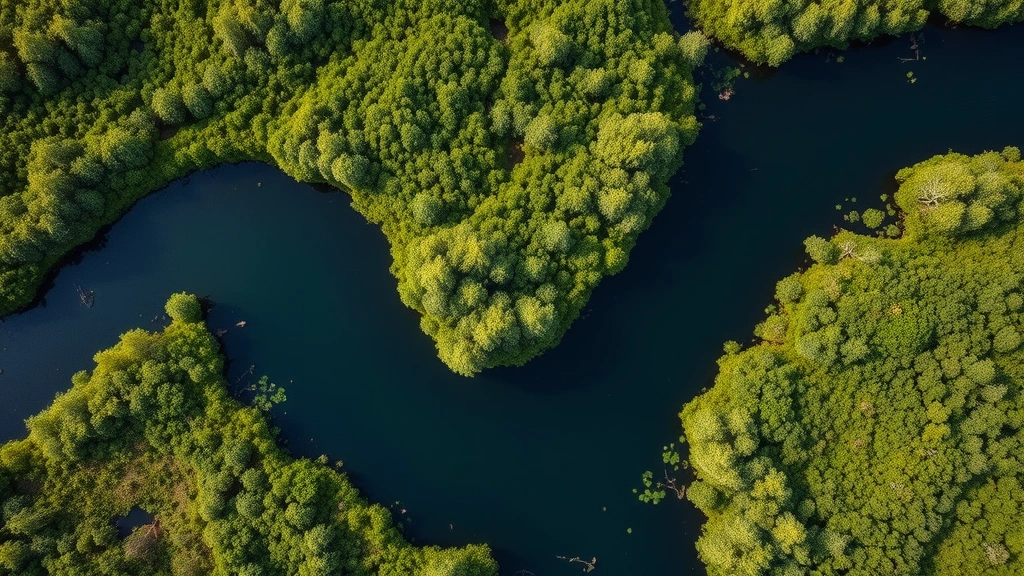
If you’re asking about Georgia’s most famous swamp, the answer is definitively the Okefenokee. This massive swamp spans approximately 438,000 acres, with about 60% located in Georgia and 40% extending into Florida. The name “Okefenokee” comes from the Seminole word meaning “land of trembling earth”—a fitting description for a swamp where the ground literally shakes beneath your feet due to peat deposits floating on water.
The Okefenokee is far more than just a swamp; it’s an entire ecosystem unto itself. This vast wilderness contains cypress forests, prairies, islands, and waterways that support alligators, black bears, panthers, and hundreds of bird species. It’s one of the largest intact freshwater ecosystems in the continental United States and has been protected as a National Wildlife Refuge since 1937.
What makes the Okefenokee particularly significant is its role in water filtration and aquifer recharge. The swamp acts as a massive natural water treatment system, filtering water that eventually feeds into the Suwannee and St. Johns Rivers. For property owners in the region, understanding the Okefenokee’s hydrological influence is crucial—water movements in and around the swamp affect groundwater levels for miles.
Wildlife and Habitat: What Lives in Georgia’s Swamps
Georgia’s swamps support an astonishing diversity of life. These wetlands provide essential habitat for species found nowhere else, making them irreplaceable from a conservation standpoint. The iconic bald cypress trees can live for over 1,000 years, creating stable ecosystems that support countless organisms across multiple trophic levels.
Alligators are perhaps the most visible inhabitants, but they’re just the beginning. Black bears thrive in Georgia’s swamps, particularly in the Okefenokee region. The swamps also harbor the elusive Florida panther, though sightings are rare. Smaller mammals like otters, beavers, and raccoons are common throughout Georgia’s wetland systems.
Bird enthusiasts flock to Georgia’s swamps for good reason. These wetlands serve as critical stopover points during bird migrations. Wood storks, sandhill cranes, various heron species, and ibises depend on these ecosystems. If you’re concerned about encountering wildlife while exploring or working near swamps, knowing how to identify a water moccasin is practical knowledge—these venomous snakes are native to Georgia’s swamps and deserve respect and distance.
Amphibians and reptiles find ideal conditions in swamp environments. Frogs, turtles, and various snake species (water moccasins included) have adapted perfectly to these wet, woody habitats. The biodiversity extends to invertebrates as well—insects, crustaceans, and mollusks form the foundation of swamp food webs.
Ecological Importance and Conservation
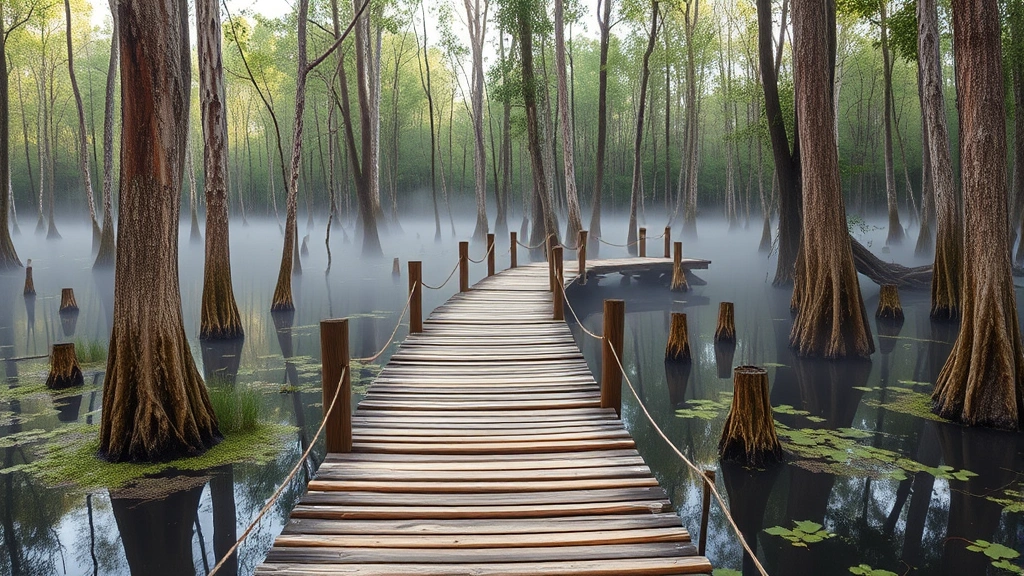
Why should you care about Georgia’s swamps if you don’t live near one? Because these ecosystems provide services worth billions of dollars annually. Swamps filter water, removing pollutants and sediments before they reach groundwater supplies and rivers. They store carbon at rates far exceeding upland forests, making them critical in climate regulation. They attenuate floodwaters, reducing flood damage downstream. They provide nursery habitat for commercially important fish species.
Georgia’s swamps have faced significant threats over the past century. Drainage for agriculture, timber harvesting, and development have reduced swamp acreage substantially. Fortunately, conservation efforts have accelerated in recent decades. Organizations like the Nature Conservancy, state wildlife agencies, and federal programs work to protect and restore remaining swamp systems.
The state has implemented regulations protecting wetlands under the Clean Water Act and Georgia’s own wetland protection laws. Property owners with wetlands on their land often face restrictions on what they can do with that land—restrictions that exist precisely because these ecosystems are so valuable. Understanding these regulations is essential if you own swamp or wetland property.
What Property Owners Need to Know
If you own property in Georgia that includes wetlands or swamps, several important considerations apply. First, you cannot simply drain or fill a swamp without permits. The U.S. Army Corps of Engineers and Georgia’s Environmental Protection Division regulate wetland alterations. Violations can result in significant fines and legal consequences.
Wetland property ownership comes with both challenges and opportunities. The challenges are obvious—you can’t build on swampy land without extensive and expensive mitigation. But there are opportunities too. Wetland mitigation banking, conservation easements, and tax incentives exist for property owners who preserve or restore wetlands.
Pest management near wetlands requires special consideration. If you’re dealing with insects like drain flies in properties adjacent to swamps, standard pest control approaches may need modification to protect the wetland ecosystem. Similarly, if you’re growing plants near wetland areas, such as growing ginger or other crops, water management becomes critical.
Before purchasing property in Georgia, always conduct a wetland assessment. Professional wetland delineations can determine exactly what portion of your property qualifies as protected wetland, which directly affects your development potential and property value. This investment in due diligence can save thousands in unexpected complications later.
Exploring Georgia’s Swamps: A Visitor’s Guide
Georgia’s swamps offer incredible opportunities for nature enthusiasts, photographers, and adventurers. The Okefenokee National Wildlife Refuge provides the most accessible swamp experience, with visitor centers, boardwalks, and guided tours. You can experience the swamp without getting muddy—or you can rent canoes and kayaks for more immersive exploration.
Beyond the Okefenokee, numerous state parks and wildlife management areas provide swamp access. The Altamaha Wildlife Management Area offers excellent opportunities for observing cypress swamps and wildlife. Various boat ramps and trails provide entry points to Georgia’s river swamp systems.
If you’re planning to explore, preparation matters. Swamps are wet, buggy, and home to creatures that deserve respect. Wear appropriate clothing, bring insect repellent, and stay on marked trails. Early morning or late afternoon visits often provide the best wildlife viewing and most pleasant conditions.
For those interested in preservation, several organizations offer volunteer opportunities for swamp restoration and monitoring. You can participate in citizen science projects, help with invasive species removal, or contribute to habitat restoration efforts. These activities connect you directly to conservation while deepening your understanding of these remarkable ecosystems.
Photography enthusiasts should note that Georgia’s swamps offer stunning visual opportunities. The reflection of cypress trees in still water, the golden light filtering through Spanish moss, the dramatic wildlife encounters—these moments make swamp exploration memorable. If you’re interested in preserving natural beauty, you might also explore how to dry flowers from swamp wildflowers to create lasting botanical reminders of your visit.
Frequently Asked Questions
How many swamps are in Georgia exactly?
This depends on your definition. Georgia contains approximately 4.7 million acres of wetlands total. While exact swamp counts vary by classification system, the state recognizes between 50 to 100 major swamp systems, plus thousands of smaller wetland units. The largest is the Okefenokee at 438,000 acres.
What’s the difference between a swamp and a marsh?
Swamps are wetlands dominated by trees and woody shrubs, while marshes are characterized by herbaceous plants like cattails and reeds. Georgia contains both ecosystems, but swamps specifically feature trees like bald cypress and tupelo gum standing in water.
Is it safe to visit Georgia’s swamps?
Yes, with proper precautions. Swamps contain alligators, venomous snakes, and other wildlife, but attacks are rare. Stay on marked trails, avoid swimming, wear appropriate clothing, and respect wildlife. The Okefenokee National Wildlife Refuge provides safe, managed access with visitor facilities.
Can I build on swampy property in Georgia?
Generally no, without extensive permits and mitigation. Wetlands are protected under federal and state law. Building typically requires permits from the U.S. Army Corps of Engineers and Georgia’s Environmental Protection Division. Violations carry substantial penalties.
Why are swamps important?
Swamps filter water, store carbon, attenuate floodwaters, provide wildlife habitat, and support fisheries. They’re among Earth’s most productive ecosystems. The economic value of these ecosystem services is estimated in the billions of dollars annually.
Are Georgia’s swamps disappearing?
Historically, yes—significant acreage was lost to drainage and development. However, conservation efforts have accelerated, and many swamp systems are now protected. Restoration projects are actively working to recover lost wetland acreage.
What should I do if I encounter a water moccasin in a Georgia swamp?
Give it space. Water moccasins are venomous but not aggressive. Understanding how to identify a water moccasin helps you avoid accidental encounters. If you see one, simply back away slowly and let it retreat.
Can I fish in Georgia’s swamps?
Many swamps are open to fishing with appropriate licenses. Check with Georgia’s Department of Natural Resources for specific regulations regarding the swamp or waterway you plan to fish. Some areas have catch limits or seasonal restrictions.
What role do swamps play in climate change?
Swamps store carbon in peat and biomass at rates exceeding upland forests. Protecting swamps helps combat climate change by maintaining these carbon reservoirs. Conversely, draining swamps releases stored carbon, contributing to atmospheric CO2 levels.
How can I help protect Georgia’s swamps?
Support conservation organizations, participate in volunteer restoration projects, practice responsible recreation, and advocate for wetland protection policies. If you own wetland property, consider conservation easements or mitigation banking programs.
For more information about Georgia’s wetlands, visit the Okefenokee National Wildlife Refuge, consult the Georgia Department of Natural Resources, or review U.S. Army Corps of Engineers guidelines for wetland regulations. The National Wildlife Federation also provides excellent resources on wetland ecosystems, and The Nature Conservancy offers information about Georgia’s conservation initiatives.
Whether you’re a property owner navigating regulations, an adventurer seeking natural wonders, or simply someone curious about Georgia’s ecological landscape, understanding the state’s swamps enriches your appreciation for this complex, vital ecosystem. Georgia’s swamps represent some of the most important natural areas in the southeastern United States, and their protection ensures that future generations can experience their unique beauty and benefit from their irreplaceable ecological services.

Related Posts

How Long to Boil Lobster Tails: Cooking Guide

How Long to Fly from New York to London? Travel Times
