

How to Execute Non-Lethal Combat in BG3
How to Execute Non-Lethal Combat in Baldur’s Gate 3: A Complete Tactical Guide
Baldur’s Gate 3 rewards creative problem-solving, and nowhere is this more evident than in combat encounters. While swinging swords and casting fireballs is satisfying, the game’s non-lethal combat system opens up entirely new narrative possibilities and tactical challenges. Whether you’re playing a pacifist character, trying to capture enemies alive for interrogation, or simply want to experience the game’s reactive storytelling, mastering non-lethal combat transforms how you approach every encounter.
The beauty of BG3’s non-lethal system lies in its flexibility. You’re not locked into a single playstyle—you can switch between lethal and non-lethal approaches depending on the situation, NPC, or moral compass moment. This guide walks you through every mechanic, strategy, and nuance you need to knock out enemies without permanently removing them from the world.
Understanding Non-Lethal Combat Mechanics
Non-lethal combat in BG3 operates on a straightforward principle: instead of reducing an enemy’s hit points to zero and triggering death, you reduce them to zero while the non-lethal flag is active, causing them to fall unconscious instead. This distinction matters enormously for quest progression, companion approval, and the intricate web of consequences that defines BG3’s storytelling.
The game tracks whether you’ve dealt the final blow with non-lethal damage enabled. If you toggle non-lethal mode off before the killing blow lands, that enemy dies permanently. Conversely, switching it on ensures that final hit renders them unconscious. This mechanic requires strategic timing and awareness—you can’t simply toggle it at the last second and expect different results if you’ve already been dealing lethal damage.
Understanding the difference between non-lethal damage types matters too. Bludgeoning damage is traditionally the non-lethal option—think blunt force trauma that knocks someone out rather than kills them. However, with non-lethal mode enabled, any damage type can result in unconsciousness instead of death. This opens up creative possibilities: you can use fire spells, slashing weapons, or psychic damage and still achieve non-lethal results.
One crucial mechanic: unconscious enemies remain vulnerable. They can be attacked while down, and additional attacks will kill them permanently. This means protecting unconscious allies and enemies becomes part of your tactical puzzle. If an NPC you wanted to capture alive gets attacked while unconscious, they’re gone for good—a permanent failure state for non-lethal playthroughs.
Enabling Non-Lethal Mode
Before diving into combat, you need to know how to actually activate non-lethal mode. During any turn-based combat encounter, look for the toggle in your character’s action bar. It’s typically represented by a fist icon or similar indicator, positioned alongside your standard attack and bonus action options. Click this toggle to switch between lethal and non-lethal approaches.
The toggle persists between encounters, so if you enable non-lethal mode and then finish a combat scenario, it remains active for your next fight. This is helpful for maintaining your playstyle consistency, but it’s also a trap—many players forget they have non-lethal enabled and wonder why enemies keep surviving with one hit point remaining. Always verify your combat mode before entering critical encounters.
Some players find success using this mechanic strategically: engage an enemy lethally to deal damage quickly, then toggle non-lethal before the final blow. This works because the toggle affects how that final damage is calculated. If you’re fighting a boss and want to knock them out rather than kill them, you can soften them up with lethal attacks, then switch modes for the finishing move.
If you’re having trouble locating the toggle, check your keybindings in the settings menu. You can also customize which key activates non-lethal mode, making it more convenient during heated battles. Some players bind it to a mouse button or easily accessible keyboard key to toggle mid-combat without breaking their flow.
Best Weapons and Spells for Non-Lethal Takedowns
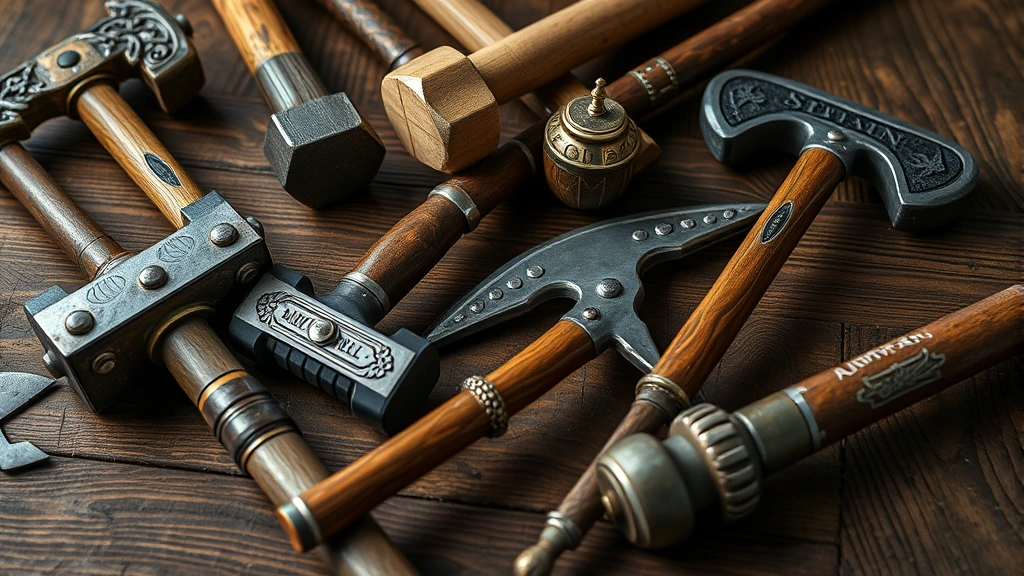
While any weapon works with non-lethal mode enabled, certain options excel at knocking enemies unconscious. Bludgeoning weapons—maces, clubs, and warhammers—thematically align with non-lethal combat and often deal respectable damage. A simple club in the early game or a well-crafted warhammer later provides reliable knockout power without requiring spell slots or complex tactics.
Melee fighters benefit from weapons like the Morningstar or enchanted Maces, which combine decent damage with the bludgeoning keyword. These weapons feel appropriate for non-lethal play and scale well into late-game encounters. If you’re committed to non-lethal takedowns, prioritize bludgeoning weapons when looting or shopping.
Spellcasters have incredible flexibility for non-lethal combat. Sleep is the obvious choice—a first-level spell that renders enemies unconscious without dealing any damage. Against groups of weak enemies, Sleep trivializes encounters. However, high-level enemies often resist or outright ignore it, making Sleep more of a utility spell than a reliable combat tool.
Hold Person and similar enchantment spells don’t technically render enemies unconscious, but they paralyze them, making them helpless targets. You can then use non-lethal bludgeoning attacks to finish them safely. This two-spell combination—Hold Person followed by non-lethal strikes—creates a devastating non-lethal combo.
Tasha’s Hideous Laughter incapacitates enemies through laughter, leaving them helpless for several rounds. While they’re laughing uncontrollably, you can safely approach and land non-lethal finishing blows. This spell scales beautifully throughout the game and works even against relatively high-level enemies.
Clerics and Druids can use Hold Animal to incapacitate beast-type enemies, followed by non-lethal damage. Warlocks with the right invocations can manipulate enemy positioning, pushing them off ledges or into traps—environmental damage counts as non-lethal if you have the toggle enabled.
The Elixir of Wakefulness and similar potions matter for the aftermath. If you’ve knocked out important NPCs or quest-critical enemies, you might need to revive them with potions or spells. Stock up on healing potions and consider carrying extra for these scenarios.
Character Builds Optimized for Non-Lethal Play
Creating a character specifically designed for non-lethal combat requires rethinking traditional build priorities. Monks excel at this playstyle because their martial arts scale with unarmed strikes. Using non-lethal mode with bare fists feels thematic for a martial artist. Their mobility and damage output ensure you can close distances and knock enemies unconscious before they become serious threats.
Bards offer versatility through spellcasting and skill expertise. Tasha’s Hideous Laughter combined with Bard-specific crowd control creates reliable non-lethal encounters. Their charisma focus also opens dialogue options that might prevent combat entirely—the ultimate non-lethal strategy.
Rogues can sneak-attack enemies into unconsciousness with non-lethal mode enabled. Their positioning and stealth abilities let you approach enemies safely, toggle non-lethal mode, and deliver a devastating non-lethal sneak attack. This playstyle feels incredibly satisfying and thematic for a stealthy character.
Clerics with heavy armor and mace proficiency create tanky non-lethal combatants. They heal allies, control crowds with spells, and deal consistent bludgeoning damage with weapons. A Cleric focused on non-lethal play rarely feels underpowered.
Paladins similarly combine martial prowess with spellcasting. Their smites work with non-lethal attacks, and their oath abilities provide additional tactical options. A Paladin dedicated to non-lethal justice creates interesting roleplay scenarios.
Multiclassing enhances non-lethal potential. A Monk/Rogue combination gets sneak attack damage with martial arts, making non-lethal strikes incredibly potent. A Cleric/Rogue hybrid gains spell access while maintaining physical damage capabilities. Experiment with combinations that fit your preferred playstyle.
Regardless of class, prioritize Strength or Dexterity for your primary stat. Non-lethal combat still requires hitting enemies, so accuracy and damage output matter tremendously. Don’t sacrifice offensive power just because you’re not trying to kill—you still need to land your attacks.
Tactical Positioning and Strategy
Non-lethal combat demands more tactical awareness than straightforward lethal encounters. Because you can’t simply eliminate threats permanently, positioning becomes critical. Positioning unconscious allies away from enemy reinforcements prevents them from being executed while helpless.
Use the environment strategically. Lure enemies into choke points where they’re easier to control. Position ranged allies where they can support melee fighters without risking friendly fire. Create defensive perimeters around unconscious NPCs or allies you want to keep alive.
Action economy matters more than ever. In lethal combat, you can afford occasional inefficiency because dead enemies stop threatening you. In non-lethal play, every turn counts because unconscious enemies remain on the battlefield. Optimize your action usage—don’t waste actions on unnecessary movement or ineffective attacks.
Pre-combat buffing becomes essential. Cast spells like Bless before entering combat to increase accuracy. Use potions that boost damage or armor class. Every advantage helps when you’re trying to knock out enemies before they cause serious harm.
Consider using terrain to your advantage. Environmental hazards, surfaces that provide cover, and positioning that limits enemy movement all enhance your non-lethal tactics. Some encounters become trivial when you manipulate the battlefield properly.
Handling Multiple Enemies
Non-lethal combat against groups requires different strategies than one-on-one encounters. Crowd control spells like Sleep, Hold Person, and Hypnotic Pattern become invaluable when facing multiple enemies. Incapacitate most of the group while your melee fighters handle the remaining threats.
Focus fire helps tremendously. Designate one enemy target and pour damage into them until they fall unconscious, then move to the next. This prevents enemies from spreading damage across your party and reduces the total number of active threats quickly.
Ranged allies provide cover fire while melee fighters close distances. Archers and spellcasters can attack from safety while your frontline engages enemies directly. This positioning prevents your non-lethal specialists from being surrounded.
If you’re managing controller input issues that affect your combat control, address those before attempting complex multi-enemy encounters. Responsive controls become crucial when juggling multiple unconscious enemies and active threats.
Summons and companion AI help manage the chaos. Summon spells create additional combatants, and well-positioned companions can control enemy movement. Let your allies tank damage while you focus on delivering non-lethal finishing blows.
Dialogue and Consequences After Non-Lethal Combat
The true genius of BG3’s non-lethal system emerges after combat ends. Enemies you knock unconscious can be questioned, recruited, or allowed to flee. This opens narrative branches unavailable in lethal playthroughs. A bandit leader you capture might provide information about their organization, leading to new quests.
Some NPCs respond differently when you’ve defeated them non-lethally. They might respect your restraint and become allies rather than permanent enemies. Companions also react to your non-lethal approach—some approve of mercy while others prefer decisive action. These approval changes ripple through companion quests and relationship development.
Captured enemies can be handed over to authorities, creating opportunities for additional rewards or dialogue. Alternatively, you might release them, giving them a second chance. These choices feel meaningful because they stem from your non-lethal approach rather than being forced narrative beats.
Be aware that accessibility features in your game settings shouldn’t interfere with these dialogue sequences. Ensure your control setup allows smooth interaction with dialogue options after combat.
Some quests specifically require non-lethal approaches. Capturing enemies alive, interrogating them, or preserving their lives for specific purposes creates quest branches that reward your non-lethal strategy. These quests often provide unique rewards or story revelations unavailable through lethal approaches.
The companion system rewards non-lethal play heavily. Shadowheart, Gale, and Astarion all have specific reactions to mercy and restraint. Building relationships through non-lethal choices creates different dialogue options and personal quests compared to lethal playthroughs.
If you find yourself stuck with a device protection issue preventing you from playing, resolve that first. These technical barriers shouldn’t interrupt your carefully planned non-lethal strategy.
Remember that non-lethal doesn’t mean passive. You’re still engaging in combat, making tactical decisions, and overcoming challenges. The difference is that your enemies live to see another day, creating opportunities for redemption, recruitment, or revenge—all narrative possibilities that enrich your playthrough.
Frequently Asked Questions
Can I toggle non-lethal mode during a single turn?
Yes, you can toggle non-lethal mode on and off during your turn. This allows flexibility in how you approach combat. However, remember that the toggle state when you deal the final blow determines whether an enemy dies or falls unconscious. You can soften enemies with lethal attacks and finish them non-lethally, or vice versa.
What happens if my allies kill an enemy I wanted to capture non-lethally?
If any party member or ally deals the killing blow while non-lethal mode is off, that enemy dies permanently. You can’t control whether allies toggle non-lethal mode, so communicate your intentions or position unconscious enemies away from aggressive allies to prevent accidental deaths.
Do non-lethal kills count toward achievements or character development?
Non-lethal knockouts don’t prevent achievements or character progression. They count as defeated enemies for most purposes but create different narrative consequences. Some achievements specifically require non-lethal approaches, while others require lethal kills, so check achievement descriptions for specifics.
Can I revive permanently dead enemies if I accidentally killed them?
No, permanently dead enemies remain dead. However, unconscious enemies can be revived with healing spells or potions. If you accidentally kill someone important, you’ll need to reload a save. This is why many non-lethal players save frequently before major encounters.
Which enemies are immune to non-lethal combat?
Most enemies can be knocked unconscious with non-lethal mode enabled. Undead, constructs, and certain magical beings might have different rules. Experiment with non-lethal toggles against various enemy types to understand what works. Some bosses might have special mechanics that override standard non-lethal rules.
Does non-lethal damage affect experience points or loot?
Non-lethal defeats grant the same experience points and loot as lethal defeats. You’re not sacrificing progression by choosing mercy. The difference is purely narrative and mechanical—you get the same mechanical rewards regardless of how you defeat enemies.
Can I use non-lethal combat in multiplayer or co-op?
BG3 doesn’t feature traditional multiplayer, but if you’re playing with mods that enable co-op, non-lethal mechanics should function normally. Each player controls their own character’s non-lethal toggle independently.
What’s the best way to practice non-lethal combat?
Start with easier encounters where mistakes aren’t catastrophic. Practice toggling non-lethal mode smoothly and learn which enemies you can safely knock out. Gradually progress to harder encounters as you develop confidence in your non-lethal tactics.

Related Posts

How Long to Boil Lobster Tails: Cooking Guide

How Long to Fly from New York to London? Travel Times
