
Banish Carpenter Ants for Good: Proven Strategies That Work
Carpenter ants can turn your peaceful home into a battleground, silently damaging your property’s wooden structures while establishing their colonies. Unlike termites that actually consume wood, these industrious insects excavate smooth galleries and tunnels through wooden beams, joists, and other structural elements to create their nests. The damage they cause can be extensive and costly, making early detection and effective elimination crucial for protecting your investment.
Understanding how to get rid of carpenter ants requires a comprehensive approach that combines identification, elimination, and prevention strategies. These large, dark-colored ants are often mistaken for other species, but their distinctive behavior patterns and nesting preferences make them particularly challenging to eradicate completely. Success depends on targeting not just the visible workers, but also locating and destroying their hidden colonies and addressing the underlying conditions that attracted them in the first place.
Identifying Carpenter Ants vs Other Species
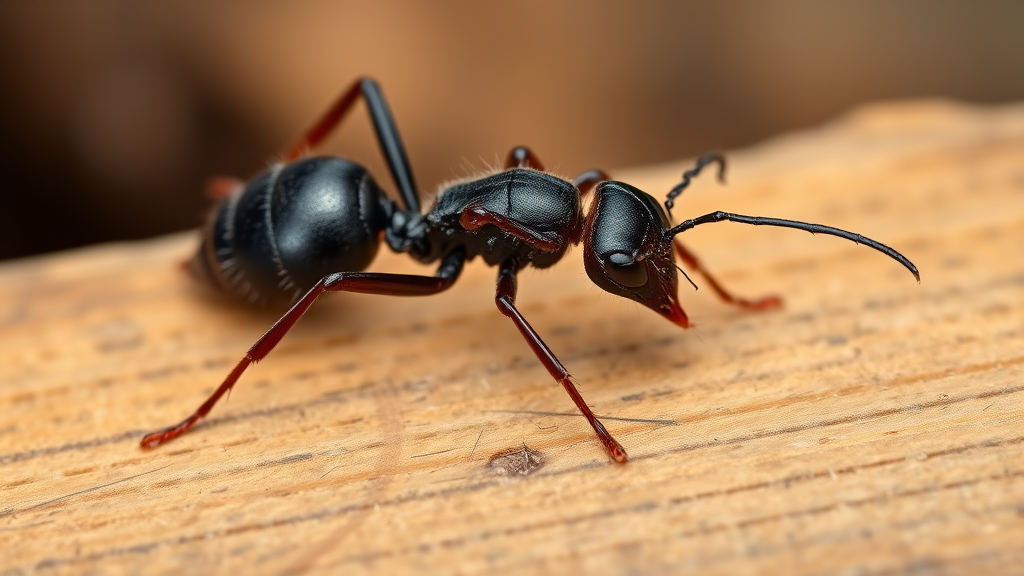
Proper identification is the first critical step in learning how to get rid of carpenter ants effectively. These insects are significantly larger than most common household ants, typically measuring between 6-25mm in length. Worker carpenter ants are usually black or dark brown, though some species display reddish-brown coloration. Their bodies have a distinctive constricted waist and elbowed antennae, setting them apart from other wood-damaging insects like termites.
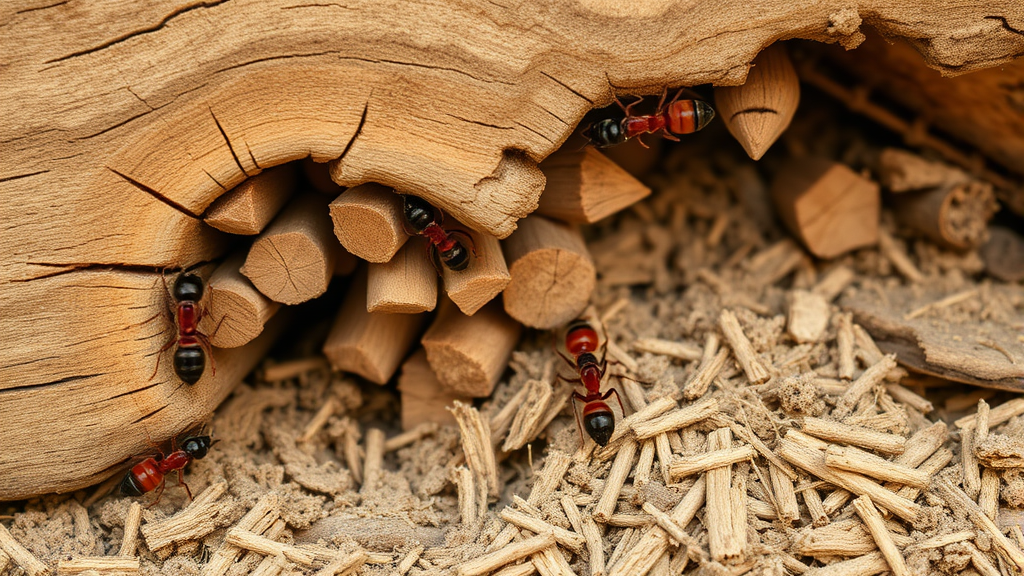
The most distinguishing characteristic of carpenter ants is their behavior around wood. Unlike termites that consume cellulose, carpenter ants excavate wood to create smooth, clean galleries for their nests. You’ll often find small piles of wood shavings, called frass, near their entry points. These shavings appear as fine sawdust mixed with bits of insulation, dead insects, and other debris they’ve cleared from their tunnels.
Carpenter ants also exhibit specific activity patterns that can help with identification. They’re most active during nighttime hours, particularly in the late evening and early morning. During the day, you might notice individual scouts searching for food sources, but the bulk of their activity occurs when the house is quiet. This nocturnal behavior is similar to other household pests, and understanding comprehensive ant control methods can provide valuable insights for your overall pest management strategy.
Signs of Carpenter Ant Infestation
Recognizing the early warning signs of carpenter ant activity can save you thousands of dollars in structural damage. The most obvious indicator is the presence of large, black ants wandering through your home, particularly in areas near moisture sources like kitchens, bathrooms, and basements. However, seeing a few ants doesn’t necessarily indicate a full infestation – carpenter ants often send scouts far from their nests to search for food.
Auditory clues provide some of the most reliable evidence of carpenter ant colonies. When the house is quiet, particularly at night, you may hear faint rustling or scratching sounds coming from within your walls. These sounds indicate active excavation as the ants expand their galleries. Some homeowners describe hearing a crackling sound, similar to cellophane being crumpled, emanating from areas where carpenter ants are working.
Visual evidence includes the aforementioned frass piles, which appear as small mounds of wood shavings and debris. Unlike sawdust from construction activities, frass has an irregular texture and often contains fragments of insulation, dead ant parts, and food remnants. You might also notice small holes in wooden structures, typically about 3-4mm in diameter, which serve as entry and exit points for the colony.
Seasonal patterns also influence carpenter ant behavior. Spring emergence often brings winged reproductive ants, called alates, which indicate a mature colony ready to expand. These winged ants may appear suddenly in large numbers, particularly around windows and light sources, as they attempt to establish new colonies. Similar pest emergence patterns occur with other household invaders, and maintaining clean appliances like learning proper dishwasher maintenance can help eliminate food sources that attract various pests.
Locating Carpenter Ant Nests and Colonies
Successfully eliminating carpenter ants requires locating their primary nest, which often proves to be the most challenging aspect of the entire process. Carpenter ants typically establish their main colony outdoors in dead or decaying wood, such as old stumps, fallen logs, or damaged trees. However, they frequently create satellite colonies indoors, particularly in areas with moisture problems or structural wood damage.
Begin your search by following ant trails, preferably during their most active periods in the evening. Carpenter ants often follow consistent pathways between their nest and food sources, creating worn trails along baseboards, window sills, and other structural elements. Use a flashlight to trace these trails back to their source, paying particular attention to areas where trails disappear into walls or structural elements.
Moisture detection plays a crucial role in nest location since carpenter ants prefer damp or softened wood for excavation. Check areas around plumbing leaks, roof damage, poorly sealed windows, and basement moisture issues. Use a moisture meter to identify areas with elevated humidity levels, as these locations often harbor satellite colonies. Common nesting sites include wall voids near bathrooms, spaces around dishwashers and washing machines, and areas beneath leaking roofs.
Professional pest control experts often use specialized equipment like boroscopes to inspect inside wall cavities and acoustic devices to detect ant activity within structures. However, homeowners can employ simpler detection methods, such as tapping wooden structures with a screwdriver handle to identify hollow areas that might contain galleries. Areas that sound hollow or produce different tones may indicate carpenter ant damage.
Natural and Chemical-Free Elimination Methods
Many homeowners prefer starting with natural, chemical-free approaches when learning how to get rid of carpenter ants, particularly in homes with children, pets, or individuals with chemical sensitivities. These methods can be surprisingly effective when applied consistently and as part of a comprehensive strategy.
Diatomaceous earth (food-grade only) serves as one of the most effective natural carpenter ant treatments. This fine powder, made from fossilized algae, damages the exoskeletons of ants and other insects, leading to dehydration. Apply diatomaceous earth around ant trails, entry points, and suspected nesting areas, but ensure you use only food-grade varieties to avoid health risks. Reapplication is necessary after cleaning or moisture exposure.
Essential oil treatments can repel carpenter ants and disrupt their pheromone trails. Peppermint, tea tree, lemon, and cinnamon oils have shown particular effectiveness. Create spray solutions by mixing 10-15 drops of essential oil with water in a spray bottle, then apply to ant trails, entry points, and areas around suspected nests. While these treatments don’t eliminate existing colonies, they can prevent new infestations and redirect ant traffic away from your home.
Coffee grounds, cinnamon powder, and citrus peels can serve as natural deterrents when placed strategically around entry points and along ant trails. These materials disrupt ant pheromone communication and create barriers that ants prefer to avoid. However, natural deterrents require frequent replacement and work best as part of a broader elimination strategy rather than standalone solutions.
Borax-based baits offer a middle ground between natural and chemical approaches. Mix borax with sugar or honey to create attractive baits that worker ants carry back to their colonies. The borax acts as a slow-acting poison that eliminates not just the workers but also the larvae and queen. Exercise extreme caution with borax around children and pets, as it can be toxic if ingested.
Professional-Grade Chemical Treatments
When natural methods prove insufficient or when dealing with large, established colonies, chemical treatments often provide the most reliable results. Modern ant control products offer targeted approaches that minimize environmental impact while maximizing effectiveness against carpenter ant colonies.
Gel baits represent the most effective chemical treatment for carpenter ants. These products contain slow-acting insecticides mixed with attractive food sources that worker ants carry back to their colonies. The delayed action ensures that the poison reaches the queen and larvae before the workers die, potentially eliminating entire colonies. Popular gel bait brands include EPA-approved formulations that specifically target carpenter ants.
Spray treatments work best for immediate knockdown of visible ants and treating specific areas where nests are located. Professional-grade sprays often contain residual insecticides that continue working for weeks after application. Focus spray treatments on ant trails, entry points, and areas around suspected nests. Always follow label instructions carefully and ensure adequate ventilation during application.
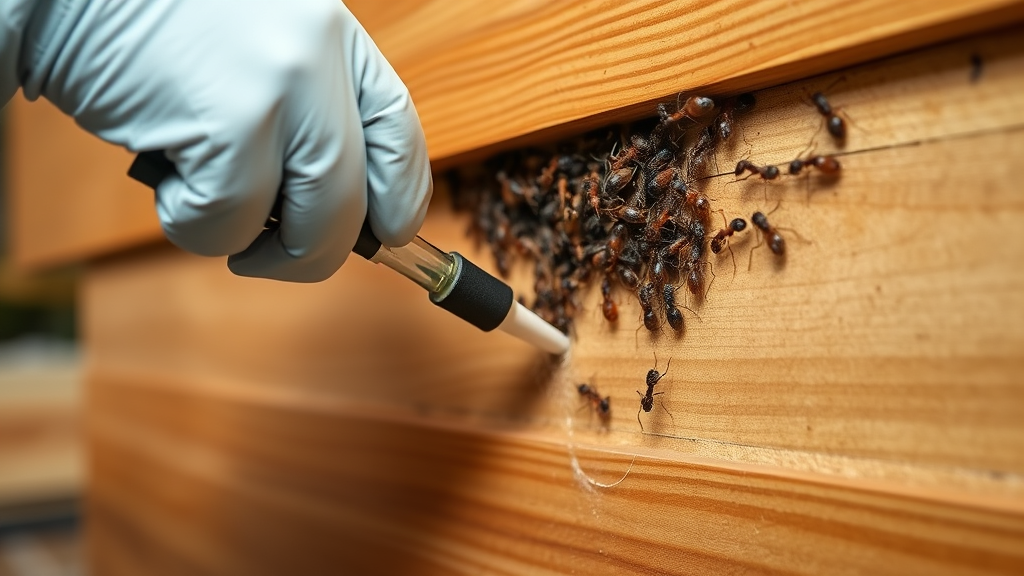
Dust formulations provide excellent penetration into wall voids and other hard-to-reach areas where carpenter ants establish colonies. Professional pest control operators often use specialized dusting equipment to inject insecticidal dust into wall cavities through small holes drilled near suspected nest sites. These treatments offer long-lasting residual effects and can eliminate colonies that other methods cannot reach.
Granular baits work well for outdoor applications, particularly around the foundation of your home and in areas where you suspect primary colonies. These products withstand weather conditions better than gel baits and provide sustained attraction for foraging ants. Apply granular baits according to label directions, typically in small amounts near ant trails and around the exterior of your home.
Long-Term Prevention Strategies
Effective carpenter ant prevention requires addressing the underlying conditions that make your home attractive to these pests. Since carpenter ants prefer moist, damaged wood for nesting, moisture control forms the foundation of any prevention strategy.
Eliminate moisture sources throughout your home by repairing plumbing leaks, improving ventilation in humid areas, and addressing drainage problems around your foundation. Install proper ventilation in crawl spaces, basements, and attics to reduce humidity levels. Consider using dehumidifiers in particularly problematic areas to maintain humidity levels below 50%. Regular maintenance of appliances that use water, such as proper washing machine care, helps prevent the moisture buildup that attracts carpenter ants.
Structural maintenance plays an equally important role in prevention. Replace damaged or rotting wood promptly, particularly around windows, doors, and roof areas. Seal cracks and gaps in your foundation, siding, and around utility penetrations to eliminate potential entry points. Trim tree branches and vegetation away from your home to remove bridges that ants use to access your structure.
Food source elimination requires maintaining clean living spaces and proper food storage practices. Store food in airtight containers, clean up spills immediately, and maintain regular cleaning schedules in kitchens and dining areas. Carpenter ants are particularly attracted to protein sources and sweet substances, so pay special attention to pet food storage and cleanup around food preparation areas.
Regular inspection and monitoring help catch new infestations before they become established. Conduct monthly inspections of your home’s exterior and interior, looking for signs of ant activity, moisture problems, and structural damage. Early detection allows for prompt treatment before colonies become large enough to cause significant damage.
When to Call Professional Exterminators
While many carpenter ant problems can be addressed through DIY methods, certain situations warrant professional intervention. Large, established colonies often require specialized equipment and expertise that exceed typical homeowner capabilities. Professional exterminators have access to commercial-grade products and application methods that provide more reliable results for severe infestations.
Structural damage assessment requires professional evaluation when carpenter ant activity has been ongoing for extended periods. Pest control professionals can work with building inspectors to assess the extent of damage and recommend appropriate repairs. This collaboration ensures that both the pest problem and any structural issues receive proper attention.
Multiple treatment failures indicate the need for professional intervention. If you’ve attempted several DIY approaches without success, professional exterminators can identify factors you might have missed and employ more sophisticated treatment strategies. They also have experience locating hidden colonies that homeowners often cannot find.
Health and safety concerns may necessitate professional treatment, particularly in homes with vulnerable individuals such as young children, pregnant women, or people with respiratory conditions. Professional exterminators can select and apply treatments that minimize health risks while maximizing effectiveness against carpenter ant colonies.
According to CDC guidelines for pest control, professional treatment becomes essential when infestations threaten structural integrity or when chemical treatments pose health risks to occupants. The investment in professional services often proves cost-effective compared to the potential expense of structural repairs from continued carpenter ant damage.
Frequently Asked Questions
How long does it take to completely eliminate carpenter ants?
Complete elimination of carpenter ants typically takes 2-6 weeks with proper treatment methods. The timeline depends on colony size, number of satellite colonies, and treatment approach used. Gel baits often show results within 1-2 weeks as the poison reaches the queen and larvae. However, monitoring should continue for several months to ensure no new colonies emerge from surviving reproductives.
Can carpenter ants cause structural damage to my home?
Yes, carpenter ants can cause significant structural damage over time by excavating galleries through wooden support beams, joists, and other load-bearing elements. Unlike termites that consume wood, carpenter ants remove wood to create nesting spaces, which can weaken structural integrity. Early detection and treatment are crucial to prevent extensive damage that may require costly repairs.
What attracts carpenter ants to homes in the first place?
Carpenter ants are primarily attracted to moisture and damaged wood for nesting sites. Common attractants include plumbing leaks, poor ventilation, roof damage, and wet or rotting wood. They also seek food sources such as protein, sweets, and pet food. Homes with landscaping that touches the structure or tree branches overhanging the roof provide easy access routes for these pests.
Are carpenter ants active year-round?
Carpenter ant activity varies by season and climate. In most regions, they’re most active during spring and summer months when temperatures are warm. During winter, they become dormant in colder climates but may remain active in heated indoor spaces. Spring often brings emergence of winged reproductive ants, indicating mature colonies ready to expand.
What’s the difference between carpenter ants and termites?
Carpenter ants have constricted waists, elbowed antennae, and dark coloration, while termites have straight waists, straight antennae, and are typically lighter colored. Carpenter ants excavate clean, smooth galleries in wood but don’t consume it, whereas termites actually eat wood and create rougher tunnels. The frass (debris) from carpenter ants contains wood shavings and other materials, while termite frass appears as small pellets.
Can I prevent carpenter ants without using chemicals?
Yes, prevention can be achieved primarily through moisture control, structural maintenance, and sanitation practices. Eliminate water sources, repair damaged wood, seal entry points, and maintain clean living spaces. Natural deterrents like diatomaceous earth and essential oils can supplement these prevention strategies. However, severe infestations may require chemical intervention for complete elimination.
How do I know if carpenter ant treatment is working?
Signs of successful treatment include decreased ant activity, absence of new frass piles, and elimination of sounds from within walls. Initial increases in visible ant activity may occur with bait treatments as workers carry poison back to colonies. Complete success is indicated by sustained absence of ant activity for 4-6 weeks after treatment, though monitoring should continue for several months to ensure no new colonies emerge.

Related Posts

How Long to Boil Lobster Tails: Cooking Guide

How Long to Fly from New York to London? Travel Times
