
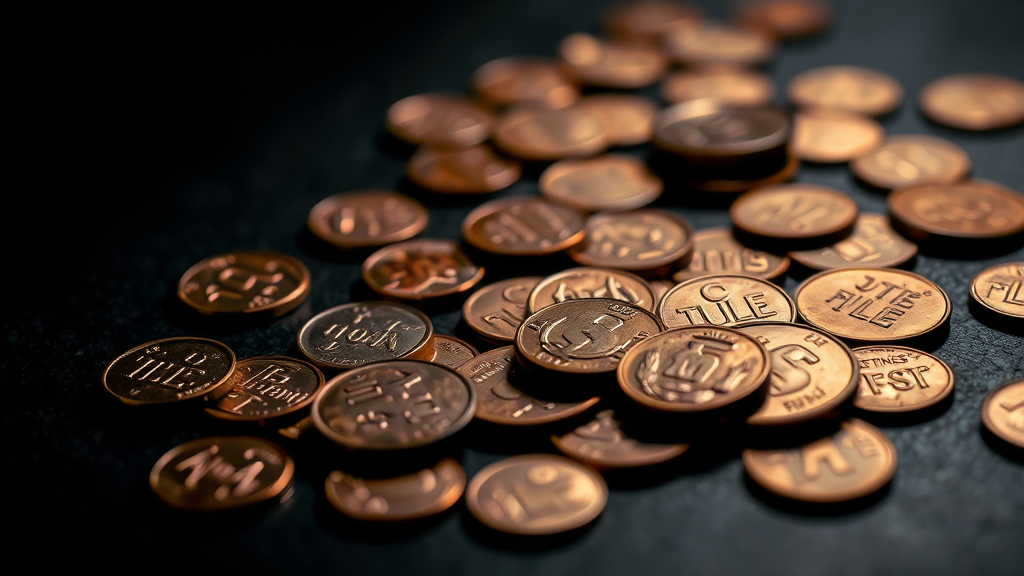
The Surprising Cost Behind Producing a Penny Explained
Have you ever stopped to think about the economics behind the humble penny? While most people consider pennies to be nearly worthless coins that clutter up pockets and drawers, the reality of penny production reveals a fascinating economic paradox. The United States Mint spends significantly more money to produce each penny than the coin is actually worth, creating one of the most ironic situations in modern currency manufacturing.
This surprising cost structure has sparked decades of debate among economists, policymakers, and citizens about whether the penny should continue to exist. Understanding the true cost behind producing a penny involves examining raw materials, manufacturing processes, distribution networks, and the broader economic implications of maintaining this iconic piece of American currency. The numbers might shock you and change how you view those copper-colored coins forever.
Current Production Costs of Making a Penny
According to the United States Mint’s annual report, it currently costs approximately 2.7 cents to produce each penny. This means that for every penny manufactured, the U.S. government loses 1.7 cents, creating a substantial financial burden that accumulates to hundreds of millions of dollars annually. The exact cost fluctuates based on commodity prices, particularly zinc and copper, but has consistently remained above the coin’s face value for over a decade.
The total annual loss from penny production reached $105 million in recent years, with the Mint producing billions of pennies annually to meet circulation demands. This cost includes not only raw materials but also manufacturing equipment, energy consumption, labor, transportation, and administrative overhead. When you consider that many pennies are lost, discarded, or removed from circulation shortly after production, the economic inefficiency becomes even more apparent.
These production costs have made the penny one of the most expensive coins to manufacture relative to its value. While other denominations like nickels also cost more to produce than their face value, the penny’s production cost represents the highest percentage markup of any U.S. coin. Financial experts often compare this to financial instruments that lose value over time, though the penny’s situation is unique in its immediate and consistent loss.
Material Composition and Raw Material Costs
Modern pennies are not made primarily of copper, despite their copper-colored appearance. Since 1982, pennies have consisted of 97.5% zinc with a thin copper plating that gives them their characteristic color. This change was implemented because copper prices had risen to the point where the metal content of a penny was worth more than one cent. The zinc core is coated with approximately 2.5% copper through an electroplating process.
Zinc prices significantly impact penny production costs, as this base metal makes up the vast majority of each coin’s weight. A single penny weighs 2.5 grams, with about 2.4 grams being zinc. Commodity market fluctuations in zinc prices directly affect the U.S. Mint’s expenses, creating volatility in production costs. When zinc prices spike due to global supply chain issues, mining disruptions, or increased industrial demand, penny production becomes even more expensive.
The copper plating, while representing a smaller percentage of the coin’s composition, still contributes meaningfully to costs. Copper prices have historically been volatile, influenced by construction demand, electrical applications, and international trade policies. The electroplating process requires precise copper application to ensure durability and the coin’s recognizable appearance, adding both material and processing costs to production.
Beyond the primary metals, penny production requires various chemicals and materials for the manufacturing process. These include acids for cleaning, plating solutions, and protective coatings. Environmental compliance also adds costs, as the Mint must properly treat and dispose of chemical waste generated during production, following strict Environmental Protection Agency regulations.
The Manufacturing Process and Associated Expenses
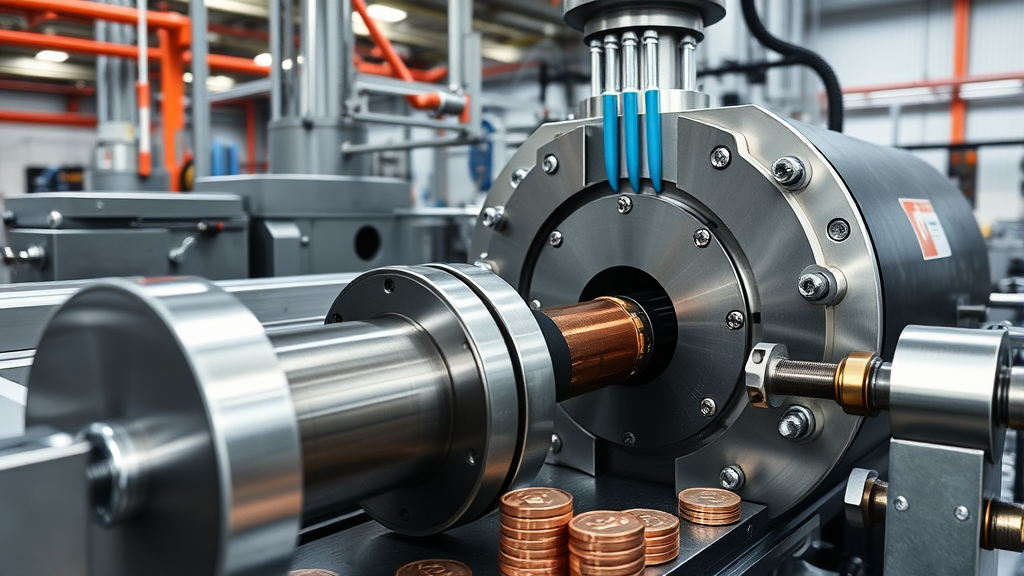
The penny manufacturing process involves multiple complex steps, each contributing to the overall production cost. The process begins with creating zinc blanks, which are punched from large zinc sheets or strips. These blanks must be precisely sized and shaped to meet exact specifications, requiring specialized machinery and quality control measures. Any blanks that don’t meet standards must be recycled or scrapped, adding to material waste costs.
After blank production, the zinc pieces undergo a thorough cleaning process to remove oils, oxidation, and other contaminants that could interfere with copper plating. This cleaning involves chemical baths and rinses, requiring both the chemicals themselves and the energy to heat and maintain the cleaning solutions. The cleaned blanks then move through an electroplating process where copper is deposited onto the zinc surface through an electrical current.
The electroplating stage is particularly energy-intensive and requires careful monitoring to ensure uniform copper coverage. The electrical current must be precisely controlled to achieve the correct thickness of copper plating, typically around 0.005 inches. This process requires specialized equipment, trained operators, and constant quality control testing. Like learning financial procedures, the manufacturing process requires attention to detail and proper technique.
Once plated, the blanks undergo final processing including edge finishing, cleaning, and inspection. The coins are then struck with the penny design using powerful presses that imprint Lincoln’s profile and the various penny reverse designs. These presses require significant energy to operate and regular maintenance to ensure proper coin formation. Quality control inspectors examine samples from each batch to verify that coins meet U.S. Mint standards for appearance, weight, and dimensions.

Historical Trends in Penny Production Costs
The cost to produce pennies has increased dramatically over the past several decades, driven primarily by rising commodity prices and inflation in manufacturing costs. In the 1970s, it cost less than half a cent to produce each penny, making the coin profitable for the government. However, as zinc and copper prices began climbing in the 1980s and 1990s, production costs steadily approached and eventually exceeded the penny’s face value.
The most significant cost increase occurred in the early 2000s when global commodity prices surged due to increased industrial demand, particularly from developing economies. By 2006, penny production costs had risen to 1.4 cents per coin, marking the first time in U.S. history that it cost more to make a penny than the coin was worth. This trend has continued, with costs peaking at over 2.4 cents per penny during periods of high zinc prices.
Attempts to control costs have included exploring alternative materials and manufacturing processes. The U.S. Mint has tested various metal compositions, including steel, aluminum, and different zinc alloys, seeking a combination that would reduce production costs while maintaining the penny’s appearance and functionality in vending machines and other automated devices. However, these alternatives have faced challenges related to public acceptance, durability, and compatibility with existing coin-handling equipment.
Economic research from institutions like the Federal Reserve has tracked these cost trends and their broader economic implications. Studies have shown that the cumulative losses from penny production over the past two decades exceed $1 billion, representing a significant opportunity cost that could have been allocated to other government priorities or deficit reduction.
Economic Impact and Policy Debates
The ongoing losses from penny production have sparked intense debates among policymakers, economists, and the general public about the coin’s future. Proponents of eliminating the penny argue that the production losses represent wasteful government spending and that the coin serves little practical purpose in modern commerce. They point to the success of countries like Canada, which eliminated their penny in 2013 without significant economic disruption.
Opponents of penny elimination raise concerns about potential inflationary effects, arguing that businesses might round prices upward in the absence of one-cent pricing. They also emphasize the penny’s cultural significance and its role in charitable fundraising, where small donations accumulate into meaningful amounts. The zinc industry has been particularly vocal in supporting penny continuation, as penny production represents a significant portion of zinc demand.
The economic impact extends beyond direct production costs to include distribution and handling expenses. Banks, retailers, and businesses spend considerable resources managing penny inventory, counting coins, and processing cash transactions involving pennies. Some economists estimate that the total economic cost of maintaining the penny system, including these indirect costs, far exceeds the direct production losses reported by the U.S. Mint.
Policy proposals have ranged from complete penny elimination to alternative solutions like rounding transactions to the nearest five cents while keeping pennies in circulation. Much like how businesses must understand cost-effective processes in their operations, the government continues to evaluate the most efficient approach to small denomination currency. Congressional hearings have examined various options, but political consensus on penny policy remains elusive.
International Comparisons and Alternative Solutions
Several countries have faced similar decisions about low-value coins and provide valuable case studies for potential U.S. policy changes. Canada’s penny elimination in 2013 offers the most relevant comparison, as their economic and retail systems closely resemble those in the United States. Canadian businesses successfully adapted to cash transaction rounding, while electronic payments remained precise to the cent. Consumer surveys showed minimal impact on shopping behavior or inflation.
Australia eliminated their one and two-cent coins in 1992, implementing a rounding system that has functioned smoothly for over three decades. The European Union has allowed member countries to decide whether to continue producing one and two-cent euro coins, with several nations opting out of production while maintaining the coins’ legal tender status. These international experiences demonstrate that modern economies can function effectively without the smallest denomination coins.
Alternative solutions being studied include changing the penny’s composition to less expensive materials, similar to how other countries have modified their coin compositions over time. Steel-plated coins, aluminum alternatives, and different zinc alloys have all been tested, though each option presents trade-offs between cost savings, durability, and public acceptance. The challenge lies in maintaining the penny’s familiar appearance and ensuring compatibility with existing coin-handling infrastructure.
Some economists propose transitional approaches, such as gradually reducing penny production while allowing existing coins to remain in circulation until they naturally wear out. This approach could reduce immediate production losses while providing time for businesses and consumers to adapt to a penny-free environment. Research from Harvard University suggests that such gradual transitions might minimize economic disruption compared to immediate elimination.
The debate also involves considerations beyond pure economics, including the logistics of implementing changes across millions of businesses and the potential need for extensive public education campaigns. Just as individuals must learn new processes when established methods change, the entire economy would need to adapt to modified small-change handling procedures.
Frequently Asked Questions
How much does it currently cost to make a penny?
It currently costs approximately 2.7 cents to produce each penny, meaning the U.S. government loses 1.7 cents on every penny manufactured. This cost includes raw materials, manufacturing processes, energy, labor, and administrative overhead. The exact cost fluctuates with commodity prices, particularly zinc and copper, but has consistently remained above the penny’s face value for over a decade.
Why does it cost more to make a penny than it’s worth?
The high production cost results from expensive raw materials, complex manufacturing processes, and economies of scale challenges. Pennies are made primarily of zinc with copper plating, and both metals have experienced significant price increases over the past decades. Additionally, the precision required in coin manufacturing, quality control measures, and environmental compliance add substantial costs to the production process.
What materials are used to make modern pennies?
Modern pennies consist of 97.5% zinc with a thin copper plating that makes up the remaining 2.5%. This composition changed in 1982 when copper prices made solid copper pennies too expensive to produce. The zinc core is electroplated with copper to maintain the penny’s traditional appearance while reducing material costs, though production still exceeds the coin’s face value.
How much money does the government lose on penny production annually?
The U.S. government loses over $100 million annually on penny production, with recent years seeing losses of approximately $105 million. This figure represents only the direct production costs and doesn’t include additional expenses related to distribution, storage, and handling throughout the banking system. The cumulative losses over the past two decades exceed $1 billion.
Have other countries eliminated their lowest denomination coins?
Yes, several countries have successfully eliminated their lowest denomination coins. Canada eliminated the penny in 2013, Australia removed one and two-cent coins in 1992, and several European Union countries have stopped producing one and two-cent euro coins. These countries implemented rounding systems for cash transactions while maintaining precision in electronic payments, with minimal economic disruption reported.
What would happen if the U.S. eliminated the penny?
If the U.S. eliminated the penny, cash transactions would likely be rounded to the nearest five cents, while electronic payments would remain precise to the cent. Based on international experiences, the economic impact would probably be minimal, with businesses and consumers adapting quickly. The government would save over $100 million annually in production costs, though some industries like zinc production and coin-operated machines might need to adjust their operations.
Are there alternatives to making pennies less expensive?
The U.S. Mint has explored various alternatives including different metal compositions such as steel, aluminum, and alternative zinc alloys. However, each option presents challenges related to cost effectiveness, durability, public acceptance, and compatibility with existing coin-handling equipment. Some proposals suggest using less expensive materials or manufacturing processes, though none have yet proven both economically viable and practically feasible for large-scale implementation. Learning from approaches like ingredient substitution in other industries, the Mint continues researching cost-effective alternatives while maintaining the penny’s essential characteristics.

Related Posts

How Long to Boil Lobster Tails: Cooking Guide

How Long to Fly from New York to London? Travel Times
