
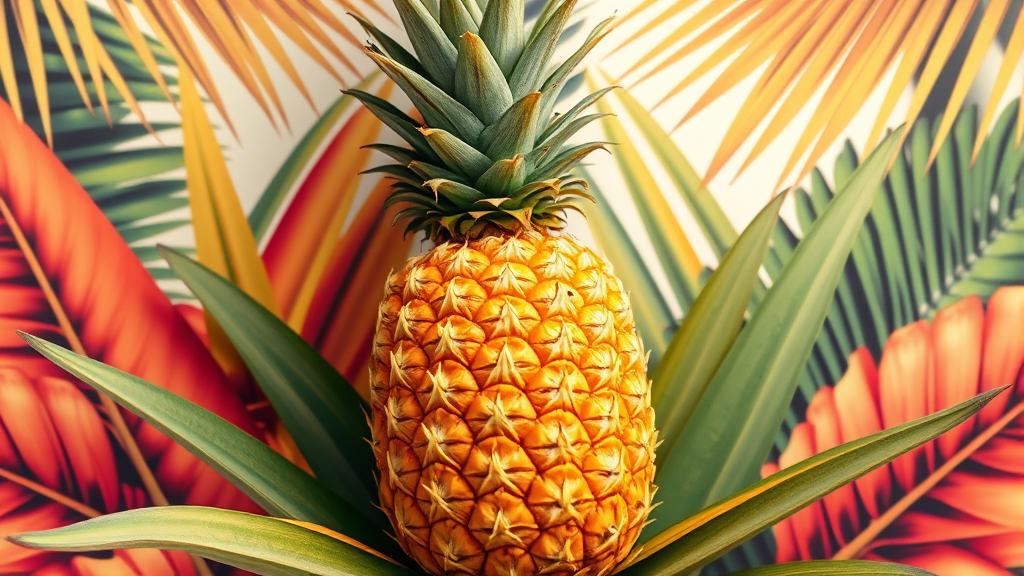
Master the Art of Picking the Perfectly Ripe Pineapple
Selecting a perfectly ripe pineapple can transform your tropical fruit experience from disappointing to delightful. This golden fruit, with its crown of spiky leaves and sweet, tangy flesh, requires specific knowledge to identify peak ripeness. Unlike other fruits that ripen after harvest, pineapples stop ripening once picked, making your selection at the store crucial for optimal flavor and texture.
Understanding how to tell if a pineapple is ripe involves engaging multiple senses and recognizing key visual, tactile, and aromatic indicators. From examining the color patterns and crown condition to testing firmness and detecting that signature sweet fragrance, mastering these techniques ensures you’ll consistently choose pineapples at their peak quality. Whether you’re planning a tropical smoothie, grilling slices for dessert, or enjoying fresh chunks, the right pineapple selection makes all the difference.
Visual Indicators of Pineapple Ripeness
The most obvious way to assess pineapple ripeness is through careful visual inspection. A ripe pineapple displays a golden-yellow color that starts from the bottom and works its way up the fruit. The base should show the deepest golden hue, while the top near the crown may retain some green coloring. This gradual color transition indicates natural ripening progression.
Look for skin that appears vibrant and healthy, without dark spots, bruises, or moldy areas. Small brown spots are acceptable and often indicate peak sweetness, but avoid pineapples with large black or soft spots that suggest overripeness or decay. The eyes (diamond-shaped sections) should be relatively flat and evenly spaced across the surface.
The overall shape should be symmetrical and well-proportioned. A quality ripe pineapple feels heavy for its size, indicating high juice content and proper development. Avoid fruits that appear dried out, wrinkled, or have an irregular shape, as these may indicate poor growing conditions or extended storage.

The Smell Test for Perfect Ripeness
The aromatic test provides one of the most reliable indicators of pineapple ripeness. A perfectly ripe pineapple emits a sweet, tropical fragrance from its base. Turn the fruit upside down and smell the bottom area where it was attached to the plant. This location concentrates the fruit’s natural aromas and provides the clearest scent indication.
A ripe pineapple should smell distinctly sweet and fruity without any fermented, alcoholic, or sour notes. If you detect a strong, overpowering smell or any hint of fermentation, the fruit has likely passed its prime. Conversely, if there’s no detectable aroma, the pineapple probably needs more time to develop its full flavor profile, though remember that store-bought pineapples won’t ripen further.
The intensity of the sweet aroma correlates directly with the fruit’s sugar content and overall ripeness level. A subtle, pleasant sweetness indicates optimal ripeness, while an overwhelming smell suggests the fruit may be overripe and starting to ferment internally.
Touch and Feel Techniques
Physical examination through touch provides crucial information about pineapple ripeness and quality. Gently press the fruit with your palm or fingers, applying light pressure. A ripe pineapple should yield slightly to pressure while maintaining overall firmness. The skin should feel firm but not rock-hard, indicating proper moisture content and cellular structure.
Pay particular attention to the bottom of the pineapple, which should feel slightly soft but not mushy. If the base feels too soft or your finger can easily penetrate the skin, the fruit is overripe and may have begun to deteriorate internally. Similarly, if the entire fruit feels extremely hard and unyielding, it was likely harvested too early.
Run your hands along the sides of the pineapple, feeling for any soft spots, indentations, or irregularities. These imperfections often indicate internal damage or uneven ripening. The surface should feel relatively smooth with the natural texture of the pineapple’s eyes, without any sticky or wet areas that might suggest leaking juices.
Crown and Leaf Examination
The crown of leaves atop the pineapple offers valuable clues about the fruit’s condition and ripeness level. Fresh, green leaves that stand upright indicate a recently harvested, quality pineapple. The leaves should appear vibrant and healthy, without browning, wilting, or dry edges that suggest extended storage or poor handling.
Test the crown’s attachment by gently trying to pull out one of the center leaves. If a leaf comes out easily with minimal resistance, this often indicates proper ripeness. However, if leaves pull out too easily or feel mushy, the fruit may be overripe. Conversely, if the leaves are extremely difficult to remove or feel very stiff, the pineapple might not have reached optimal ripeness.
Examine the crown for any signs of mold, dark spots, or pest damage. A healthy crown should be proportionate to the fruit size and securely attached. Some grocery stores remove damaged outer leaves, so don’t be alarmed if the crown appears slightly trimmed, but ensure the remaining leaves look fresh and healthy.

Sound and Tap Methods
While less commonly known, the sound test can provide additional confirmation of pineapple ripeness. Gently tap the pineapple with your knuckles, similar to testing a watermelon. A ripe pineapple typically produces a solid, somewhat hollow sound that indicates proper juice content and internal structure.
An overripe pineapple may sound dull or muffled when tapped, suggesting that the internal structure has begun to break down. Conversely, an underripe pineapple often produces a higher-pitched, more solid sound indicating dense, less developed flesh.
This method requires some practice and isn’t as reliable as visual, aromatic, and tactile tests, but it can serve as a useful supplementary technique when combined with other assessment methods. The USDA recommends using multiple indicators rather than relying on any single test for fruit selection.
Proper Storage and Handling
Once you’ve selected a perfectly ripe pineapple, proper storage becomes crucial for maintaining quality and extending usability. Store whole, uncut ripe pineapples at room temperature for immediate consumption within 2-3 days. For longer storage, refrigerate the whole fruit, which can extend freshness for up to a week.
When storing cut pineapple, place pieces in an airtight container and refrigerate immediately. Fresh pineapple chunks will maintain quality for 3-5 days when properly stored. Similar to other fresh produce like learning how to clean strawberries, proper handling prevents contamination and extends shelf life.
Avoid storing pineapples in plastic bags at room temperature, as this can trap moisture and accelerate spoilage. If you need to transport a pineapple, handle it carefully to avoid bruising, which can lead to rapid deterioration of the fruit’s quality and flavor.
Common Mistakes to Avoid
Many people make critical errors when selecting pineapples, leading to disappointment with their purchase. One of the most common mistakes is assuming that a completely green pineapple will ripen at home. Unlike fruits such as bananas that continue ripening after harvest, pineapples cease the ripening process once picked, making store selection vital.
Another frequent error involves choosing pineapples based solely on size, assuming larger fruits are automatically better. Size doesn’t necessarily correlate with ripeness or quality. Focus on the indicators discussed above rather than selecting the biggest available option. Just as with other food items like knowing how to tell if eggs are good, multiple quality indicators provide better assessment than single characteristics.
Avoid pineapples with dark or soft spots, regardless of other positive indicators. These blemishes often indicate internal spoilage that can affect the entire fruit. Additionally, don’t purchase pineapples with dried-out crowns or those that smell fermented, as these signs suggest the fruit is past its prime.
Many shoppers also make the mistake of not checking the bottom of the fruit, which often shows the first signs of overripeness or spoilage. Always examine the entire pineapple, including areas that might not be immediately visible, such as the base and sides hidden by the display arrangement.
Frequently Asked Questions
How long does it take for a pineapple to ripen after purchasing?
Pineapples do not continue to ripen after being harvested, unlike other tropical fruits. If you purchase an unripe, green pineapple, it will not develop additional sweetness or improve in flavor. The fruit may soften slightly at room temperature, but this doesn’t indicate true ripening. Always select a pineapple that shows signs of ripeness at the time of purchase.
Can I eat a pineapple that’s slightly underripe?
Yes, you can eat a slightly underripe pineapple, though it will be more tart and less sweet than a fully ripe one. The texture may also be firmer and more fibrous. Some people actually prefer this tartness for cooking applications or smoothies. However, very unripe pineapples can be quite acidic and may cause mouth irritation. Research from the National Center for Biotechnology Information indicates that unripe pineapples contain higher levels of bromelain, which can be harsh on sensitive mouths.
What should I do if my pineapple is overripe?
If your pineapple is slightly overripe but not spoiled, you can still use it in cooking applications such as smoothies, baked goods, or grilled preparations. Cut away any soft or dark spots before using. However, if the fruit shows signs of fermentation, mold, or extensive soft spots, it’s best to discard it for food safety reasons. Overripe pineapple works well in recipes where the fruit will be cooked or blended.
How can I tell if a cut pineapple has gone bad?
Cut pineapple that has spoiled will show several warning signs: a sour or fermented smell, slimy texture, dark or moldy spots, and an off taste. Fresh cut pineapple should maintain its bright yellow color and sweet aroma. If the pieces feel mushy or have developed a white film, discard them immediately. Similar to checking how to tell if eggs are bad, trust your senses when evaluating food safety.
Is it better to buy pre-cut pineapple or whole fruit?
Whole pineapples generally offer better value, freshness, and flavor compared to pre-cut options. When you buy whole fruit, you can assess ripeness using all the indicators discussed in this article. Pre-cut pineapple loses vitamin content more quickly and may have been sitting in packaging for several days. However, pre-cut options offer convenience and can be suitable if you plan to consume them within 1-2 days of purchase.
Why does my pineapple taste bland even though it looked ripe?
Several factors can cause a visually ripe pineapple to taste bland. The fruit may have been harvested too early and never developed full sugar content, or it may have been stored improperly, causing flavor deterioration. Some pineapple varieties are naturally less sweet than others. Additionally, if the fruit was exposed to cold temperatures during shipping or storage, this can affect flavor development. The FDA provides guidelines on proper fruit handling that can help maintain quality.
Can I ripen a pineapple faster using any methods?
Unlike other fruits such as learning how to ripen bananas fast, there are no effective methods to ripen a pineapple after harvest. Placing it in a paper bag with other fruits, leaving it at room temperature, or other common ripening techniques will not increase the sugar content or improve flavor. The best approach is to select a properly ripe pineapple at the time of purchase. Some people report that storing the pineapple upside down can help distribute sugars more evenly, but this doesn’t actually ripen the fruit.

Related Posts

How Long to Boil Lobster Tails: Cooking Guide

How Long to Fly from New York to London? Travel Times
