
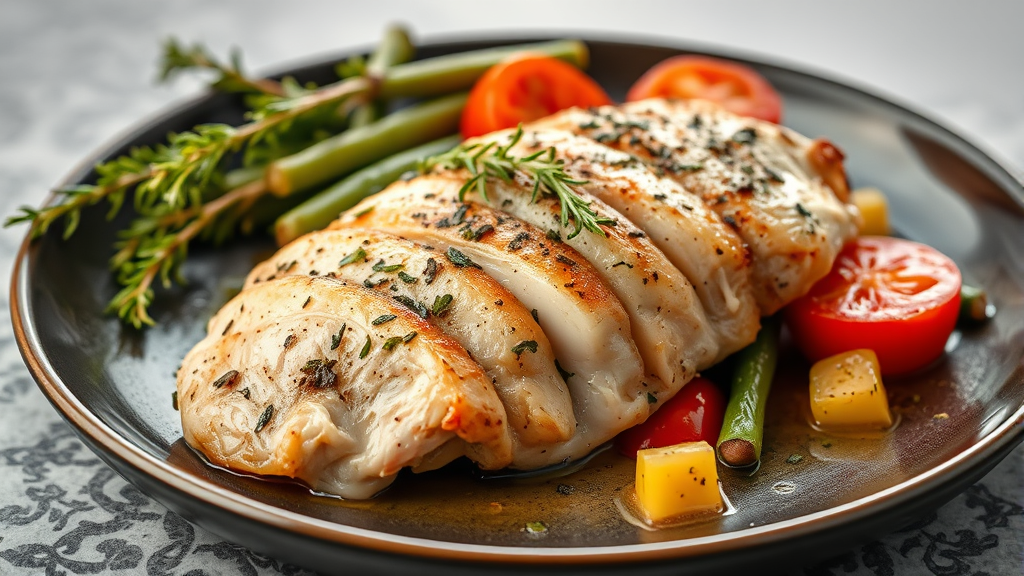
Master the Art of Crafting Perfectly Tender Lean Meals
Creating perfectly tender lean meals is both an art and a science that requires understanding the unique characteristics of lean proteins and the techniques needed to maximize their flavor and texture. Unlike their fattier counterparts, lean meats demand special attention to prevent them from becoming dry, tough, or flavorless. The challenge lies in retaining moisture while developing rich, satisfying flavors that make lean eating enjoyable rather than a chore.
Mastering lean meal preparation opens up a world of healthy, delicious possibilities that support weight management, muscle building, and overall wellness goals. Whether you’re working with chicken breast, lean cuts of beef, pork tenderloin, or fish, the principles of proper preparation remain consistent. The key is learning how to work with these proteins’ natural characteristics rather than against them, using techniques that enhance their inherent qualities while compensating for their lower fat content.
Understanding Lean Proteins and Their Challenges
Lean proteins are defined as cuts of meat, poultry, or fish that contain less than 10 grams of total fat, 4.5 grams or less of saturated fat, and fewer than 95 milligrams of cholesterol per 3.5-ounce serving. These proteins include chicken breast, turkey breast, lean cuts of beef like eye of round and top sirloin, pork tenderloin, and most fish varieties. While these proteins are excellent for health-conscious individuals, they present unique cooking challenges due to their low fat content.
The primary challenge with lean proteins is their tendency to dry out quickly during cooking. Fat acts as a natural moisturizer and flavor carrier in meat, so when it’s absent, the protein fibers can become tight and chewy. Additionally, lean meats often have less marbling, which means fewer natural flavor compounds are present. This requires cooks to be more strategic about seasoning, cooking temperature, and timing to achieve optimal results.
Understanding the structure of lean proteins is crucial for success. These cuts typically have tighter muscle fibers and less connective tissue, which means they benefit from different preparation methods than tougher, fattier cuts. The key is to use techniques that break down or tenderize these fibers while introducing moisture and flavor from external sources.
Essential Techniques for Tender Lean Meals
The foundation of perfectly tender lean meals lies in mastering several key techniques that work together to transform potentially dry proteins into succulent, flavorful dishes. The first and most important technique is proper temperature control. Unlike fattier cuts that can withstand higher temperatures, lean proteins require precise heat management to prevent overcooking.
Mechanical tenderization is another crucial technique for lean meats. This involves physically breaking down the muscle fibers through methods like pounding, scoring, or using a meat tenderizer. When pounding chicken breasts or pork tenderloin, aim for even thickness to ensure uniform cooking. Use a meat mallet or the flat side of a knife handle, working gently to avoid creating holes in the protein.
Salt curing, also known as dry brining, is particularly effective for lean proteins. By salting the meat 40 minutes to 24 hours before cooking, you allow the salt to penetrate the muscle fibers, breaking down proteins and helping the meat retain moisture during cooking. Use about 1/2 teaspoon of kosher salt per pound of protein, and let it rest at room temperature for shorter periods or in the refrigerator for longer curing times.
The concept of carryover cooking is essential when working with lean proteins. These cuts continue cooking even after removed from heat, so pulling them 5-10 degrees before your target temperature prevents overcooking. Invest in a reliable instant-read thermometer to monitor internal temperatures accurately, as visual cues alone can be misleading with lean cuts.
Marinating Methods That Transform Lean Proteins
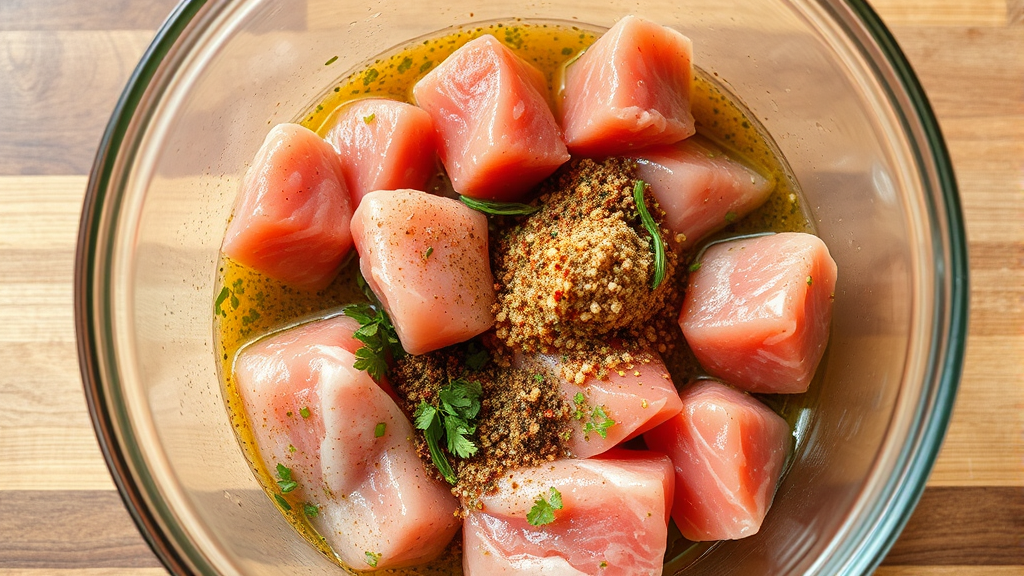
Marinating is perhaps the most transformative technique for lean proteins, serving multiple purposes: tenderizing tough fibers, adding moisture, and infusing flavor throughout the meat. The science behind effective marinating lies in understanding how different ingredients interact with protein structures.
Acidic marinades containing ingredients like citrus juice, vinegar, wine, or yogurt work by partially denaturing proteins, making them more tender. However, acid can also make proteins tough if used in excess or for too long. For lean cuts, limit acidic marinades to 2-4 hours for delicate proteins like fish and chicken, and up to 8 hours for denser cuts like lean beef.
Enzymatic marinades use natural enzymes from ingredients like pineapple (bromelain), papaya (papain), or ginger to break down protein structures. These are particularly effective for very lean cuts but require careful timing as over-marinating can create a mushy texture. Use enzymatic marinades for 30 minutes to 2 hours maximum.
Oil-based marinades are excellent for lean proteins as they provide the fat content these cuts naturally lack. Combine olive oil with herbs, spices, and aromatics to create flavorful coatings that help retain moisture during cooking. The oil also helps distribute fat-soluble flavors throughout the protein.
When creating marinades, balance is key. A successful marinade typically contains an acid component (15-20%), oil (20-30%), aromatics like garlic and herbs, and seasonings. Always marinate in non-reactive containers like glass or food-grade plastic, and never reuse marinades that have contacted raw meat without boiling them first.
Optimal Cooking Methods for Maximum Tenderness
The cooking method you choose can make or break your lean protein preparation. Each technique offers different advantages and requires specific considerations to achieve optimal results with low-fat cuts.
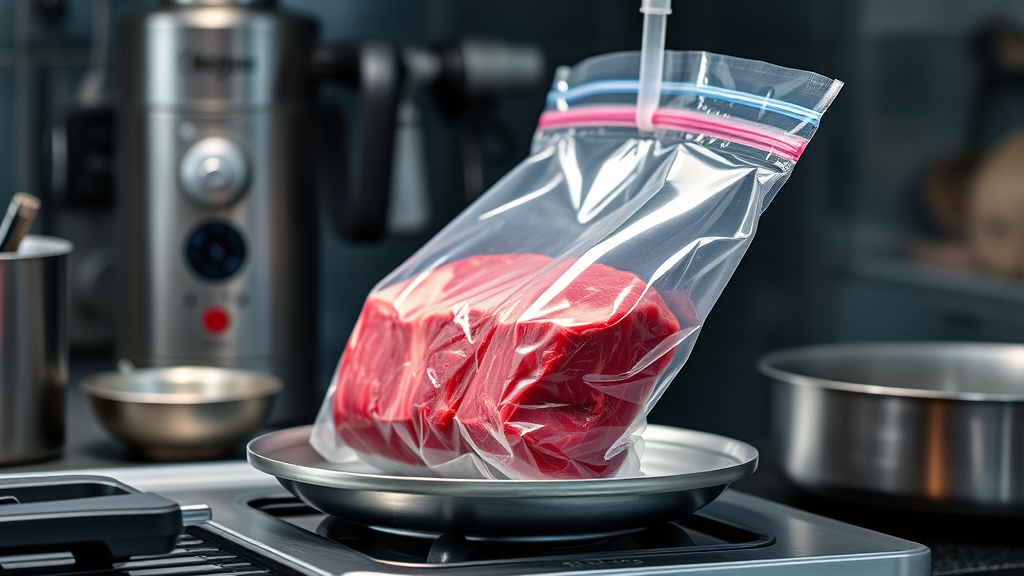
Sous vide cooking has revolutionized lean protein preparation by allowing precise temperature control and extended cooking times at low temperatures. This method ensures proteins reach the perfect doneness throughout while retaining maximum moisture. For chicken breast, cook at 140°F for 1-2 hours; for lean beef cuts, 130-135°F for 2-4 hours produces incredibly tender results.
Pan-searing with the reverse sear method works excellently for thicker lean cuts. Start by cooking the protein in a low oven (250-275°F) until it reaches about 10 degrees below target temperature, then finish with a hot sear in a cast-iron pan. This method provides even cooking throughout with a beautiful crust.
Braising and slow cooking are ideal for tougher lean cuts that benefit from longer, moist cooking methods. Even lean cuts can become incredibly tender when cooked slowly in flavorful liquids. This technique works particularly well with lean cuts of beef that might otherwise be challenging to prepare.
Grilling lean proteins requires special attention to prevent drying. Use a two-zone fire setup, starting proteins over indirect heat and finishing over direct heat for attractive grill marks. Keep a spray bottle with water or broth nearby to maintain moisture during cooking.
Flavor Enhancement Strategies
Since lean proteins have less natural flavor than their fattier counterparts, developing compelling taste profiles requires strategic flavor layering. This involves building flavors at multiple stages of preparation and cooking.
Compound butters and flavored oils serve as excellent finishing touches for lean proteins. Create herb butters with fresh herbs, garlic, and lemon zest, or infuse oils with spices and aromatics. These additions provide the rich mouthfeel that lean proteins naturally lack while delivering intense flavor.
Spice rubs and dry seasonings should be applied generously to lean proteins, as their low fat content means less flavor adherence. Create complex spice blends using both aromatic spices like cumin and coriander and heat-providing spices like paprika and chili powder. Apply rubs 30 minutes to 2 hours before cooking for maximum penetration.
Pan sauces made from cooking fond are invaluable for lean protein dishes. After cooking your protein, deglaze the pan with wine, stock, or even water to dissolve the browned bits. Reduce the liquid and finish with butter or cream for richness. These sauces provide moisture and intense flavor that complement the clean taste of lean proteins.
Pairing lean proteins with complementary ingredients enhances the overall meal experience. Consider serving with white rice for a complete protein combination, or incorporating rich elements like avocado, nuts, or cheese in appropriate portions to balance the meal’s overall fat content.
Meal Planning and Preparation Tips
Successful lean meal preparation extends beyond cooking techniques to encompass strategic planning and preparation methods that ensure consistently excellent results. Meal planning for lean proteins requires consideration of storage, preparation timing, and flavor development.
Batch preparation techniques can save time while ensuring optimal results. Marinate multiple portions of lean proteins simultaneously, using different flavor profiles to create variety throughout the week. Vacuum-sealed bags work excellently for this purpose, allowing marinades to penetrate effectively while preventing cross-contamination.
Proper storage is crucial for maintaining lean protein quality. These cuts are more susceptible to freezer burn and quality degradation than fattier meats. Wrap portions individually in plastic wrap before placing in freezer bags, removing as much air as possible. Label with preparation dates and cooking instructions for easy meal planning.
Pre-cooking preparation can streamline weeknight meal preparation. Pound and season proteins during weekend prep sessions, storing them ready-to-cook in the refrigerator. This advance preparation allows flavors to develop while reducing weeknight cooking time.
Consider complementary preparation methods for complete meals. While your protein cooks, prepare supporting elements like self-rising flour biscuits or desserts using powdered sugar to create well-rounded meals that satisfy without relying solely on protein for satiation.
Common Mistakes to Avoid
Understanding common pitfalls in lean protein preparation helps ensure consistent success and prevents the frustrating experience of dry, flavorless meals that often discourage people from maintaining healthy eating habits.
The most frequent mistake is overcooking lean proteins. Unlike fattier cuts that remain relatively forgiving at higher temperatures, lean proteins quickly become dry and tough when overcooked. Always use a thermometer and remember that carryover cooking will raise the internal temperature by 5-10 degrees after removal from heat.
Insufficient seasoning is another common error. Lean proteins require more aggressive seasoning than fattier cuts because they lack the natural flavor-carrying capacity of fat. Don’t be afraid to use generous amounts of salt, herbs, and spices, applying them well in advance when possible.
Neglecting rest periods both before and after cooking significantly impacts final results. Allowing seasoned proteins to come to room temperature before cooking ensures even heating, while resting cooked proteins allows juices to redistribute, preventing them from running out when cut.
Choosing inappropriate cooking methods for specific cuts leads to disappointing results. Very lean cuts like chicken breast benefit from gentle cooking methods, while slightly tougher lean cuts may require longer, slower cooking to achieve tenderness. Match your cooking method to the specific characteristics of your protein.
According to the USDA’s food safety guidelines, proper temperature control is essential not only for food safety but also for optimal texture and flavor development in lean proteins.
Frequently Asked Questions
How long should I marinate lean proteins for optimal tenderness?
Marinating time depends on the type of protein and marinade composition. For delicate lean proteins like fish and chicken breast, 30 minutes to 4 hours is typically sufficient. Denser lean cuts like pork tenderloin or lean beef can benefit from 4-24 hours of marinating. Acidic marinades should be limited to shorter timeframes to prevent the protein from becoming mushy, while oil-based marinades can be used for longer periods safely.
What’s the best way to prevent lean proteins from drying out during cooking?
The key to preventing dryness is controlling temperature and cooking time precisely. Use a meat thermometer to monitor internal temperature, and remove proteins 5-10 degrees before your target temperature to account for carryover cooking. Additionally, techniques like brining, marinating, and finishing with compound butter or pan sauces help maintain moisture throughout the cooking process.
Can I use the same cooking methods for all types of lean proteins?
While the principles remain similar, different lean proteins require slight adjustments in technique. Fish cooks much faster than poultry or meat and requires gentler heat. Chicken breast benefits from pounding to even thickness, while lean beef cuts may need longer marinating times. Always consider the specific characteristics of your protein when selecting cooking methods and timing.
How do I know when lean proteins are perfectly cooked?
The most reliable method is using an instant-read thermometer. Target temperatures are: chicken breast 165°F, pork tenderloin 145°F, lean beef cuts 130-135°F for medium-rare to medium. Visual cues alone can be misleading with lean proteins, as they may appear done on the outside while remaining undercooked inside, or conversely, may look underdone when actually perfectly cooked.
What are the best flavor combinations for lean proteins?
Lean proteins pair excellently with bright, acidic flavors like citrus, vinegar-based sauces, and fresh herbs. Mediterranean combinations like lemon, garlic, and oregano work well, as do Asian-inspired flavors like ginger, soy sauce, and sesame oil. The key is balancing the clean taste of lean proteins with bold flavors that don’t overpower their natural characteristics.
Is it necessary to let lean proteins rest before cooking?
Yes, allowing lean proteins to come to room temperature before cooking is crucial for even heating. Remove proteins from refrigeration 15-30 minutes before cooking, depending on thickness. This prevents the exterior from overcooking while the interior remains cold, which is particularly important for lean cuts that cook quickly and can become tough if heated unevenly.
How can I add richness to lean protein dishes without adding unhealthy fats?
Focus on healthy fat sources like olive oil, avocado, nuts, and seeds in appropriate portions. Techniques like creating herb oils, using small amounts of heavy cream in pan sauces, or finishing with a small amount of high-quality butter can add richness without significantly impacting the overall healthiness of the meal. The American Heart Association provides excellent guidance on incorporating healthy fats into lean meal preparations.

Related Posts

How Long to Boil Lobster Tails: Cooking Guide

How Long to Fly from New York to London? Travel Times
