
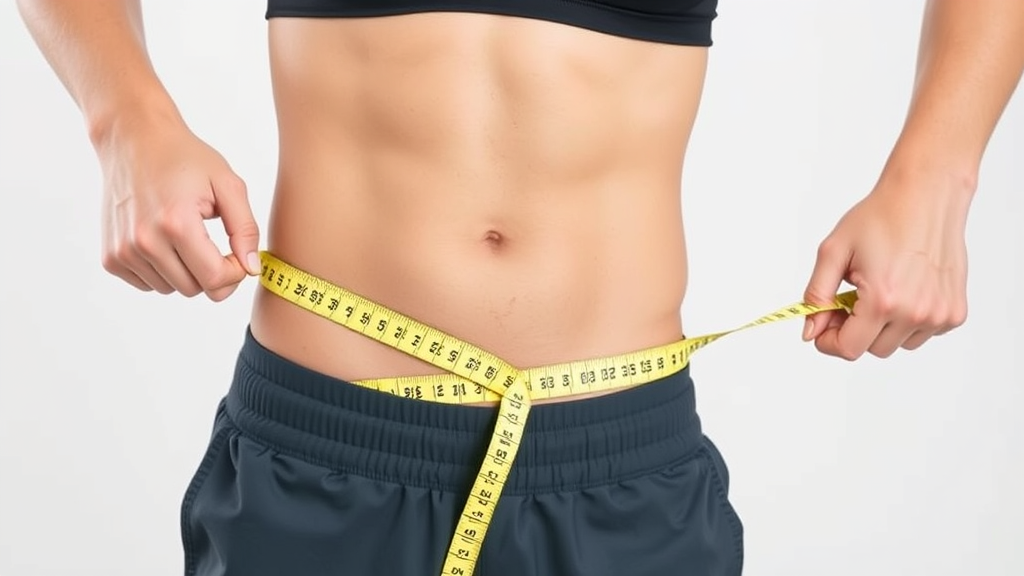
Banish Love Handles: Proven Strategies for a Sleeker Waistline
Love handles – those stubborn pockets of fat that accumulate around the sides of your waistline – are among the most frustrating areas to target when trying to achieve a sleeker physique. Despite their endearing name, these deposits of excess fat can significantly impact your confidence and overall body composition. The good news is that with the right combination of targeted strategies, dietary modifications, and lifestyle changes, you can effectively reduce love handles and achieve the streamlined waistline you desire.
Understanding how to get rid of love handles requires a comprehensive approach that goes beyond simple spot reduction exercises. While you cannot selectively burn fat from specific areas of your body, you can implement proven strategies that promote overall fat loss while strengthening your core muscles to create a more defined and toned appearance around your midsection.
Understanding Love Handles and Their Causes
Love handles, scientifically known as adipose tissue accumulation in the oblique region, develop due to a combination of factors including genetics, hormonal imbalances, poor dietary habits, and sedentary lifestyle choices. These fat deposits typically form when your body consistently consumes more calories than it burns, leading to excess energy being stored as fat in various areas, including the flanks and lower back region.
The accumulation of fat around the waistline is particularly influenced by cortisol levels, the stress hormone that can promote abdominal fat storage. Additionally, insulin resistance and metabolic dysfunction can contribute to stubborn fat deposits that seem resistant to traditional diet and exercise approaches. Understanding these underlying mechanisms is crucial for developing an effective strategy to combat love handles.
Genetics also play a significant role in determining where your body preferentially stores fat. Some individuals are genetically predisposed to accumulate fat around their midsection, while others may store it in their hips, thighs, or arms. However, regardless of your genetic predisposition, implementing the right strategies can help you achieve significant improvements in your waistline appearance.

Nutrition Strategies for Fat Loss
The foundation of any successful love handle reduction program lies in creating a sustainable caloric deficit through proper nutrition. This doesn’t mean starving yourself or following extreme diet protocols, but rather making intelligent food choices that support fat loss while maintaining muscle mass and metabolic health.
Focus on consuming whole, unprocessed foods that provide essential nutrients while keeping you satiated. Lean proteins such as chicken breast, fish, eggs, and legumes should form the cornerstone of your diet, as they help preserve muscle mass during fat loss and have a high thermic effect, meaning your body burns more calories digesting them. Incorporating complex carbohydrates like quinoa, sweet potatoes, and oats will provide sustained energy for your workouts while avoiding blood sugar spikes that can promote fat storage.
Healthy fats from sources like avocados, nuts, seeds, and olive oil are essential for hormone production and nutrient absorption. Contrary to popular belief, dietary fat doesn’t directly cause body fat accumulation – excess calories do. Including adequate healthy fats in your diet can actually support fat loss by improving satiety and metabolic function.
Portion control is equally important as food quality. Learning how to measure waist circumference can help you track progress beyond just the number on the scale. Consider using smaller plates, measuring your portions initially, and practicing mindful eating to develop a better relationship with food and prevent overeating.
Effective Exercises for Core Strengthening
While spot reduction is a myth, targeted exercises can strengthen and tone the muscles underneath love handles, creating a more defined appearance as overall body fat decreases. The key is to focus on compound movements that engage multiple muscle groups while incorporating specific core exercises that target the obliques and transverse abdominis.
Planks and their variations are excellent foundational exercises for core stability and strength. Start with basic forearm planks, holding for 30-60 seconds, then progress to side planks that specifically target the oblique muscles. Russian twists, performed with proper form and controlled movement, can help strengthen the rotational muscles of the core while improving definition.
Compound exercises like deadlifts, squats, and overhead presses are incredibly effective for overall fat loss and core strengthening. These movements require significant core stabilization and burn more calories than isolation exercises. Deadlifts, in particular, are excellent for strengthening the entire posterior chain while engaging the deep core muscles that support spinal stability.
High-intensity interval training (HIIT) workouts can be particularly effective for burning calories and promoting fat loss. Incorporating exercises like mountain climbers, burpees, and bicycle crunches into circuit-style workouts can maximize calorie burn while strengthening the core muscles. The afterburn effect from HIIT workouts means you’ll continue burning calories hours after your workout is complete.

Lifestyle Modifications for Optimal Results
Beyond diet and exercise, several lifestyle factors significantly impact your ability to lose love handles and maintain a lean waistline. Sleep quality and duration play crucial roles in hormone regulation, particularly cortisol and growth hormone, which directly affect fat storage and muscle recovery.
Aim for 7-9 hours of quality sleep per night to optimize your body’s natural fat-burning processes. Poor sleep can disrupt leptin and ghrelin levels, hormones that regulate hunger and satiety, leading to increased appetite and cravings for high-calorie foods. Establishing a consistent sleep schedule and creating a relaxing bedtime routine can significantly improve your sleep quality.
Stress management is equally important, as chronic stress elevates cortisol levels, promoting abdominal fat storage. Incorporate stress-reduction techniques such as meditation, yoga, deep breathing exercises, or regular nature walks into your daily routine. Finding healthy outlets for stress can prevent emotional eating and reduce the physiological factors that contribute to love handle formation.
Hydration plays an often-overlooked role in fat loss and overall health. Drinking adequate water supports metabolic function, helps control appetite, and can improve workout performance. Aim for at least 8-10 glasses of water daily, and consider drinking a glass before meals to promote satiety and prevent overeating.
According to the Centers for Disease Control and Prevention, gradual weight loss of 1-2 pounds per week is most sustainable and healthy for long-term success.
Creating a Comprehensive Workout Plan
Developing a structured workout plan that combines cardiovascular exercise, strength training, and core-specific movements is essential for maximizing love handle reduction. Your program should be progressive, challenging, and sustainable to ensure long-term adherence and continued results.
Structure your weekly routine to include 3-4 strength training sessions focusing on compound movements, 2-3 cardio sessions of varying intensities, and daily core work that can be integrated into your existing workouts or performed as standalone sessions. This approach ensures you’re burning calories through cardio, building muscle through resistance training, and specifically targeting the core muscles that will become more visible as body fat decreases.
Progressive overload is crucial for continued improvement. Gradually increase the weight, repetitions, or duration of your exercises to challenge your body and prevent adaptation plateaus. Keep detailed records of your workouts, including exercises performed, weights used, and repetitions completed, to track your progress and ensure consistent advancement.
Incorporate functional movements that mimic real-life activities to improve overall strength and stability. Exercises like farmer’s walks, Turkish get-ups, and rotational movements can enhance core strength while improving practical fitness. These movements also engage stabilizing muscles that traditional exercises might miss, contributing to better overall core development.
For those pursuing physically demanding careers like how to become a firefighter, developing core strength and reducing excess abdominal fat can be particularly important for job performance and safety requirements.
Tracking Progress and Staying Motivated
Monitoring your progress goes beyond simply stepping on a scale, as weight can fluctuate due to various factors including water retention, muscle gain, and hormonal changes. Implementing multiple tracking methods provides a more comprehensive view of your transformation and helps maintain motivation during challenging periods.
Take body measurements regularly, including waist circumference, hip circumference, and body fat percentage if possible. Progress photos taken from multiple angles under consistent lighting conditions can reveal changes that measurements might miss. Consider taking photos weekly or bi-weekly in the same location and wearing similar clothing to accurately assess visual changes.
Keep a detailed food diary to identify patterns and potential areas for improvement. Many smartphone apps can help track calories, macronutrients, and meal timing, making it easier to maintain consistency and identify successful strategies. This data can be invaluable for making adjustments when progress stalls.
Performance metrics such as strength gains, endurance improvements, and exercise progression can provide motivation beyond aesthetic changes. Celebrating non-scale victories like lifting heavier weights, running longer distances, or improving flexibility can help maintain enthusiasm for your fitness journey.
Research from Harvard Health Publishing emphasizes the importance of waist circumference as a health indicator, making love handle reduction beneficial for both appearance and overall wellness.
Setting realistic expectations and timeline goals is crucial for long-term success. Sustainable fat loss typically occurs at a rate of 1-2 pounds per week, and visible changes in problem areas like love handles may take several weeks or months to become apparent. Focus on the process rather than just the outcome, celebrating small victories and maintaining consistency even when progress seems slow.
Frequently Asked Questions
How long does it take to lose love handles?
The timeline for losing love handles varies significantly based on factors such as starting body composition, genetics, adherence to diet and exercise protocols, and individual metabolic rate. Most people begin to notice changes within 4-6 weeks of consistent effort, with more dramatic results typically visible after 8-12 weeks. However, completely eliminating stubborn love handles may take several months of dedicated effort, particularly for individuals with higher initial body fat percentages.
Can you spot reduce fat from love handles?
No, spot reduction is not physiologically possible. When you lose fat, it comes off from all areas of your body simultaneously, though some areas may appear to lose fat faster than others due to genetic factors and fat distribution patterns. The most effective approach is to create an overall caloric deficit through diet and exercise while strengthening the underlying muscles through targeted core exercises.
What foods should I avoid to lose love handles?
Focus on avoiding highly processed foods, sugary drinks, refined carbohydrates, and trans fats, which can contribute to inflammation and fat storage. Limit alcohol consumption, as it can slow fat metabolism and contribute to abdominal fat accumulation. Instead of completely eliminating foods, focus on portion control and choosing nutrient-dense options. For example, when preparing healthy meals, knowing how to clean strawberries properly or how to make white rice can help you incorporate wholesome ingredients into your diet.
Are love handles more difficult to lose than other body fat?
Love handles can be particularly stubborn due to the type of fat stored in this area and reduced blood flow compared to other regions. The flanks often contain a higher proportion of alpha-2 receptors, which can make fat mobilization more challenging. However, with consistent effort and the right approach combining diet, exercise, and lifestyle modifications, love handles can be successfully reduced.
Do genetics play a role in love handle formation?
Yes, genetics significantly influence where your body stores fat and how easily you can lose it from specific areas. Some people are genetically predisposed to store more fat around their midsection, while others may accumulate it in different areas. However, regardless of genetic predisposition, implementing proper nutrition and exercise strategies can help anyone achieve significant improvements in their body composition.
What’s the best cardio for losing love handles?
The most effective cardio for fat loss is the type you can perform consistently over time. High-intensity interval training (HIIT) has been shown to be particularly effective for burning calories and promoting fat loss, but steady-state cardio like brisk walking, cycling, or swimming can also be very effective when performed regularly. The key is finding activities you enjoy and can maintain as part of your lifestyle.
Should I use waist trainers or compression garments?
Waist trainers and compression garments may provide temporary visual improvements by compressing the area, but they don’t actually reduce fat or provide permanent results. Some people find them helpful for posture awareness or as motivation tools, but they should not be relied upon as a primary method for love handle reduction. Focus on sustainable diet and exercise strategies for lasting results. Properly measuring your progress with techniques like how to measure inseam for clothing fit can be more useful than relying on compression garments.

Related Posts

How Long to Boil Lobster Tails: Cooking Guide

How Long to Fly from New York to London? Travel Times
