
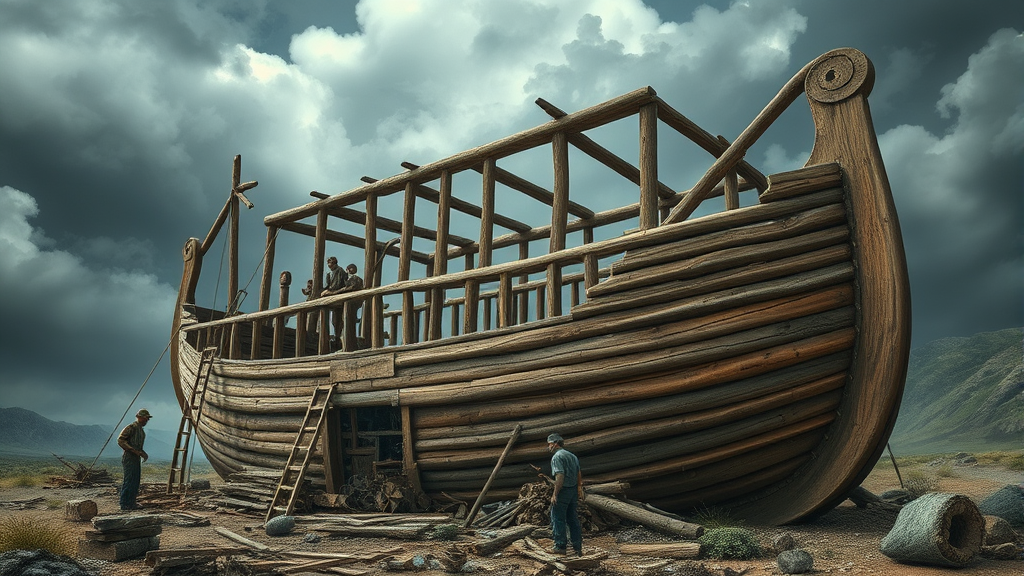
Discover the Timeless Lessons from Noah’s Ark-Building Journey
The story of Noah’s Ark stands as one of history’s most enduring tales of faith, perseverance, and monumental construction. This ancient narrative offers profound insights into project management, spiritual dedication, and the incredible feat of building what many consider the world’s first documented mega-construction project. The question of how long did it take Noah to build the ark has fascinated scholars, theologians, and curious minds for millennia.
According to biblical accounts and traditional interpretations, Noah dedicated decades of his life to this extraordinary undertaking. The lessons embedded in this journey extend far beyond the realm of ancient history, offering timeless wisdom about preparation, persistence, and purpose that remains relevant in our modern world. Whether viewed through a spiritual lens or as an inspiring tale of human determination, Noah’s ark-building journey provides valuable insights for anyone facing their own monumental challenges.
The Timeline of Construction
Traditional biblical scholarship suggests that Noah spent approximately 100 years building the ark, a timeframe that speaks to the extraordinary scope and complexity of this ancient construction project. This estimate derives from careful analysis of biblical genealogies and chronological references found in Genesis. When God first commanded Noah to build the ark, he was reportedly 500 years old, and by the time the flood began, he had reached 600 years of age.
The century-long construction period wasn’t merely about the physical building process. This extended timeline allowed for meticulous planning, resource gathering, and the gradual accumulation of materials needed for such an unprecedented vessel. Archaeological evidence and ancient construction techniques suggest that projects of this magnitude required extensive preparation phases, often taking longer than the actual building process itself.
Understanding this timeline helps us appreciate the incredible patience and unwavering commitment Noah demonstrated. In our fast-paced modern world, where instant gratification often takes precedence, Noah’s century-long dedication serves as a powerful reminder that truly meaningful achievements require sustained effort over extended periods. This principle applies whether you’re learning how to install complex systems or embarking on any long-term project.
Biblical Accounts and Historical Context
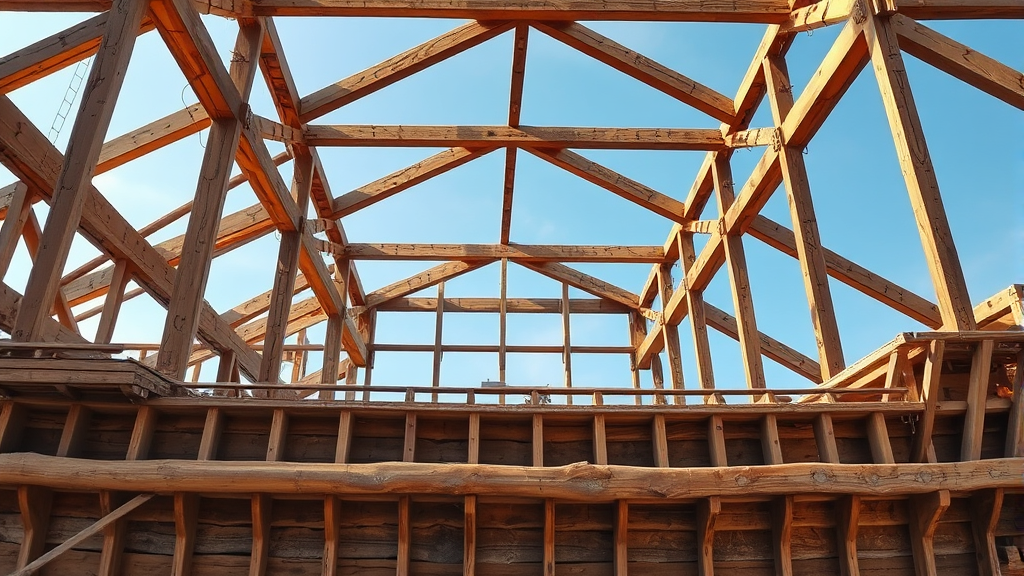
The primary source for Noah’s story comes from the Book of Genesis, specifically chapters 6-9, which provide detailed instructions for the ark’s construction. According to these accounts, God provided Noah with specific dimensions: 300 cubits long, 50 cubits wide, and 30 cubits high. Converting these ancient measurements to modern standards, the ark would have been approximately 450 feet long, 75 feet wide, and 45 feet high – larger than many modern naval vessels.
Historical context reveals that flood narratives appear in numerous ancient cultures worldwide, suggesting either a common historical event or shared archetypal significance. The Library of Congress houses ancient tablets containing flood stories from Mesopotamian cultures that predate the biblical account, indicating the widespread cultural importance of such narratives.
Archaeological discoveries in the Middle East have uncovered evidence of massive flooding events in ancient times, lending credibility to the historical basis of flood narratives. While the exact timeline remains debated among scholars, the consistency of these accounts across cultures suggests that Noah’s story reflects real historical experiences and human responses to catastrophic events.
The biblical account emphasizes not just the physical construction but the spiritual preparation required for such an undertaking. This dual focus on practical action and spiritual readiness offers valuable insights for modern readers facing their own challenging projects or life transitions.
The Monumental Construction Challenges
Building the ark presented unprecedented engineering and logistical challenges that would test even modern construction capabilities. The sheer scale of the project required innovative solutions for material procurement, structural engineering, and workforce management. Noah had to source massive quantities of gopher wood, according to biblical accounts, along with pitch for waterproofing and countless other materials.
The structural engineering challenges were immense. Creating a vessel capable of withstanding the tremendous forces of a global flood while housing thousands of animals required advanced understanding of naval architecture. The ark needed multiple decks, ventilation systems, and storage compartments – all designed without modern tools or machinery.
Resource management represented another significant challenge. Just as someone learning how to become a firefighter must master complex skills over time, Noah had to develop expertise in multiple construction disciplines. The project required skills in carpentry, engineering, logistics, and project coordination – all while maintaining faith in a divine mission that others likely questioned.
Weather conditions and seasonal variations would have affected construction schedules, requiring adaptive planning and flexible execution strategies. Noah’s ability to maintain progress despite these challenges demonstrates remarkable project management skills that remain relevant for modern construction and development projects.

Lessons in Project Management and Planning
Noah’s ark-building journey offers invaluable lessons in project management that transcend time and context. The most fundamental lesson is the importance of long-term vision and commitment. Unlike modern projects with tight deadlines, Noah’s century-long timeline allowed for thorough planning and quality execution without rushing critical phases.
The project demonstrates excellent scope management. Noah received clear specifications and stuck to them throughout the construction process, avoiding the scope creep that plagues many modern projects. This disciplined approach to requirements management ensured that the final product met its intended purpose.
Resource planning and procurement represent another crucial lesson. Noah had to anticipate material needs far in advance, developing supply chains and storage systems to support the extended construction timeline. This forward-thinking approach mirrors modern supply chain management principles and highlights the importance of strategic resource planning.
Risk management was integral to Noah’s success. He prepared for an unprecedented catastrophe by building according to divine specifications, demonstrating the importance of following proven methodologies even when facing unique challenges. Modern project managers can learn from Noah’s approach to handling uncertainty and preparing for worst-case scenarios.
The project also showcases effective stakeholder management. Despite likely skepticism from his community, Noah maintained focus on his mission while managing family involvement and responsibilities. This balance between external pressures and project objectives remains a critical skill for modern leaders.
Spiritual Lessons of Faith and Perseverance
Beyond practical project management, Noah’s journey offers profound spiritual lessons about faith, obedience, and perseverance in the face of seemingly impossible tasks. The century-long construction period tested Noah’s faith repeatedly, requiring sustained belief in a divine promise despite no visible evidence of impending flood for decades.
The story teaches us about the importance of preparation before crisis strikes. Just as someone might learn how to make heavy cream as part of broader culinary skills, Noah’s ark-building represented preparation for a future need that wasn’t yet apparent. This principle of proactive preparation applies to many aspects of life, from emergency planning to skill development.
Noah’s unwavering commitment despite social isolation and likely ridicule demonstrates the courage required to pursue meaningful goals. The Harvard University mission statement emphasizes the importance of pursuing truth regardless of popular opinion, echoing Noah’s dedication to his divine calling.
The story also illustrates the concept of faithful stewardship. Noah wasn’t just building for himself but for the preservation of all life on Earth. This broader perspective transformed a construction project into a mission of universal significance, showing how individual actions can have far-reaching consequences.
Patience emerges as perhaps the most crucial spiritual lesson. In our instant-gratification culture, Noah’s century-long commitment challenges us to embrace long-term thinking and sustained effort toward meaningful goals, even when immediate results aren’t visible.
Modern Applications of Noah’s Principles
The principles demonstrated in Noah’s ark-building journey remain remarkably applicable to contemporary challenges and projects. Modern construction projects, business ventures, and personal development initiatives can all benefit from Noah’s approach to long-term planning and systematic execution.
In the business world, Noah’s story illustrates the importance of vision-driven leadership. Successful entrepreneurs often spend years developing products or services before seeing significant returns, much like Noah’s extended construction period. The patience and persistence required for such endeavors mirror Noah’s unwavering commitment to his divine mission.
Environmental conservation efforts particularly resonate with Noah’s ark narrative. Modern conservation projects often require decades of sustained effort, community engagement, and resource allocation. Noah’s focus on preserving diverse life forms provides a template for contemporary biodiversity conservation initiatives.
Personal development and skill acquisition also reflect Noah’s approach. Whether someone is learning how to make white rice or mastering complex professional skills, the journey requires patience, practice, and persistence. Noah’s century-long commitment demonstrates that meaningful achievements often require extended timeframes and consistent effort.
Crisis preparedness represents another modern application. Emergency management professionals study historical disasters and preparation strategies, finding valuable insights in accounts like Noah’s flood preparation. The Federal Emergency Management Agency emphasizes proactive preparation for catastrophic events, echoing Noah’s approach to disaster readiness.
Project management methodologies increasingly recognize the value of extended planning phases and iterative development processes. Noah’s approach of building systematically over time, rather than rushing to completion, aligns with modern agile and waterfall project management principles that prioritize quality over speed.
Frequently Asked Questions
How long did it take Noah to build the ark according to biblical accounts?
According to traditional biblical interpretation, Noah spent approximately 100 years building the ark. This timeframe is derived from Genesis genealogies indicating Noah was 500 years old when God commanded him to build the ark and 600 years old when the flood began. This century-long construction period reflects the enormous scope and complexity of the project.
What were the dimensions of Noah’s ark?
The Bible specifies that the ark was 300 cubits long, 50 cubits wide, and 30 cubits high. Converting ancient measurements to modern standards, this equals approximately 450 feet long, 75 feet wide, and 45 feet high. These dimensions made it larger than many contemporary naval vessels and suitable for housing thousands of animals plus supplies.
What materials were used to build Noah’s ark?
According to biblical accounts, the ark was constructed primarily from gopher wood, though the exact species remains debated among scholars. The structure was sealed with pitch both inside and outside for waterproofing. The choice of materials reflected both availability in Noah’s region and the durability required for withstanding flood conditions.
Did Noah build the ark alone or have help?
While the Bible doesn’t explicitly detail the construction workforce, most interpretations suggest Noah had help from his family members, particularly his three sons: Shem, Ham, and Japheth. Some traditions also suggest Noah may have employed workers from his community, though this remains speculative. The massive scale of the project would have required multiple people working consistently.
What lessons can modern project managers learn from Noah’s ark construction?
Noah’s project demonstrates several key management principles: long-term vision and commitment, adherence to specifications without scope creep, strategic resource planning, effective risk management, and stakeholder management despite external skepticism. The extended timeline allowed for quality construction and proper preparation, teaching patience and systematic execution over rushing to completion.
Why did the ark construction take so long?
The extended construction period served multiple purposes: allowing time for meticulous planning and resource gathering, ensuring quality construction without rushing critical phases, providing opportunity for spiritual preparation and community witness, and accommodating the massive scale of materials and labor required. The timeline also demonstrated Noah’s unwavering faith and commitment to his divine mission.
What modern applications exist for Noah’s construction principles?
Noah’s principles apply to various modern contexts including business development requiring long-term commitment, environmental conservation projects spanning decades, personal skill development and education, crisis preparedness and emergency planning, and large-scale construction or infrastructure projects. The emphasis on preparation, patience, and systematic execution remains relevant across many fields and endeavors.

Related Posts

How Long to Boil Lobster Tails: Cooking Guide

How Long to Fly from New York to London? Travel Times
