
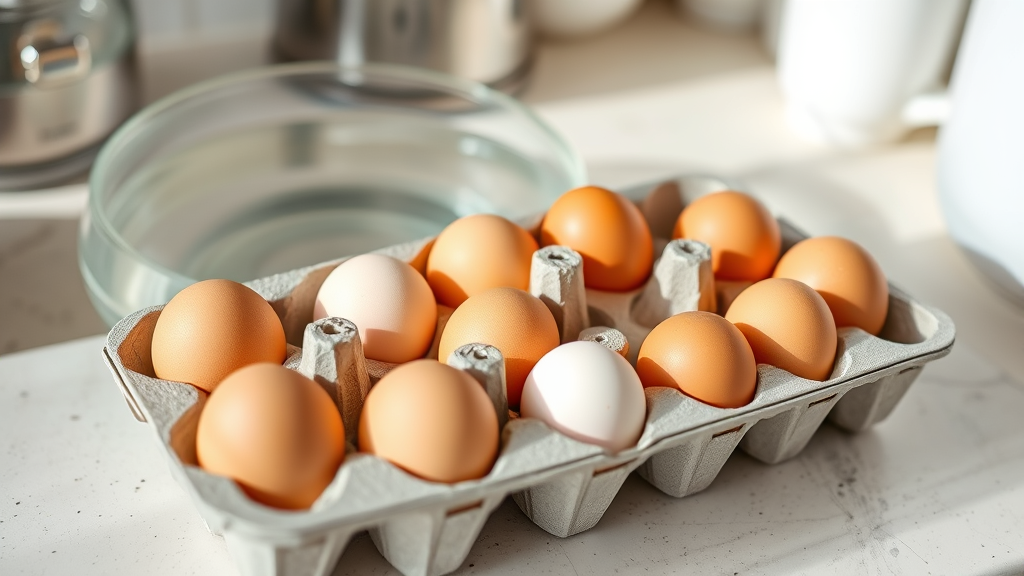
Ensure Your Eggs Are Fresh: Simple Tests to Avoid Spoilage
Fresh eggs are essential for safe cooking and delicious meals, but determining their quality can sometimes be challenging. Whether you’re meal prepping for the week or just want to ensure your breakfast is safe, knowing how to tell if eggs are good is a crucial kitchen skill that every home cook should master.
Understanding egg freshness goes beyond simply checking the expiration date on the carton. While those dates provide a helpful guideline, eggs can remain fresh well beyond their sell-by date when stored properly, or conversely, they can spoil before that date under poor storage conditions. Learning reliable methods to test egg quality will help you make informed decisions about food safety and reduce unnecessary waste in your kitchen.
The Water Float Test: Your First Line of Defense
The water float test is perhaps the most reliable and widely-used method for determining egg freshness. This simple technique works because as eggs age, the air cell inside them grows larger, making older eggs more buoyant in water.
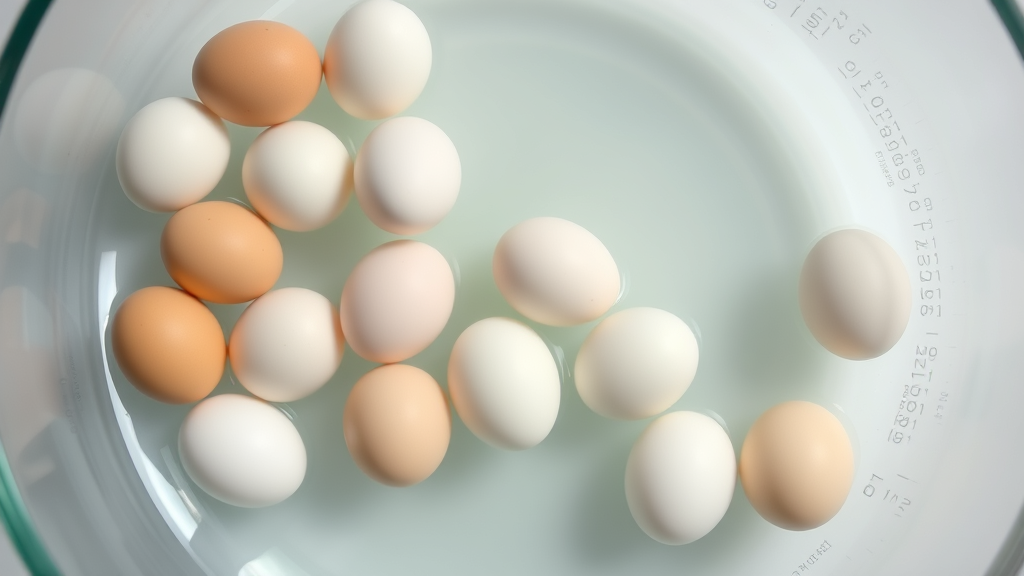
To perform this test, fill a large bowl with cool water and gently place your egg inside. Fresh eggs will sink to the bottom and lie flat on their side, indicating they’re still good to eat. Eggs that are about a week old will sink but may stand upright on the bottom, which means they’re still safe but should be used soon. If an egg floats to the surface, it’s past its prime and should be discarded for safety reasons.
This method is backed by food science principles. According to the USDA Food Safety and Inspection Service, the air cell in an egg increases in size as moisture and carbon dioxide escape through the porous shell over time. This natural process makes the float test an accurate indicator of age and quality.
The float test is particularly useful when you have eggs from different sources or when you’ve lost track of purchase dates. It’s a quick, non-destructive way to assess multiple eggs before deciding which ones to use first in your cooking projects.
Visual Inspection Methods
Before even touching an egg, a thorough visual inspection can reveal important information about its condition. Start by examining the shell for any cracks, unusual spots, or changes in texture. Fresh eggs typically have clean, intact shells with a slightly rough texture.
Look for any discoloration, dark spots, or powdery substances on the shell, which could indicate bacterial growth or mold. Eggs with cracked shells should be used immediately if the crack is small and the membrane is intact, or discarded if the crack is large or the contents are leaking.
The shell’s appearance can also provide clues about storage conditions. Eggs that have been stored in humid conditions may develop a slimy film, while those exposed to strong odors might absorb unwanted flavors. Pay attention to any unusual odors coming from the carton or individual eggs, as this can be an early warning sign of spoilage.
When examining eggs, also consider their source and storage history. Farm-fresh eggs from reliable sources often have different visual characteristics than store-bought eggs, including variations in shell color and thickness that are perfectly normal.
The Smell Test: Trust Your Nose
Your sense of smell is one of the most reliable tools for detecting spoiled eggs. Fresh eggs should have virtually no odor when the shell is intact. Any strong or unpleasant smell coming from an uncracked egg is a clear indication that it should not be consumed.
The smell test becomes even more important once you crack an egg open. Fresh eggs will have a neutral, clean scent, while spoiled eggs produce a distinctly sulfurous odor that’s often described as rotten or putrid. This smell is caused by hydrogen sulfide gas produced by bacteria breaking down the egg’s proteins.
Even eggs that pass the float test should be subjected to the smell test once cracked. Sometimes eggs can develop off-odors due to bacterial contamination that occurred after the shell was compromised. Trust your instincts – if something smells wrong, it’s better to err on the side of caution and discard the egg.
The intensity of the odor typically correlates with the degree of spoilage. A slightly off smell might indicate an egg that’s past its prime but not necessarily dangerous, while a strong sulfur smell indicates significant bacterial activity and potential food safety risks.
The Shake Test for Quick Assessment
The shake test offers a quick way to assess egg quality without water or cracking the shell. Hold the egg close to your ear and gently shake it. Fresh eggs will produce little to no sound because the contents are thick and cohesive, with the yolk suspended in place by the egg white’s protein structure.
As eggs age, the proteins in the egg white break down, making the contents more liquid and allowing the yolk to move more freely. This creates a sloshing sound when the egg is shaken. A pronounced sloshing noise indicates that the egg is older and may not be suitable for recipes requiring fresh eggs, though it might still be safe for cooking.
The shake test is particularly useful when you’re dealing with eggs of unknown age or when you want to quickly sort through a large quantity. While not as definitive as the float test, it provides valuable information about internal structure and can help you prioritize which eggs to use first.
This method works best when you can compare the sounds from multiple eggs. Developing an ear for the subtle differences takes practice, but it becomes an invaluable skill for frequent bakers and cooks.
What to Look for When Cracking Eggs
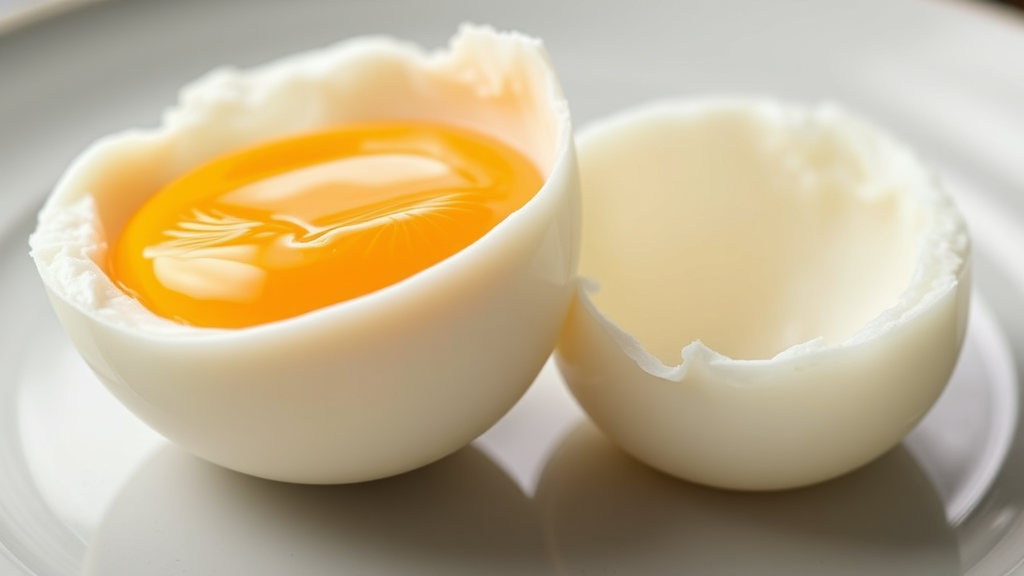
The moment of truth comes when you crack open an egg and examine its contents. Fresh eggs have several distinctive characteristics that are easy to identify. The egg white should be thick and cloudy near the yolk, with a thinner, more transparent layer around the edges. This cloudiness is actually a sign of freshness, caused by carbon dioxide that hasn’t yet escaped from the egg.
A fresh egg yolk will be bright yellow or orange, depending on the hen’s diet, and will sit high and round rather than spreading flat across the pan. The yolk should also be surrounded by a thick layer of egg white that holds together well. If the yolk breaks easily or the white is very thin and watery, the egg is older but may still be safe to eat.
Look for any unusual colors in either the yolk or white. Green, pink, or blue discoloration can indicate bacterial contamination and means the egg should be discarded immediately. Blood spots, while unsightly, are actually harmless and can simply be removed with a spoon if desired.
The way the egg behaves when cracked can also provide information. Fresh eggs will often require a firm crack to break the shell, while older eggs may crack more easily due to changes in shell structure over time.
Proper Storage for Maximum Freshness
Proper storage is crucial for maintaining egg quality and extending their useful life. Eggs should always be stored in the refrigerator at a temperature below 40°F (4°C). The Centers for Disease Control and Prevention recommends keeping eggs in their original carton rather than transferring them to the refrigerator door compartments, as this provides better temperature stability.
The pointed end of the egg should face downward when stored, as this helps keep the yolk centered and prevents the air cell from moving. Store eggs away from strong-smelling foods, as they can absorb odors through their porous shells. This is particularly important when storing eggs near foods like onions, fish, or strong cheeses.
Temperature fluctuations can significantly impact egg quality, so avoid leaving eggs out at room temperature for extended periods. Even brief exposure to warm temperatures can accelerate the aging process and increase the risk of bacterial growth.
For optimal freshness, use eggs within 3-4 weeks of purchase, even if the sell-by date suggests a longer timeframe. Just like when learning how to clean strawberries or how long to boil chicken breast, proper food handling and storage techniques are essential for food safety and quality.
Understanding Expiration Dates and Labels
Egg carton labels can be confusing, with various dates and terms that don’t always clearly indicate when eggs should be used. The “sell-by” date is primarily for retailers and indicates when eggs should be sold, not when they expire. Eggs can often remain fresh for 3-5 weeks beyond this date when properly stored.
The “use-by” or “best-by” date is a better indicator of peak quality, though eggs may still be safe to consume after this date if they pass freshness tests. Some cartons also include a Julian date – a three-digit number representing the day of the year the eggs were packed, with January 1st being 001 and December 31st being 365.
Understanding these dating systems helps you make informed decisions about egg use. According to FDA guidelines, proper storage and testing methods are more reliable indicators of egg safety than dates alone.
Grade markings (AA, A, or B) indicate quality at the time of packing, with Grade AA being the highest quality. However, these grades primarily affect appearance and cooking performance rather than safety, and a Grade A egg that’s been properly stored may be safer than a Grade AA egg that’s been mishandled.
Frequently Asked Questions
How long do eggs stay fresh in the refrigerator?
Properly stored eggs typically remain fresh for 3-5 weeks beyond their sell-by date when kept in the refrigerator at 40°F or below. However, freshness tests like the float test are more reliable indicators than dates alone. The key is consistent refrigeration and proper storage in the original carton.
Can you eat eggs that float in the water test?
Eggs that float should generally be discarded as they indicate significant aging and potential spoilage. While not all floating eggs are necessarily dangerous, the risk of bacterial contamination increases significantly with age, making it safer to avoid consumption. When in doubt, it’s better to err on the side of caution.
What does a bad egg smell like?
Spoiled eggs produce a distinctly sulfurous, rotten odor caused by hydrogen sulfide gas. This smell is often described as similar to rotten vegetables or sulfur springs. Fresh eggs should have virtually no odor, so any strong or unpleasant smell is a clear indication that the egg should not be consumed. The intensity of the odor typically corresponds to the degree of spoilage.
Are eggs with blood spots safe to eat?
Blood spots in eggs are generally safe to eat and are caused by the rupture of small blood vessels during egg formation. These spots can be easily removed with a spoon if desired. However, if you notice unusual colors like green, pink, or blue in the egg white or yolk, this could indicate bacterial contamination and the egg should be discarded.
Why do some fresh eggs have cloudy whites?
Cloudy egg whites are actually a sign of freshness, not spoilage. The cloudiness is caused by carbon dioxide that hasn’t yet escaped from the egg. As eggs age, this CO2 gradually escapes through the porous shell, making the whites clearer but thinner. Clear whites in very fresh eggs might indicate the egg has been stored at room temperature, allowing faster CO2 escape.
Can you still use eggs after the expiration date?
Yes, eggs can often be safely used after their expiration date if they’ve been properly stored and pass freshness tests. The sell-by date is primarily for retailers, and eggs can remain good for 3-5 weeks beyond this date when refrigerated properly. Always perform the float test, smell test, and visual inspection before using older eggs, similar to how you’d check other perishables before preparing meals like how to make white rice or how long to steam broccoli.
What’s the difference between farm-fresh and store-bought eggs in terms of testing?
The same freshness tests apply to both farm-fresh and store-bought eggs, though farm-fresh eggs may have different visual characteristics like varying shell colors or thickness. Farm-fresh eggs might also have different storage histories, potentially lasting longer if they’re truly fresh from the source. However, how to tell if eggs are bad remains consistent regardless of the source – use the float test, smell test, and visual inspection for both types.

Related Posts

How Long to Boil Lobster Tails: Cooking Guide

How Long to Fly from New York to London? Travel Times
