
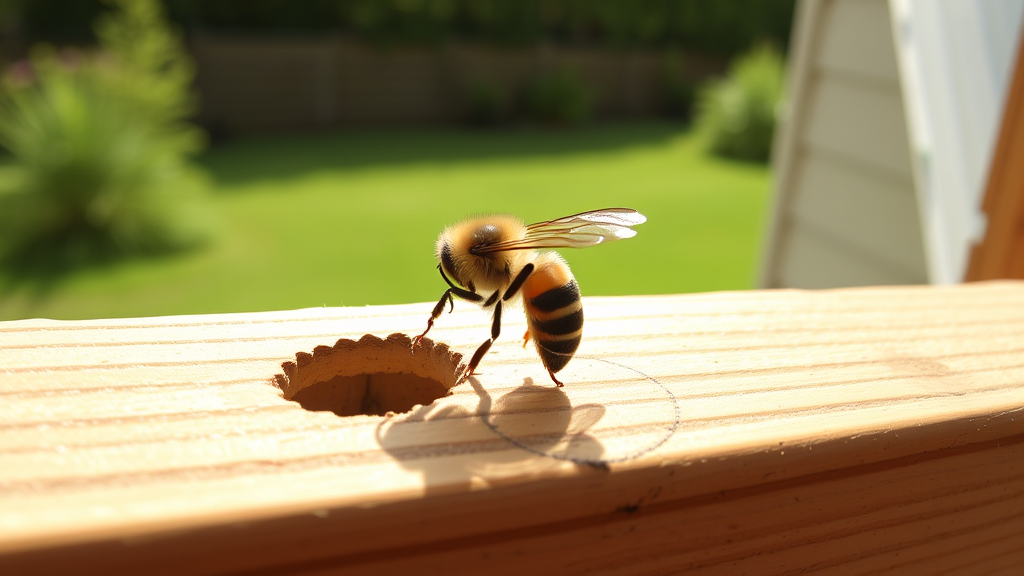
Eliminate Carpenter Bees: Protect Your Home and Increase Curb Appeal
Carpenter bees can be a homeowner’s nightmare, drilling perfectly round holes into wooden structures and compromising both the integrity and aesthetic appeal of your property. These large, intimidating insects may resemble bumblebees, but their destructive behavior sets them apart as they create unsightly damage to decks, eaves, siding, and other wooden elements of your home.
Understanding how to get rid of carpenter bees effectively is crucial for protecting your investment and maintaining your home’s curb appeal. Unlike other household pests that might require different approaches similar to learning how to get rid of ants, carpenter bees present unique challenges that demand specific strategies and preventive measures.
Understanding Carpenter Bees
Carpenter bees belong to the genus Xylocopa and are often mistaken for bumblebees due to their similar size and appearance. However, carpenter bees have distinct characteristics that set them apart. These solitary insects have shiny, hairless abdomens that appear black and metallic, contrasting with the fuzzy bodies of bumblebees.
The most significant difference lies in their nesting behavior. While bumblebees nest in the ground or existing cavities, carpenter bees excavate tunnels in wood to create their nests. Female carpenter bees use their powerful mandibles to bore circular holes approximately half an inch in diameter into softwood structures.
These insects are most active during late spring and early summer when mating and nesting activities peak. According to the Penn State Extension, carpenter bees prefer unpainted, weathered softwoods such as pine, cedar, redwood, and cypress for their nesting sites.
Understanding their lifecycle is crucial for effective elimination. After mating, females create tunnels where they lay their eggs along with pollen balls as food for developing larvae. The tunnels can extend 6-10 inches long, with multiple chambers for individual eggs. New adults emerge in late summer, often reusing and expanding existing tunnels.
Identifying Carpenter Bee Damage
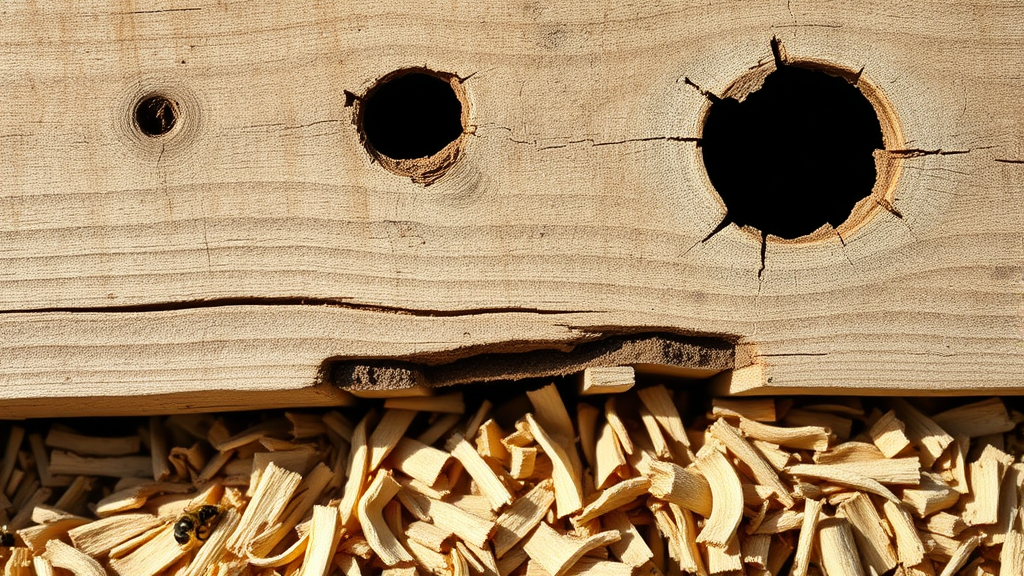
Recognizing carpenter bee damage early is essential for preventing extensive structural harm. The most obvious sign is the presence of perfectly round holes, typically half an inch in diameter, in wooden surfaces. These entry holes are just the beginning of extensive tunnel systems that can weaken structural integrity over time.
Look for yellow staining or small piles of sawdust beneath the holes, which indicates active boring activity. Fresh holes often have coarse sawdust or wood shavings directly below them, while older tunnels may show weathering and darkening around the entrance.
Common areas where carpenter bee damage occurs include deck railings, roof eaves, window trim, siding, outdoor furniture, and fence posts. The insects show a preference for horizontal surfaces and are particularly attracted to unpainted or weathered wood that’s easy to excavate.
Carpenter bee damage differs from termite damage in several key ways. Carpenter bees create clean, round holes with sawdust piles, while termites leave mud tubes and create galleries that weaken wood from the inside. Unlike termites, carpenter bees don’t actually eat wood; they simply excavate it for nesting purposes.
Natural Elimination Methods
Several natural methods can effectively eliminate carpenter bees without resorting to harsh chemicals. These approaches are environmentally friendly and safe for families and pets when applied correctly.
Essential oils provide a powerful deterrent against carpenter bees. Citrus oils, particularly lemon and orange, create an inhospitable environment for these insects. Mix equal parts citrus essential oil with water in a spray bottle and apply to affected areas daily during peak activity periods.
Almond oil has proven particularly effective as both a deterrent and treatment method. Apply almond oil directly to existing holes and surrounding wood surfaces. The strong scent repels carpenter bees while the oil penetrates the wood, making it less attractive for future nesting attempts.
Sound deterrents can also be effective, as carpenter bees are sensitive to vibrations. Playing loud music or using wind chimes near affected areas can discourage their presence. However, this method may not be practical for all homeowners due to noise considerations.
Soap and water solutions offer another natural approach. Mix liquid dish soap with water and spray directly into holes and onto surrounding surfaces. The soap residue makes surfaces slippery and inhospitable for carpenter bees while also suffocating any insects present in tunnels.
Chemical Treatment Options
When natural methods prove insufficient, chemical treatments provide more aggressive elimination options. Insecticide dusts specifically formulated for carpenter bees offer excellent results when applied correctly to tunnel entrances.
Boric acid powder serves as an effective and relatively safe chemical option. Apply the powder directly into holes using a squeeze bottle or small funnel. The powder clings to the bees’ bodies and is carried throughout the tunnel system, eliminating both adults and larvae.
Residual sprays containing synthetic pyrethroids provide long-lasting protection when applied to wooden surfaces. These chemicals remain effective for several weeks and kill carpenter bees on contact while deterring future infestations.
The Environmental Protection Agency recommends reading all label instructions carefully and using personal protective equipment when applying chemical treatments. Ensure proper ventilation and avoid application during windy conditions to prevent drift to non-target areas.
Timing is crucial for chemical treatments. Apply insecticides during late evening or early morning when carpenter bees are less active and more likely to be in their tunnels. This maximizes contact time and effectiveness while minimizing exposure to beneficial insects like honeybees.
Prevention Strategies
Preventing carpenter bee infestations proves more effective and cost-efficient than elimination efforts. Regular maintenance and proactive measures significantly reduce the likelihood of carpenter bee problems.
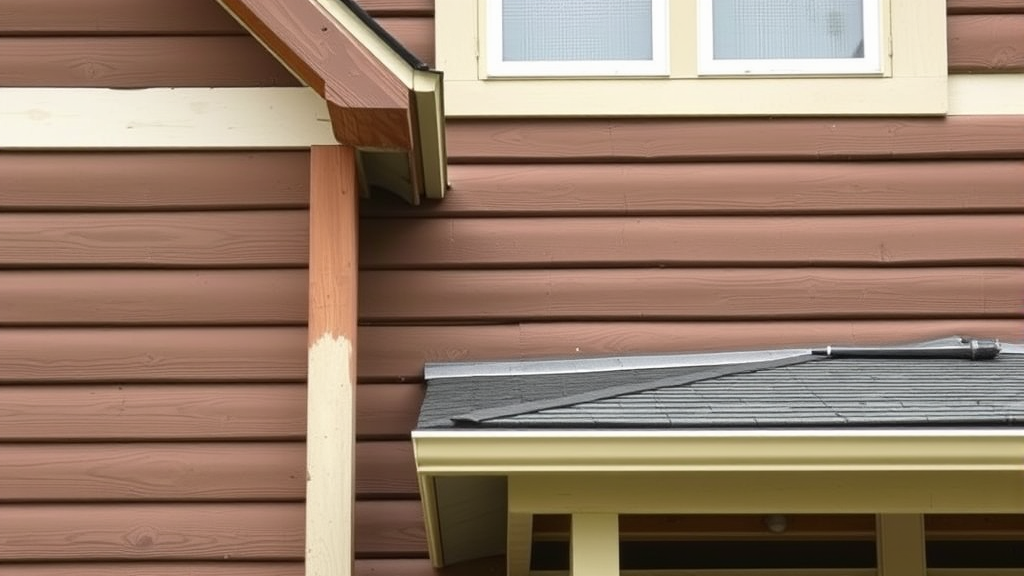
Paint or stain all exposed wood surfaces, as carpenter bees strongly prefer unpainted, weathered wood. Oil-based paints and stains provide superior protection compared to water-based alternatives. Maintain paint and stain coverage by inspecting and touching up surfaces annually.
Install physical barriers such as hardware cloth or fine mesh over vulnerable areas during peak activity periods. This approach works particularly well for protecting outdoor furniture and decorative wooden elements that cannot be easily painted or treated.
Regular inspection and maintenance help identify potential problems early. Check wooden structures monthly during spring and summer for new holes or signs of boring activity. Prompt attention to small problems prevents extensive damage and larger infestations.
Consider replacing vulnerable wood with carpenter bee-resistant materials. Hardwoods like oak, maple, and cherry are naturally resistant to carpenter bee damage due to their density. Composite materials and vinyl alternatives eliminate the problem entirely while maintaining aesthetic appeal.
When to Call Professionals
Certain situations warrant professional pest control intervention rather than DIY approaches. Extensive infestations affecting structural elements require expert assessment and treatment to prevent serious damage to your home’s integrity.
Professional pest control services have access to specialized equipment and commercial-grade insecticides not available to homeowners. They can provide comprehensive treatment plans that address both immediate elimination and long-term prevention strategies.
Consider professional help when dealing with large populations, hard-to-reach areas, or situations where previous DIY efforts have failed. Pest control professionals can also identify contributing factors and recommend structural modifications to prevent future problems.
The National Pesticide Information Center provides resources for finding qualified pest control professionals and understanding treatment options. Professional services often include warranties and follow-up treatments to ensure complete elimination.
Home Maintenance Connection
Carpenter bee control connects to broader home maintenance practices that protect your investment and enhance curb appeal. Just as homeowners learn how to unclog a toilet or how to clean washing machine components for optimal home function, understanding pest control maintains structural integrity.
Regular maintenance schedules should include carpenter bee inspections alongside other routine tasks. When performing seasonal maintenance like learning how to check engine oil for vehicles, include wooden structure inspections in your checklist.
Wood preservation efforts benefit multiple aspects of home maintenance. The same protective coatings that deter carpenter bees also prevent weather damage, rot, and other deterioration that can compromise structural integrity and curb appeal.
Document maintenance activities and carpenter bee prevention efforts for warranty purposes and future reference. This documentation proves valuable when selling your home or filing insurance claims related to pest damage.
Frequently Asked Questions
What attracts carpenter bees to my property?
Carpenter bees are primarily attracted to unpainted, weathered softwood surfaces that are easy to excavate. They prefer horizontal surfaces in sunny locations and are drawn to areas with existing holes or previous carpenter bee activity. Homes with extensive wooden decking, eaves, and siding are particularly vulnerable, especially when these surfaces lack protective paint or stain coatings.
How can I tell the difference between carpenter bees and bumblebees?
Carpenter bees have shiny, hairless black abdomens that appear metallic, while bumblebees have fuzzy, hairy bodies with yellow and black stripes. Carpenter bees are also more aggressive in defending their territory and can be seen hovering around wooden structures. Behaviorally, carpenter bees create holes in wood, while bumblebees nest in ground cavities or existing spaces and are important pollinators that should be protected.
Are carpenter bees dangerous to humans?
Male carpenter bees cannot sting and are generally harmless despite their aggressive hovering behavior around nesting sites. Female carpenter bees can sting but rarely do so unless directly handled or threatened. The primary concern with carpenter bees is property damage rather than personal safety, as their tunneling activity can weaken wooden structures over time.
How long do carpenter bee tunnels get?
Carpenter bee tunnels typically extend 6-10 inches into wood, with multiple chambers branching off the main tunnel for individual eggs. Over multiple generations, these tunnel systems can become extensive networks that significantly weaken structural integrity. Older tunnels may be reused and expanded by new generations, creating increasingly complex damage patterns.
When is the best time to treat carpenter bee infestations?
The most effective treatment timing is late evening or early morning when carpenter bees are less active and more likely to be inside their tunnels. Spring treatment during peak nesting activity (April through June) provides maximum impact on population control. Fall treatments can also be effective for eliminating overwintering adults before they emerge to mate in spring.
Can carpenter bees cause structural damage to my home?
Yes, carpenter bees can cause significant structural damage over time, particularly when infestations persist across multiple generations. While individual tunnels may not immediately compromise structural integrity, extensive tunnel networks can weaken wooden beams, joists, and other load-bearing elements. The damage is often compounded by woodpeckers that excavate tunnels further while searching for carpenter bee larvae.
What should I do with carpenter bee holes after elimination?
After confirming that carpenter bees are eliminated, fill holes with wood putty, caulk, or wooden dowels cut to size. Sand the surface smooth once the filler material cures, then apply primer and paint to match surrounding surfaces. This prevents reuse of tunnels by future carpenter bee generations and restores the aesthetic appearance of affected wooden structures.

Related Posts

How Long to Boil Lobster Tails: Cooking Guide

How Long to Fly from New York to London? Travel Times
