
How to Steam Carrots? Chef-Approved Method
How to Steam Carrots: Chef-Approved Method for Perfect Texture Every Time
Steaming carrots is one of the simplest yet most effective cooking techniques to preserve their natural sweetness, vibrant color, and nutritional value. Unlike boiling, which can leach nutrients into water, steaming keeps carrots tender while maintaining their firm structure and delicate flavor profile. Whether you’re preparing a weeknight dinner or hosting a dinner party, mastering the art of steaming carrots will elevate your cooking skills and impress your family and guests alike.
This chef-approved guide walks you through everything you need to know about steaming carrots perfectly. From selecting the right carrots to timing your steam to absolute perfection, we’ll cover all the techniques that professional chefs use in their kitchens. By the end of this comprehensive guide, you’ll have the confidence to steam carrots with precision every single time.
Selecting and Preparing Your Carrots
The foundation of perfectly steamed carrots begins with selecting quality produce. Choose firm carrots that are free from soft spots, bruises, or blemishes. Fresh carrots should have a bright orange color (or whatever variety you’re using) and feel solid when you hold them. Avoid carrots that feel limp or have visible cracks, as these indicate age and potential quality issues.
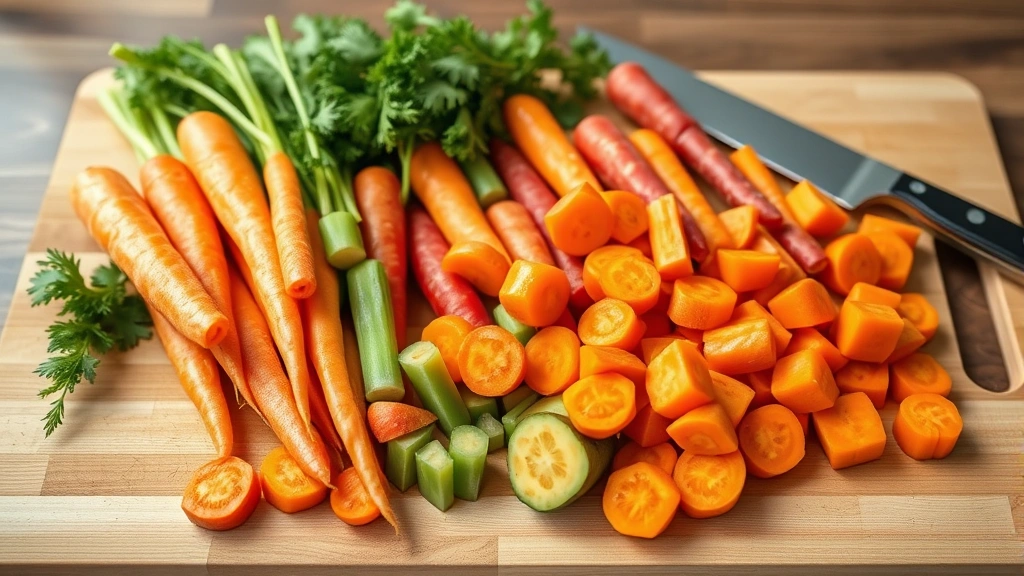
Size consistency matters tremendously when steaming carrots. Select carrots of similar thickness so they cook evenly throughout. If you have carrots of varying sizes, cut the larger ones into smaller pieces to match the diameter of smaller carrots. This uniform sizing ensures that all pieces reach the desired tenderness simultaneously, eliminating the frustration of some carrots being undercooked while others turn mushy.
Preparation is straightforward but important. Rinse your carrots thoroughly under cold running water to remove any dirt or debris. Using a vegetable brush helps dislodge stubborn soil particles. For organic carrots with thin skins, you can leave the skin on for added nutrients and a rustic presentation. For conventionally grown carrots, peeling is optional—many chefs prefer the additional fiber and nutrients the skin provides.
Cut your carrots into uniform pieces. The most common approaches include slicing carrots into rounds (about ¼ to ½ inch thick), cutting them lengthwise into sticks, or leaving baby carrots whole. Thinner pieces steam faster (approximately 5-7 minutes), while thicker cuts require longer cooking times (8-12 minutes). Remember that thickness directly impacts steaming duration, so consistency in cutting size is absolutely critical for even cooking.
Essential Equipment for Steaming
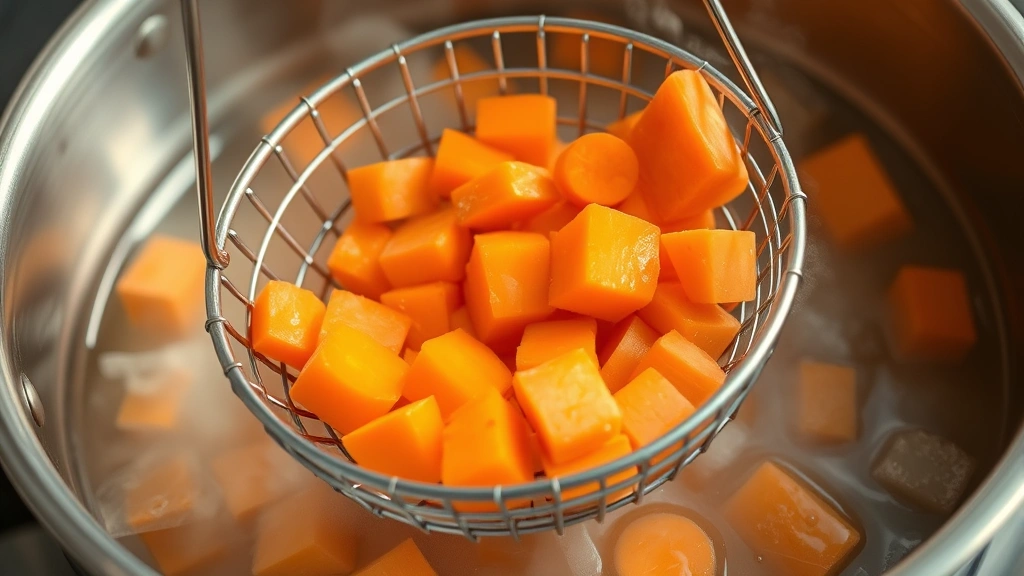
You don’t need fancy or expensive equipment to steam carrots successfully. A basic steamer basket placed inside any pot with a tight-fitting lid works wonderfully. Bamboo steamers, stainless steel collapsible steamers, and dedicated electric steamers all produce excellent results. The key is ensuring proper steam circulation around the carrot pieces and maintaining consistent heat throughout the cooking process.
A traditional steamer basket (sometimes called a steamer insert) sits inside a pot and holds vegetables above boiling water. The water below creates steam that rises and cooks the vegetables without direct contact. Bamboo steamers, popular in Asian cooking, stack in layers and provide excellent results, especially if you’re steaming multiple vegetables simultaneously. Electric steamers offer convenience and precise temperature control, making them ideal for busy home cooks who want consistency.
Your pot should have a tight-fitting lid to trap steam effectively. If your lid doesn’t seal well, you’ll lose steam and extend cooking times significantly. A standard 2-3 quart pot works perfectly for steaming a pound of carrots. Fill it with about 1-2 inches of water—enough to generate steam without touching the steamer basket. The water level should remain below the basket throughout cooking to prevent boiling water from contaminating your vegetables.
A timer is invaluable for steaming success. Whether you use your phone, a kitchen timer, or your oven’s built-in timer, tracking cooking time prevents over or under-steaming. A fork or knife for testing doneness completes your essential toolkit. Some cooks prefer a meat thermometer to ensure precise doneness, though a simple fork test works perfectly well for home cooking.
Step-by-Step Steaming Process
Step 1: Prepare Your Equipment
Fill your pot with 1-2 inches of water and place it on the stove over medium-high heat. Insert your steamer basket or platform into the pot, ensuring it sits above the water level. If you’re using an electric steamer, follow the manufacturer’s instructions for water filling. Bring the water to a boil before adding carrots—this ensures immediate steam generation when you add your vegetables.
Step 2: Arrange Carrots in the Steamer
Once steam is actively rising from your pot, carefully arrange your prepared carrot pieces in the steamer basket in a single layer if possible. Avoid stacking pieces on top of each other, as this prevents steam from circulating evenly. If you must layer carrots, keep the layers loose and avoid packing them tightly. The goal is maximum exposure to the steam environment.
Step 3: Cover and Monitor
Place the lid on your pot immediately after adding carrots. This traps the steam and maintains consistent temperature throughout the cooking process. Set your timer based on carrot thickness: thin slices require 5-7 minutes, medium pieces need 8-10 minutes, and thicker cuts may take 12-15 minutes. Start checking for doneness at the minimum time to avoid overcooking.
Step 4: Test for Doneness
Pierce a carrot piece with a fork or knife point. It should slide through with minimal resistance but still maintain its shape. The carrot shouldn’t be mushy or falling apart. If you prefer softer carrots, steam for an additional 1-2 minutes and retest. Remember that carrots continue cooking slightly after you remove them from heat due to residual steam, so slightly underdone is better than overcooked.
Step 5: Remove and Drain
Carefully remove the steamer basket from the pot, allowing excess steam to escape. Be cautious of the hot steam rising—it can cause burns. Place the basket on a heat-safe surface and let carrots cool for 1-2 minutes before serving. If excess moisture has accumulated, gently pat carrots with a clean kitchen towel to remove surface moisture.
Timing and Doneness Tests
Timing is the most critical variable in steaming carrots successfully. Factors affecting cooking time include carrot thickness, starting temperature, pot size, and your stove’s heat output. Generally, thin carrot slices (¼ inch) steam in 5-7 minutes, medium cuts (½ inch) require 8-10 minutes, and thick pieces or whole baby carrots need 12-15 minutes.
The fork test is the most reliable doneness indicator. Insert a fork into the thickest carrot piece—it should slide through with gentle pressure. The carrot should be tender but still hold its shape completely. Overcooked carrots become mushy and lose their appealing texture and color. Undercooked carrots remain firm and somewhat waxy, making them less pleasant to eat.
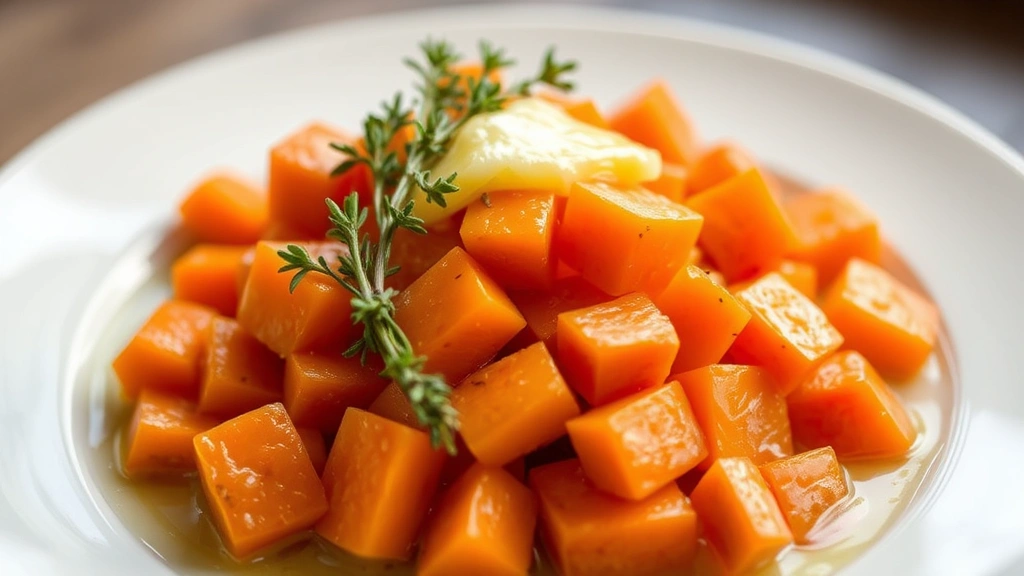
Visual cues also indicate doneness. Properly steamed carrots develop a slightly darker, deeper orange color compared to raw carrots. The surface may appear slightly glossy from the moisture. If carrots look pale or translucent, they may be overcooked. Vibrant color retention indicates proper steaming technique.
Temperature-based doneness uses a meat thermometer inserted into the thickest carrot piece. Carrots are perfectly steamed at an internal temperature of 203-205°F (95-96°C). This method provides precision and consistency, particularly useful when steaming large batches or preparing for special occasions.
Remember that residual heat continues cooking carrots for 30-60 seconds after removal from steam. Slightly underdone carrots will reach perfect texture during this cooling period. This is why professionals often remove vegetables from heat when they’re just shy of their target doneness.
Flavor Variations and Seasonings
Plain steamed carrots are delicious on their own, but creative seasoning elevates them to restaurant-quality side dishes. Add fresh herbs like dill, thyme, or parsley to your steaming water or sprinkle them on finished carrots. A squeeze of fresh lemon juice brightens the natural sweetness and adds sophistication.
For Asian-inspired carrots, drizzle with sesame oil and sprinkle sesame seeds after steaming. A touch of soy sauce adds umami depth. Mediterranean preparations benefit from olive oil, garlic, and fresh herbs like oregano and basil. Warm spice blends featuring cumin, coriander, and ginger complement carrots beautifully.
Butter is a classic pairing—simply toss warm steamed carrots with 1-2 tablespoons of butter and fresh herbs. For a touch of sweetness, add a pinch of honey or maple syrup. Garlic lovers can infuse their steaming water with crushed garlic cloves or add garlic oil after cooking.
Brown butter takes steamed carrots to gourmet levels. Heat butter in a pan until it turns golden brown, then pour over your steamed carrots and garnish with fresh thyme and sea salt. This simple technique transforms ordinary side dishes into memorable components of any meal.
Common Mistakes to Avoid
Inconsistent Carrot Sizes
Cutting carrots to different thicknesses results in uneven cooking. Some pieces overcook while others remain undercooked. Always cut carrots to uniform thickness before steaming. This single habit dramatically improves your results.
Overcrowding the Steamer
Packing too many carrots into your steamer basket prevents steam circulation. Work in batches if necessary. Carrots need space to be surrounded by steam on all sides. Loose arrangement ensures even, consistent cooking.
Insufficient Water
If your pot runs out of water during steaming, the bottom burns and ruins your entire batch. Keep water at 1-2 inches throughout cooking. For longer steaming sessions, periodically check water levels and add hot water as needed.
Lifting the Lid Repeatedly
Every time you lift the lid to check progress, you release valuable steam and extend cooking time. Resist the urge to peek constantly. Check doneness only once at the minimum recommended time, then every minute thereafter if needed.
Using Cold Water
Starting with cold water delays steam generation and extends total cooking time. Always bring water to a boil before adding carrots. This ensures immediate, consistent steam exposure from the moment vegetables enter the pot.
Overcooking
The most common mistake is steaming carrots too long. Overcooked carrots become mushy, lose their vibrant color, and develop an unpleasant texture. Remove carrots when they’re tender but still maintain their shape and some firmness.
Storage and Reheating Tips
Properly steamed carrots keep refrigerated for 3-5 days in an airtight container. Store them separately from other foods to prevent flavor transfer and maintain their texture. Steamed carrots also freeze well for up to 3 months, making them convenient for meal prep.
To freeze steamed carrots, cool them completely, arrange them in a single layer on a baking sheet, and freeze for 2-3 hours. Once frozen solid, transfer them to freezer bags or airtight containers. This prevents clumping and allows you to remove only the amount you need.
Reheating steamed carrots is simple. For refrigerated carrots, gently reheat them in a steamer for 2-3 minutes or microwave in a covered bowl with a splash of water for 1-2 minutes. For frozen carrots, steam directly without thawing for 4-5 minutes, or microwave for 2-3 minutes until heated through.
Alternatively, reheat steamed carrots in a pan with a bit of butter or oil over medium heat, stirring occasionally for 3-5 minutes. This method adds richness and prevents drying out. The gentle heat preserves texture while warming carrots evenly.
If you’re interested in mastering other cooking techniques, explore guides on maintaining your kitchen workspace or visiting our comprehensive cooking blog for additional culinary tips and tricks.
” alt=”Steamer basket filled with uniformly cut carrot pieces suspended above boiling water in a stainless steel pot, steam rising visibly around vegetables”>
Advanced Techniques for Steaming Perfection
Professional chefs employ several advanced techniques to achieve consistently perfect steamed carrots. One method involves adding aromatics to the steaming water—whole garlic cloves, fresh ginger slices, or whole spices like star anise impart subtle flavors without overwhelming the carrots’ natural taste.
Sous-vide style steaming uses precise temperature control to achieve exact doneness levels. If you have an instant-read thermometer, you can monitor the pot’s temperature and adjust heat to maintain consistent steam temperature. This advanced approach eliminates guesswork and produces identical results every time.
Combination steaming involves adding other vegetables to the steamer simultaneously. Carrots pair beautifully with broccoli, green beans, or Brussels sprouts. Arrange faster-cooking vegetables (like green beans) in the upper layer and slower-cooking vegetables (like carrots) below, adding them strategically so everything finishes together.
Pressure cooking accelerates steaming significantly. Instant Pot or traditional pressure cookers can steam carrots in just 3-4 minutes for medium pieces. Follow your pressure cooker’s instructions carefully, as timing differs substantially from traditional steaming.
Nutritional Benefits of Steamed Carrots
Steaming preserves more nutrients than most cooking methods. Carrots are excellent sources of beta-carotene, which your body converts to vitamin A. Steaming maintains these heat-sensitive compounds better than boiling, which leaches water-soluble nutrients into cooking water.
Steamed carrots also retain more fiber than processed or cooked-until-soft carrots. The intact cell structure means your digestive system gets maximum benefit from the vegetable’s nutritional profile. Additionally, the gentle heat makes some nutrients more bioavailable—your body absorbs carotenoids more effectively from cooked carrots than raw ones.
The antioxidants in carrots remain relatively stable during steaming, particularly when you avoid overcooking. Proper technique—steaming for the minimum necessary time—preserves these beneficial compounds while softening the vegetable for optimal digestion.
” alt=”Plate of perfectly steamed carrot pieces with glossy appearance and vibrant orange color, garnished with fresh herbs and a drizzle of golden butter”>
Troubleshooting Common Issues
Carrots Are Mushy
You’ve overcooked them. Next time, start checking for doneness at the minimum recommended time. Remove carrots while they still have slight firmness—they’ll soften slightly more as they cool.
Carrots Are Still Crunchy
They need more time. Steam for an additional 2-3 minutes and retest. Ensure your water is actually boiling and steam is being generated properly. Check that your pot lid seals tightly.
Uneven Cooking
Your carrot pieces are different sizes. Always cut to uniform thickness. If you have leftover pieces, steam them separately or cut them smaller to match other pieces.
Watery or Mushy Texture
You may be steaming too long or using too much water. Reduce steaming time by 1-2 minutes and ensure water level stays below the steamer basket. Pat carrots dry with a clean towel after steaming.
Serving Suggestions and Pairings
Steamed carrots complement virtually any protein. Pair them with grilled fish for a light, healthy meal or with roasted chicken for classic comfort food. They work beautifully alongside beef, pork, or vegetarian mains.
Incorporate steamed carrots into grain bowls, pasta dishes, or rice preparations. They add color, nutrition, and natural sweetness to these dishes. Chop them and mix into mashed potatoes or vegetable gratins for added texture and flavor.
Creamed carrots—steamed carrots tossed with a light cream sauce—make an elegant side dish for special occasions. Pureed steamed carrots create smooth soups or can be mixed into sauces. Cold steamed carrots tossed with vinaigrette become refreshing salad components.
For those interested in comprehensive home improvement projects, you might also explore kitchen upgrades like garbage disposal installation to enhance your cooking workspace.
FAQ
How long does it take to steam carrots?
Steaming time depends on carrot thickness. Thin slices (¼ inch) require 5-7 minutes, medium pieces (½ inch) need 8-10 minutes, and thick cuts or whole baby carrots take 12-15 minutes. Always start checking at the minimum time.
Can you steam carrots without a steamer basket?
Yes. Create a makeshift steamer by placing a heat-safe bowl upside down in your pot, then resting a heat-safe plate on top. Alternatively, use a colander suspended over boiling water, or even crumpled aluminum foil to elevate carrots above water. Any method that keeps carrots above boiling water works.
Should you peel carrots before steaming?
Peeling is optional. The skin contains nutrients and fiber, so leaving it on is nutritionally beneficial. For organic carrots, definitely keep the skin. For conventional carrots, peeling reduces pesticide exposure if that’s a concern. Both approaches yield delicious results.
Can you season carrots before steaming?
You can add seasonings to the steaming water (garlic, herbs, spices), but carrots themselves season better after cooking. Add salt, butter, and seasonings after steaming for maximum flavor impact and better texture control.
What’s the best way to reheat steamed carrots?
Gently reheat in a steamer for 2-3 minutes, microwave with a splash of water for 1-2 minutes, or warm in a buttered pan for 3-5 minutes. Avoid high heat, which can dry them out.
Are steamed carrots healthy?
Absolutely. Steaming preserves nutrients better than boiling and maintains the carrot’s natural sweetness and fiber. Steamed carrots are an excellent source of beta-carotene, vitamin K, and other beneficial compounds.
Can you steam carrots with other vegetables?
Yes, but time your additions carefully. Add slower-cooking vegetables (like carrots) first, then add faster-cooking vegetables (like green beans) partway through so everything finishes simultaneously.
How do you know when steamed carrots are done?
Pierce the thickest piece with a fork—it should slide through with gentle pressure while maintaining its shape. The carrot shouldn’t be mushy or translucent. Visual cues include deeper orange color and slight glossiness from moisture.

Related Posts

Superscript in Google Docs: Expert Tips

Strikethrough in Excel: Easy Steps for Beginners
