
Start a Cleaning Business? Expert Tips Inside
How to Start a Cleaning Business: Expert Tips for Success
Starting a cleaning business is one of the most accessible entrepreneurial ventures available today. With minimal startup costs compared to other business types, strong demand for professional cleaning services, and flexible scheduling options, many people are discovering that launching a cleaning company can be incredibly rewarding. Whether you’re looking to build a full-time operation or start a side hustle, the fundamentals remain the same: develop a solid business plan, understand your market, invest in quality equipment, and deliver exceptional service.
The cleaning industry continues to grow as homeowners and businesses increasingly outsource their cleaning needs. This guide walks you through every essential step to transform your cleaning expertise into a thriving business. From initial planning and licensing to marketing strategies and scaling your operations, you’ll discover actionable insights that successful cleaning entrepreneurs use to build sustainable, profitable ventures.
Research Your Local Market and Competition
Before launching your cleaning business, invest time in understanding your local market. Visit the FixWise Hub Blog for practical guidance on business fundamentals, then conduct thorough market research specific to your area. Identify how many cleaning companies already operate in your region, what services they offer, their pricing structures, and customer reviews. This intelligence helps you find gaps in the market and understand where you can differentiate your business.
Analyze your potential customer base by identifying residential neighborhoods, office parks, retail centers, and commercial complexes in your service area. Research demographic data to understand income levels, property values, and business density. Higher-income neighborhoods and growing commercial areas typically offer more opportunities for premium cleaning services. Document competitor pricing, service packages, and customer satisfaction ratings on platforms like Google, Yelp, and Facebook. This competitive analysis reveals opportunities to offer specialized services, superior customer service, or niche markets that competitors overlook.
Survey potential customers through informal conversations, online forums, and community groups. Ask what cleaning services they currently use, what they like or dislike about their current provider, and what services they wish were available. This direct feedback shapes your initial service offerings and helps you understand customer pain points you can address better than existing competitors.
Create a Comprehensive Business Plan
A well-developed business plan serves as your roadmap for success and is essential if you plan to seek financing. Your plan should include an executive summary, company description, market analysis, organization structure, service descriptions, marketing strategy, financial projections, and funding requirements. Start with a clear mission statement describing your business purpose and values. For instance: “We provide eco-friendly, thorough residential and commercial cleaning services that exceed customer expectations while maintaining sustainable practices.”
Define your business structure—sole proprietorship, LLC, S-corp, or C-corp—as each has different legal and tax implications. Most cleaning businesses start as sole proprietorships or LLCs due to simplicity and liability protection. Outline your startup costs, including equipment, supplies, licensing, insurance, marketing materials, and working capital for the first three to six months. Create realistic financial projections based on your market research, estimating customer acquisition rates, average service prices, and operating expenses.
Develop detailed profiles of your target customers. Will you focus on residential cleaning, commercial offices, post-construction cleanup, or specialized services like carpet cleaning? Understanding your ideal customer helps you tailor marketing efforts and service packages. Set measurable business goals for the first year, such as acquiring 50 clients, generating $50,000 in revenue, or expanding to a team of three employees. These objectives keep you accountable and motivated as you build your business.
Handle Legal Requirements and Insurance
Proper legal setup protects your personal assets and establishes your business credibility. Register your business name with your state’s Secretary of State office and obtain an Employer Identification Number (EIN) from the IRS, even if you’re a sole proprietor. This number is required for hiring employees and opening a business bank account. Research and comply with all local licensing requirements, which vary significantly by location. Some municipalities require general business licenses, while others may require specific cleaning contractor licenses.
Insurance is non-negotiable when you start a cleaning business. General liability insurance protects you if you accidentally damage customer property or someone is injured during your work. Workers’ compensation insurance is mandatory if you hire employees and is required by law in most states. Property insurance covers your equipment and supplies. Many customers, especially commercial clients, require proof of insurance before hiring you. Budget 15-20% of startup costs for the first year of insurance premiums, which typically range from $500-$1,500 annually depending on coverage and your location.
Consult with an accountant about tax obligations, including quarterly estimated taxes, sales tax collection if applicable in your state, and proper record-keeping for business expenses and client payments. Understanding how to spell maintenance correctly matters when creating professional documents and contracts. Set up a separate business bank account to track income and expenses easily, simplifying tax preparation and providing clear financial records for potential lenders or investors.
Invest in Quality Equipment and Supplies
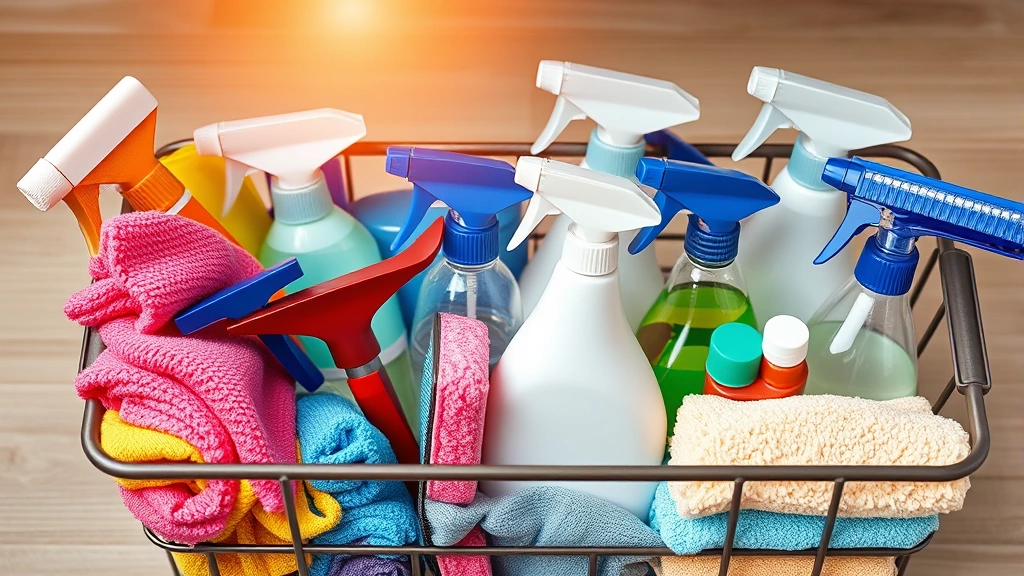
Your equipment and supplies are the foundation of service quality. For residential cleaning, essential items include commercial-grade vacuums, microfiber cleaning cloths, squeegees, mops, buckets, dusting tools, and a variety of cleaning solutions. Invest in quality products that deliver results—cheap equipment leads to poor outcomes, damaged customer relationships, and wasted money on replacements. A good commercial vacuum costs $400-$800, but lasts years and cleans more effectively than consumer models.
Select environmentally friendly cleaning products when possible, as many customers prefer eco-conscious services. Microfiber cloths are superior to traditional rags because they trap more dirt and require fewer cleaning chemicals. Invest in color-coded cloths to prevent cross-contamination between bathrooms and kitchens. Purchase commercial-grade squeegees for streak-free window and glass cleaning, and reliable mops that can be easily cleaned between jobs.
For commercial or specialty services like carpet cleaning or post-construction cleanup, you may need additional equipment such as carpet extractors, HEPA filters, or pressure washers. Start with essential items and gradually expand your equipment as you take on more specialized jobs and grow revenue. Keep a backup supply of frequently used items like cleaning cloths, gloves, and solutions so you never run short during busy periods. Budget $1,000-$3,000 for initial equipment and supplies depending on your service scope.
Develop Your Service Offerings
Clarity in service offerings helps customers understand what you provide and simplifies pricing. Common residential services include standard cleaning (weekly, bi-weekly, or monthly), deep cleaning, move-in/move-out cleaning, and post-party cleanup. Commercial services might include office cleaning, retail space cleaning, and janitorial services. Specialized services like carpet cleaning, window washing, pressure washing, and post-construction cleanup command premium prices and differentiate you from competitors.
Create clear descriptions of each service package. A “standard cleaning” might include dusting, vacuuming, bathroom sanitizing, kitchen cleaning, and mopping. A “deep cleaning” adds tasks like baseboards, inside appliances, and cabinet exterior cleaning. Transparency prevents misunderstandings and ensures customers know exactly what they’re paying for. Consider offering add-on services like organizing, laundry, or organizing as upsells that increase revenue per customer.
Start with 2-3 core services you can deliver excellently rather than attempting to offer every possible service. As you gain experience and hire staff, expand your offerings based on customer demand and your capabilities. Specialization—such as focusing on eco-friendly cleaning or high-end residential properties—can command premium pricing and build a loyal customer base. Document your service procedures in detailed checklists to ensure consistency regardless of who performs the work, maintaining quality as you scale.
Build Your Brand and Online Presence
Your brand communicates your business values, quality standards, and professionalism to potential customers. Choose a memorable business name that’s easy to spell, pronounce, and remember. Much like understanding how to spell restaurant correctly matters for written communication, your business name should reflect professionalism and clarity. Design a simple, professional logo that appears on business cards, uniforms, vehicles, and your website. Your visual identity should convey cleanliness, professionalism, and trustworthiness.
Create a professional website that showcases your services, displays customer testimonials, explains your process, and makes it easy for customers to request quotes or book services. Include high-quality photos of your work (with customer permission), clear service descriptions, and transparent pricing. Ensure your website is mobile-friendly since many customers search for services on smartphones. Use your website to establish credibility by sharing your experience, certifications, and commitment to quality.
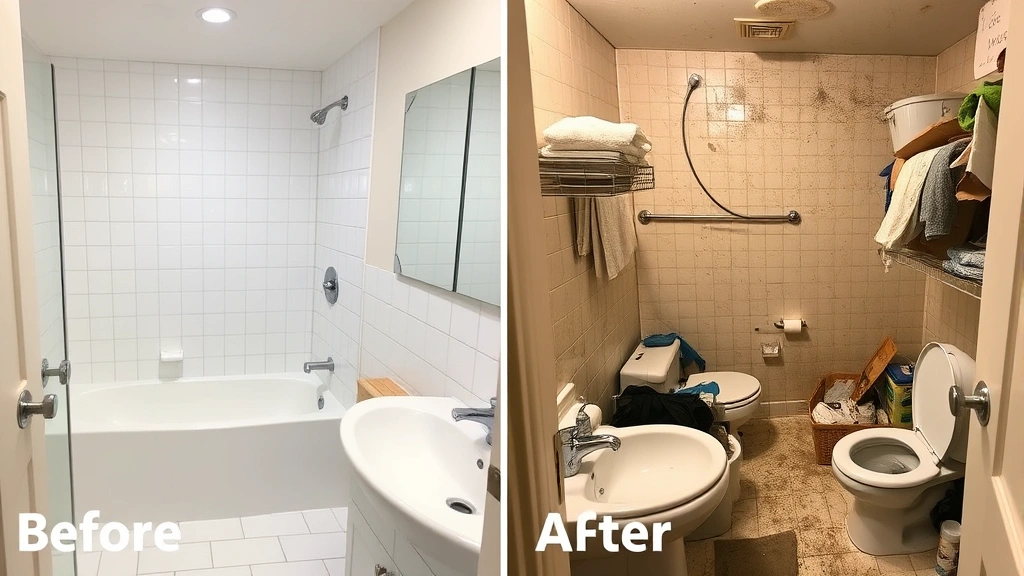
Establish strong social media presence on Facebook, Instagram, and Google Business Profile. Post before-and-after photos of completed jobs, cleaning tips, special offers, and customer testimonials. Encourage satisfied customers to leave reviews on Google and Yelp, as positive reviews significantly influence potential customers’ decisions. Respond promptly and professionally to all reviews, especially negative ones, demonstrating your commitment to customer satisfaction. Consistent, professional online presence builds trust and attracts customers actively searching for cleaning services in your area.

Price Your Services Competitively
Pricing strategy directly impacts your profitability and competitiveness. Research competitor pricing in your market, but don’t automatically match it. Instead, calculate your costs and desired profit margin. Determine your hourly rate by calculating total monthly expenses (equipment, supplies, insurance, marketing, vehicle costs, taxes) and dividing by billable hours. If you have $3,000 monthly expenses and work 100 billable hours monthly, your minimum hourly rate is $30. Add markup for profit—typically 50-100% above costs—resulting in $45-$60 hourly rates.
Offer tiered pricing packages that appeal to different customer segments. A basic cleaning service might cost $100-$150 for a typical apartment, while deep cleaning could be $200-$300. Commercial clients often pay more than residential customers. Time-based pricing (hourly rates) works well for variable-scope jobs, while flat-rate pricing (per-room or per-house) is better for standard services. Many successful cleaning businesses use a combination, charging flat rates for standard cleanings and hourly rates for specialized services.
Don’t undercut prices to win customers—low pricing attracts price-sensitive customers who may not appreciate quality and are likely to leave for cheaper alternatives. Instead, emphasize value: quality service, reliability, trustworthiness, and customer satisfaction. Premium pricing positions you as a quality provider and attracts customers who value results over cost. Offer introductory discounts for first-time customers to reduce their risk in trying your service, then maintain standard pricing for repeat customers.
Implement Effective Marketing Strategies
Effective marketing is essential for acquiring customers consistently. Start with low-cost strategies like asking satisfied customers for referrals and offering referral bonuses ($25-$50 gift cards) when they bring new clients. Referrals from trusted sources convert at higher rates and cost less than other marketing channels. Create referral cards customers can share with friends and family.
Invest in local search optimization by claiming and optimizing your Google Business Profile. Ensure your business name, address, phone number, and hours are accurate and consistent across all online platforms. Encourage customers to leave Google reviews, which significantly impact local search rankings. Write a compelling business description and add high-quality photos of your team, equipment, and completed projects.
Develop targeted local advertising through home improvement communities and neighborhood groups. Join local business networks and chambers of commerce. Distribute flyers in high-traffic areas like community centers, coffee shops, and local bulletin boards. Create simple, eye-catching flyers emphasizing your key benefits and contact information. Partner with real estate agents and property managers who regularly need cleaning services for move-ins, move-outs, and property maintenance.
Consider paid advertising through Google Ads or Facebook ads targeting your local area. Start with modest budgets ($10-$20 daily) and track results carefully. A/B test different ad copy and images to identify what resonates with your target audience. Email marketing to past customers offering seasonal promotions or loyalty programs encourages repeat business and increases customer lifetime value.
Hire and Train Your Team
As your business grows, hiring reliable team members becomes essential. Start by clearly defining job expectations, pay rates, and scheduling. Recruit through local job boards, social media, and referrals from current employees. Screen candidates thoroughly, checking references and conducting background checks—you’re sending employees into customers’ homes and businesses, so trustworthiness is paramount.
Develop comprehensive training programs covering your cleaning standards, customer service expectations, equipment operation, safety procedures, and company policies. Create detailed checklists for each service type so all team members deliver consistent results. Invest in quality uniforms and equipment that make your team look professional and identifiable. Regular training and quality control ensure your growing team maintains the standards that built your reputation.
Create systems for scheduling, invoicing, payment processing, and customer communication that scale as you grow. Use cleaning business software or apps that allow customers to book online, track service history, and pay digitally. Implement performance metrics and regular feedback to maintain high standards. Happy, well-trained employees deliver better service, improve customer satisfaction, and reduce turnover costs.
FAQ
How much money do you need to start a cleaning business?
Initial startup costs typically range from $2,000-$5,000, including equipment ($1,000-$2,000), supplies ($300-$500), insurance ($500-$1,000), licensing and registration ($200-$500), and marketing materials ($200-$500). You can start smaller with $1,000-$2,000 if you already own basic equipment or start as a solo operation from home.
Do you need a license to start a cleaning business?
Licensing requirements vary by location. Most areas require a general business license and tax registration. Some states or municipalities require specific cleaning contractor licenses. Check with your local business licensing office and state regulatory agencies to determine requirements for your area. Proper licensing establishes legitimacy and may be required for commercial clients.
What insurance do cleaning businesses need?
General liability insurance is essential to protect against property damage and injury claims. Workers’ compensation insurance is required by law if you hire employees. Many commercial clients require proof of insurance before hiring. Budget $500-$1,500 annually for insurance depending on coverage levels and your location.
How do you get cleaning business clients?
Acquire clients through referrals, local search optimization (Google Business Profile), social media marketing, partnerships with real estate agents and property managers, local advertising, and paid digital ads. Start with friends, family, and neighbors, then leverage their referrals and online reviews to build momentum. Consistent service quality and customer satisfaction drive organic growth.
What’s a reasonable price for cleaning services?
Residential cleaning typically ranges from $100-$300 per visit depending on home size, service type, and your market. Commercial cleaning is often priced hourly at $35-$75 per hour. Deep cleaning and specialized services command premium pricing. Research local competitor pricing and ensure your rates cover expenses with adequate profit margin.
How do you retain cleaning clients long-term?
Deliver consistent, high-quality service every visit without exception. Communicate professionally and respond promptly to customer concerns. Show appreciation for loyal customers through occasional discounts or loyalty programs. Build personal relationships by remembering customer preferences and following up on their satisfaction. Reliability and quality service create loyal customers who become your best marketing tool through referrals.

Related Posts

Superscript in Google Docs: Expert Tips

Strikethrough in Excel: Easy Steps for Beginners
