
How to Play Bocce Ball? Expert Tips Inside
How to Play Bocce Ball: Expert Tips Inside
Bocce ball is one of the most accessible and enjoyable outdoor games you can learn, combining strategy, precision, and friendly competition. Whether you’re planning a backyard gathering, setting up a game at the park, or simply looking for a new recreational activity, bocce offers something for everyone—from casual players to serious enthusiasts. This ancient game, with roots tracing back to Roman times, has evolved into a modern favorite that requires minimal equipment and maximum fun.
The beauty of bocce ball lies in its simplicity. Unlike many sports that demand years of training and specialized skills, bocce can be picked up in minutes but mastered over a lifetime. In this comprehensive guide, we’ll walk you through everything you need to know about how to play bocce ball, from understanding the basic rules to implementing advanced strategies that will elevate your game. By the end, you’ll be ready to host your own bocce tournament or join a local league with confidence.
Understanding Bocce Ball Basics
Bocce ball is fundamentally a game of precision and positioning. The objective is straightforward: throw your bocce balls closer to a smaller target ball, called the pallino, than your opponents’ balls. The team with the ball closest to the pallino scores points. It’s a game that rewards both accuracy and strategic thinking, making it engaging for players of all ages and physical abilities.
The game has been played for centuries across Europe, with particularly strong traditions in Italy, France, and Spain. Today, bocce is enjoyed worldwide, with organized leagues and tournaments in countries across the globe. What makes bocce so appealing is that you don’t need to be athletic or exceptionally coordinated to play well—instead, focus, patience, and clever strategy matter most. If you’re interested in other outdoor activities, you might also enjoy how to plant sunflower seeds to create beautiful garden spaces for your bocce court.
Bocce works well for various settings: backyard tournaments, casual family gatherings, competitive club play, or therapeutic recreational programs. The game accommodates different mobility levels, making it inclusive for seniors and people with disabilities. Whether you’re playing on grass, sand, or a specially prepared court, the fundamental principles remain the same.
Equipment You’ll Need
Playing bocce ball requires minimal equipment, which is part of its charm. Here’s what you’ll need to get started:
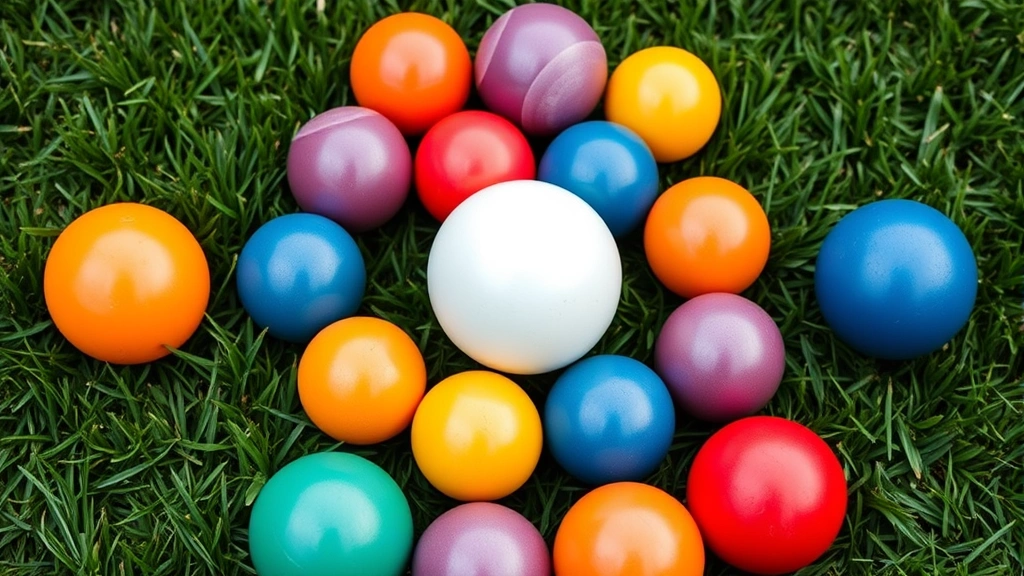
- Bocce Balls: A standard bocce set includes eight large balls (typically 107mm in diameter, weighing about 920 grams). These are divided into two sets of four balls each, with different colors or patterns to distinguish teams. Professional sets use balls made from phenolic resin or composite materials for durability.
- The Pallino: This small target ball is about 40mm in diameter and typically white or a neutral color. It serves as the objective that all players aim to get their bocce balls closest to. The pallino is sometimes called the “jack” in bocce terminology.
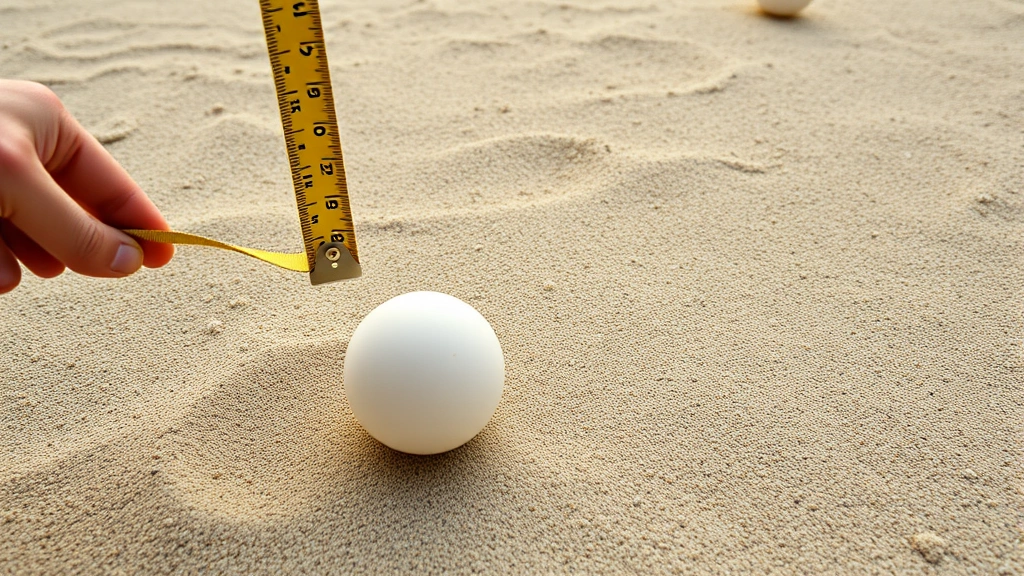
- Measuring Device: While not essential for casual play, a measuring tape or measuring device helps determine which ball is closest to the pallino when the distance is unclear. Most serious players carry a small tape measure.
- Court Markings: Cones, chalk, or rope can mark the boundaries of your playing area, though these are optional for recreational play.
You can purchase bocce ball sets at sporting goods stores, online retailers, or This Old House’s recommended retailers. Starter sets are affordable and perfect for learning, while professional-grade sets offer superior weight distribution and consistency for competitive play. For a casual backyard setup, a basic set costs between $20-50, making bocce one of the most economical outdoor games to start.
Setting Up Your Playing Area
Bocce can be played on virtually any relatively flat surface. The traditional bocce court is a rectangular area approximately 4 meters wide by 12-14 meters long, but casual players adjust dimensions based on available space. Here are setup guidelines for different environments:
- Grass Lawns: A flat, well-maintained lawn is ideal. Mow the grass to a consistent height and clear debris. Mark boundary lines with cones or rope.
- Sand Courts: Rake the sand smooth and level. Sand provides good ball control and is used in many bocce facilities.
- Dirt or Clay: Compact the surface and remove rocks. These surfaces work well for recreational play.
- Bocce-Specific Courts: Some facilities have specially designed courts with pallino stops at each end and precise measurements.
Create a throwing area (called the “pallino line” or “foul line”) about 2 meters from one end of the court. Players must throw from behind this line, though their momentum can carry them forward. Mark two end zones where the pallino should land—typically 3-4 meters from the far end. This ensures the game stays within reasonable boundaries and prevents the pallino from rolling too far.
For backyard play, even a 20-foot-by-10-foot space works perfectly. The key is having a relatively flat, obstacle-free area where balls can roll smoothly. Clear any small rocks, sticks, or debris that might deflect balls unpredictably.
The Rules of Bocce Ball
Understanding the rules is essential before you start playing. Here are the fundamental rules that govern bocce ball:
- Pallino Placement: One team throws the pallino to start the frame (round). It must land within the court boundaries, typically between 3-4 meters from the throwing line. If it doesn’t land properly, it’s thrown again.
- First Bocce Throw: After the pallino is placed, the team that threw the pallino throws their first bocce ball. This is a strategic advantage because they set the initial target position.
- Alternating Throws: The opposing team then throws, attempting to get closer to the pallino. Teams alternate throwing single bocce balls until all balls are thrown.
- Closest Ball Wins: Only the team with the bocce ball closest to the pallino scores points. Each ball from the winning team that’s closer than the opponent’s closest ball counts as one point.
- Frame Completion: After all eight bocce balls are thrown, measure to determine which balls are closest. The team that threw the pallino throws it again for the next frame.
- Game Length: Most bocce games are played to 12, 15, or 21 points, depending on agreed-upon rules. Tournament play often uses 12 or 15 points.
- Foul Balls: If a bocce ball is thrown outside the court boundaries or doesn’t land within the court, it’s removed from play.
These basic rules form the foundation of bocce. However, variations exist, and different regions or clubs may have slightly different rules. Before playing competitively, always clarify the specific rules with your group or league. For more information on recreational activities and rules, check Family Handyman’s recreation guides.
How to Play Step-by-Step
Now that you understand the basics, let’s walk through an actual game of bocce ball:
Step 1: Determine Starting Team
Decide which team goes first. This can be determined by coin flip, a previous game’s winner, or any agreed method. The starting team has a significant advantage because they control the initial pallino placement.
Step 2: Throw the Pallino
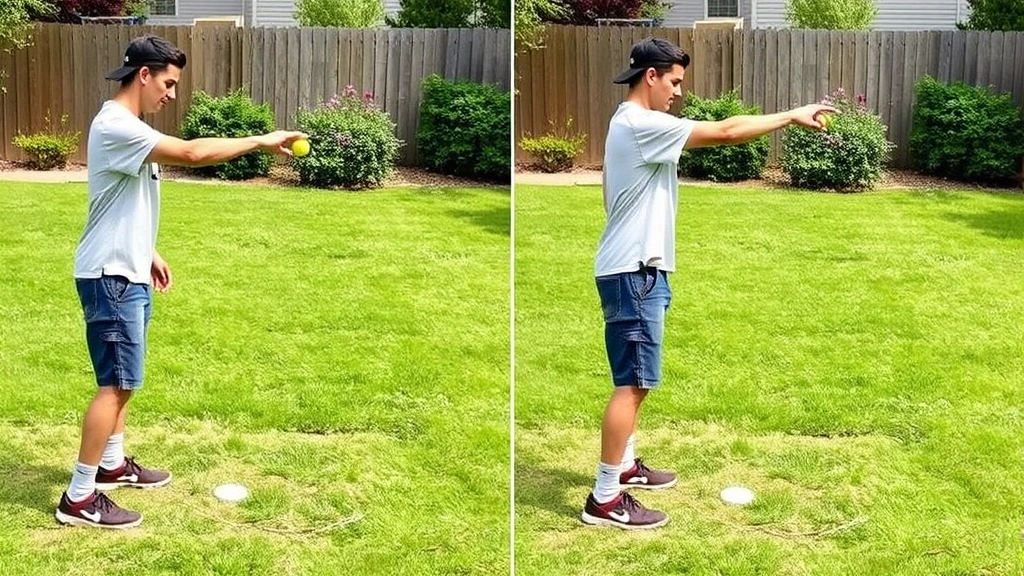
The designated player from the starting team stands behind the foul line and underhand tosses the pallino toward the far end of the court. The pallino should land on the court surface, not in a boundary area. The throw should be gentle and controlled—accuracy matters more than power.
Step 3: Throw the First Bocce Ball
The same player or a teammate throws the first bocce ball, attempting to get it as close as possible to the pallino. This establishes the initial target position. The throw can be underhand or overhand, depending on your preference and style.
Step 4: Opponent’s First Throw
The opposing team now throws their first bocce ball. They’ll try to either get closer to the pallino than the first team’s ball or use a “knock away” strategy (hitting the pallino or the first ball to change positioning). This alternating pattern continues.
Step 5: Continue Alternating
Teams alternate throwing single bocce balls until all eight are thrown. Keep track of which balls belong to which team. Strategy becomes important here—do you try to get closer, or do you knock away opponent balls?
Step 6: Measure and Score
After all balls are thrown, carefully measure the distance from each bocce ball to the pallino. The team with the closest ball scores one point for each of their balls that’s closer than the opponent’s closest ball. For example, if your closest ball is 6 inches from the pallino and the opponent’s closest is 10 inches, you score one point. If your next ball is 12 inches away, you don’t score for that ball.
Step 7: Start the Next Frame
The team that scored throws the pallino for the next frame. If no team scored (a rare occurrence), the same team that threw the pallino previously throws again. Continue playing frames until one team reaches the predetermined point total.
Scoring and Winning
Scoring in bocce is elegantly simple: only one team scores per frame, and they score based on how many balls are closer to the pallino than the opponent’s closest ball. Understanding scoring nuances helps you develop better strategy.
Scoring Examples:
- Team A has balls 6 inches and 14 inches from pallino; Team B has balls 10 inches and 16 inches away. Team A scores 2 points (both their balls are closer).
- Team A has balls 8 inches and 12 inches away; Team B has balls 5 inches and 11 inches away. Team B scores 1 point (only their closest ball is closer than Team A’s closest).
- Team A has balls 7 inches and 9 inches away; Team B has balls 6 inches and 8 inches away. Team B scores 2 points (both balls are closer than Team A’s closest).
A team can score anywhere from 1 to 4 points per frame, depending on positioning. The maximum is 4 points when all four of your bocce balls are closer than any opponent ball. This rarely happens in competitive play but can occur in casual games.
Winning requires reaching your predetermined point target—typically 12, 15, or 21 points. The first team to reach that score wins the game. In tournament play, how to play bocce ball with tournament rules may have tiebreaker procedures if both teams reach the target in the same frame.
Advanced Techniques and Strategies
Once you’ve mastered basic bocce, advanced techniques separate casual players from serious competitors. Here are strategies used by experienced bocce players:
Throwing Techniques:
- The Draw Shot: A controlled, gentle throw aimed at placing your ball close to the pallino. This is the most fundamental technique and requires practice to master distance and accuracy.
- The Knock-Away: An aggressive throw designed to hit opponent balls and move them away from the pallino, or to hit the pallino itself to reposition it. This requires more power and precision but can dramatically change frame dynamics.
- The Bank Shot: Using the court boundaries to bank your bocce ball off the side, allowing it to approach the pallino from an angle. This is useful when direct paths are blocked by opponent balls.
- The Spin Shot: Adding rotation to your bocce ball to create curve during flight. This advanced technique requires significant practice but allows skilled players to navigate around obstacles.
Strategic Considerations:
- Lead Position Advantage: When your ball is closest to the pallino, you control the game’s tempo. Opponents must react to your position rather than setting their own strategy.
- Defensive Positioning: Place balls strategically to block opponent access to the pallino. Create “walls” of bocce balls that force opponents to use aggressive knock-away shots.
- Pallino Placement Strategy: If you’re throwing the pallino, consider court conditions and your team’s strengths. Place it where you have advantages—perhaps closer to a boundary if your opponents struggle with short shots.
- Reading the Court: Develop sensitivity to subtle slopes, surface variations, and how different areas of the court affect ball roll. Every court has unique characteristics.
- Psychology and Pressure: In competitive play, maintaining composure matters significantly. Don’t let opponent successes rattle you; stay focused on your next shot.
Professional bocce players spend years perfecting these techniques. Practice regularly to develop consistency in your throws and develop a feel for how bocce balls behave on your specific playing surface.
Common Mistakes to Avoid
Even experienced players make mistakes. Here are common bocce errors to avoid:
- Poor Pallino Placement: Throwing the pallino too far, too close, or outside boundaries wastes your team’s advantage. Practice pallino throws to develop consistency.
- Crossing the Foul Line: Stepping past the throwing line during your throw results in a foul. Keep your back foot behind the line until your ball is released.
- Inconsistent Throwing Technique: Varying your throw mechanics makes it difficult to develop accuracy. Establish a consistent, repeatable throwing motion and stick with it.
- Ignoring Court Conditions: Different surfaces behave differently. Wet grass slows balls; dry sand allows faster rolling. Adapt your throws to conditions.
- Over-Aggressive Play: Beginners often attempt difficult knock-away shots instead of focusing on simple, accurate draws. Master fundamentals before attempting advanced shots.
- Poor Team Communication: In team play, coordinate with teammates about strategy. Discuss who will throw, what shots to attempt, and how to position balls.
- Misreading Distances: When measuring, be precise. Even small measurement errors affect scoring. When distances are close, use measuring tools rather than eyeballing.
Learning from mistakes accelerates improvement. After each game, discuss what worked and what didn’t with your teammates or opponent. This reflective practice helps develop better decision-making.
Bocce Ball Variations
While standard bocce is the most common version, several variations add different challenges and appeal to different preferences:
Volo Bocce: Played with smaller, harder bocce balls, volo emphasizes aggressive throwing and knocking balls. It’s more dynamic and faster-paced than standard bocce. The game originated in Northern Italy and remains popular there.
Boccia: A Paralympic sport adapted for athletes with physical disabilities. It uses lighter balls and a different throwing technique, allowing broader participation. Boccia has become an Olympic sport and includes international competitions.
Lawn Bowls: Similar to bocce but played with biased bowls (asymmetrical balls) that curve during flight. It’s popular in Commonwealth countries and requires different strategy due to the curved trajectory.
Bocce Golf: A creative variation where players complete a “course” of multiple frames with different pallino positions and distances. It combines bocce with golf-like scoring and competition format.
Cutthroat Bocce: Instead of team play, three or four individual players compete. Each player has their own bocce balls, and scoring is based on individual performance. This format works well for casual play.
Exploring variations keeps bocce fresh and challenging. Many bocce clubs offer leagues in multiple formats, allowing players to experience different styles. Visit USA Bocce for information about official organizations and variations.
FAQ
What’s the difference between bocce and boccia?
Bocce is the recreational game played worldwide on various surfaces. Boccia is a Paralympic sport with specific rules, equipment, and competitions. Boccia uses lighter balls and accommodates athletes with disabilities, making it more inclusive. Both share fundamental concepts but differ in formality and accessibility requirements.
How many players can play bocce?
Bocce accommodates 2-4 players per team, though informal games can have more. Standard competition uses two teams of two or four players. Recreational play is flexible—singles matches, doubles, or larger group games all work well. Visit the FixWiseHub Blog for more recreational activity ideas.
What surface is best for bocce?
Grass, sand, and clay all work well for bocce. Professional courts use specially prepared surfaces, but casual players adapt to available areas. Grass is most accessible for home use. Ensure the surface is relatively flat and free of obstacles that might deflect balls unpredictably.
How do you throw a bocce ball?
Bocce balls can be thrown underhand or overhand, depending on preference. Most players use an underhand, pendulum-like motion for better control. Stand with feet shoulder-width apart, hold the ball at waist level, swing it gently backward and forward, and release smoothly. Practice develops consistency and accuracy.
Can bocce be played indoors?
Yes, bocce can be played indoors on smooth floors like gymnasium surfaces or specially prepared indoor courts. However, most bocce is played outdoors. Indoor bocce requires careful surface preparation and is less common than outdoor play.
What’s a good bocce set for beginners?
Beginner sets typically cost $25-50 and include eight bocce balls and one pallino. Look for sets made from durable composite or phenolic resin materials. Brands available at sporting goods retailers and online stores offer quality starter sets. As you develop skill, you can upgrade to professional-grade equipment.
How long does a bocce game last?
Casual games typically last 30-45 minutes, while competitive matches might run 45-90 minutes depending on skill level and point target. Games to 12 points play faster than games to 21 points. Factors like player experience, decision-making time, and measurement disputes affect duration.
Is bocce an Olympic sport?
Standard bocce is not an Olympic sport, though boccia (the Paralympic adaptation) is part of the Paralympic Games. Bocce has international governing bodies and world championships, but it hasn’t been included in the Olympic program. For information about bocce organizations, Bocce Ball Association provides resources.

Related Posts

Superscript in Google Docs: Expert Tips

Strikethrough in Excel: Easy Steps for Beginners
