
Learn to Play Bocce Ball: Expert Tips Inside
Learn to Play Bocce Ball: Expert Tips Inside
Bocce ball is a timeless lawn game that combines strategy, precision, and friendly competition. Whether you’re setting up a backyard entertainment space or joining a local bocce league, understanding the fundamentals will elevate your game significantly. This ancient sport, with roots tracing back to Roman times, remains one of the most accessible and enjoyable outdoor activities for players of all ages and skill levels.
The beauty of bocce ball lies in its simplicity—the basic objective is straightforward, yet mastering technique and strategy takes practice and dedication. In this comprehensive guide, we’ll walk you through everything you need to know to become a confident bocce player, from understanding the equipment to executing advanced throwing techniques and developing winning strategies.
Understanding Bocce Ball Basics
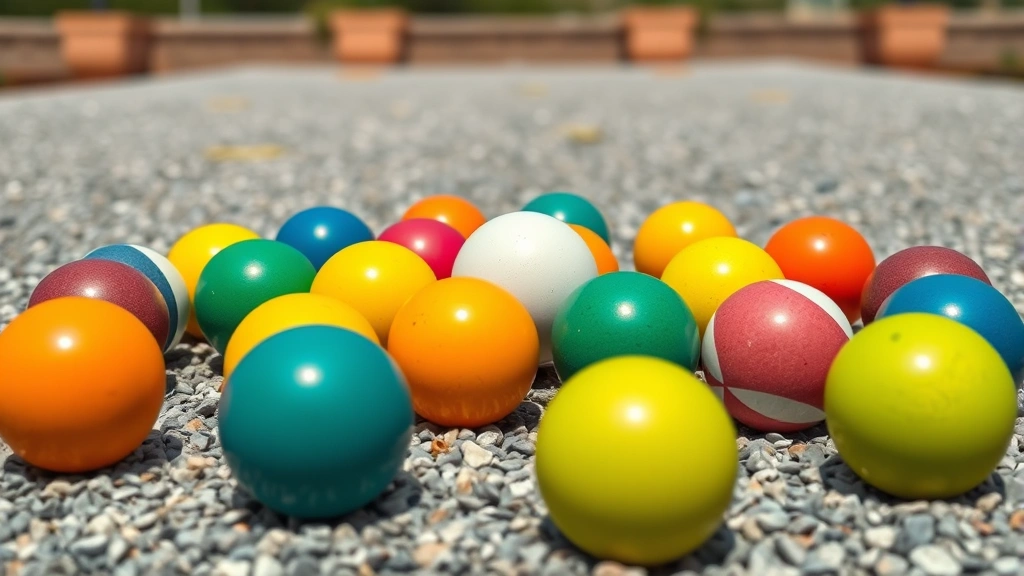
Bocce ball is fundamentally a game of precision targeting. The core concept involves throwing larger balls, called bocce, as close as possible to a smaller target ball known as the pallino or jack. Teams or individual players take turns rolling their bocce balls toward the pallino, with points awarded based on proximity.
The game originated in ancient Rome and spread throughout Europe, eventually reaching North America in the 19th century. Today, bocce is played recreationally in backyards worldwide and competitively through organized leagues and tournaments. Understanding the basic premise—getting your balls closer to the pallino than your opponent—provides the foundation for everything else.
In traditional bocce, games are typically played between two players or two teams of two to four players each. Each player or team has four bocce balls, usually distinguished by color or pattern. The pallino, typically white and about one-quarter the size of a bocce ball, serves as the target throughout the frame (round).
Essential Equipment You’ll Need
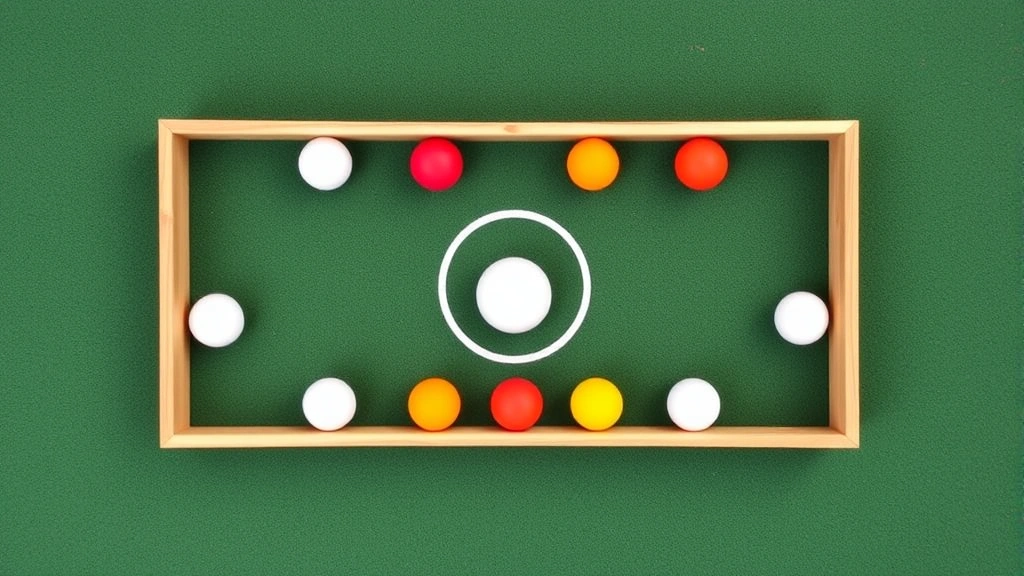
To play bocce ball, you’ll need surprisingly minimal equipment. The most important items are the bocce balls themselves and the pallino. Quality equipment enhances your experience and allows for better technique development.
Bocce Balls: Standard bocce balls measure approximately 107 millimeters in diameter and weigh between 280 and 340 grams. They’re typically made from resin, plastic, or leather-covered composition materials. For recreational play, basic plastic bocce sets work perfectly fine. However, serious players often invest in higher-quality resin balls that offer better control and durability. Most bocce sets come in pairs of four balls, with two colors to distinguish between teams.
The Pallino: This small target ball measures about 40 millimeters in diameter and is usually white. Quality pallinos are made from similar materials as bocce balls, though plastic versions suffice for casual play. Some players prefer slightly heavier pallinos for outdoor play on uneven terrain.
Additional Accessories: While not strictly necessary, several accessories enhance gameplay. A measuring device helps determine which ball is closest when the difference is marginal. A bocce ball carrying bag protects your investment and makes transport convenient. A measuring tape or string proves invaluable for settling close calls during competition. Consider visiting Family Handyman for guidance on creating a dedicated bocce court area in your yard.
Setting Up Your Playing Area
Creating an appropriate playing surface is crucial for consistent gameplay and skill development. The ideal bocce court provides a level, uniform playing surface that allows balls to roll predictably.
Court Dimensions: Regulation bocce courts measure 4 meters wide and 27 meters long, though recreational courts can be smaller. For backyard play, a 12 by 60-foot area works well. The court should have clearly marked boundaries, typically using lines or edging.
Surface Materials: Professional bocce courts use crushed stone, clay, or synthetic materials specifically designed for the sport. For recreational backyard bocce, several options work effectively. Decomposed granite provides an affordable, accessible surface that’s easy to maintain. Crushed oyster shells offer excellent ball roll characteristics. Even well-maintained grass can serve as a bocce surface, though it requires regular mowing and leveling. Some players use bocce ball mats for portable, temporary courts.
When preparing your surface, ensure it’s as level as possible. Grade the area to eliminate high spots and low areas that would affect ball roll. Compact the surface material to create a firm, consistent playing field. Regular raking and maintenance keep your court in optimal condition.
Environmental Considerations: Place your bocce court in a location with good drainage to prevent water accumulation. Slight afternoon shade helps players avoid glare and heat stress during extended play. Ensure the area is free from obstacles that could interfere with play or create hazards.
Official Rules and Scoring
Understanding bocce ball rules ensures fair play and prevents disputes during games. While variations exist regionally, the basic rules remain consistent.
Game Flow: One team or player begins by tossing the pallino into the court, typically 10 to 16 feet from the starting line. The player or team that tossed the pallino then throws their first bocce ball. The opposing team subsequently throws their first bocce ball. Teams alternate throwing bocce balls until all balls are in play.
Scoring System: After all bocce balls are thrown, scoring occurs. Only the team with the bocce ball closest to the pallino scores points. That team receives one point for each of their balls that is closer to the pallino than any opposing ball. For example, if your team has two balls closer to the pallino than your opponent’s closest ball, you score two points.
Winning Conditions: Games typically continue until one team reaches 12, 15, or 21 points, depending on agreed-upon rules. Tournament play often uses 21 points as the winning score. Some casual games play to a predetermined number of frames rather than points.
Special Rules: If a bocce ball knocks the pallino outside the court boundaries, the pallino returns to its original position and all balls are retrieved. Bocce balls that exit the court boundaries are removed from play for that frame. If all bocce balls from both teams are out of bounds, the frame is replayed.
Mastering Your Throwing Technique
Developing proper throwing technique is essential for improving accuracy and consistency. While bocce allows various throwing styles, certain fundamentals apply across techniques.
The Grip: Hold the bocce ball with a relaxed grip using your entire hand. Your fingers should curve naturally around the ball without tension. Avoid gripping too tightly, as this restricts your wrist motion and reduces control. The ball should rest comfortably in your palm with fingers providing guidance rather than constraint.
Stance and Positioning: Stand with your feet shoulder-width apart, with your non-throwing shoulder pointed toward your target. Keep your knees slightly bent for stability and balance. Position yourself comfortably within the designated throwing area, typically a small rectangle at the court’s end.
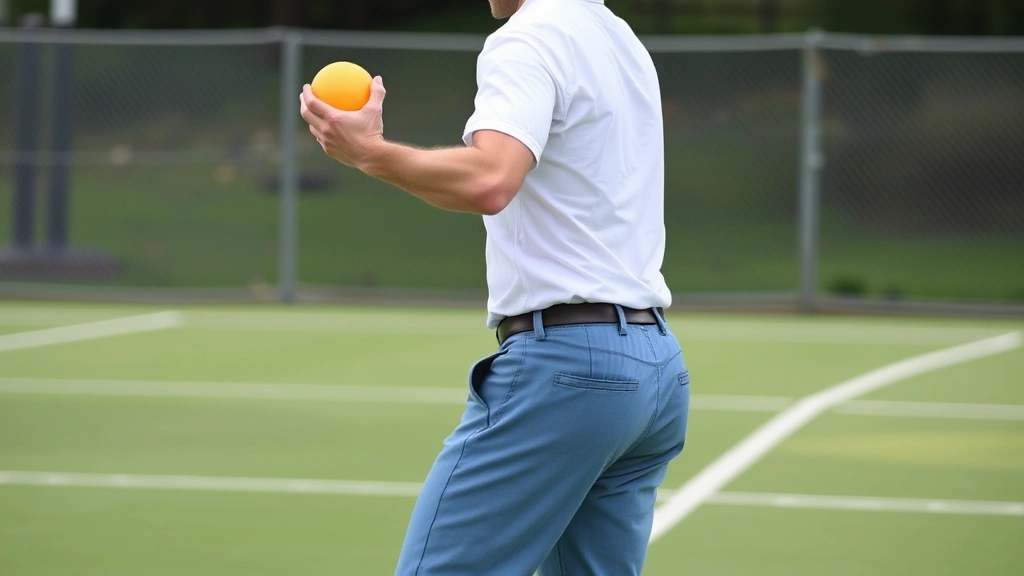
The Underhand Roll: The most common bocce throwing technique is the underhand roll. Swing your throwing arm backward like a pendulum while keeping your elbow relatively straight. Your arm should move smoothly from back to front, releasing the ball at approximately waist height. The ball should roll forward along the court surface rather than bounce or arc through the air. Follow through with your arm continuing forward after release, maintaining your balance throughout the motion.
The Lob Throw: For advanced players, the lob throw involves tossing the ball in an arc, allowing it to land softly near the pallino. This technique requires practice but offers advantages when obstacles block a direct rolling path. Release the ball from chest height with an upward motion, aiming for a high arc that lands gently on the court.
Spin and English: Advanced players impart spin on their bocce balls to curve their trajectory or influence rolling direction. Rotating your wrist slightly during release creates sidespin, causing the ball to curve left or right. This technique requires significant practice but provides valuable strategic advantages.
Distance and Accuracy Practice: Develop consistency by practicing at various distances. Start close to the pallino, gradually increasing distance as your accuracy improves. Throw from different court positions to understand how angle and distance affect your technique. Keep detailed notes about successful throws to identify patterns and refine your approach. Many players benefit from video analysis of their technique, allowing them to identify flaws and make adjustments.
Strategic Play and Advanced Tactics
Beyond basic technique, strategic thinking separates good players from great ones. Bocce strategy involves both offensive and defensive positioning.
Offensive Strategy: When your team has the closest ball to the pallino, your objective shifts to maintaining that advantage. Throw balls designed to stay close to the pallino while blocking opponent access. Place balls strategically to create clusters that protect your scoring position. Be aggressive when you have a significant advantage, but avoid unnecessary risks that could result in point loss.
Defensive Strategy: When trailing, your goal is displacing your opponent’s balls or moving the pallino to a more favorable position. Throw with intention to knock opponent balls away from the pallino or nudge the pallino itself. Defensive throws require precision—missing your target often worsens your position. Sometimes strategic placement of your own balls creates defensive barriers, complicating your opponent’s next throw.
Reading the Court: Successful players develop court reading skills. Observe how balls roll on your specific court surface. Note areas where balls tend to slow down or accelerate. Understand how surface variations affect ball trajectory. This knowledge allows you to adjust your throws based on court conditions rather than relying solely on technique.
Pallino Placement Advantage: The team that places the pallino gains significant first-throw advantage. Use this opportunity strategically. Place the pallino in areas that favor your throwing style or distance preferences. Consider your team’s strengths when deciding pallino placement.
Team Communication: In team bocce, communication between partners is crucial. Discuss strategy before each frame. Share observations about court conditions and opponent tendencies. Coordinate throws to maximize team advantage. A well-coordinated team often defeats more skilled but uncoordinated opponents.
Common Mistakes to Avoid
Learning from others’ mistakes accelerates your improvement. Recognizing and correcting common bocce errors prevents frustrating losses and bad habits.
Grip and Tension: Many beginners grip the bocce ball too tightly, causing jerky, inaccurate throws. Consciously relax your hand and fingers. Practice with a lighter grip until smooth release becomes natural. Excessive tension throughout your arm and shoulder also inhibits smooth motion. Develop body awareness to identify and eliminate unnecessary tension.
Inconsistent Follow-Through: Stopping your arm abruptly after release creates inconsistent throws. Complete your follow-through, allowing your arm to continue its motion naturally. This ensures smooth ball release and consistent results. Video yourself throwing to verify your follow-through consistency.
Overcommitting to Aggressive Throws: Inexperienced players often attempt risky throws that backfire. Conservative, accurate throws typically outperform aggressive attempts with low success rates. Calculate risk versus reward before committing to difficult throws. A safe, predictable throw often proves superior to a spectacular miss.
Neglecting Court Reading: Failing to observe how balls behave on your specific court leads to repeated errors. Spend time understanding your court’s characteristics. Adjust your technique based on actual ball behavior rather than expecting textbook results on every surface.
Poor Pallino Placement: Placing the pallino in positions that disadvantage your team wastes your throwing advantage. Consider your team’s strengths when choosing pallino placement. Avoid placing it in areas that favor your opponent’s style.
Inadequate Practice: Bocce skill develops through consistent practice. Occasional casual play doesn’t build the muscle memory and court sense necessary for competitive success. Dedicate regular practice sessions to specific aspects of your game. If you’re creating a dedicated outdoor space, check This Old House for comprehensive guidance on yard setup and maintenance.
FAQ
What’s the difference between bocce and bocce ball?
Bocce and bocce ball are the same game, with bocce being the traditional Italian name and bocce ball being the common English term. The game has various regional names, including bowls in some countries, but all refer to the same basic sport of rolling balls toward a target pallino.
Can bocce be played on grass?
Yes, bocce can be played on grass, though it’s not ideal for competitive play. Grass surfaces are less predictable than specialized bocce court materials. For casual recreational play, well-maintained grass works adequately. If you’re serious about the sport, investing in a proper bocce court surface significantly improves your experience and skill development.
How many people can play bocce?
Bocce accommodates various player configurations. Singles matches involve one-on-one competition. Doubles matches feature two-player teams. Triples and four-player teams are also possible. The number of bocce balls each player throws adjusts based on player count, but the fundamental game mechanics remain consistent.
What’s the official bocce ball weight and size?
Regulation bocce balls measure 107 millimeters in diameter and weigh between 280 and 340 grams. The pallino measures approximately 40 millimeters in diameter. For casual recreational play, these specifications are guidelines rather than strict requirements, but tournament play enforces these standards.
How do I improve my bocce accuracy?
Consistent practice is the primary method for improving accuracy. Focus on developing smooth technique, eliminating unnecessary tension, and understanding your specific court characteristics. Practice at various distances and angles. Record yourself throwing to identify technique flaws. Play regularly against opponents of varying skill levels. Consider joining a local bocce league for structured practice and feedback from experienced players.
What surface material is best for a home bocce court?
Decomposed granite and crushed stone are popular choices for home bocce courts due to affordability and availability. Crushed oyster shells provide excellent rolling characteristics. Professional-grade synthetic bocce court materials offer the most consistent surface but come at higher cost. For budget-conscious homeowners, well-maintained grass or even bocce ball mats provide adequate surfaces for casual play. Consider checking Lowe’s or The Home Depot for court surface materials and bocce equipment.
Are there different bocce rule variations?
Yes, regional and organizational variations exist. The basic game principles remain consistent, but scoring systems, winning point thresholds, and specific rule interpretations vary by location and organization. When joining a new league or group, clarify their specific rules before playing competitively. Most casual recreational play follows standard international rules.
Can children play bocce?
Absolutely! Bocce is one of the most age-inclusive sports available. Children as young as five can participate in modified versions using lighter balls. The sport develops hand-eye coordination, strategic thinking, and sportsmanship. Many families enjoy bocce as a multigenerational activity. Ensure children use appropriately sized equipment and understand basic safety guidelines regarding proper throwing areas.

Related Posts

Superscript in Google Docs: Expert Tips

Strikethrough in Excel: Easy Steps for Beginners
