
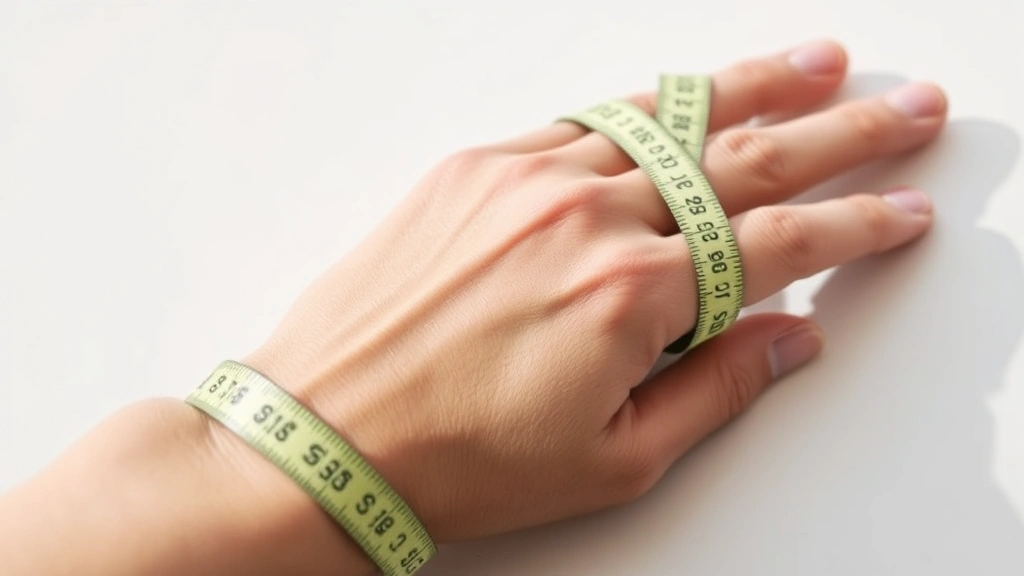
Measure Ring Size at Home: Pro Tips Inside
How to Measure Your Ring Size at Home: Pro Tips Inside
Getting the perfect ring fit doesn’t require a trip to the jewelry store. Whether you’re shopping for an engagement ring, wedding band, or fashion piece, knowing how to measure your ring size accurately at home can save you time, money, and the hassle of resizing later. With just a few simple tools and techniques, you can determine your exact ring size in minutes.
Ring sizing is more precise than many people realize, and small measurement errors can result in an uncomfortable fit or an ill-fitting piece that requires professional adjustment. The good news is that measuring at home is straightforward when you follow the right methods. This guide walks you through multiple proven techniques, common mistakes to avoid, and insider tips that jewelry professionals use to ensure perfect sizing every time.
Why Accurate Ring Sizing Matters
An improperly sized ring can slip off unexpectedly, cause discomfort, or leave marks on your finger. Too tight, and circulation becomes restricted; too loose, and you risk losing a valuable piece. Professional jewelers understand that ring sizing is a critical component of the purchase experience, which is why they invest in precision sizing tools and techniques.
When you size a ring correctly from the start, you avoid the expense and inconvenience of professional resizing. Many jewelers charge between $25 and $100 for resizing, depending on the metal type and complexity. By taking accurate measurements at home, you can make informed purchasing decisions and ensure that your rings arrive ready to wear.
Temperature, time of day, and even water retention can affect finger size slightly, so understanding these variables helps you choose the most accurate measurement window.
Tools You’ll Need for Home Ring Measurement
The beauty of measuring ring size at home is that you likely already have most of the tools required. Here’s what professional jewelers recommend:
- Flexible measuring tape: A soft cloth measuring tape (like those used for sewing) works better than rigid metal tapes because it conforms to your finger’s shape
- String or yarn: Any non-stretchy string works perfectly for wrapping around your finger
- Paper strips: Plain printer paper cut into strips provides a simple, accessible measuring tool
- Ruler or measuring stick: A standard ruler with clear markings in both inches and millimeters ensures accurate conversions
- Existing rings: If you already own rings that fit comfortably, these become your reference point
- Ring sizing chart: A printable chart helps convert your measurements to standard ring sizes
- Pen or marker: Use this to mark your measurement on string or paper
According to This Old House, precision in home measurement projects requires the right tools and careful technique. The same principle applies to ring sizing.
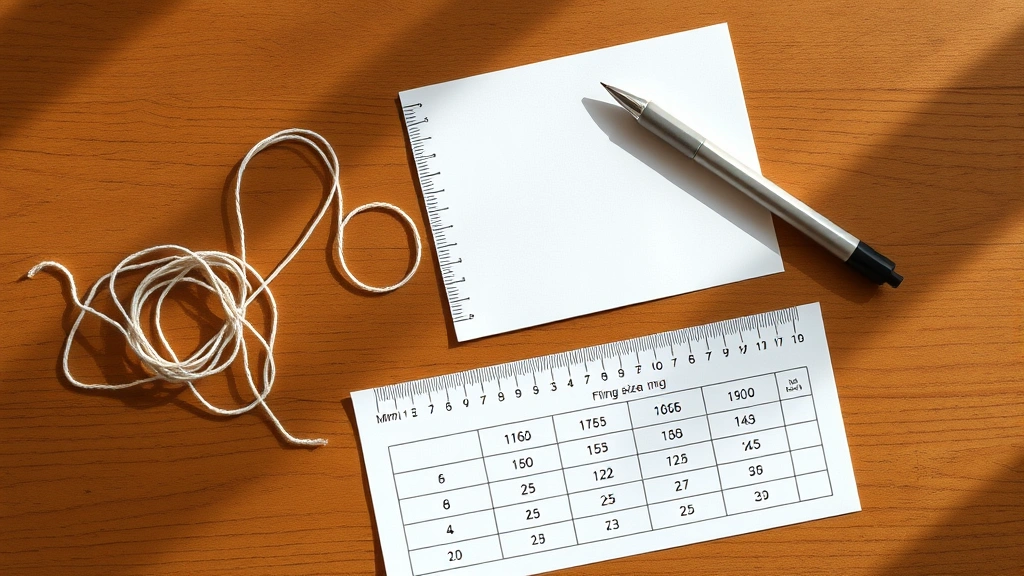
Method 1: The String or Yarn Technique
This is the most popular method used by both professionals and home measurers. Here’s how to do it correctly:
- Choose the right time: Measure your finger in the evening when it’s slightly swollen, or after a warm shower. Fingers are smallest in the morning and can swell during the day
- Wrap the string: Take a piece of non-stretchy string or yarn and wrap it around the base of the finger where you’ll wear the ring. Don’t pull too tight—you should be able to slip a piece of paper underneath
- Mark the overlap: Use a pen to mark where the string overlaps itself, creating a complete circle
- Measure the length: Lay the string flat on a ruler and measure from the end to your marked point in millimeters. Record this measurement
- Convert to ring size: Use a ring size conversion chart to translate your measurement into a standard ring size
This method works particularly well because string molds perfectly to your finger’s unique shape. Unlike rigid tools, string accounts for the natural variations in finger dimensions that can affect fit.
Method 2: The Paper Strip Method
If you don’t have string handy, plain paper works just as effectively. This method is particularly useful because you can keep the paper strip as a reference:
- Cut a paper strip: Tear or cut a strip of paper about half an inch wide and several inches long
- Wrap around your finger: Wrap the paper around the base of your finger with moderate tension—not too tight, not too loose
- Mark the fit: Use a pen to mark where the paper overlaps, indicating a complete circle
- Measure the circumference: Unwrap the paper and measure the distance from the end to your mark using a ruler
- Double-check: Wrap the paper around your finger again to verify the measurement is accurate
Many people prefer this method because paper is readily available in every household. The slight texture of paper also prevents it from slipping as easily as smooth string might.
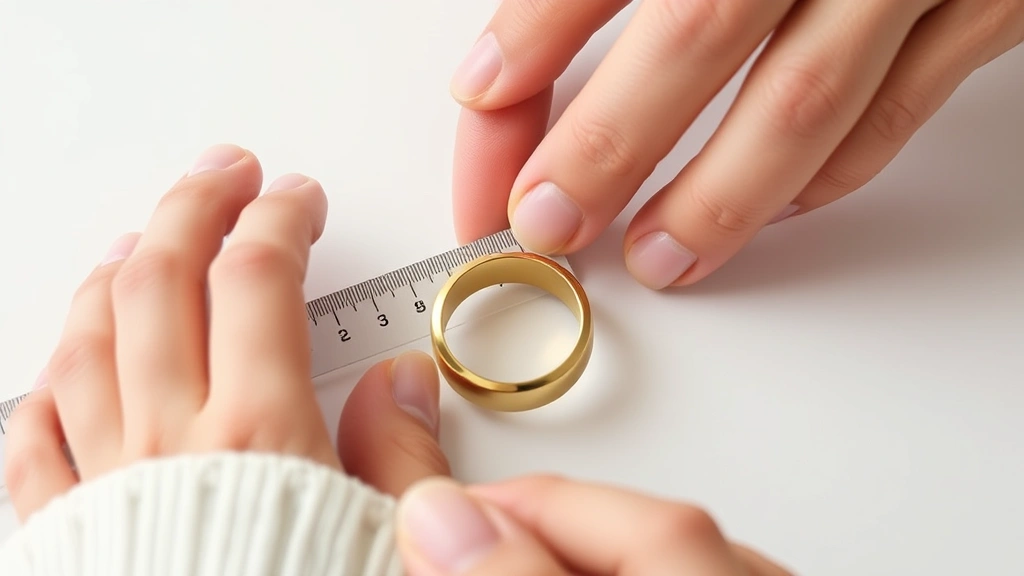
Method 3: Using an Existing Ring
If you already own rings that fit perfectly, you can use them as sizing references. This method eliminates guesswork:
- Select a comfortable ring: Choose a ring you wear regularly and that fits without pinching or slipping
- Measure the inner diameter: Place the ring on a ruler and measure straight across the widest part of the inner circle. Measure from the inside edge to the opposite inside edge
- Record the measurement: Write down this diameter measurement in millimeters
- Consult a sizing chart: Use a standard ring size chart to find which size corresponds to your measured diameter
- Account for width differences: Remember that wider rings may feel tighter, so consider sizing up slightly if your new ring will be wider than your reference ring
This approach is particularly reliable because you’re measuring an actual ring rather than estimating from your finger. However, it only works if you have an existing ring in the correct size.
Method 4: The Water Displacement Method
For those seeking maximum precision, the water displacement method provides scientific accuracy:
- Gather materials: You’ll need a tall glass, water, your ring, a ruler, and a marker
- Fill the glass: Pour water into the glass until it’s about three-quarters full
- Mark the water level: Use a marker to mark the current water level on the outside of the glass
- Submerge the ring: Place your ring (not your finger) into the water and mark the new water level
- Measure the displacement: The distance between the two marks indicates your ring’s volume, which correlates to its size
- Convert using formulas: Ring size calculators can convert volume to diameter and then to standard sizes
While this method works for existing rings, it’s less practical for measuring finger size directly. It’s most useful when you’re trying to match a ring size without trying it on.
Converting Measurements to Ring Sizes
Once you’ve measured your finger circumference or ring diameter, converting that measurement to a standard ring size requires understanding sizing standards. Most ring sizes follow these parameters:
- US sizing: Ranges from size 1 (smallest) to size 13 (largest), with half-sizes available
- Circumference correlation: Each full size represents approximately 2.4 millimeters of circumference difference
- Diameter measurements: Inner diameter measurements directly correspond to ring sizes through standard charts
- International variations: European, UK, and other international markets use different sizing systems
Standard conversion charts show that a US size 7 ring has an inner circumference of approximately 55.8 millimeters. Each size up adds roughly 2.4 millimeters to the circumference. By knowing your circumference measurement, you can calculate your size mathematically or use online sizing tools.
When you’re ready to find your ring size, remember that these conversions are standardized across the jewelry industry, so your measurements will be consistent whether you shop online or in-store.
Pro Tips for Accurate Measurements
Professional jewelers follow specific protocols to ensure accuracy. Apply these insider techniques to your home measurements:
- Measure multiple times: Take three separate measurements and average them. Small variations are normal, so averaging eliminates outliers
- Measure both hands: Ring fingers on each hand may be slightly different sizes. Measure both and use the larger measurement
- Account for temperature: Cold fingers are smaller than warm fingers. Measure when your hands are at normal temperature
- Consider your lifestyle: If you do manual work, you might want a slightly tighter fit to prevent slipping. For dress rings, a slightly looser fit is more comfortable
- Test the fit: If possible, borrow a ring in your calculated size and wear it for several hours before purchasing
- Use a professional sizing tool: Many jewelry retailers offer free sizing guides or rings you can try on in-store
- Consult ring size charts: Family Handyman and jewelry retailers provide detailed sizing charts with multiple measurement options
The most successful home measurers take their time and verify their results using multiple methods. If two methods give you different sizes, the average usually represents your true size.
Common Mistakes to Avoid
Even careful measurers can make errors that result in incorrect sizing. Watch out for these common pitfalls:
- Measuring too tightly: Wrapping string or paper too snugly restricts blood flow and gives you a smaller measurement than accurate. Your measurement tool should slide easily under your fingernail
- Measuring at the wrong time: Fingers swell during the day, especially in hot weather or after exercise. Measure in consistent conditions for reliable results
- Using stretchy materials: Elastic string or stretchy yarn will compress when measured, giving inaccurate results. Stick with non-stretchy options
- Ignoring half-sizes: If your measurement falls between sizes, don’t round down. Half-sizes exist for a reason and provide better fit
- Forgetting to account for ring width: Wide bands feel tighter than narrow bands, so very wide rings might require sizing up by half a size
- Measuring the wrong finger: Ring fingers vary in size. Always measure the specific finger where you’ll wear your ring
- Not converting correctly: Double-check your measurement-to-size conversion using multiple resources to ensure accuracy
Understanding these mistakes helps you avoid the frustration and expense of ordering the wrong size and waiting for exchanges or resizing.
Ring Size Charts and Standards
Standard ring sizing charts provide the reference data you need to convert your measurements accurately. These charts show:
- Inner circumference in millimeters for each size
- Inner diameter measurements
- Equivalent sizes in international systems
- Visual representations of actual ring sizes
Most jewelry retailers and online marketplaces provide printable sizing charts. James Allen and similar retailers offer detailed charts that show both US and international sizes. Keep a printed chart handy when measuring to streamline your conversion process.
When you resize a ring professionally, jewelers use these same standard charts, so your home measurements will align perfectly with professional standards. This consistency means you can shop with confidence knowing that your measurements are universally recognized.
For the most comprehensive reference, consult multiple sources. Lowe’s and Home Depot carry measuring tools designed for precision, and similar precision principles apply to ring measurement as to home improvement projects.
FAQ
What if I’m between two ring sizes?
If your measurement falls between sizes, choose the larger size. Rings that are too loose are easier to resize down than rings that are too tight. Many jewelers can add sizing beads or bands to loosen a ring, but tightening requires removing metal.
Should I measure my finger when it’s swollen or normal?
Measure when your finger is at its normal, everyday size. This is typically in the evening after a full day. Avoid measuring immediately after exercise, in extreme heat, or first thing in the morning when fingers are smallest.
Can I measure ring size using just my finger circumference?
Yes, finger circumference is the most direct measurement method. Wrap string around your finger at the widest point where you’ll wear the ring, mark the overlap, and measure the string. This circumference directly converts to ring size.
What’s the difference between US and international ring sizes?
The US system uses numbers 1-13 with half-sizes. European systems use different numbering. Always verify which sizing system your retailer uses before purchasing. Many online retailers provide conversion charts for international customers.
How do I know if a ring is too tight or too loose?
A properly fitting ring slides over your knuckle with slight resistance and sits snugly on your finger without cutting off circulation. You should be able to slip a piece of paper underneath, but the ring shouldn’t rotate freely on your finger.
Can I measure my ring size if I have arthritis or swelling issues?
Yes, but measure when swelling is at its minimum—typically in the morning or after elevation. If swelling varies significantly, consider sizing up slightly for comfort. Consult with a jeweler about sizing options for variable finger sizes.
Is it better to measure at a jewelry store or at home?
Both methods work when done correctly. Home measurement is convenient and private, while jewelry store measurement uses professional tools. Many people use home measurement as a starting point, then verify with a professional before making a purchase.

Related Posts

Superscript in Google Docs: Expert Tips

Strikethrough in Excel: Easy Steps for Beginners
