
How to Fix Salty Food? Chef-Approved Tips
How to Fix Salty Food: Chef-Approved Tips to Rescue Your Dish
We’ve all been there—you’re excited about the meal you’ve prepared, take a bite, and immediately realize you’ve added too much salt. Whether it’s an oversalted soup, a heavily seasoned sauce, or a brined protein that turned out saltier than expected, an overly salty dish can feel like a cooking disaster. The good news? Most salty dishes can be rescued with the right techniques and a bit of culinary knowledge.
Salt is one of the most important seasonings in cooking, but it’s also one of the easiest to overdo. Unlike other mistakes in the kitchen, excess salt doesn’t always mean starting from scratch. Professional chefs have developed numerous methods to neutralize saltiness, and many of these techniques are simple enough for home cooks to master. In this comprehensive guide, we’ll walk you through proven strategies to fix salty food, whether you’re dealing with soups, sauces, rice dishes, or proteins.
Understanding Why Salt Overwhelms Dishes
Before jumping into solutions, it’s helpful to understand why salt becomes overwhelming in certain dishes. Salt enhances flavor perception and brings out the natural tastes in food. However, when too much is added, it suppresses other flavors and creates an unpleasant, one-dimensional taste profile. The salt receptors on your tongue become overwhelmed, making it difficult to enjoy the subtle flavors you’ve worked to develop.
Different dishes accumulate salt at different rates. Dishes with liquid components like soups and stews tend to concentrate salt as they simmer. Proteins absorb salt during brining or curing processes. Rice and pasta dishes can become oversalted if cooked in heavily salted water. Understanding these patterns helps you apply the right fixing technique for your specific situation.
The key to fixing oversalted food is balancing the salt with other flavor elements rather than simply removing it. Since salt is already incorporated into the dish, you’ll need to either dilute it, counterbalance it with other flavors, or absorb some of it through strategic ingredient additions.
The Dilution Method: Adding Unseasoned Ingredients
The most straightforward approach to fixing salty food is dilution—adding more of the base ingredient without additional salt. This method works particularly well for soups, stews, and sauces where you have liquid components to work with.
For soups and broths: Add unsalted broth, water, or stock to gradually reduce the salt concentration. Start by adding small amounts—about one-quarter to one-half cup at a time—and taste as you go. This prevents you from over-diluting and losing the dish’s intended flavor profile. If you’re working with rice-based dishes, you might add unsalted cooking liquid to help redistribute the salt.
For sauces: Incorporate additional unseasoned sauce base or cream. If you’re fixing a tomato sauce, add unsalted tomato juice or crushed tomatoes. For cream sauces, add heavy cream or milk. This not only dilutes the salt but also maintains the sauce’s consistency and body.
For stews and braised dishes: Add unseasoned vegetables, broth, or water depending on what works best with your recipe. Root vegetables absorb liquid, which can help distribute and mellow the salt throughout the dish. Make sure any new ingredients you add are already cooked or will cook through completely.
The dilution method requires patience—you’ll need to simmer the dish longer to allow flavors to rebalance. Taste frequently and add small amounts of unseasoned ingredient at a time. This methodical approach prevents you from creating a bland, over-diluted dish while addressing the saltiness problem.
Using Acidic Ingredients to Balance Saltiness
Acidity is a chef’s secret weapon for combating excess salt. Acidic ingredients don’t remove salt, but they mask saltiness by engaging different taste receptors and creating flavor complexity. When salt meets acidity, the palate perceives a more balanced, interesting dish.
Vinegar solutions: Add vinegar in small increments—start with one-half teaspoon and work up. White vinegar, apple cider vinegar, red wine vinegar, or rice vinegar all work depending on your dish. A splash of vinegar in an oversalted soup or stew can dramatically improve the flavor profile. The acidity cuts through the salt and adds depth.
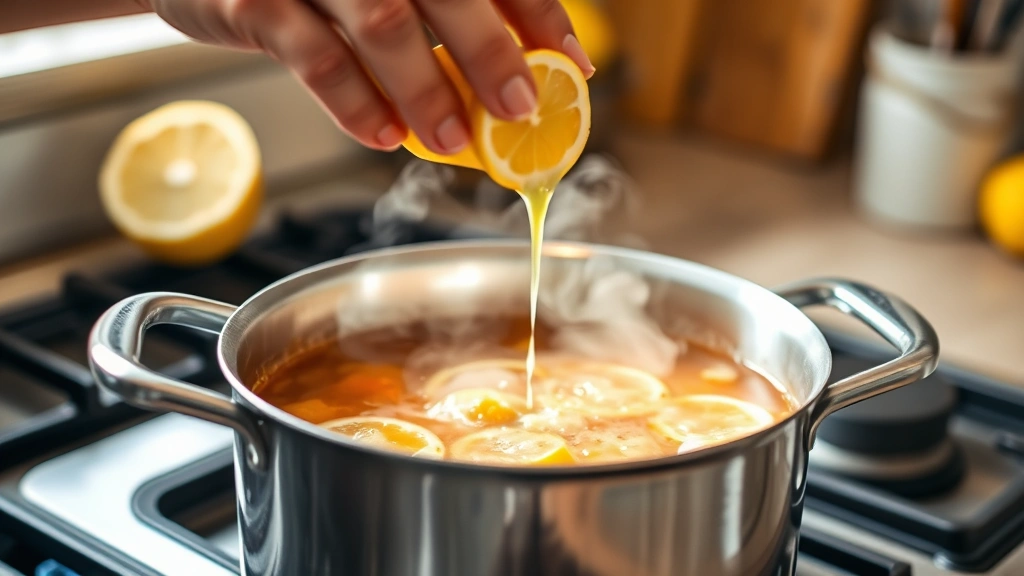
Citrus juices: Lemon juice and lime juice are excellent choices for brightening salty dishes. Fresh lemon juice works particularly well in soups, sauces, and seafood dishes. Add it gradually, tasting as you go, since citrus acidity can be strong. A small amount often makes a significant difference.
Wine and other acidic liquids: For braised dishes and sauces, consider adding a splash of white wine, red wine, or even beer. These contribute acidity while adding complementary flavors. Allow the alcohol to cook off if you prefer, or leave it in for added complexity.
Combination approach: For maximum effectiveness, combine acid with other balancing techniques. Add a bit of acid while also incorporating unseasoned ingredients. This multi-faceted approach often yields better results than relying on a single method.
Remember that acidic ingredients themselves have flavor, so choose options that complement your dish. What works beautifully in an Asian-inspired ramen preparation might not suit a French cream sauce.
The Potato Method and Other Absorption Techniques
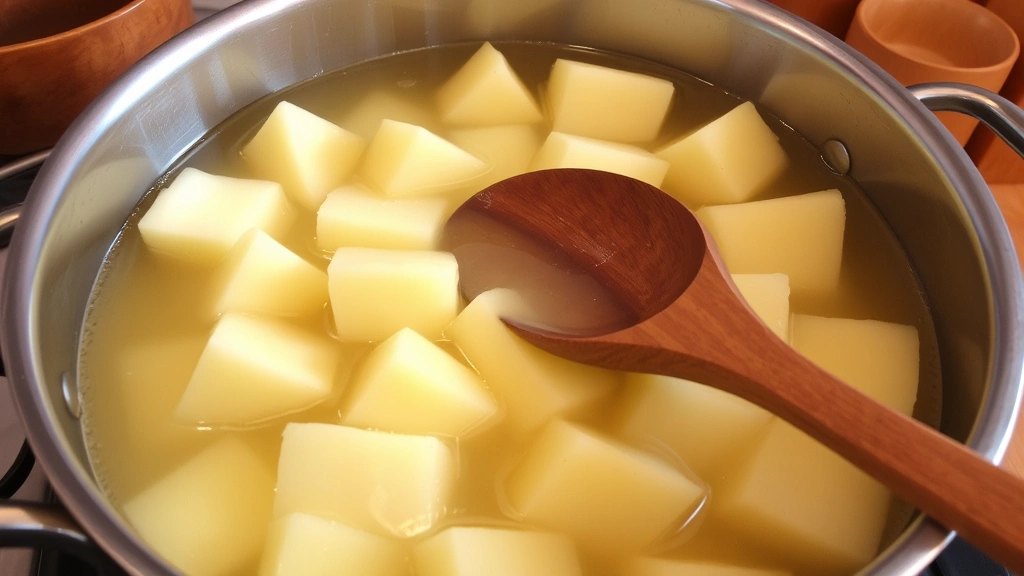
The potato method is a time-tested technique that actually works—potatoes have a mild flavor and can absorb salt from dishes. This method is particularly effective for soups and stews.
How to use the potato method: Cut a raw potato into large chunks and add it to your oversalted soup or stew. Allow it to simmer for 10-15 minutes until the potato becomes tender. The potato will absorb some of the salt, and you can remove it before serving. While the potato won’t eliminate all the salt, it can noticeably reduce saltiness, especially in liquid-based dishes.
Why potatoes work: Potatoes are neutral in flavor and have a porous structure that absorbs liquid and dissolved salt. They’re also starchy, which can help bind and mellow flavors. This makes them an ideal ingredient for salt absorption without compromising your dish’s taste.
Other absorption techniques: Rice works similarly to potatoes for certain dishes. Add a handful of uncooked rice to soups or stews, simmer until cooked through, and remove before serving. Some chefs also use bread—a piece of crusty bread simmered in oversalted broth can absorb salt effectively.
Limitations of absorption methods: These techniques work best when saltiness is moderate rather than extreme. They’re most effective in liquid-based dishes where the salt is dissolved. For dishes where salt has been incorporated into solid ingredients, absorption methods may be less effective.
Combine absorption techniques with other methods for best results. Use potatoes while also adding unseasoned broth, or try the potato method followed by a squeeze of lemon juice for maximum flavor correction.
Fixing Salty Soups and Broths
Soups and broths are among the easiest dishes to fix because they’re primarily liquid. The salt is evenly distributed, and you have multiple correction options available.
Immediate solutions: Start with the dilution method—add unsalted broth or water gradually. For a vegetable soup, you might add more unsalted vegetable broth or stock. For bone broth or chicken soup, add unsalted chicken or bone broth. This maintains the soup’s character while reducing salt concentration.
Flavor balancing: Once you’ve diluted slightly, taste and consider adding acid. A squeeze of fresh lemon juice, a splash of vinegar, or a splash of white wine can make the remaining salt less noticeable. These acidic additions engage different taste receptors and create more complex flavor profiles.
Texture and body considerations: If dilution makes your soup too thin, add a roux (flour and butter mixture), cornstarch slurry, or cream to restore body. You can also add more vegetables or protein to increase volume while maintaining flavor balance. When fixing an oversalted home-cooked soup, remember that additional vegetables will continue cooking and may release more liquid.
The potato method for soups: Add potato chunks to simmer for 10-15 minutes. They’ll absorb excess salt while adding subtle body to the broth. Remove them before serving, or leave them in if they’re already part of your soup.
Cream-based soups: For cream soups, add more unsalted cream or milk rather than water. This dilutes the salt while maintaining the soup’s richness and texture. A splash of acid like lemon juice or vinegar can then balance the remaining saltiness.
Rescuing Oversalted Sauces and Gravies
Sauces and gravies require careful handling because they’re often more concentrated than soups, and their consistency is crucial to maintain.
Dilution for sauces: Add unseasoned sauce base or complementary liquid in small amounts. For tomato-based sauces, add unsalted tomato juice or crushed tomatoes. For cream sauces, add heavy cream or whole milk. For pan sauces, add unsalted broth or wine. Increase heat slightly to reduce the added liquid and concentrate flavors again, but go slowly to avoid over-reducing.
Acid in sauces: A small amount of acid can work wonders in oversalted sauces. For red sauces, add a splash of vinegar or red wine. For cream sauces, add lemon juice. For Asian-inspired sauces, add rice vinegar. Start with one-quarter teaspoon and taste before adding more.
Sweetness to balance salt: A tiny amount of sugar, honey, or other sweetener can counterbalance saltiness in certain sauces. This works particularly well in Asian, Mediterranean, and Middle Eastern sauces where sweet-salty balance is traditional. Add sweetness gradually—oversalting with sugar creates different problems.
Emulsion and consistency: If your sauce breaks or becomes too thin during correction, you can re-emulsify it. For butter-based sauces, whisk in cold butter. For cream-based sauces, add a splash of cream and whisk gently. This restores body and texture while incorporating your diluting ingredients.
Straining and refinishing: If your sauce has solid components, consider straining it and refinishing with fresh ingredients. This removes concentrated salt deposits while allowing you to rebuild flavor from a cleaner base.
Dealing with Salty Proteins and Meats
Oversalted proteins present different challenges because salt has been absorbed into the meat itself during cooking or brining. These require different approaches than liquid-based dishes.
Brined meats: If you’ve over-brined chicken, pork, or turkey, rinse the meat under cool water before cooking. This removes surface salt. Pat dry and cook as planned. The interior will still have absorbed some salt, but rinsing reduces surface saltiness significantly.
Cooked oversalted meat: If the meat is already cooked and oversalted, you have limited options. Slicing thin and serving with unsalted sides helps—the dilution from other components makes the saltiness less noticeable. Pair with acidic accompaniments like fresh salsa, vinegar-based sauces, or citrus marinades.
Shredded or ground meat: If you’re working with shredded or ground meat, you can incorporate it into dishes with diluting ingredients. Mix oversalted ground beef into a tomato sauce with unsalted broth, or shred oversalted chicken to combine with unsalted cream sauce. The distribution throughout the dish makes saltiness less pronounced.
Seared or grilled proteins: For seared fish or grilled meats with oversalted exteriors, trim away the most heavily salted portions if possible. Serve with acidic garnishes like lemon, lime, or vinegar-based sauces that balance the salt.
Prevention focus: For proteins, prevention is easier than correction. Use measured salt amounts during cooking, and if brining, follow recipes carefully and don’t exceed brining times. Consider using kosher salt or sea salt, which have larger crystals and are easier to measure consistently than table salt.
Preventing Salt Oversaturation
While knowing how to fix oversalted food is valuable, prevention is always preferable. Implementing good salt management practices prevents most saltiness problems.
Measurement discipline: Use measuring spoons rather than pinches and dashes. Salt crystals vary in size—table salt, kosher salt, and sea salt have different densities. A pinch of one type isn’t equivalent to a pinch of another. Measuring ensures consistency.
Taste as you cook: Season in stages throughout cooking rather than all at once. Add salt, taste, and adjust. This prevents oversalting and allows you to build flavor gradually. For long-cooking dishes like stews and soups, remember that flavors concentrate as liquid reduces, so initial seasoning should be slightly conservative.
Understanding salt types: Different salts have different saltiness levels and crystal sizes. Kosher salt is less dense than table salt, so you need more of it to achieve the same saltiness. Sea salt and specialty salts have their own characteristics. Learning these differences helps you salt more accurately.
Considering ingredients: Remember that many ingredients contain salt—broths, soy sauce, Worcestershire sauce, anchovies, capers, and cured meats all contribute sodium. Account for these when seasoning. If using salted broth, you might need less additional salt than if using unsalted broth.
Cooking method awareness: Different cooking methods concentrate salt differently. Braising and simmering concentrate flavors as liquid reduces, so go light on initial salt. Boiling and poaching don’t concentrate salt as much, so you might need more. Baking doesn’t reduce liquid, so salt doesn’t concentrate.
Recipe following: When trying new recipes, follow salt amounts initially. Once you’re familiar with the dish, you can adjust to taste. Some recipes are more forgiving of salt variations than others.
Having unsalted ingredients on hand: Keep unsalted broth, unsalted butter, and unsalted cooking liquids available. When you do oversalt slightly, these ingredients are immediately available for correction. This practice also gives you more control over total sodium in your cooking.
FAQ
Can you remove salt from food once it’s cooked?
Not completely, but you can significantly reduce the perception of saltiness using the techniques described above. Dilution, acid, absorption, and flavor balancing all help mask or reduce oversaltiness. However, if salt has been deeply absorbed into ingredients, complete removal isn’t possible—you’re working on perception and balance rather than total salt removal.
Does adding sugar really help with salty food?
Yes, but sparingly. A small amount of sugar or sweetener can counterbalance saltiness by engaging different taste receptors. However, oversalting with sugar creates problems of its own. Use sugar cautiously, adding tiny amounts and tasting frequently. It works best in sauces, soups, and dishes where sweet-salty balance is appropriate.
Which is better for fixing salty food: water or broth?
Broth is generally better because it dilutes salt while maintaining flavor. Plain water dilutes salt but can make dishes taste bland and watered-down. Unsalted broth provides the dilution benefit while keeping the dish flavorful and properly textured. Choose broth that complements your dish—vegetable broth for vegetable dishes, chicken broth for poultry dishes, etc.
How long does the potato method take?
The potato method typically takes 10-15 minutes. Cut potatoes into large chunks and add them to simmering soup or stew. They’ll absorb some salt as they cook. Remove them with a slotted spoon once they’re tender. The exact time depends on potato size and your cooking temperature.
Can you fix oversalted food by adding more ingredients?
Yes, this is essentially the dilution method. Adding more unseasoned ingredients—whether vegetables, broth, cream, or other components—dilutes the salt concentration. It’s particularly effective for soups, stews, and sauces where you can add complementary ingredients that don’t compromise the dish’s integrity.
What should I do if I’ve oversalted a dish that’s already been served?
If guests are already eating, you can’t fix it retroactively. However, for future servings, apply the fixing techniques immediately. You might also serve the remaining food with unsalted sides or acidic accompaniments that help balance saltiness. For beverage-based dishes like coffee or tea preparations, prevention through careful measurement is especially important.
Is there a difference between fixing slightly salty vs. extremely salty food?
Yes, significantly. Slightly oversalted food responds well to single techniques like adding acid or a small amount of diluting ingredient. Extremely salty food often requires multiple techniques combined—dilution plus acid, or absorption plus flavor balancing. Extremely salty dishes might not be fully salvageable and could require starting over depending on severity.
Can I fix oversalted food in advance or should I wait?
You can apply fixing techniques immediately after realizing the oversaltiness. However, let the dish rest and taste again after 10-15 minutes. Flavors settle and redistribute, and your perception of saltiness might change slightly. This prevents over-correcting. If you’re fixing ahead of time, reheat gently before serving to ensure all corrections have integrated properly.

Related Posts

Superscript in Google Docs: Expert Tips

Strikethrough in Excel: Easy Steps for Beginners
