
Keep Apple Slices Fresh? Expert Tips Inside
Keep Apple Slices Fresh? Expert Tips Inside
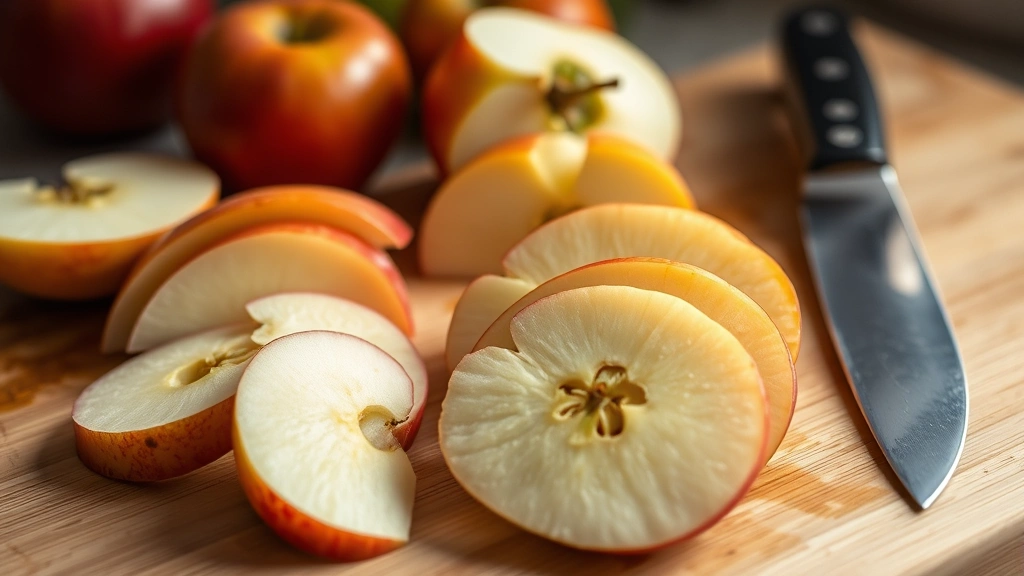
Apple slices are a convenient snack, perfect for lunch boxes, charcuterie boards, and meal prep. However, anyone who has cut an apple knows the frustration of watching those pristine white slices turn brown within minutes. This browning process, called enzymatic browning, happens when the flesh of the apple is exposed to oxygen in the air. The good news is that preventing apple slices from turning brown is simpler than you might think, and we have expert-backed methods to keep them looking fresh and appetizing for hours.
Whether you’re preparing apples for a party, packing them for your kids’ lunches, or meal prepping for the week, understanding the science behind browning and learning proven prevention techniques will transform how you handle this common kitchen challenge. In this comprehensive guide, we’ll walk you through multiple strategies, from simple household items to specialized products, so you can choose the method that works best for your lifestyle and needs.
Why Do Apple Slices Turn Brown?
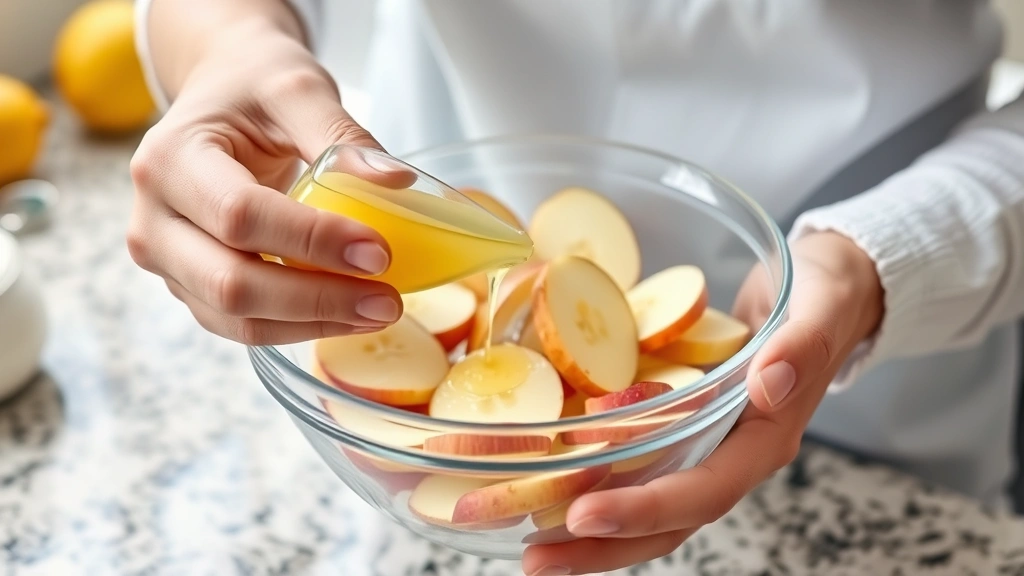
Before we discuss solutions, it’s important to understand the culprit behind browning. Apple slices turn brown due to a natural chemical reaction called enzymatic browning. When you cut into an apple, you damage the cell walls, exposing an enzyme called polyphenol oxidase (PPO) to oxygen. This enzyme reacts with polyphenols present in the apple tissue, creating brown pigments called melanin—the same compound that colors human skin.
This browning is purely cosmetic and doesn’t indicate spoilage or harm. However, it does affect the visual appeal of your apples, and for food presentations, meal prep, or picky eaters, keeping slices looking fresh is important. The browning process accelerates in warm environments and slows down in cold temperatures, which is why refrigeration helps but doesn’t completely stop the reaction.
Understanding this process is the foundation for choosing the right prevention method. Different approaches work by either blocking oxygen exposure, lowering the pH to inhibit enzyme activity, or using physical barriers. Let’s explore each proven technique in detail.
Lemon Juice Method
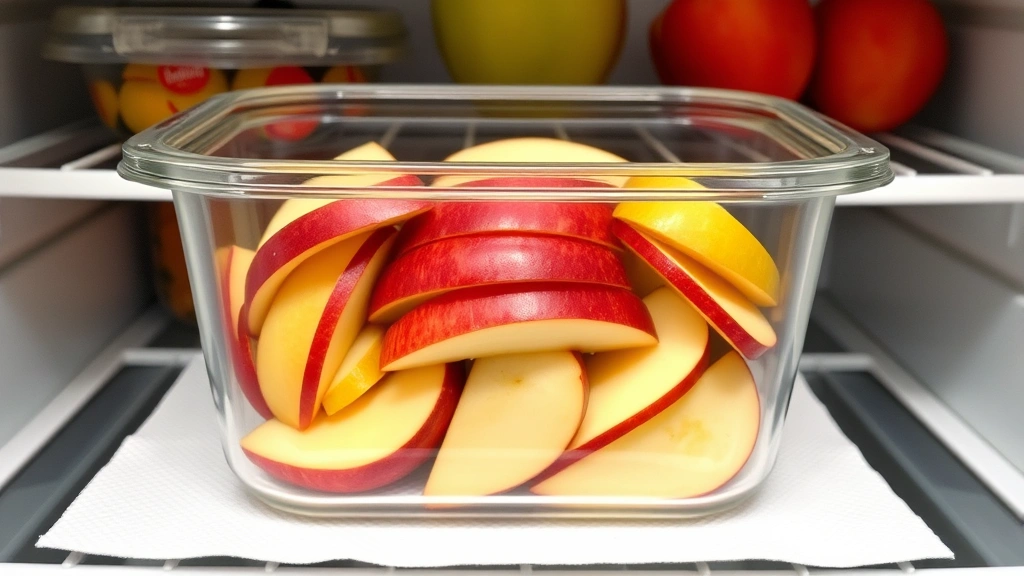
The lemon juice method is one of the most popular and accessible ways to prevent apple browning, and it’s backed by solid science. Lemon juice is acidic, with a pH around 2, which slows down the enzymatic browning process significantly. The acid denatures the polyphenol oxidase enzyme, making it unable to catalyze the browning reaction.
How to use lemon juice:
- Slice your apples as usual
- Pour fresh lemon juice into a shallow bowl or container
- Toss the apple slices gently in the lemon juice, ensuring all surfaces are coated
- You can use as little as 1-2 tablespoons of lemon juice for several apples
- Store the coated slices in an airtight container in the refrigerator
The advantage of this method is that lemon juice adds minimal flavor to most apple varieties, especially sweeter types like Gala or Fuji apples. Some people actually enjoy the slight tartness it imparts. Lemon juice keeps apple slices fresh for 3-5 days when properly stored, making it ideal for meal prep. If you’re concerned about the taste, you can rinse the slices briefly under cool water before serving, though this slightly reduces the protective effect.
For the best results, use fresh lemon juice rather than bottled versions, as the acidity level is higher. Bottled lemon juice often contains preservatives and may have lower acidity than fresh juice. Lime juice works equally well if you prefer that flavor profile or don’t have lemons on hand.
Salt Water Solution
Salt water is another effective and economical option for preventing apple browning. Salt works differently than acid—it creates an osmotic environment that slows enzymatic activity. This method has been used for decades in commercial food preparation and is equally effective at home.
Creating a salt water solution:
- Fill a bowl with cold water
- Add 1/4 teaspoon of salt per cup of water
- Stir until the salt completely dissolves
- Place sliced apples into the solution
- Soak for 5-10 minutes maximum
- Remove apples and pat dry with paper towels
- Store in an airtight container
The salt water method works best when you dry the apples thoroughly after soaking. Excess moisture can promote mold growth during storage. This technique keeps apples fresh for 2-4 days in the refrigerator. Some people worry about salt affecting the taste, but when used in the correct proportion, the salt flavor is barely noticeable.
One advantage of the salt water method is that it’s completely food-based with no citrus flavor to consider. It’s also extremely budget-friendly—you likely have salt in your kitchen already. However, if you’re watching sodium intake, this method may not be ideal for regular use.
Honey Water Technique
Honey water is a lesser-known but highly effective method that combines the protective benefits of both acidity and a natural preservative. Honey contains glucose oxidase, an enzyme that produces hydrogen peroxide, which inhibits browning. Additionally, honey’s natural acidity and antimicrobial properties help preserve the apples.
Preparing honey water:
- Mix 1 tablespoon of honey with 1 cup of cold water
- Stir thoroughly until honey dissolves completely
- Submerge apple slices in the solution for 5 minutes
- Remove and pat dry with clean paper towels
- Transfer to an airtight container for storage
Honey water offers a subtle sweetness that enhances rather than masks the apple’s natural flavor. This method is particularly popular for children’s snacks since the slight sweetness appeals to younger palates. Honey water keeps apples fresh for 3-5 days when refrigerated properly. The technique is also excellent for organic apples or specialty varieties where you want to preserve the authentic taste.
One consideration: honey water may crystallize over time in cold storage, but this doesn’t affect the apples’ freshness or safety. Simply let the container sit at room temperature for a few minutes before serving if you prefer liquid consistency.
Vinegar Bath Approach
White vinegar is another acidic solution that effectively prevents enzymatic browning. While some people worry about vinegar taste, when properly diluted, the vinegar smell dissipates quickly, and the flavor impact is minimal. This method is particularly useful if you’re already cleaning your kitchen and have vinegar readily available.
Using vinegar bath method:
- Mix 1 tablespoon of white vinegar with 1 cup of water
- Soak apple slices for 5 minutes
- Remove and rinse briefly under cool water to reduce vinegar smell
- Pat dry thoroughly with paper towels
- Store in sealed containers in the refrigerator
The vinegar method works best with tart apple varieties like Granny Smith apples, where the slight vinegar taste blends naturally. This approach preserves apples for 3-4 days and is an excellent choice if you’re avoiding honey or citrus. The acidity level in vinegar (about 5% acetic acid) is strong enough to denature the browning enzyme effectively.
An added benefit of vinegar is that it has antimicrobial properties, which can help prevent bacterial growth on the apple slices. This makes it a good choice for apples that will be stored for several days or served to guests.
Storing Apples Properly
Prevention methods work best when combined with proper storage techniques. How you store your treated apple slices significantly impacts how long they remain fresh and appetizing. Temperature, moisture, and air exposure all play crucial roles in maintaining quality.
Optimal storage conditions:
- Temperature: Store apples in the coldest part of your refrigerator, ideally between 32-40°F
- Containers: Use airtight glass or plastic containers to minimize oxygen exposure
- Moisture control: Place a paper towel at the bottom of the container to absorb excess moisture
- Stacking: Avoid stacking slices too high, which can cause bruising and accelerate browning
- Separation: Use parchment paper between layers if stacking is necessary
The key to extended freshness is minimizing oxygen contact. Even with preventative treatments, apples will eventually brown if exposed to air for extended periods. That’s why transferring treated slices to airtight containers immediately after preparation is essential. Glass containers are superior to plastic for long-term storage because they don’t absorb odors or stains and provide a better seal.
If you’re looking for more food preservation guides, you’ll find that consistent temperature is crucial for all fresh produce. Avoid storing apples near ethylene-producing fruits like bananas or avocados, which accelerate ripening and browning in nearby produce.
Commercial Anti-Browning Products
If you prefer a commercial solution, several products are specifically designed to prevent fruit browning. The most common is FreshGuard or similar enzymatic browning inhibitors, which contain ascorbic acid (vitamin C) as the active ingredient. These products work similarly to lemon juice but are formulated for convenience.
Popular commercial options:
- Ascorbic acid powders: Mix with water per package directions, then soak slices
- Citric acid packets: Pre-measured packets for consistent results
- Specialty browning inhibitor sprays: Quick-application sprays for immediate use
- Produce keeper solutions: Pre-made liquid solutions designed for multiple uses
These commercial products are excellent for food service professionals, large-scale meal prep, or people who frequently cut apples. They’re also useful if you’re preparing food for events and need consistent, reliable results. Most commercial products keep apples fresh for 5-7 days, longer than most household methods.
The downside is cost—commercial products are more expensive than household items like lemon juice or salt. Additionally, some people prefer to avoid additives, even if they’re food-safe. However, ascorbic acid is essentially vitamin C, making it a natural and safe option.
When selecting commercial products, check the ingredient list and expiration dates. Look for products from reputable brands like Ball or Kerr if you’re doing canning-related preservation, though for fresh apple slices, specialized produce products work better. Always follow package directions carefully for optimal results.
Another consideration is environmental impact. If you regularly buy commercial products, evaluate whether switching to household methods might be more sustainable for your lifestyle. However, if you’re committed to quality results, commercial products are reliable and consistent.
FAQ
How long do treated apple slices last?
Treated apple slices typically last 3-5 days in the refrigerator when stored in airtight containers. Lemon juice, honey water, and vinegar methods provide similar results. Commercial products may extend freshness to 7 days. Refrigeration temperature is critical—apples stored at warmer temperatures brown faster regardless of treatment.
Can I use bottled lemon juice instead of fresh?
Bottled lemon juice works but is less effective than fresh juice because it has lower acidity and contains preservatives. If using bottled juice, apply slightly more than you would with fresh juice. Fresh-squeezed lemon juice is always the superior choice for maximum browning prevention.
Will these methods affect the apple’s taste?
When used correctly, most methods have minimal taste impact. Lemon juice on sweet apples is barely noticeable. Salt water, when properly diluted and dried, leaves no taste. Honey water adds subtle sweetness. Vinegar might be detectable but typically dissipates after rinsing. Commercial ascorbic acid products are flavorless.
Is enzymatic browning dangerous?
No, enzymatic browning is completely safe and indicates no spoilage. It’s purely a cosmetic change. Apples that have browned are still perfectly safe to eat and have the same nutritional value. The browning doesn’t affect taste or texture unless the apples have been stored for extended periods or exposed to warm temperatures.
Which method works best for meal prep?
For meal prep, lemon juice or commercial ascorbic acid products are ideal because they’re quick, reliable, and provide 5-7 days of freshness. If preparing for the entire week, combine your chosen treatment method with proper storage in multiple airtight containers. Prepare only the amount you’ll eat within 3-4 days for best quality.
Can I prevent browning without submerging apples?
Yes, you can spray or brush treatment solutions onto slices rather than submerging them. This uses less liquid and works well for presentation purposes. However, soaking ensures more complete coverage and more effective prevention. For quick applications, diluted lemon juice in a spray bottle works adequately.
Do different apple varieties brown at different rates?
Yes, some varieties brown faster than others. Granny Smith and Honeycrisp apples brown relatively slowly, while Red Delicious and Gala apples brown more quickly. Regardless of variety, all apples benefit from the prevention methods described in this guide. Softer varieties may show browning more noticeably due to higher polyphenol content.

Related Posts

Superscript in Google Docs: Expert Tips

Strikethrough in Excel: Easy Steps for Beginners
