
How to Harvest Lettuce? Expert Tips Inside
How to Harvest Lettuce: Expert Tips Inside
Harvesting lettuce at the right time is crucial for getting the most tender, flavorful leaves from your garden or container plants. Whether you’re growing crisp iceberg varieties, delicate butterhead types, or loose-leaf lettuce, understanding the proper harvesting techniques will extend your harvest season and encourage continuous growth throughout the growing period. Fresh, homegrown lettuce tastes dramatically better than store-bought alternatives, and the harvesting process itself is simple once you know the right methods.
Many home gardeners make the mistake of waiting too long to harvest lettuce, resulting in bitter, tough leaves that bolt quickly in warm weather. By learning when and how to pick lettuce correctly, you’ll enjoy weeks of tender greens perfect for salads, wraps, and fresh meals. This comprehensive guide covers everything from identifying harvest-ready plants to implementing cut-and-come-again techniques that maximize your yield.
Understanding Lettuce Growth Stages
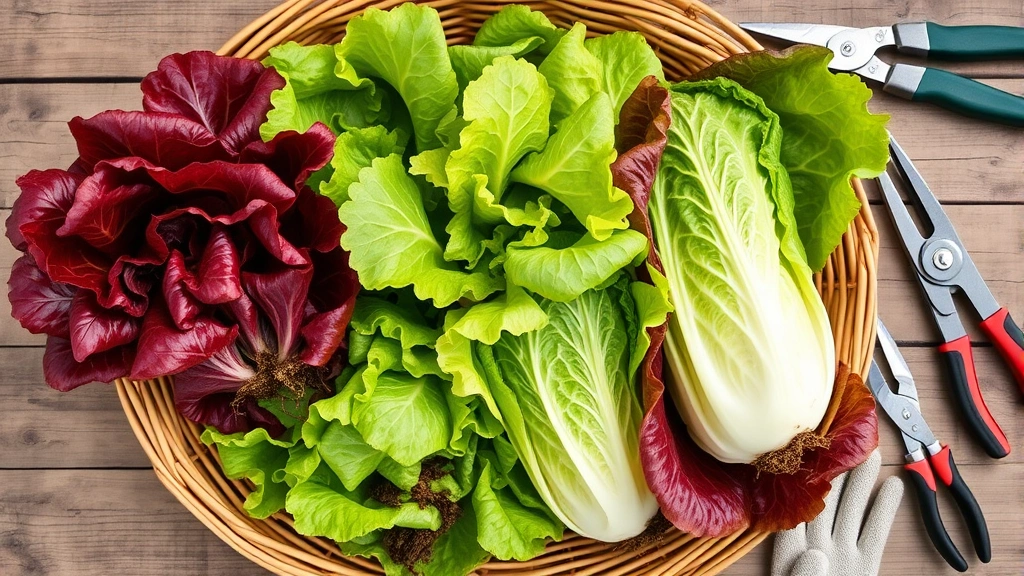
Lettuce progresses through distinct growth stages from seed germination to full maturity, and understanding these stages helps you harvest at the perfect time. The seedling stage begins when your lettuce first emerges from the soil, typically within 7-10 days. During this phase, tiny leaves develop and the plant establishes its root system. The vegetative stage follows, where the plant focuses on leaf production and stem elongation, lasting approximately 3-4 weeks depending on variety and growing conditions.
The mature stage is when most gardeners harvest, as the plant has developed full-sized leaves with excellent flavor and texture. However, lettuce doesn’t have just one harvest point—you can begin picking outer leaves once they reach 4-6 inches long, or wait until the entire head develops. The bolting stage occurs when lettuce transitions to flowering, triggered by warm temperatures and longer daylight hours. During bolting, lettuce becomes bitter and tough, making it unsuitable for fresh consumption, though some gardeners still harvest the tender center leaves before this stage advances.
Different lettuce varieties mature at different rates. Loose-leaf varieties like oak leaf and buttercrunch are ready in 45-60 days, while head lettuce varieties like iceberg require 60-90 days to form tight heads. When growing other vegetables alongside lettuce, you’ll notice that lettuce matures much faster, making it an excellent companion crop for longer-season plants.
Best Time to Harvest Lettuce
The optimal time to harvest lettuce depends on several factors including variety, weather conditions, and your preferred leaf size and texture. For loose-leaf varieties, you can begin harvesting individual outer leaves once they reach 4-6 inches in length, typically 30-40 days after planting. This early harvesting encourages the plant to produce more leaves and extends your harvest period significantly. Many gardeners prefer this method because it provides continuous harvests over several weeks rather than one large harvest.
For head lettuce varieties, wait until the head feels firm when gently squeezed, indicating that the inner leaves have developed sufficient density. The head should feel compact but not hard—if it’s extremely hard, the lettuce may already be bolting or past its prime. Harvest head lettuce in the early morning when temperatures are cool and leaves are crisp and full of moisture, making them more tender and flavorful. Morning harvesting also reduces stress on the plant, which helps it recover if you’re using the cut-and-come-again method.
Temperature plays a critical role in harvest timing. Lettuce grows best between 60-70°F and becomes increasingly bitter as temperatures exceed 75°F. In spring and fall, you’ll have a longer harvest window, but during summer heat, check your lettuce every 1-2 days to catch it before bolting. If you notice the center of your lettuce plant beginning to elongate or the leaves developing a slightly bitter taste, harvest immediately. Winter harvesting in mild climates extends your season, and cold-hardy varieties can be harvested even after light frosts.
Tools and Equipment You’ll Need
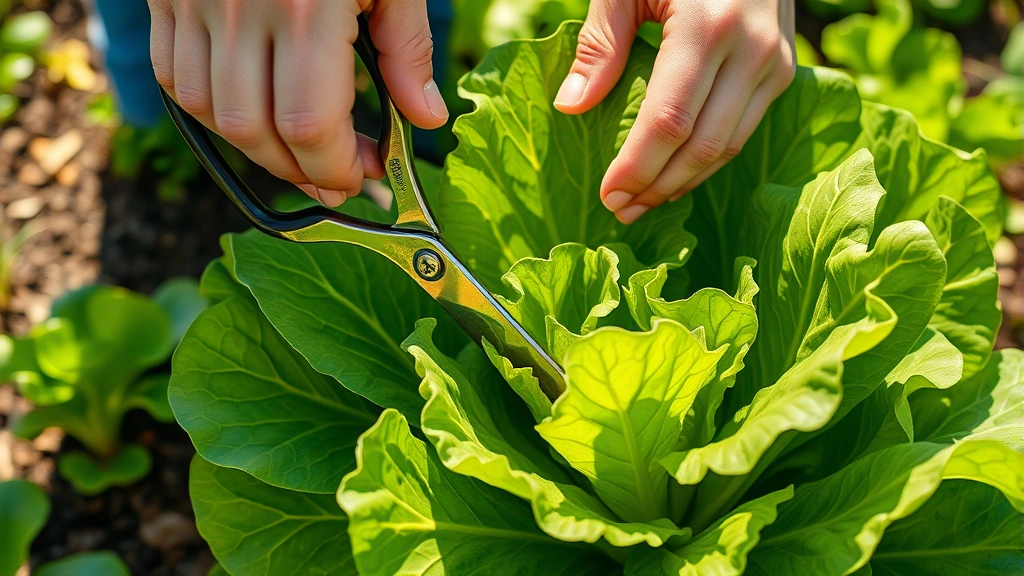
Harvesting lettuce requires minimal equipment, but having the right tools makes the job easier and prevents damage to your plants. A sharp knife or garden shears is essential for clean cuts that promote regrowth. Dull tools crush plant tissues and create wounds susceptible to disease and pest damage. Look for serrated harvest knives or pruning shears with bypass blades—these create clean cuts rather than crushing the stems. Scissors work well for delicate varieties, though they can be slower when harvesting multiple plants.
A harvesting basket or bowl helps you collect leaves without bruising them during transport. Avoid using plastic bags immediately after harvest, as they trap moisture and promote decay. Instead, use breathable baskets or wooden crates that allow air circulation around the harvested greens. A pair of garden gloves protects your hands from soil and minor cuts while harvesting, particularly when working with prickly varieties or in thorny garden areas.
For larger harvests or commercial-scale operations, consider investing in a harvest knife with a curved blade designed specifically for cutting lettuce heads at soil level. A moisture meter helps you determine if your lettuce needs watering before harvest—well-hydrated plants have crisper, more flavorful leaves. Finally, keep a bucket of cool water nearby during harvesting to immediately place cut lettuce, which helps it retain moisture and stays fresh longer compared to leaving it in the sun.
Step-by-Step Harvesting Methods
Method 1: Whole Head Harvesting
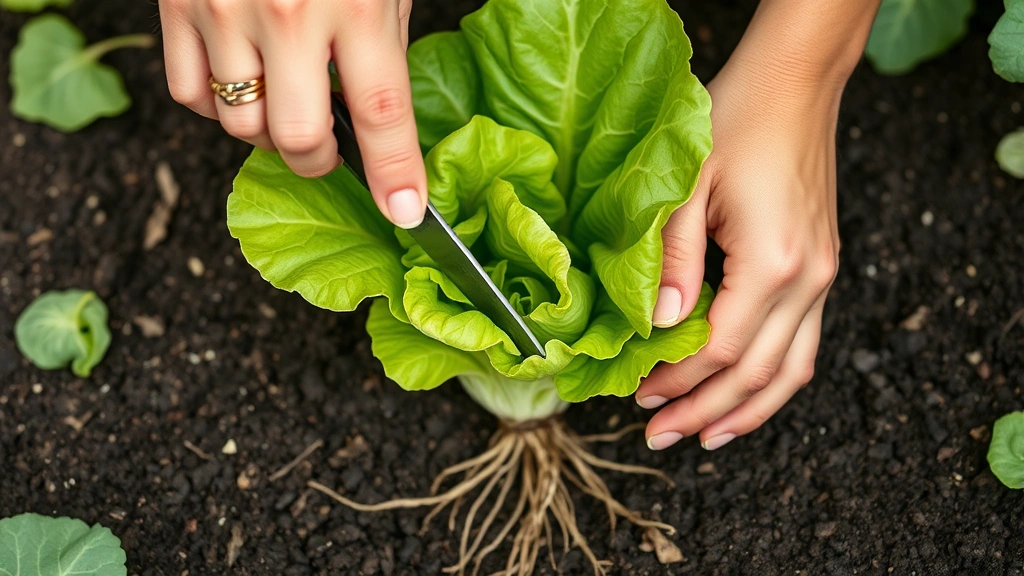
This method works best for head lettuce varieties and provides one large harvest per plant. Begin by identifying a mature head that feels firm when gently squeezed. Using a sharp knife, cut the lettuce head at soil level, making a single clean cut through the main stem. Leave the roots in the ground, as they help improve soil structure and may produce new growth in cool weather. Immediately place the harvested head in your collection basket and transport it to a cool location for storage.
For iceberg and other dense head varieties, make sure the entire head is harvested before any bolting begins. The head should feel heavy for its size and have tightly wrapped outer leaves. If you notice any yellowing or wilting of outer leaves, peel these away before storing, as they may accelerate decay of inner leaves. Whole head harvesting is the fastest method if you’re processing lettuce for storage or immediate use.
Method 2: Leaf-by-Leaf Harvesting
This method maximizes your harvest from each plant and provides the freshest leaves for daily salads. Start harvesting from the outside of the plant, removing the outermost mature leaves first. These outer leaves are typically the oldest and most flavorful. Gently bend each leaf downward and toward the center of the plant, then cut it at the base where it connects to the main stem. This technique minimizes damage to remaining leaves and allows the plant to continue photosynthesis with its center leaves.
Work your way around the plant, removing one leaf at a time until you’ve harvested all leaves larger than 4 inches. Leave the smaller inner leaves to continue growing—these will become harvestable within 3-5 days. This method extends your harvest from a single plant over 2-3 weeks, providing continuous fresh lettuce throughout the season. It’s ideal for loose-leaf and butterhead varieties that naturally grow in rosette formations.
Method 3: Cut-and-Come-Again Harvesting
The cut-and-come-again method, described in detail below, involves cutting the entire plant 1-2 inches above soil level, allowing it to regrow for subsequent harvests. This technique is excellent for loose-leaf varieties and provides multiple harvests from the same plant location.
Cut-and-Come-Again Technique
The cut-and-come-again method is a game-changer for home gardeners wanting maximum yields from limited space. This technique involves cutting the entire above-ground portion of your lettuce plant 1-2 inches above soil level using sharp scissors or a harvest knife. The plant’s crown and root system remain intact underground, allowing it to regenerate new leaves within 7-14 days depending on temperature and light conditions.
To implement this method successfully, wait until your lettuce has reached at least 6 inches in height with multiple mature leaves. Make your first cut, leaving the bottom 1-2 inches of stems and the growing crown intact. Place the harvested lettuce immediately in cool water to maintain crispness. Within a week, new leaves will emerge from the crown, and you can repeat the harvest when these new leaves reach harvestable size. Most lettuce plants provide 2-3 successive harvests before eventually bolting.
This method works exceptionally well with loose-leaf varieties like green leaf, red leaf, and oak leaf lettuce, as these naturally regrow vigorously after cutting. Butterhead varieties also respond well, though head lettuce varieties are less suitable for repeated cutting since they’re bred to develop single dense heads. The cut-and-come-again technique also allows you to harvest at different maturity stages—your first cutting may include some tender baby leaves along with mature ones, providing variety in leaf size and texture.
To maximize regrowth, ensure your lettuce receives adequate water and light after cutting. Water deeply but avoid wetting the foliage if harvesting in the evening, as this can promote fungal diseases. Position your lettuce beds where they receive morning sun, which helps new leaves develop quickly without excessive heat stress. During hot months, afternoon shade protects regrowth from bolting prematurely.
Storing Fresh Harvested Lettuce
Proper storage extends the freshness and crispness of your harvested lettuce significantly. Immediately after harvesting, place lettuce in a container of cool water for 15-30 minutes to help it rehydrate and become crisp. This process, called crisping, removes field heat and restores turgor pressure to wilted leaves. After crisping, gently spin or pat the lettuce dry with paper towels—excess moisture promotes decay and encourages mold growth.
Store dried lettuce in breathable containers like paper bags or perforated plastic bags in your refrigerator’s crisper drawer, where humidity and temperature are optimized for leafy greens. Avoid sealing lettuce in airtight containers, which trap ethylene gas and accelerate deterioration. Most harvested lettuce stays fresh for 5-10 days when stored properly, though loose-leaf varieties typically last longer than delicate butterhead types. Keep lettuce away from fruits like apples and tomatoes, which release ethylene gas that accelerates bolting and decay.
For longer-term storage, consider blanching and freezing lettuce, though this changes its texture and makes it suitable primarily for cooked dishes rather than fresh salads. Alternatively, try growing cilantro and other herbs alongside your lettuce—when your lettuce is past its prime for fresh eating, you can use it in cooked applications while enjoying fresh herbs. Never store lettuce near ethylene-producing vegetables, and wash your hands before handling stored lettuce to prevent bacterial contamination.
Common Harvesting Mistakes to Avoid
Many home gardeners inadvertently reduce their lettuce yields by making preventable harvesting mistakes. The most common error is harvesting too early when leaves are small and tender but before the plant has developed sufficient biomass. While baby lettuce has appeal, waiting until leaves reach 4-6 inches provides better flavor and more substantial harvests. However, waiting too long is equally problematic—once bolting begins, lettuce becomes bitter and unsuitable for fresh consumption.
Using dull tools causes significant damage, crushing plant tissues and creating entry points for disease. Always sharpen your harvest knife or shears before each harvesting session, and wipe blades with a clean cloth between plants to prevent disease transmission. Never harvest lettuce when plants are wet from rain or morning dew, as wet leaves are fragile and prone to bruising. Wait until the sun has dried the foliage, or gently shake off excess water before harvesting.
Harvesting too much from a single plant at once can stress it and prevent regrowth. If using the leaf-by-leaf method, never remove more than one-third of the plant’s foliage in a single session. This ensures sufficient leaf area remains for photosynthesis and continued growth. Another mistake is harvesting during the hottest part of the day, which exposes plants to additional stress and causes harvested lettuce to wilt quickly. Always harvest in early morning or late afternoon when temperatures are cooler.
Failing to water adequately before harvest results in wilted, less flavorful leaves. Water your lettuce thoroughly 1-2 hours before harvesting to ensure optimal hydration and crispness. Finally, many gardeners neglect to harvest regularly, allowing mature leaves to remain on the plant too long. Frequent harvesting encourages continued production and prevents bolting by signaling the plant that seed production isn’t necessary.
Extending Your Harvest Season
Extending your lettuce harvest beyond the natural growing season requires strategic planning and technique adjustments. In spring, start seeds indoors 4-6 weeks before your last frost date, then transplant outdoors once soil is workable. Succession planting—sowing new lettuce seeds every 2-3 weeks—provides continuous harvests from late spring through early summer. As temperatures warm, switch to heat-tolerant varieties like buttercrunch, oak leaf, and summer crisp lettuce, which bolt more slowly than other types.
In fall, make your final succession planting 8-10 weeks before your first expected frost date. This timing allows lettuce to reach maturity before cold weather stops growth. Cold-hardy varieties like winter density, rouge d’hiver, and winter marvel tolerate light frosts and can be harvested well into winter in mild climates. Use row covers or cold frames to extend the season further, creating microclimates that protect lettuce from harsh weather while allowing light and water penetration.
During summer heat, shade cloth reduces temperatures by 10-15°F, allowing lettuce to stay in production longer. Position shade cloth on the south and west sides of your lettuce beds, providing afternoon shade while allowing morning sun. Water more frequently in hot weather, as lettuce needs consistent moisture to prevent stress and premature bolting. Mulching around plants helps retain soil moisture and keeps roots cooler.
For year-round lettuce production, consider indoor growing methods. A simple shelving unit with grow lights provides space to cultivate lettuce during winter months when outdoor gardens are dormant. Loose-leaf lettuce varieties thrive under grow lights, and you can harvest fresh leaves year-round with minimal space requirements. This approach complements outdoor growing perfectly, ensuring you always have fresh homegrown lettuce available regardless of season.
FAQ
When is the best time of day to harvest lettuce?
Early morning is ideal for harvesting lettuce, just after the sun has dried morning dew but before temperatures rise significantly. At this time, lettuce is fully hydrated and crisp, having absorbed moisture overnight. Early morning harvesting also minimizes plant stress and ensures the longest shelf life for your harvested greens. Avoid harvesting during the hottest part of the day, typically between 11 a.m. and 3 p.m., when plants are stressed by heat and leaves are less crisp.
Can I harvest lettuce multiple times from the same plant?
Yes, absolutely! Using the leaf-by-leaf or cut-and-come-again methods allows multiple harvests from a single plant. Loose-leaf and butterhead varieties typically provide 2-3 successive harvests over several weeks. Each time you harvest, the plant regrows new leaves from its crown. However, head lettuce varieties are better suited for single harvests, as they’re bred to develop one dense head rather than regenerate after cutting.
How do I know when lettuce is ready to harvest?
For loose-leaf lettuce, harvest when outer leaves reach 4-6 inches in length. For head lettuce, the head should feel firm when gently squeezed but not rock hard. Check that the lettuce hasn’t begun bolting—if you notice the center elongating or a bitter taste developing, harvest immediately. Generally, lettuce is ready 45-90 days after planting, depending on variety and growing conditions.
Why is my harvested lettuce wilting quickly?
Wilting occurs when harvested lettuce loses moisture faster than it can be replaced. This typically results from harvesting during hot weather, harvesting wet lettuce without drying it first, or storing it in sealed containers without proper humidity. To prevent wilting, harvest in cool morning hours, dry lettuce gently before storage, and store in breathable containers in your refrigerator’s crisper drawer. Immediately placing freshly harvested lettuce in cool water for 15-30 minutes before storage also helps restore crispness.
Should I harvest all lettuce at once or gradually?
Gradual harvesting using the leaf-by-leaf or cut-and-come-again methods provides superior results compared to harvesting everything at once. Gradual harvesting extends your harvest period, allows you to enjoy peak freshness, and encourages continued plant production. However, if your lettuce is bolting or if you need to clear garden space for other crops, harvesting the entire plant at once is appropriate. Always prioritize harvesting before bolting occurs, as bolted lettuce becomes bitter and unsuitable for fresh consumption.
Can I eat lettuce leaves that show signs of bolting?
Partially bolted lettuce becomes increasingly bitter and tough, making it unpalatable for most fresh applications. However, the tender center leaves harvested before bolting advances significantly are still edible, though they may have a slightly bitter taste. Once bolting is well-established, with visible flower buds or elongated flowering stems, the entire plant should be removed and composted. Prevention through timely harvesting and temperature management is far better than trying to salvage bolting lettuce.
How does weather affect lettuce harvest timing?
Temperature is the primary weather factor affecting harvest timing. Warm temperatures (above 75°F) accelerate bolting and reduce harvest quality. Cool spring and fall weather extends the harvest window significantly, allowing lettuce to remain in production longer. Rain or excessive moisture can make leaves fragile and prone to bruising, so wait for dry conditions before harvesting. Strong winds can damage delicate lettuce leaves, so harvest on calm days when possible. Cloud cover provides natural shade that helps prevent bolting during warmer months.
Is there a difference in harvesting between container-grown and garden-bed lettuce?
The harvesting methods are identical regardless of growing location. However, container-grown lettuce may mature slightly faster due to warmer soil temperatures and better drainage. Container lettuce also tends to be more susceptible to stress from temperature fluctuations, so harvest promptly when ready to avoid bolting. Container growing allows better control over watering, which helps maintain consistent moisture for optimal leaf quality. All other harvesting techniques, timing, and storage methods apply equally to both container and garden-bed lettuce.

Related Posts

Superscript in Google Docs: Expert Tips

Strikethrough in Excel: Easy Steps for Beginners
