
Grilling Pork Chops: Expert Tips for Juicy Results
Grilling Pork Chops: Expert Tips for Juicy Results
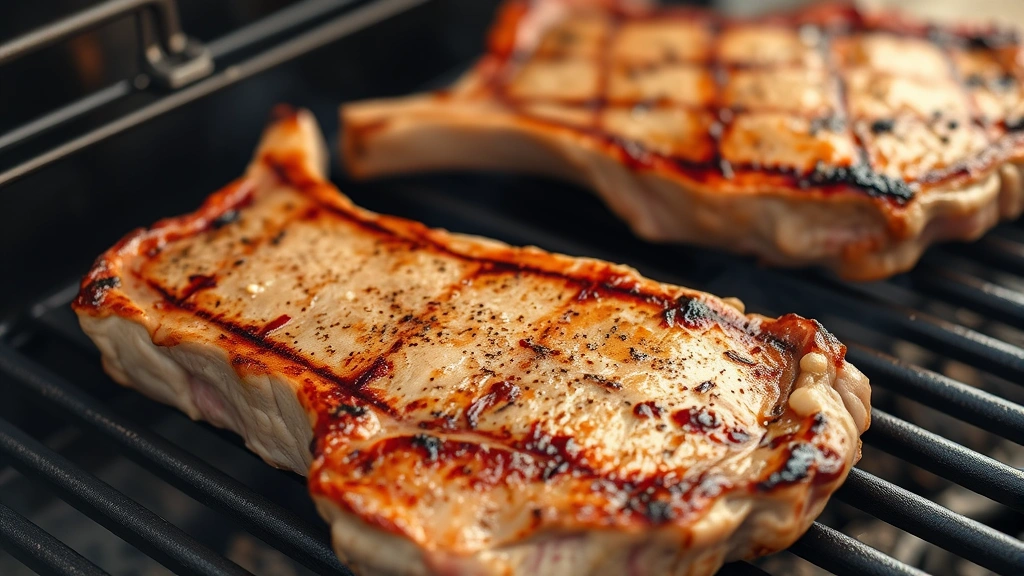
Grilling pork chops is an art form that combines proper technique, timing, and a few insider secrets to achieve restaurant-quality results at home. Whether you’re a seasoned griller or picking up tongs for the first time, understanding how to grill pork chops will transform your outdoor cooking game and impress family and friends alike. The key to juicy, flavorful pork chops lies in preventing overcooking while developing that perfect golden crust and smoky flavor that makes grilled meat so irresistible.
Many home cooks struggle with dry, tough pork chops because they overcook the meat or skip critical preparation steps. Modern pork is leaner than it used to be, which means it requires more attention to moisture content and cooking temperature. With the right approach—from selecting quality cuts to nailing the ideal internal temperature—you’ll consistently produce pork chops that stay tender and juicy from first bite to last.
Choosing the Right Pork Chops
The foundation of juicy grilled pork chops starts at the meat counter. Not all pork chops are created equal, and your selection dramatically impacts the final result. Look for bone-in pork chops that are at least 1.25 to 1.5 inches thick. The bone conducts heat more evenly and helps keep the meat moist during cooking. Boneless chops work too, but they require more vigilant monitoring to prevent drying out.
When examining pork chops, choose cuts with good marbling—those small streaks of fat throughout the meat. This intramuscular fat is crucial for flavor and juiciness. The best options include rib chops and center-cut chops, which naturally contain more fat than loin chops. Avoid extremely thin chops (under an inch), as they cook too quickly and are prone to overcooking before the exterior develops proper color.
Purchase your pork chops the day you plan to grill them, or store them properly in the coldest part of your refrigerator for up to two days. When shopping, check the color—look for a pale pink hue rather than bright pink, which indicates fresher meat. Ask your butcher to cut custom-thickness chops if your store doesn’t have thick-cut options available.
Preparation and Seasoning
Proper preparation is where many home cooks lose the battle for juicy pork chops. Begin by removing your pork chops from the refrigerator 30 to 40 minutes before grilling. This allows them to come to room temperature, ensuring even cooking throughout the meat. Cold meat straight from the fridge will have a cold center while the exterior cooks, making it nearly impossible to achieve the perfect doneness.
Pat the pork chops dry with paper towels before seasoning. Moisture on the surface prevents browning and creates steam that keeps the meat from developing that desirable crust. Once dry, season generously with kosher salt and freshly ground black pepper on both sides. Salt acts as a natural tenderizer when applied 15 to 40 minutes before cooking, as it helps the meat retain moisture during the grilling process.
Consider brining your pork chops for enhanced juiciness. A simple brine of water, salt, and sugar (or even apple juice) for 2 to 4 hours before grilling dramatically improves moisture retention. If you’re short on time, a dry brine with salt applied 12 to 24 hours ahead works exceptionally well. For flavor complexity, add complementary seasonings like garlic powder, smoked paprika, brown sugar, or dried herbs. Just avoid sugary rubs that will burn on the high-heat grill surface.
Getting Your Grill Ready
A properly prepared grill is essential for successful pork chop grilling. Start by cleaning your grates thoroughly with a grill brush to remove any debris from previous cooking sessions. Clean grates prevent sticking and allow proper heat transfer to the meat. If your grill has been sitting unused, run it at high temperature for 10 to 15 minutes to burn off any accumulated dust or rust.
For gas grills, check that all burners are functioning evenly by holding your hand 6 inches above the grates for a few seconds—you should feel consistent heat across the cooking surface. For charcoal grills, use a chimney starter to light your coals evenly. Avoid lighter fluid, which can impart unpleasant flavors to your food. Aim for a medium-high heat zone (around 400 to 450°F for pork chops).
Oil your grates just before adding the pork chops to prevent sticking and promote browning. Use a high-heat oil like vegetable, canola, or avocado oil. Simply dip a folded paper towel in oil and rub it across the hot grates with long-handled tongs. This step is crucial and often overlooked by beginners. You can also oil the pork chops themselves lightly before placing them on the grill.
Grilling Techniques for Perfect Chops
The actual grilling process requires attention and proper technique. Place your room-temperature, seasoned pork chops directly over the heat. You should hear an immediate, satisfying sizzle—this indicates proper heat and the beginning of the Maillard reaction that creates browning and flavor. Resist the urge to move the chops around immediately; let them sit undisturbed for 4 to 5 minutes to develop a golden crust.
After the first side has developed color, flip each chop only once. Constant flipping prevents proper browning and increases cooking time, which raises the risk of drying out the meat. The second side typically requires 4 to 5 minutes as well, though this varies based on thickness and your specific grill’s temperature.
For thicker cuts (1.5 inches or more), consider using an indirect grilling method. Sear the chops over direct high heat for 3 to 4 minutes per side to develop color, then move them to a cooler zone of the grill (or turn off one set of burners on a gas grill) and finish cooking over medium heat. This method prevents the exterior from burning while the interior catches up. It’s similar to the approach used when grilling corn on the cob in foil, where you balance direct and indirect heat.
Watch for flare-ups caused by fat dripping onto coals or burners. Keep a spray bottle of water nearby to quickly douse flames without soaking your meat. If flare-ups are persistent, move the chops away from the direct flame temporarily.
Temperature and Timing Guide
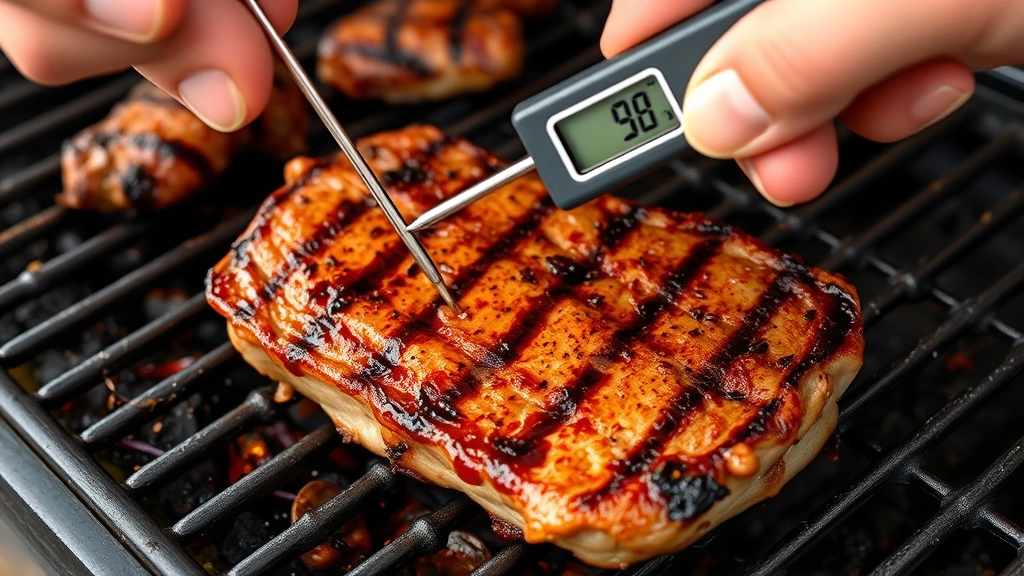
Internal temperature is your most reliable indicator of doneness when learning how to grill pork chops. The USDA recommends cooking pork to 145°F (63°C) followed by a 3-minute rest. Modern food safety guidelines recognize that pork is safe at this temperature, which is lower than the old 160°F recommendation. This lower temperature keeps the meat juicier and more flavorful.
Use a meat thermometer—preferably an instant-read thermometer—inserted horizontally into the thickest part of the chop without touching the bone. Check temperature starting around 8 to 10 minutes into cooking, depending on thickness. For 1.25-inch chops over direct medium-high heat, expect 10 to 12 minutes total cooking time. For 1.5-inch chops using the sear-and-finish method, plan on 12 to 15 minutes.
The carryover cooking effect means the internal temperature will rise 3 to 5°F after you remove the chops from the grill. Remove them when they reach 140 to 142°F for a final temperature of 143 to 147°F after resting. This is far more accurate than relying on time alone, which varies based on grill type, ambient temperature, and meat thickness.
Color is not a reliable doneness indicator for pork. Even when properly cooked to 145°F, pork can retain a slight pink tinge, especially near the bone. This is completely safe and actually preferable to overcooked, gray meat. Many experienced cooks prefer pork with a hint of pink for maximum tenderness and moisture.
Resting and Serving
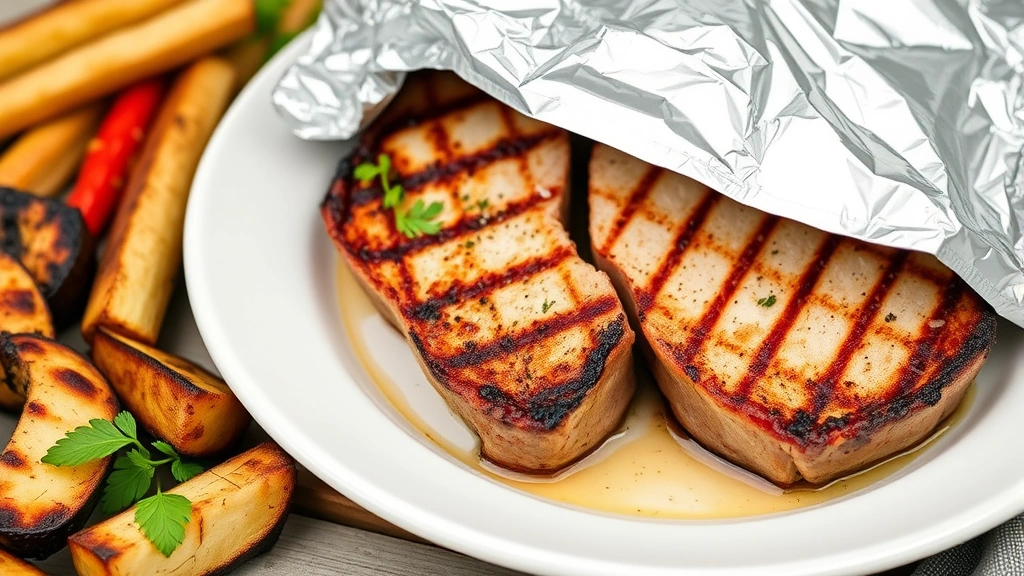
The resting period after grilling is as important as the cooking itself. Remove your pork chops from the grill and place them on a clean plate or cutting board. Tent them loosely with aluminum foil to keep them warm without trapping steam. Let them rest for 3 to 5 minutes—this allows the muscle fibers to relax and reabsorb the juices that were driven to the surface during cooking.
If you skip the resting period and cut into a chop immediately, those precious juices will run out onto the plate instead of staying in the meat. This is why resting is non-negotiable for juicy results. During this time, you can prepare side dishes or finish any final plating details.
Serve grilled pork chops immediately while they’re still warm. They pair beautifully with grilled vegetables, fresh salads, or classic sides like baked potatoes. A flavorful sauce or compound butter applied just before serving adds extra richness—consider garlic butter, mustard-based sauces, or fruit glazes that complement pork’s mild flavor.
Troubleshooting Common Issues
Dry Pork Chops: This is the most common complaint. Causes include overcooking (cooking past 145°F), using thin chops that cook too quickly, or skipping the resting period. Prevent this by using thick-cut chops, brining beforehand, and removing from heat at the right temperature.
Uneven Cooking: If your chops are done on the outside but undercooked inside, your grill temperature is too high. Reduce heat or move chops to indirect heat to finish cooking. Alternatively, start with thicker cuts that allow more time for the center to cook while the exterior develops color.
Sticking to the Grates: This usually means insufficient oiling of the grates or the meat not being at the right temperature. Ensure grates are well-oiled and the grill is preheated to proper temperature. Don’t attempt to move the chop until it has developed a crust and will naturally release from the grate.
Flare-ups and Burning: Excessive fat or sugar in marinades causes flare-ups. Use lean cuts when possible, avoid sugary rubs, and keep a spray bottle handy. If flare-ups occur, move chops to a cooler zone temporarily.
Inconsistent Results: Invest in a reliable meat thermometer and use it every time. Grilling times vary based on weather, grill type, and meat thickness, so temperature is your only consistent guide. Keep notes on your first few grilling sessions to understand your specific grill’s characteristics.
For general grilling preparation and maintenance, consider exploring our FixWise Hub blog with comprehensive how-to guides for all your outdoor cooking needs.
Frequently Asked Questions
How thick should pork chops be for grilling?
Aim for pork chops that are 1.25 to 1.5 inches thick. Thinner chops (under 1 inch) cook too quickly and dry out easily. Thicker cuts allow you to develop a golden crust while keeping the interior juicy. Bone-in chops are preferable to boneless for even heat distribution.
Should I marinate pork chops before grilling?
Marinating is optional but can add flavor. If you do marinate, keep it to 2 to 4 hours maximum—longer marinating with acidic ingredients can make the meat mushy. Alternatively, a simple salt-based dry brine applied 12 to 24 hours ahead is highly effective for both flavor and moisture retention.
What’s the best way to know when pork chops are done?
Use an instant-read meat thermometer inserted into the thickest part of the chop. The USDA-recommended safe internal temperature is 145°F (63°C), followed by a 3-minute rest. This temperature is safe, and the meat will be juicy with a slight pink tinge near the bone.
Can I grill pork chops on a charcoal grill?
Absolutely. Charcoal grills work wonderfully for pork chops. Create a two-zone fire with coals on one side, leaving the other side cooler for indirect heat. Sear the chops over direct heat, then finish over indirect heat if needed. Charcoal often imparts excellent smoky flavor.
How long can I store leftover grilled pork chops?
Store leftover pork chops in an airtight container in the refrigerator for up to 3 to 4 days. Reheat gently in a low oven (300°F) with a bit of broth to restore moisture, or slice them cold and add to salads. Proper storage prevents the meat from drying out further.
What side dishes pair well with grilled pork chops?
Grilled pork chops pair beautifully with grilled vegetables, fresh green salads, roasted potatoes, or coleslaw. The mild flavor of pork complements both light, fresh sides and hearty, rich accompaniments. Consider what seasonings you used on the chops when selecting sides.
Should I use a grill cover while cooking pork chops?
Covering the grill can help with thicker chops or when using indirect heat, as it traps heat and speeds up the cooking process. However, for standard grilling over direct heat, an uncovered grill allows better monitoring and prevents excess steam. Use your judgment based on thickness and cooking method.

Related Posts

Superscript in Google Docs: Expert Tips

Strikethrough in Excel: Easy Steps for Beginners
