

Removing Possums Safely: Expert Tips to Follow
Removing Possums Safely: Expert Tips to Follow
Possums are nocturnal marsupials that often find their way into homes, attics, and garages seeking shelter and food sources. While they’re generally non-aggressive and actually help control pests like insects and rodents, their presence can create significant problems including property damage, foul odors, and potential health hazards. Learning how to get rid of possums safely and humanely is essential for homeowners dealing with these uninvited guests.
The good news is that possums can be removed without harming them or risking your safety. This comprehensive guide walks you through expert-approved methods, prevention strategies, and when to call professional wildlife control. Unlike dealing with mice in walls or other rodents, possum removal often requires a different approach focused on exclusion and humane trapping.

Understanding Possum Behavior and Entry Points
Before attempting to remove possums from your property, it’s crucial to understand their behavior patterns and how they access buildings. Possums are primarily nocturnal creatures, meaning they’re most active at night when they search for food and shelter. They’re attracted to properties that offer easy access to food sources and safe denning areas.
Common entry points include gaps under siding, holes in roof vents, broken foundation seals, open chimney tops, and spaces around pipes and utility lines. Possums are excellent climbers with sharp claws that allow them to scale trees and reach high entry points on your home. They’re also surprisingly flexible and can squeeze through surprisingly small openings—sometimes as small as two inches in diameter.
Understanding that possums are attracted to specific resources helps you address the root cause of the infestation. They seek out easily accessible food like pet food left outside, unsecured garbage, fallen fruit from trees, and compost piles. Once they find a reliable food source, they’ll establish a den nearby, often in attics, crawl spaces, or under decks.
Inspection and Identification
The first step in any possum removal strategy involves a thorough inspection of your property. Walk around your home’s exterior, looking for signs of possum activity and potential entry points. Look for droppings, which are typically dark and cylindrical, about half an inch in diameter. Check for rub marks on walls, grease stains where possums have squeezed through tight spaces, and visible damage to siding or insulation.
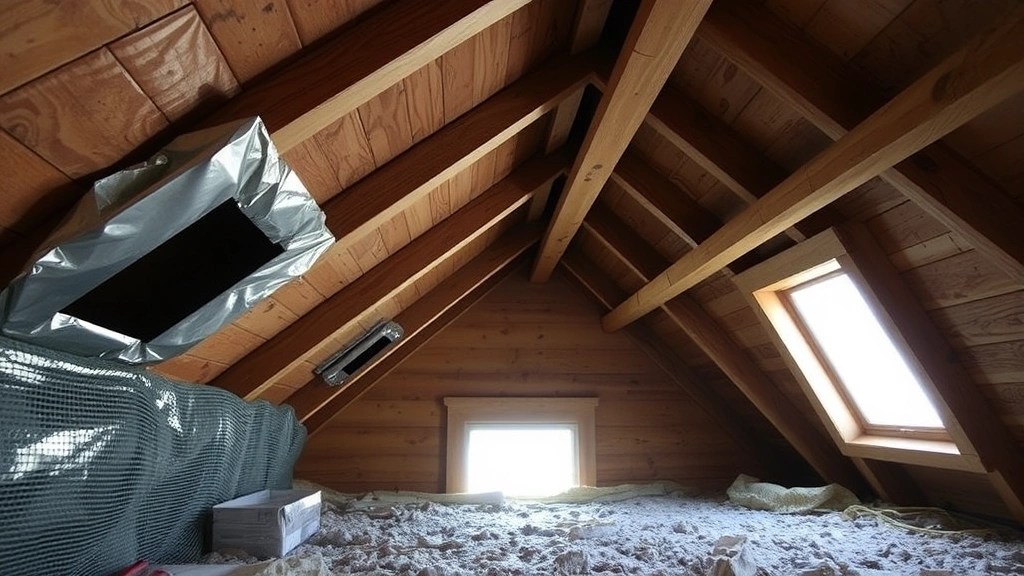
Inspect your attic, basement, and crawl spaces for nesting materials like dried leaves, shredded insulation, and bedding. Listen for scratching sounds, hissing, or growling, particularly during evening hours when possums are most active. Check under decks, in sheds, and around outdoor structures where possums might establish dens.
Confirming you’re actually dealing with possums rather than other wildlife is important. Possums are about the size of a cat, with grayish-white fur, a pointed snout, and a hairless tail. They have distinctive features including rounded ears and a prehensile tail. If you see droppings or hear unusual sounds but aren’t certain about the animal involved, examining what you’re dealing with carefully is worthwhile before taking action.
Document all entry points and problem areas with photos. This documentation helps if you need to hire professional wildlife control and ensures you don’t miss any access points during exclusion work.
Humane Trapping Methods
Once you’ve identified possum activity, humane trapping is often the most effective removal method. Live trapping allows you to capture possums without causing harm, though it requires careful handling and proper relocation procedures. Check your local regulations first, as some areas have specific requirements about trapping and relocating wildlife.
Setting up live traps: Use medium-sized live traps (12x10x10 inches minimum) baited with fruits, vegetables, or peanut butter. Place traps along walls where you’ve observed possum activity, near entry points, and along their travel paths. Position traps in the evening and check them early in the morning. Cover traps with blankets or tarps to reduce stress on the captured animal.
Bait effectiveness varies, but possums respond well to sweet foods like apples, berries, and overripe fruit. Marshmallows and sweet potato are also effective baits. Change bait daily if you don’t catch anything within 24 hours.
Safe handling of trapped possums: Possums are generally docile but may play dead when threatened—a defensive mechanism where they become completely still and unresponsive. If a possum does this, remain calm and let it recover in a quiet place. Wear heavy gloves when handling traps, and approach slowly to minimize stress.
Never attempt to handle a possum directly without proper training and protective equipment. Their teeth and claws can cause serious injuries, and they may carry parasites or diseases transmissible to humans. If you must move a trap, do so carefully and keep the animal as calm as possible.
Relocation considerations: In most areas, relocating trapped possums is legal, but you must release them on property where you have permission and in suitable habitat. Release possums at least five miles from your property in a wooded area with adequate shelter and food sources. Contact your local wildlife agency for guidance on legal relocation distances and protected lands where release is prohibited.
Exclusion Techniques
Exclusion is the most effective long-term solution for possum problems. This involves sealing all entry points and denying access to your home and structures. Exclusion works best in combination with trapping to remove current residents before sealing entry points.
Sealing entry points: Start by identifying all holes, gaps, and damaged areas larger than two inches. Use heavy-gauge hardware cloth, steel mesh, or metal flashing to cover openings. Possums are strong and can tear through lighter materials, so durability is essential. Secure mesh with galvanized screws or staples, not just adhesive.
Common areas requiring attention include:
- Roof vents and soffit openings—cover with 1/4-inch hardware cloth
- Chimney tops—install chimney caps designed to allow smoke escape while preventing animal entry
- Gaps in siding—seal with caulk or foam insulation, then cover with trim
- Spaces around pipes and utilities—use expanding foam or hardware cloth
- Foundation cracks—fill with concrete or seal with hardware cloth and caulk
- Deck undersides—install skirting with hardware cloth, leaving small gaps for drainage
One-way exclusion doors can be effective for removing possums from attics or crawl spaces. Install a one-way door over the main entry point, allowing possums to exit but preventing re-entry. Leave the door in place for 3-5 days to ensure all possums have departed, then seal the opening permanently.
Trimming vegetation: Cut tree branches that hang over your roof or touch your home. Possums use these branches as highways to access upper entry points. Remove dead trees and trim dense vegetation within 6-8 feet of your home’s exterior. This eliminates convenient perches and denning sites.
Prevention and Habitat Modification
Preventing future possum problems requires eliminating the conditions that attract them to your property. Since possums are drawn to food and shelter, modifying your home’s surroundings is crucial for long-term success.
Food source elimination: Secure all garbage in heavy-duty containers with locking lids. Don’t leave pet food outside overnight—feed pets indoors or remove uneaten food after each meal. If you have outdoor pets, use enclosed feeders and remove food promptly. Pick up fallen fruit from trees regularly, as this is a major attractant. Consider removing fruit trees if possum problems persist, though this is usually unnecessary if other prevention measures are in place.
When cleaning your kitchen and disposing of food waste, ensure nothing spills outside. Compost piles attract possums and other wildlife—if you compost, use enclosed bins and avoid adding meat, dairy, or cooked foods. Properly storing food properly extends beyond kitchen organization to include outdoor storage as well.
Reducing shelter and denning sites: Remove brush piles, old wood, and debris from your yard. Possums use these as shelter. Seal spaces under decks, sheds, and porches with hardware cloth. Eliminate clutter in crawl spaces and basements. Store items in sealed containers rather than on open shelves where possums might nest.
Lighting and noise deterrents: Motion-activated lights and noise-making devices may temporarily deter possums, though they’re not reliable long-term solutions. Possums quickly become accustomed to these deterrents. Instead, focus on exclusion and food source removal for permanent results.
Ammonia-soaked rags: Some people place ammonia-soaked rags in areas where possums are active, as the strong smell may encourage them to move elsewhere. While this sometimes works temporarily, it’s not a substitute for proper exclusion. The smell dissipates quickly and requires frequent reapplication.
When to Call Professional Wildlife Control
While DIY possum removal is possible, professional wildlife control services offer significant advantages. Licensed professionals have the expertise, equipment, and legal authority to handle complex situations safely and effectively.
Consider hiring professionals if you:
- Have multiple possums or a large infestation
- Cannot safely access entry points or trapping areas
- Are uncomfortable handling traps or captured animals
- Have possums in hard-to-reach areas like between walls or in chimney systems
- Need to ensure legal compliance with local wildlife regulations
- Want guaranteed results with warranty coverage
Professional wildlife control companies conduct thorough inspections, perform humane trapping and removal, seal all entry points, and provide follow-up monitoring. Many offer guarantees that possums won’t return, providing peace of mind. While more expensive than DIY approaches, professional services often prove cost-effective by addressing the problem completely and preventing future infestations.
When selecting a wildlife control company, verify they’re licensed and insured. Ask about their methods, guarantees, and whether they offer exclusion services in addition to trapping. Check online reviews and ask for references from recent customers. Reputable companies should be transparent about their processes and costs.
Working with local authorities: If you’re unsure about regulations in your area, contact your local animal control office or wildlife agency. They can provide guidance on legal trapping and relocation, recommend licensed professionals, and answer questions about your specific situation. Some areas offer assistance with wildlife problems or can direct you to resources.
FAQ
Are possums dangerous to humans?
Possums are generally not aggressive toward humans. They prefer to avoid confrontation and typically play dead rather than fight. However, they can bite or scratch if they feel threatened or cornered. They may carry parasites or diseases, so avoiding direct contact is wise. Always wear gloves when handling traps or cleaning areas where possums have been present.
Can I use poison to kill possums?
Poisoning possums is inhumane and often illegal. Additionally, it’s ineffective because possums are resistant to many rodent poisons. Dead possums in inaccessible areas create foul odors and health hazards. Humane trapping and relocation are far superior approaches that solve the problem without cruelty.
How long does possum removal take?
The timeline depends on the infestation size and whether you’re trapping before sealing entry points. Trapping typically takes 1-3 weeks if done properly. Exclusion work may take several days to a week depending on the number of entry points. Professional services may complete both phases in 2-4 weeks. Don’t rush the process—ensuring all possums are removed before sealing is crucial.
Will a one-way door work for possum removal?
One-way exclusion doors are effective when installed correctly over primary entry points. They allow possums to leave but prevent re-entry. However, they only work if all other entry points are already sealed. If multiple entry points exist, possums will use alternate routes. One-way doors are best used as part of a comprehensive exclusion strategy.
What’s the best bait for possum traps?
Possums respond best to sweet-smelling baits like overripe fruit (apples, bananas, berries), marshmallows, sweet potatoes, and peanut butter. Some people have success with cat food or dog food. Change bait daily if you don’t catch anything. Fresh bait is more effective than dried or stale bait.
Can I trap possums in winter?
Yes, possums can be trapped year-round, though they’re less active in cold weather. Winter trapping may take longer because possums spend more time in their dens and move less frequently. If possible, trap during fall or early winter before they establish winter den sites. Winter removal can be more challenging but is still possible with patience and proper bait placement.
What should I do if I find a baby possum?
Young possums separated from their mother need specialized care. Contact a local wildlife rehabilitator immediately—never attempt to care for baby possums yourself. Most areas have licensed rehabilitators who specialize in wildlife care. If you find a mother possum with babies, allow them to remain together and use exclusion methods after they naturally leave the den (typically 3-4 months after birth).
How can I prevent possums from returning after removal?
After successful removal, prevent re-infestation by maintaining exclusion barriers, eliminating food sources, and reducing shelter opportunities. Regular property maintenance, including sealing new gaps, trimming vegetation, and securing garbage, is essential. Annual inspections help catch new entry points before possums establish themselves again.

Related Posts

Superscript in Google Docs: Expert Tips

Strikethrough in Excel: Easy Steps for Beginners
