
Eliminate Ground Bees? Expert Tips Inside!
How to Get Rid of Ground Bees: Expert Tips and Safe Removal Methods
Ground bees can be unsettling when they nest in your yard, but the good news is that most species are solitary, non-aggressive, and actually beneficial for your garden ecosystem. Unlike honeybees that live in colonies, ground-nesting bees like mason bees and mining bees are docile creatures that rarely sting unless directly threatened. However, if their nesting sites conflict with your outdoor activities or you have allergies, understanding how to manage them safely is essential.
This comprehensive guide will walk you through identifying ground bees, understanding why they nest in your yard, and implementing both humane and chemical-free solutions. Whether you’re dealing with a small population or a larger infestation, you’ll learn practical strategies that protect both your family and these important pollinators.
Identifying Ground Bees in Your Yard
The first step in addressing a ground bee problem is confirming what you’re actually dealing with. Ground bees come in several varieties, and proper identification determines your best course of action. Most ground-nesting bees are small to medium-sized insects, typically ranging from one-quarter inch to three-quarters inch in length. They’re often metallic blue, green, or black, though some species appear brown or tan.
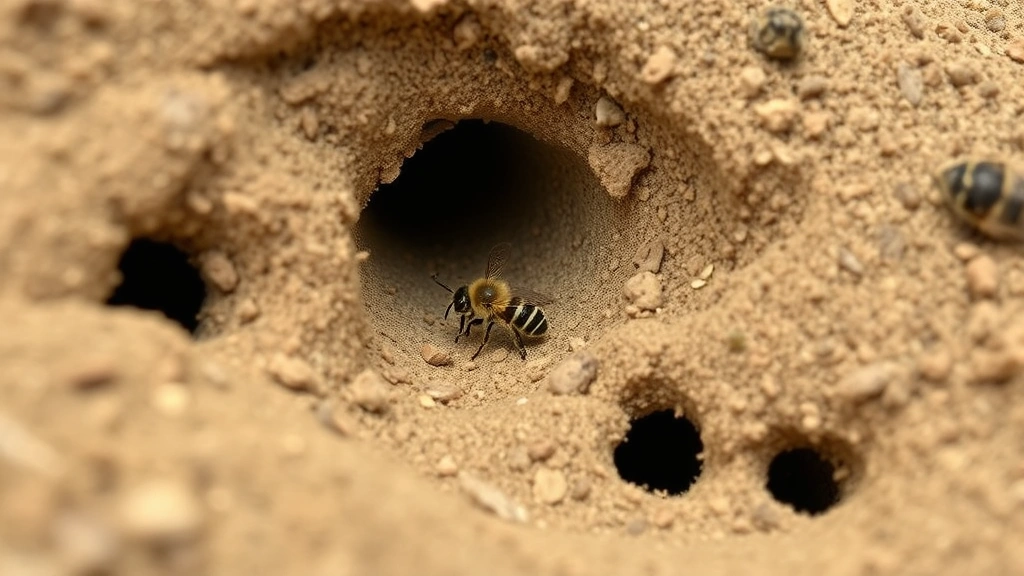
Look for small holes or tunnels in bare patches of soil, sand, or mulch. Unlike honeybees that create visible hives, ground bees create individual burrows that resemble tiny volcano-shaped mounds or simple holes. You might notice bees hovering around these entrance holes, especially during spring and summer months. Mining bees and carpenter bees are the most common residential species, though sweat bees and mason bees also nest underground.
A key distinguishing feature is behavior. Ground bees are typically solitary or semi-social, meaning they don’t defend territory aggressively like honeybees or wasps. If you can observe them without getting stung, you’re likely looking at ground bees rather than more aggressive species. Check whether multiple bees are using the same hole (less common for ground bees) or if each has its own burrow (typical ground bee behavior).
Why Ground Bees Nest in Residential Areas
Understanding why ground bees choose your yard helps you implement effective prevention strategies. These bees seek bare soil or sand where they can excavate tunnels without competition from vegetation or existing structures. Compacted earth, sandy patches in gardens, and areas with sparse grass cover are prime real estate for nesting populations.
Ground bees are attracted to yards with abundant flowering plants and minimal pesticide use. If your landscape features native plants, wildflowers, or diverse vegetation, you’re essentially providing an all-you-can-eat buffet for foraging bees. Spring and early summer represent peak nesting season when females emerge and begin burrowing to lay eggs.
These bees play a crucial ecological role as pollinators, often more efficient than honeybees for certain plants. They’re also solitary nesters, meaning each female creates her own burrow and provisions it with pollen for her offspring. This behavior makes them less of a threat to humans compared to social bee species that defend their hive collectively.
Non-Chemical Removal Methods
If you want to eliminate ground bees without resorting to pesticides, several humane methods prove effective. These approaches prioritize the safety of your family, pets, and the broader environment while still addressing your concerns.
Water and Soil Modification
One of the simplest non-chemical approaches involves making soil conditions unsuitable for nesting. Ground bees prefer dry, compacted earth. By watering your lawn regularly and keeping soil moist, you discourage new tunneling. This method works best in early spring before bees establish nesting sites. Water problem areas daily for one to two weeks to encourage bees to relocate to drier spots.
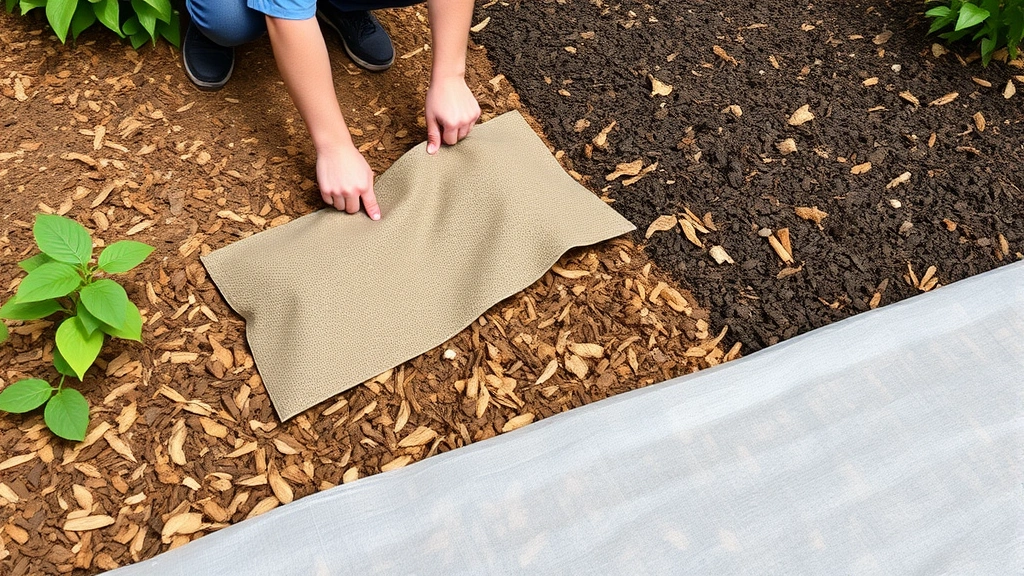
You can also cover bare patches with landscape fabric, mulch, or sod. Bees won’t nest where they can’t access bare soil directly. Apply at least three inches of mulch over problem areas, ensuring complete coverage. This physical barrier forces bees to seek nesting sites elsewhere without harming them.
Scent-Based Deterrents
Ground bees dislike certain strong odors. Citronella, peppermint, and cinnamon are natural repellents that can discourage nesting without toxicity. Create a deterrent mixture by combining peppermint essential oil with water in a spray bottle (10-15 drops per quart) and apply it around nesting areas. Repeat applications every three to four days during peak nesting season.
Garlic-based sprays also work effectively. Blend several garlic cloves with water, strain the mixture, and spray it around affected areas. The strong odor bothers ground bees without poisoning them. For lasting results, reapply after rain and every week during nesting season.
Physical Barriers and Exclusion
Installing physical barriers prevents bees from accessing preferred nesting sites. Fine mesh netting or hardware cloth placed over bare soil stops bees from burrowing while still allowing water penetration. Secure the barrier firmly to prevent bees from working underneath.
Alternatively, create alternative nesting sites away from high-traffic areas. Mason bees, for example, readily nest in drilled wooden blocks or commercial bee houses. By providing these alternatives in less-frequented parts of your yard, you redirect bee activity away from problem areas.

When to Use Chemical Solutions
Chemical treatments become necessary when non-invasive methods fail or when ground bee populations pose genuine safety risks. Before applying any pesticide, verify local regulations and check whether your area has restrictions on bee-killing chemicals.
Targeted Insecticide Application
If you decide to use chemicals, choose products specifically labeled for ground-nesting bees. Dust-based insecticides like carbaryl or diatomaceous earth work by coating bee bodies as they enter and exit burrows. Apply these products in late evening when bees return to their nests and activity is minimal.
Follow all label instructions precisely. Wear protective equipment including gloves, long sleeves, and a mask. Apply the dust directly into burrow entrances using a hand duster or squeeze bottle. For best results, treat the area on consecutive evenings, as some bees may be foraging during initial application.
Liquid insecticides mixed with water can be injected directly into burrows using a syringe or injection applicator. This targeted approach minimizes exposure to non-target insects. Again, apply in evening hours and follow label directions exactly.
Professional-Grade Solutions
For severe infestations, professional pest control operators have access to stronger formulations and specialized equipment. They can identify bee species precisely and recommend the most appropriate treatment. Professional application also ensures proper safety precautions and compliance with local regulations.
Prevention Strategies for Long-Term Control
Once you’ve eliminated ground bees, implementing prevention measures keeps them from returning. These strategies focus on making your yard less attractive for nesting while maintaining a healthy outdoor environment.
Lawn and Garden Maintenance
Maintain healthy, dense turf grass that prevents bare patches where bees nest. Overseed thin areas, water regularly, and aerate compacted soil. A well-established lawn naturally discourages ground bee nesting by eliminating the bare soil they require.
Keep mulch in garden beds at least three to four inches thick to cover bare spots. Use wood chips or shredded bark rather than leaving soil exposed. This simple maintenance task significantly reduces available nesting habitat.
Strategic Landscaping
While ground bees are beneficial, you can manage their presence through thoughtful landscaping. Plant ground covers like creeping thyme or sedum over problem areas. These low-growing plants prevent bare soil exposure while still allowing some bee activity in less problematic zones.
Consider relocating flowering plants that attract bees away from high-traffic areas or near patios and play spaces. This redirects foraging activity to less-frequented parts of your property. Native plants provide excellent pollen sources while naturally supporting local bee populations.
Seal Vulnerable Areas
Inspect your property for areas prone to ground bee nesting. Fill old rodent holes, level uneven ground, and remove debris piles where bees might shelter. Address drainage issues that create bare, eroded patches in your landscape.
Professional Removal Options
When dealing with large populations, allergic family members, or persistent infestations, professional pest control becomes a practical choice. Exterminators bring expertise in species identification and access to regulated pesticides unavailable to homeowners.
Contact local This Old House recommended contractors or your county extension office for referrals. Professional services typically include inspection, identification, treatment, and follow-up visits. Many companies offer guarantees on their work and can address recurring problems.
Before hiring professionals, ask about their methods and whether they prioritize non-lethal removal for beneficial species. Some specialists focus on relocation rather than extermination, which is preferable if the bees aren’t aggressive.
If you’re also dealing with how to get rid of gnats in the house quickly or other household pests, many pest control companies offer comprehensive property treatments. Similarly, understanding pest management overlaps with addressing issues like how to get rid of German cockroaches through proper sanitation and exclusion techniques.
Frequently Asked Questions
Are ground bees dangerous to my family?
Ground bees are generally non-aggressive and rarely sting. Most species only sting when directly threatened or crushed. Children and pets are at minimal risk if they simply avoid bee nesting areas. Allergic individuals should exercise caution and consider professional removal.
Will removing ground bees hurt my garden’s pollination?
Ground bees are excellent pollinators, so removal might slightly reduce pollination efficiency. However, other pollinators like honeybees, butterflies, and other insects typically compensate. If you’re concerned about pollination, consider creating alternative bee housing away from living spaces rather than complete removal.
What’s the best time to treat ground bee problems?
Early spring before bees emerge is ideal for prevention. If treatment is necessary, late evening during the nesting season (typically May through July) ensures most bees are in their burrows. Avoid midday treatments when bees are actively foraging.
Can I use regular pesticides from my shed?
No. General-purpose pesticides aren’t formulated for ground bee control and may be ineffective or illegal to use on bees in your area. Always use products specifically labeled for ground-nesting bees and follow all label instructions.
How long does it take for ground bees to leave on their own?
Ground bee populations naturally decline after the nesting season ends in late summer. However, they’ll return the following spring if conditions remain favorable. Permanent solutions require habitat modification or treatment to prevent re-infestation.
Are there any natural predators I can introduce?
Several birds and insects naturally prey on ground bees, but introducing predators specifically for bee control isn’t practical or recommended. Instead, focus on habitat modification and targeted removal methods.
What if I find a bee nest near my house foundation?
Nests near foundations require careful handling to prevent structural damage. Water-based deterrents work well in these locations without damaging masonry. If nesting persists, professional removal ensures proper treatment without harming your home’s integrity.
For additional home improvement guidance, visit the FixWiseHub Blog where we cover everything from pest management to general home maintenance. You’ll find practical solutions for numerous household challenges that complement this ground bee removal guide.
Managing ground bees successfully requires patience, proper identification, and choosing the right removal method for your situation. Whether you opt for humane exclusion, chemical treatment, or professional services, the goal is resolving the issue while minimizing environmental impact. Start with the gentlest methods and escalate only if necessary, always remembering that these bees play an important role in our ecosystem.

Related Posts

Superscript in Google Docs: Expert Tips

Strikethrough in Excel: Easy Steps for Beginners
