
Eliminate Gnats Fast: Expert Tips and Tricks
Eliminate Gnats Fast: Expert Tips and Tricks
Gnats are one of the most frustrating household pests, appearing seemingly overnight and multiplying faster than you can swat them. These tiny flying insects thrive in warm, moist environments and are attracted to fermenting organic matter, overripe fruit, and standing water. If you’ve noticed small flies buzzing around your kitchen or bathroom, you’re dealing with a gnat infestation that requires immediate action. The good news is that with the right strategies, you can eliminate gnats quickly and prevent them from returning.
Getting rid of gnats in the house quickly involves a multi-pronged approach that targets both adult insects and their breeding grounds. Unlike dealing with other household pests like German cockroaches or crickets, gnat control requires you to eliminate their moisture sources and food supplies while using targeted elimination methods. This comprehensive guide will walk you through proven techniques that pest control professionals use to reclaim homes from gnat invasions.
Identify Your Gnat Problem
Before you can effectively eliminate gnats, you need to confirm you’re actually dealing with gnats and not another type of flying insect. Gnats are extremely small, typically measuring just 1/8 inch long, with dark bodies and long legs. Fruit flies, which are often confused with gnats, have a slightly rounder body shape and are attracted to fermenting fruits and vegetables. Fungus gnats, the most common indoor gnat species, are darker and smaller than fruit flies and are typically found near potted plants and damp soil.
The key identifier for gnats is their behavior and habitat preference. If you notice small insects clustering around kitchen drains, houseplants, or areas with standing water, you likely have a gnat problem. Gnats are also more active during warm months and are attracted to moisture rather than just food. Understanding which type of gnat you’re dealing with helps you target your elimination strategy more effectively. Visit This Old House’s pest control section for detailed identification guides and professional recommendations.
Take Immediate Action to Kill Adult Gnats
The first step in eliminating gnats quickly is to kill the adult insects currently flying around your home. While this won’t solve the entire problem, it provides immediate relief and reduces the population that can lay more eggs.
Use a Bug Spray or Aerosol Treatment — Indoor insecticide sprays are highly effective for killing adult gnats on contact. Look for products labeled specifically for gnats or general flying insects. Spray around problem areas, particularly near windows, kitchen counters, and bathrooms. Always follow product instructions carefully and ensure proper ventilation. Pyrethrin-based sprays are effective and break down quickly in the environment.
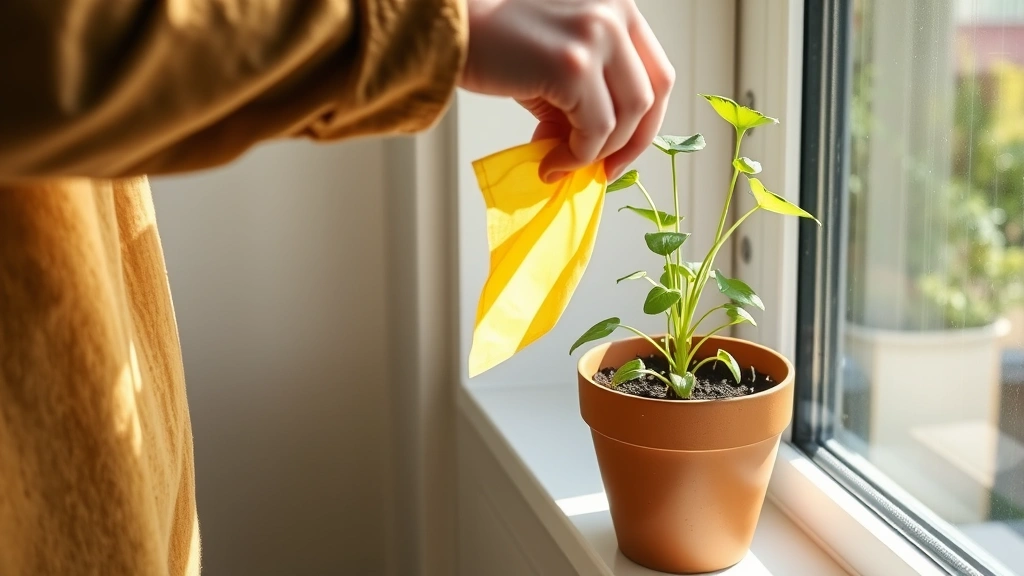
Deploy Sticky Traps — Yellow sticky traps are excellent for monitoring and capturing adult gnats. Place these traps near suspected gnat hotspots, including windowsills, kitchen areas, and near houseplants. The bright yellow color attracts gnats, and they become stuck on the adhesive surface. Replace traps every few days or when they become covered with insects.
Try a Homemade Vinegar Solution — Create a simple spray using equal parts white vinegar and water in a spray bottle. While less potent than commercial insecticides, this natural solution can kill some gnats on contact and is safe to use around food preparation areas. Spray directly on visible insects or around affected areas.
Eliminate Breeding Grounds and Moisture Sources
Killing adult gnats is only half the battle. To truly eliminate gnats quickly, you must destroy their breeding grounds. Gnats reproduce rapidly in moist environments with organic matter present.
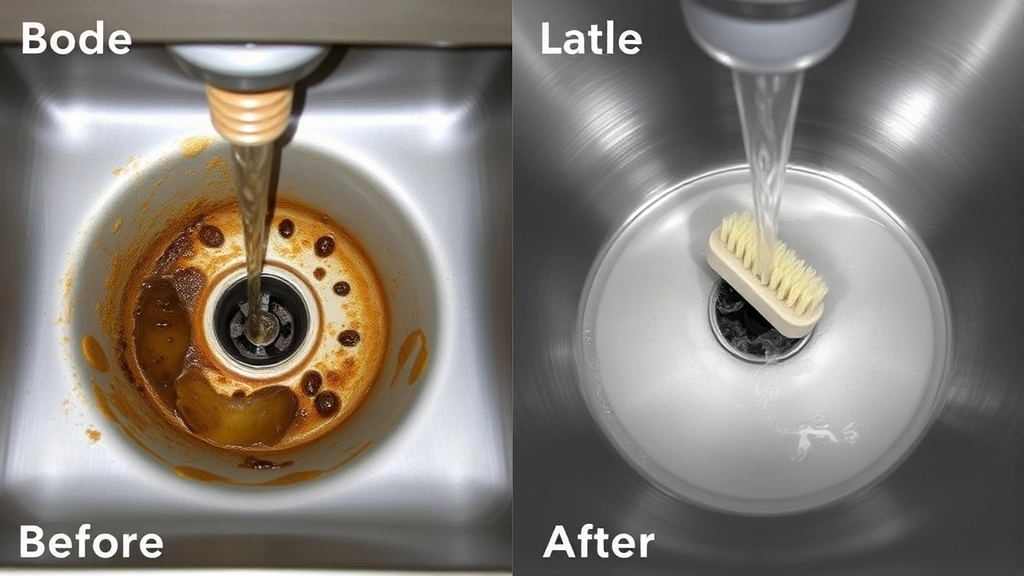
Clean Kitchen Drains Thoroughly — Kitchen drains are prime breeding grounds for gnats. The organic matter that accumulates in drain pipes provides both food and moisture. Pour boiling water down drains to kill larvae, then use a drain brush or pipe cleaner to scrub the interior walls. Follow this with a commercial drain cleaner or a mixture of baking soda and vinegar left to sit overnight. For stubborn infestations, use a drain rod or snake to physically remove debris. This is one of the most critical steps in how to get rid of gnats in the house quickly.
Address Standing Water — Any standing water in your home can harbor gnat larvae. Check under sinks, around plant saucers, in shower drains, and in any areas prone to moisture accumulation. Empty and dry these areas completely. If you have humidifiers or aquariums, ensure they’re properly maintained and cleaned regularly. Consider using a dehumidifier in particularly damp areas of your home.
Inspect and Treat Houseplants — Fungus gnats thrive in moist potting soil. Allow the top inch of soil to dry out between waterings, as this interrupts the gnat lifecycle. Repot plants in fresh, sterile soil if the infestation is severe. Water plants at the base rather than misting the leaves, which keeps foliage dry. Remove any dead leaves or organic matter from the soil surface.
Remove Decomposing Organic Matter — Gnats feed on fermenting fruits, vegetables, and other organic debris. Inspect your kitchen for overripe produce and discard it immediately. Empty trash cans frequently, especially those containing food waste. Check under appliances and in corners where organic matter might accumulate. Clean your coffee maker regularly, as residual coffee grounds can attract gnats.
Deploy Effective Traps and Baits
Strategic trap placement is essential for monitoring and controlling gnat populations. Different trap types work for different gnat species and situations.
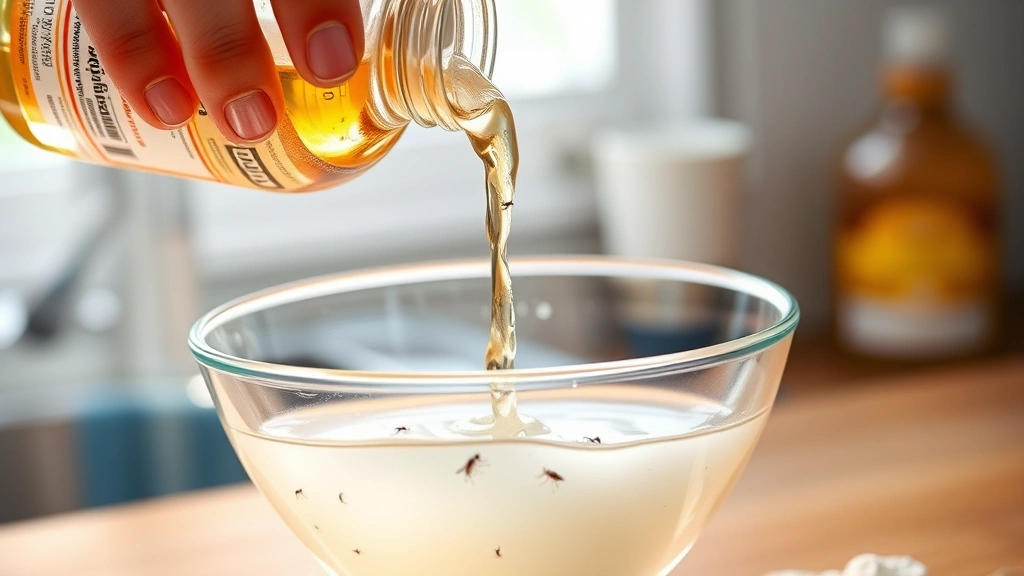
Apple Cider Vinegar Trap — This is one of the most effective DIY gnat traps. Fill a small bowl with apple cider vinegar, add a few drops of dish soap, and leave it uncovered in affected areas. The smell attracts gnats, and the dish soap breaks the surface tension, causing them to sink and drown. Replace the mixture every two to three days. The beauty of this method is that it’s non-toxic and works continuously without supervision.
Wine or Beer Trap — Similar to the vinegar trap, gnats are attracted to fermenting beverages. Pour a small amount of wine or beer into a container with a drop of dish soap. Leave it uncovered overnight. The fermentation smell is irresistible to gnats, and they’ll fall into the liquid.
Fruit Trap — Place overripe or rotting fruit in a container and cover it tightly with plastic wrap. Poke small holes in the wrap just large enough for gnats to enter. Gnats will fly in seeking the fruit but struggle to find their way out. Check and replace daily.
Commercial Gnat Traps — Products like Gnat Stix or similar sticky trap systems are specifically designed for gnat control. These often use pheromone attractants that are more effective than basic sticky traps. Follow product instructions for optimal placement and replacement schedules.
Enzyme Drain Treatment — For drain-dwelling gnats, enzyme-based drain treatments break down organic matter where larvae develop. Pour the treatment down affected drains and let it work overnight. This is gentler than harsh chemicals but highly effective for drain gnats.
Prevent Future Gnat Infestations
Once you’ve successfully eliminated your gnat problem, maintaining prevention habits ensures they won’t return. Prevention is significantly easier than dealing with an active infestation.
Maintain Consistent Cleanliness — Regular cleaning of kitchens, bathrooms, and other moist areas prevents the conditions gnats need to thrive. Wipe down sinks daily, sweep floors to remove organic debris, and immediately clean up spills. Pay special attention to areas behind and under appliances where moisture and food particles accumulate.
Manage Moisture Levels — Keep humidity levels in your home between 30 and 50 percent. Use exhaust fans in bathrooms and kitchens during and after showers or cooking. Fix any leaky pipes or faucets promptly, as these create the moist environment gnats love. Ensure proper drainage around your home’s foundation and gutters.
Practice Proper Food Storage — Store fruits and vegetables in the refrigerator rather than leaving them on counters. Keep ripening fruits in sealed containers. Don’t leave dirty dishes in the sink overnight. Take trash out regularly, especially items containing food waste. Clean up any spills immediately.
Maintain Drains Regularly — Even without an active infestation, periodically clean your drains with hot water, baking soda, and vinegar. This prevents the buildup of organic matter that attracts gnats. Consider using a drain screen to catch debris before it accumulates in pipes.
Monitor Houseplants — Continue to allow soil to dry between waterings and remove dead leaves promptly. If you notice any gnats returning, treat the soil immediately with neem oil or replace the soil entirely. This preventive approach stops infestations before they start.
For more comprehensive home maintenance strategies, explore our FixWiseHub Blog for additional pest control and home care tips. The Family Handyman’s gnat removal guide also provides excellent step-by-step instructions and product recommendations.
FAQ
How long does it take to eliminate gnats?
With consistent effort, you can significantly reduce gnat populations within 3-5 days. Complete elimination typically takes 1-2 weeks because you must break the entire lifecycle. Gnats have a short lifespan (7-10 days), but they reproduce continuously if breeding grounds aren’t eliminated. Persistence is key—maintain your prevention strategies even after visible gnats disappear.
Why do I keep getting gnats even after cleaning?
Recurring gnats usually indicate you’ve missed a breeding ground. Check less obvious areas like drain pipes, plant soil, garbage disposals, and under appliances. Some gnats may be entering from outdoors through open windows or doors. Seal cracks around windows and doors, and use screens to prevent entry. Also ensure you’re addressing moisture sources, not just food sources.
Are gnats dangerous to my health?
Gnats are generally not dangerous, though they can be annoying and unsanitary. They may contaminate food surfaces and can potentially transmit bacteria, though this is rare in homes. The main health concern is the psychological stress of dealing with an infestation and the potential for allergic reactions in sensitive individuals.
What’s the difference between gnats and fruit flies?
While similar, gnats and fruit flies have different preferences. Fruit flies are attracted to fermenting fruits and sugary substances, while fungus gnats prefer moist soil and decaying organic matter. Gnats are generally smaller and darker. Both require similar elimination methods, though addressing specific attractants helps target your particular pest.
Can I use natural methods to eliminate gnats?
Yes, natural methods are quite effective. Vinegar traps, enzyme drain treatments, allowing plant soil to dry, and maintaining cleanliness can eliminate gnats without chemicals. However, for severe infestations, commercial products may be necessary for faster results. Many people find success combining natural methods with targeted treatments.
Should I call a professional pest control service?
For minor infestations, DIY methods are usually sufficient. However, if your infestation persists after two weeks of consistent treatment, or if it’s severe, professional pest control services have access to stronger treatments and expertise. Professionals can also identify breeding sources you might have missed. Check local reviews and ensure any service uses safe, EPA-approved products.

Related Posts

Superscript in Google Docs: Expert Tips

Strikethrough in Excel: Easy Steps for Beginners
