
Tame Frizzy Hair: Expert Techniques Revealed
Tame Frizzy Hair: Expert Techniques Revealed
Frizzy hair can be frustrating, especially when you’re trying to achieve a polished look. Whether you’re dealing with humidity-induced frizz or naturally textured hair, understanding the root causes and implementing proven solutions will help you regain control. This comprehensive guide reveals expert techniques that actually work, from daily maintenance routines to professional-grade treatments.
Frizz occurs when the hair cuticle—the outermost layer of your hair shaft—becomes raised and allows moisture to penetrate the hair shaft. This causes the hair to swell and appear puffy or unkempt. The good news is that with the right approach, you can significantly reduce frizz and achieve smoother, more manageable hair. Let’s explore the science behind frizz and the practical solutions that dermatologists and hair stylists recommend.
Understanding Hair Frizz: The Science Behind It
Before you can effectively tackle frizz, you need to understand what causes it. Hair frizz is fundamentally a structural problem related to how your hair absorbs and responds to moisture in the environment. The hair cuticle is composed of overlapping scales that lie flat when your hair is healthy and well-maintained. When these cuticles are raised or damaged, they create space for moisture molecules to enter the hair shaft.
Humidity is the primary culprit behind frizz. When moisture levels in the air increase, your hair naturally absorbs this moisture. If your hair isn’t properly sealed and protected, the water molecules cause the hair strands to swell unevenly, creating that characteristic frizzy appearance. This is why frizz tends to worsen on humid days or in tropical climates.
Damage to the hair cuticle can result from several factors: excessive heat styling, chemical treatments like coloring or relaxing, harsh brushing, and environmental stressors. Once the cuticle is compromised, it becomes easier for moisture to penetrate, making frizz control much more challenging. Understanding this helps explain why investing in protective measures and damage prevention is so important.
Daily Hair Care Routine to Combat Frizz
Establishing a consistent daily routine is fundamental to managing frizzy hair. Your routine should focus on cleansing gently, conditioning thoroughly, and protecting your strands from damage. Here’s a step-by-step approach recommended by professional stylists:
- Gentle Cleansing: Use sulfate-free shampoos that won’t strip natural oils from your hair. Sulfates are harsh detergents that can damage the hair cuticle and increase frizz. Wash your hair in lukewarm water, not hot water, as heat opens the cuticle and allows moisture loss.
- Deep Conditioning: Apply a quality conditioner from mid-shaft to ends, focusing on the driest areas. Leave it on for at least two to three minutes, or longer if your hair is particularly damaged. Consider using a conditioning treatment weekly for extra moisture.
- Microfiber Towel or T-Shirt Drying: Regular towels create friction that damages the cuticle and causes frizz. Instead, wrap wet hair in a microfiber towel or soft cotton t-shirt for 10-15 minutes to gently absorb moisture.
- Leave-In Conditioner Application: While hair is still damp, apply a leave-in conditioner or anti-frizz serum. These products seal the cuticle and provide a protective barrier against humidity.
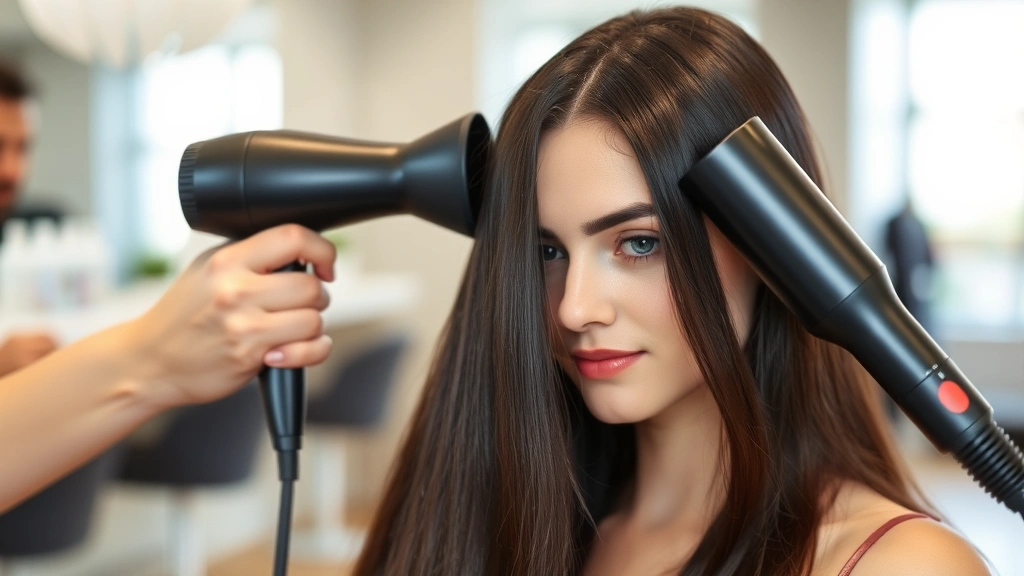
- Styling: Use a blow dryer with a concentrator nozzle and ionic technology to dry hair smoothly. Finish with cool air to seal the cuticle.
This routine creates multiple layers of protection and hydration that work together to minimize frizz throughout the day. Consistency is key—skipping steps will compromise your results.
Moisture and Hydration Strategies
Proper hydration is absolutely critical for frizz control. Dehydrated hair is exponentially more prone to frizz because it desperately seeks moisture from the environment. Building a hydration strategy involves both internal and external approaches.
Internal Hydration: Drinking adequate water supports overall scalp health and hair hydration from within. While this isn’t a magic solution, proper hydration does contribute to healthier hair growth. Aim for at least eight glasses daily, and more if you’re active or live in a dry climate.
Deep Conditioning Treatments: Weekly deep conditioning is essential for frizzy hair. These intensive treatments penetrate the hair shaft and restore moisture that daily conditioners can’t fully replenish. Look for products containing ingredients like argan oil, coconut oil, keratin, or shea butter. Apply these treatments to damp hair, leave them on for 15-30 minutes (or overnight for severely damaged hair), then rinse thoroughly.
Hair Masks and Intensive Treatments: Professional-grade hair masks go beyond standard conditioners. They typically contain higher concentrations of nourishing oils and proteins. Apply these once or twice weekly, depending on your hair’s condition. Many people find that alternating between different mask types—one focusing on moisture, another on protein—provides optimal results.
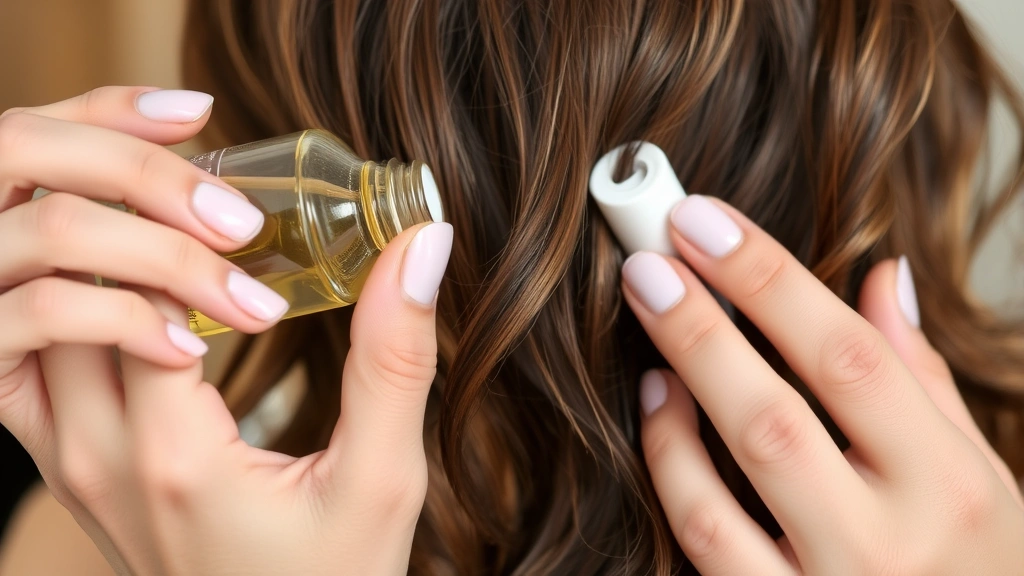
Humidity-Proof Barriers: Serums and oils create a protective barrier that prevents excess moisture from entering the hair shaft. Apply these to damp hair before styling. Products containing silicones or natural oils like argan, jojoba, or coconut oil work exceptionally well. However, be cautious not to overuse oils, as they can make hair look greasy.
Professional Treatments and Solutions
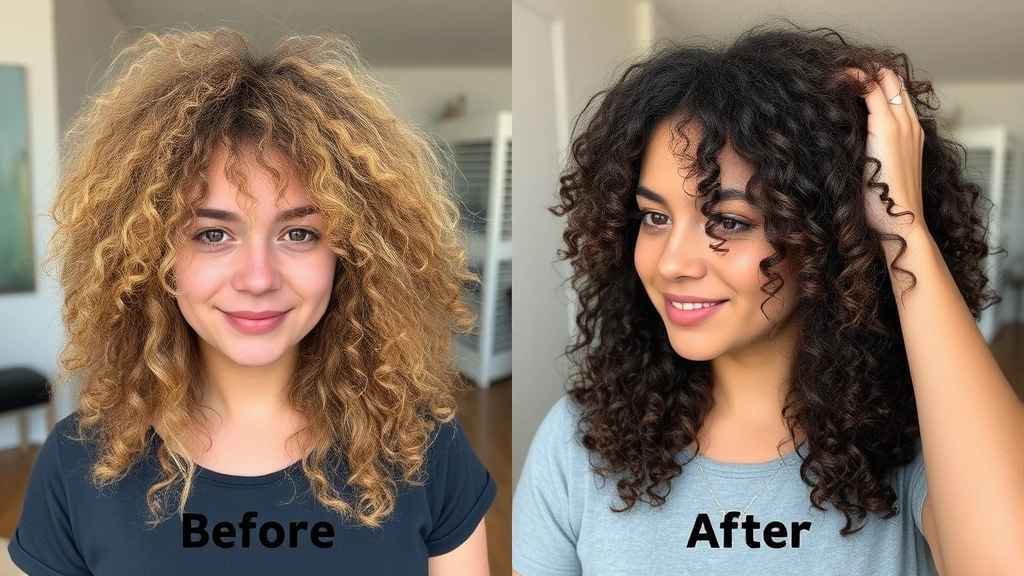
When over-the-counter products aren’t enough, professional treatments offer more dramatic and longer-lasting results. These salon treatments are worth considering if you have severely frizzy or damaged hair.
Keratin Treatments: Brazilian keratin treatments and similar products coat the hair with a protective protein layer that smooths the cuticle and reduces frizz for 2-4 months. These treatments require professional application and specific aftercare, but results are significant. The process involves applying keratin-infused products to clean hair, then using heat to seal them in.
Hair Botox: Despite its name, hair botox doesn’t contain botulinum toxin. Instead, it’s a protein-based treatment that fills in gaps in damaged hair and smooths the cuticle. Results typically last 4-6 weeks and are less permanent than keratin treatments, making them a good option if you want to try smoothing treatments cautiously.
Smoothing Treatments: Various professional smoothing systems are available, each with different formulations and longevity. Some contain formaldehyde or similar chemicals (banned in some regions), while others use gentler plant-based ingredients. Discuss options with your stylist based on your hair type and concerns.
Scalp Treatments: Sometimes frizz originates from scalp issues. Professional scalp treatments can address buildup, inflammation, or imbalances that contribute to frizz. A healthy scalp supports healthier hair growth.
Professional treatments should complement, not replace, your daily care routine. Even after professional treatments, you’ll need to maintain proper hydration and protection to maximize results.
Styling Techniques for Frizz Control
How you style your hair dramatically impacts frizz levels. Master these techniques to maintain smoothness throughout the day.
Blow-Drying Method: Invest in a quality blow dryer with ionic technology, which reduces static and frizz. Use these steps: First, rough-dry your hair to about 50% moisture. Then, section your hair and dry each section smoothly from root to tip. Always use a concentrator nozzle to direct airflow and smooth the cuticle. Finish with cool air to seal the cuticle completely.
Flat Iron Technique: When using a flat iron, ensure your hair is completely dry first—damp hair will sizzle and create damage. Start with a heat protectant product. Use smooth, controlled passes from root to tip. Don’t clamp down too hard, as excessive pressure damages the cuticle. Look for flat irons with ionic or ceramic technology.
Braiding and Protective Styling: Braids, twists, and buns protect hair from environmental frizz by keeping strands together. Loose braids are gentler than tight styles that stress the hair. This is an excellent strategy when you know you’ll be in humid environments.
Scrunching vs. Brushing: For curly or wavy hair, scrunching products upward into damp hair enhances your natural texture without creating frizz. Avoid brushing dry curly hair, as this breaks up curl patterns and causes frizz. Instead, detangle with a wide-tooth comb while hair is wet and conditioned.
Plopping Technique: For wavy or curly hair, the plopping method involves wrapping wet hair in a t-shirt or microfiber towel for 10-20 minutes. This gently removes moisture while keeping curl patterns intact, reducing frizz significantly.
Environmental Factors and Prevention
Your environment plays a huge role in frizz levels. Understanding and controlling environmental factors helps prevent frizz before it starts.
Humidity Management: On high-humidity days, keep hair protected with anti-frizz products and consider styling in ways that embrace your natural texture rather than fighting it. Updos, braids, and buns are excellent humidity-proof styles. Some people find that applying serums and oils before heading outside significantly reduces frizz exposure.
Temperature Control: Heat opens the hair cuticle, making frizz worse. Keep blow dryers at medium heat rather than maximum heat. Avoid leaving hair in hot, humid environments like steamy bathrooms without ventilation. Use cool water for final rinses to seal the cuticle.
Chlorine and Salt Water: Both chlorine and salt water can cause frizz and damage. Before swimming, wet your hair with fresh water and apply a leave-in conditioner. This prevents your hair from absorbing as much chlorinated or salt water. After swimming, rinse immediately with fresh water and apply conditioner.
Pollution and Environmental Stressors: Air pollution, smoke, and other environmental particles can accumulate on hair and cause frizz and damage. Regular clarifying treatments help remove buildup. Consider protective styles when exposed to heavily polluted environments.
Seasonal Changes: Winter heating systems dry out indoor air, while summer humidity increases frizz risk. Adjust your routine seasonally—use heavier products and more frequent deep conditioning in winter, and focus on humidity protection in summer.
Product Selection and Ingredients
Not all anti-frizz products are created equal. Understanding key ingredients helps you choose products that will actually work for your hair type.
Essential Ingredients to Seek:
- Silicones: These create a smooth protective barrier. Dimethicone and cyclomethicone are common silicones that reduce frizz without weighing hair down excessively.
- Natural Oils: Argan, coconut, jojoba, and marula oils nourish and seal the cuticle. These work especially well for dry, curly, or coily hair.
- Proteins: Keratin, silk proteins, and collagen strengthen hair and fill microscopic gaps in damaged cuticles, reducing frizz appearance.
- Humectants: Glycerin and panthenol attract moisture to the hair, improving hydration and smoothness.
- Polymers: These coat the hair and smooth the cuticle. Look for terms like “polymer-enriched” on product labels.
Ingredients to Avoid: Sulfates strip natural oils and damage the cuticle. Alcohols (like SD Alcohol 40) can be drying, though fatty alcohols like cetyl alcohol are beneficial. Harsh parabens aren’t necessarily bad, but many people prefer paraben-free options. Read ingredient lists carefully and patch-test new products before full application.
Product Recommendations by Hair Type: Fine, straight hair benefits from lightweight serums and leave-in conditioners that won’t weigh it down. Thick, curly, or coily hair handles heavier oils and creams better. Damaged or color-treated hair needs protein-rich products alongside moisture. Experiment with different product types to find what works best for your specific hair characteristics.
Remember that finding solutions to persistent problems often requires testing multiple approaches. Hair care is similarly individualized—what works for someone else might not work for you.
FAQ
How long does it take to see results from anti-frizz treatments?
Daily care routines typically show results within 1-2 weeks of consistent application. Professional treatments like keratin smoothing show immediate results but continue improving over 72 hours as the treatment fully sets. Deep conditioning treatments show results after 2-3 applications. Consistency matters more than expecting overnight miracles.
Can frizzy hair be permanently cured?
While you can’t permanently cure frizz if your hair is naturally prone to it, you can manage it extremely effectively with proper care, products, and styling techniques. Professional treatments can reduce frizz significantly for months at a time. The goal is maintenance and control rather than permanent elimination.
Is frizz caused by dry hair or humidity?
Both play roles. Dry, dehydrated hair is more susceptible to frizz, and humidity triggers the frizz response. Even well-hydrated hair will frizz in extremely humid conditions, but proper hydration and protective products minimize the effect. This is why addressing both factors—internal hydration and external protection—is important.
What’s the best product for frizzy curly hair?
Curly hair typically benefits from cream-based leave-in conditioners, curl-defining creams, and oils rather than light serums. Look for products specifically formulated for curls that enhance your natural pattern while controlling frizz. Family Handyman resources and professional stylists can provide recommendations, though hair-specific products are your best bet.
Should I use heat when managing frizzy hair?
Heat can worsen frizz if not used properly, but when used correctly—with heat protectant products, proper technique, and ionic technology—it can actually smooth hair and reduce frizz. Air-drying is gentler, but many people find that blow-drying with proper technique produces better results. The key is using heat intentionally, not excessively.
How often should I deep condition frizzy hair?
Frizzy hair benefits from deep conditioning 1-2 times weekly. If your hair is severely damaged or dry, start with twice weekly. As your hair improves, you might reduce to once weekly. Monitor your hair’s condition and adjust frequency based on how your hair responds.
Can diet affect frizzy hair?
While proper nutrition supports overall hair health, diet isn’t the primary cause of frizz. However, ensuring adequate protein, healthy fats, and micronutrients does support stronger, healthier hair growth. This complements but doesn’t replace topical treatments and proper hair care practices.
What’s the difference between anti-frizz products and smoothing treatments?
Anti-frizz products are typically daily-use items like serums, creams, and leave-in conditioners that provide temporary frizz control. Smoothing treatments are professional applications that chemically or protein-coat the hair for longer-lasting smoothness lasting weeks or months. Both are valuable but serve different purposes in your routine.

Related Posts

Superscript in Google Docs: Expert Tips

Strikethrough in Excel: Easy Steps for Beginners
