
Canker Sores Relief: Fast DIY Remedies Revealed
Canker Sores Relief: Fast DIY Remedies Revealed
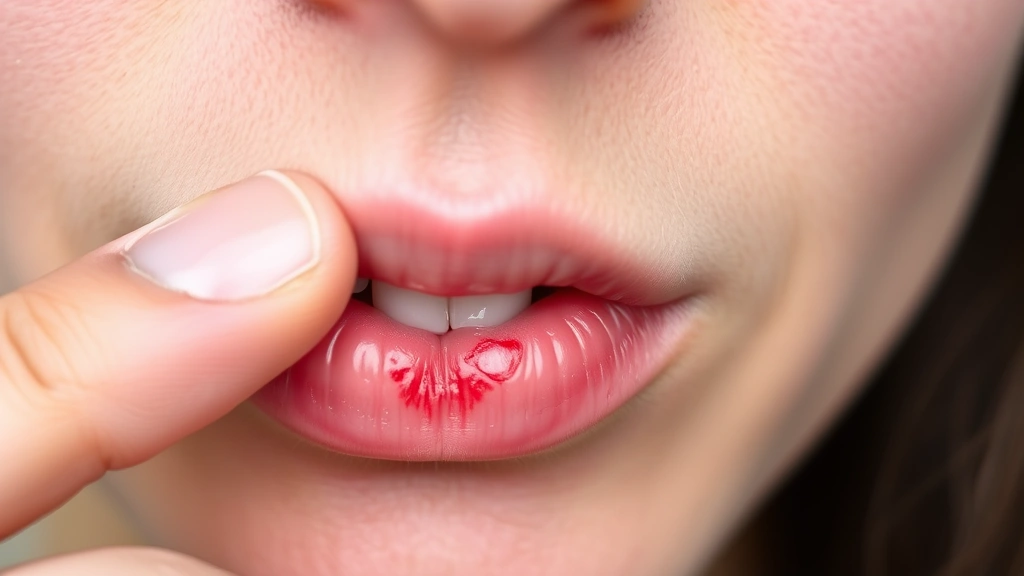
Canker sores are small, painful ulcers that develop inside your mouth, typically on the soft tissues of your cheeks, lips, gums, or tongue. Unlike cold sores, which appear on the outside of your mouth and are caused by the herpes simplex virus, canker sores are not contagious and develop from minor injuries, stress, or nutritional deficiencies. While they’re usually harmless and heal on their own within one to three weeks, the pain can be significant enough to interfere with eating, drinking, and speaking.
The good news is that you don’t need to suffer through the discomfort. There are numerous fast DIY remedies for canker sores that can provide immediate relief and accelerate the healing process. From kitchen staples to over-the-counter products, this comprehensive guide reveals proven methods to eliminate canker sore pain quickly and effectively. Whether you’re dealing with a single sore or multiple outbreaks, these practical solutions will help you get back to normal faster.
Understanding Canker Sores: Causes and Symptoms
Before diving into treatment options, it’s important to understand what causes canker sores and how to recognize them. Canker sores develop due to several common triggers including accidental cheek biting, sharp foods like chips or crusty bread, aggressive brushing, or irritation from dental work. Nutritional deficiencies in vitamin B12, zinc, folate, or iron can also contribute to their formation. Additionally, stress, hormonal changes, and certain foods like citrus fruits, tomatoes, or spicy dishes may increase susceptibility.
Symptoms typically begin with a tingling sensation in the affected area, followed by the appearance of a small, round ulcer with a white or yellowish center surrounded by a red, inflamed halo. The sore may be tender to the touch and cause significant discomfort when eating, drinking, or speaking. Most canker sores range from 2 to 8 millimeters in diameter, though larger sores occasionally develop.
If you frequently experience canker sores or notice that they’re unusually large, persistent, or accompanied by fever or swollen lymph nodes, consult a healthcare professional. This could indicate an underlying condition requiring medical attention. For routine canker sores, however, the remedies outlined in this guide will provide substantial relief.
Immediate Pain Relief Methods
When a canker sore first appears, your priority is managing the pain. Several immediate techniques can numb the area and reduce discomfort within minutes. The fastest relief often comes from topical applications that create a protective barrier while delivering soothing ingredients directly to the sore.
Saltwater Rinses for Quick Relief
One of the most accessible and effective immediate remedies is a saltwater rinse. Salt is a natural antiseptic that reduces inflammation and kills bacteria, while the warm water soothes irritated tissues. To prepare, dissolve one-half to one teaspoon of salt in eight ounces of warm water. Gently swish the solution around your mouth, focusing on the affected area, for 30 seconds to one minute. Repeat this process three to four times daily, especially after meals and before bed. The initial sting will subside quickly, and you’ll notice reduced pain within the first application.
Ice Application for Numbing Effect
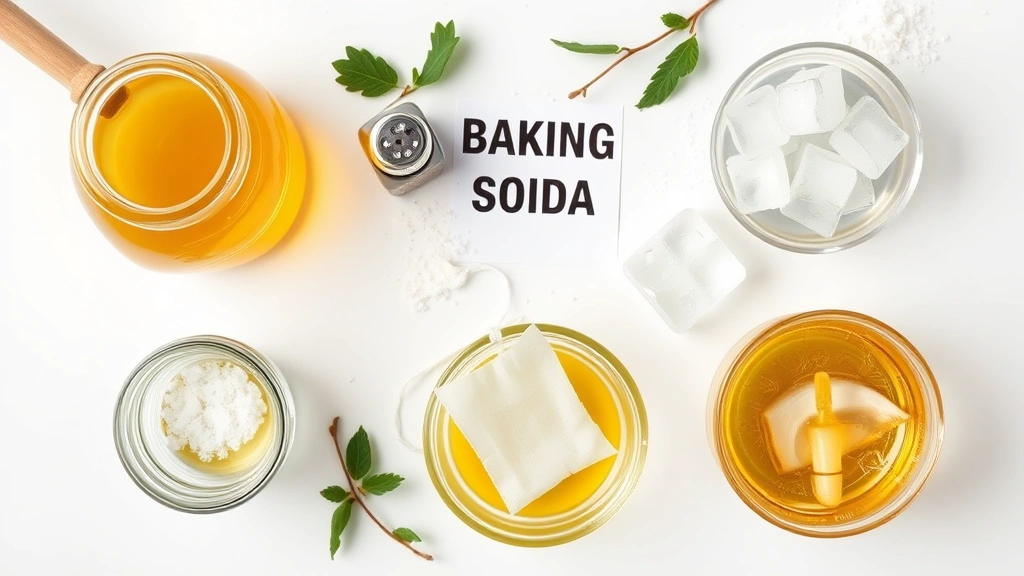
Ice provides immediate numbing relief by temporarily reducing nerve sensitivity in the affected area. Apply ice directly to the canker sore by holding a small piece against it for 10 to 15 minutes. Alternatively, suck on ice chips slowly, allowing them to melt over the sore. This method works best within the first 24 hours of the sore’s appearance. Many people find that ice application before meals significantly reduces eating discomfort.
Topical Anesthetic Products
Over-the-counter topical anesthetics containing benzocaine provide fast numbing action that lasts several hours. These products come in gel, liquid, or paste forms and can be applied directly to the sore using a clean finger or applicator. While these solutions offer temporary relief, they should be used as directed on the packaging to avoid overuse.
Natural Home Remedies
If you prefer natural approaches or want to complement commercial products, numerous household items can accelerate healing and reduce discomfort. These remedies have been used for generations and offer gentle, effective relief with minimal side effects.
Honey: Nature’s Healing Agent
Raw honey possesses remarkable antibacterial and anti-inflammatory properties that promote faster healing. Apply a small amount of raw, unpasteurized honey directly to the canker sore three to four times daily. The honey creates a protective barrier while delivering healing compounds to the ulcer. Many people notice reduced pain and faster healing within 24 to 48 hours of starting honey treatment. For best results, use organic, raw honey that hasn’t been heat-processed.
Baking Soda Paste
Baking soda is alkaline and helps neutralize acids that irritate canker sores. Mix one-quarter teaspoon of baking soda with a few drops of water to create a thick paste. Apply this paste directly to the sore and let it dry for several minutes. Repeat this process three times daily. The paste creates a protective layer while reducing inflammation and bacterial growth. Many users report significant pain reduction and visible healing improvements within two to three days.
Milk of Magnesia Application
Milk of magnesia acts as a protective coating while providing gentle healing benefits. Dab a small amount directly onto the canker sore using a clean cotton ball or swab. The chalky substance adheres to the sore and creates a barrier against irritants. Apply this remedy three to four times daily, especially after meals. This method is particularly effective for larger sores and works well in combination with other remedies.
Apple Cider Vinegar Rinse
While vinegar’s acidity might seem counterintuitive, diluted apple cider vinegar can help balance mouth pH and reduce bacterial growth. Mix one tablespoon of raw, unpasteurized apple cider vinegar with one cup of warm water. Use this solution as a rinse two to three times daily. Start with this dilution level, as undiluted vinegar can cause additional irritation. The antibacterial properties work to prevent infection while promoting faster healing.
Coconut Oil for Soothing Relief
Coconut oil contains lauric acid and other compounds with antimicrobial and anti-inflammatory properties. Apply virgin coconut oil directly to the canker sore three to four times daily. The oil creates a protective barrier while the natural compounds work to reduce inflammation and promote tissue repair. Many people appreciate coconut oil’s pleasant taste and soothing sensation compared to other remedies.
Chamomile Tea Compress
Chamomile possesses well-documented anti-inflammatory and antimicrobial properties. Brew a strong cup of chamomile tea, allow it to cool to a comfortable temperature, and use it as a rinse or apply a chamomile tea bag directly to the sore for 10 to 15 minutes. Repeat this process two to three times daily. The warm compress provides comfort while the tea’s active compounds promote healing.
Over-the-Counter Solutions
When natural remedies need reinforcement, several over-the-counter products are specifically formulated to treat canker sores effectively. These products are widely available at pharmacies and drugstores and offer scientifically-backed relief.
Oral Topical Medications
Products containing hydrogen peroxide, benzocaine, or fluocinonide provide targeted relief and faster healing. These medications work by reducing inflammation, numbing pain, and preventing bacterial growth. Apply these products according to package directions, typically three to four times daily. Many users notice significant improvement within 24 to 48 hours of starting treatment. These products are particularly effective for stubborn or painful sores that don’t respond quickly to home remedies.
Protective Oral Patches
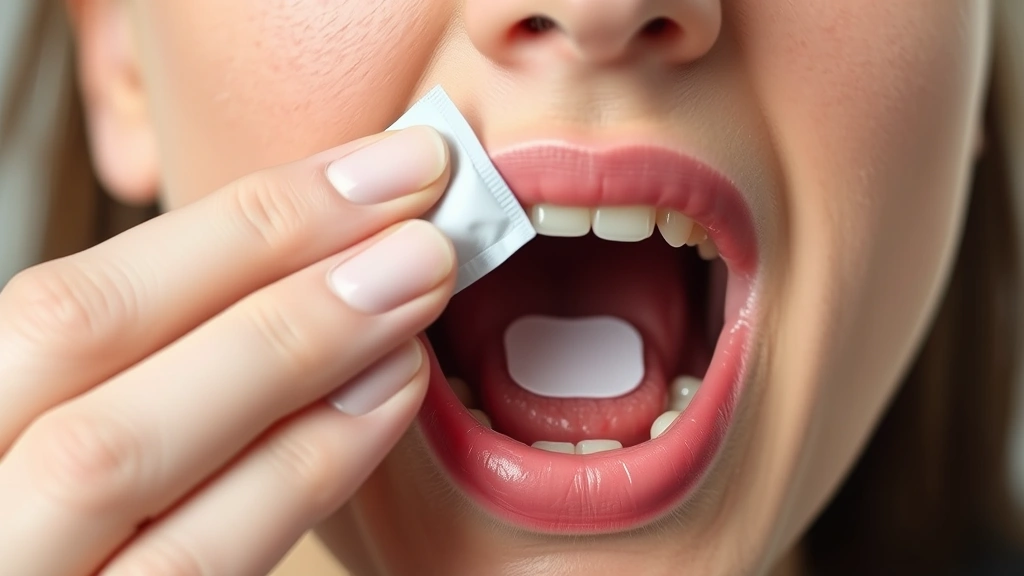
Adhesive patches designed specifically for canker sores create a physical barrier while delivering medication directly to the ulcer. These patches remain in place for several hours and can be worn while eating or drinking. The barrier protects the sore from irritants and reduces pain significantly. Many people find these patches particularly useful during work or social situations where they need to eat normally.
Antimicrobial Mouthwashes
Specialized mouthwashes containing antimicrobial ingredients help prevent secondary infections while reducing inflammation. Use these rinses two to three times daily after meals and before bed. Look for products specifically formulated for canker sores rather than general antiseptic mouthwashes, as they’re designed to be gentler on already-irritated tissues.
Prevention Strategies
While treating existing canker sores is important, preventing them from developing in the first place is even better. Several lifestyle modifications and daily habits can significantly reduce your canker sore frequency.
Dietary Adjustments
Avoid foods that commonly trigger canker sores, including citrus fruits, tomatoes, pineapples, spicy foods, and sharp or crunchy items. Maintain adequate intake of B vitamins, zinc, and iron through diet or supplementation, as deficiencies in these nutrients increase canker sore risk. Stay hydrated by drinking plenty of water throughout the day, as dry mouth can contribute to ulcer formation. If you enjoy coffee, remember that maintaining proper oral hygiene afterward is important for overall mouth health, similar to how you’d clean a coffee maker regularly to prevent buildup.
Oral Hygiene Practices
Use a soft-bristled toothbrush and gentle brushing technique to avoid accidental tissue damage. Replace your toothbrush every three months or when bristles become frayed. Consider using a toothpaste formulated for sensitive mouths that doesn’t contain sodium lauryl sulfate, which can irritate oral tissues. Floss gently daily to remove food particles without damaging gums or cheeks.
Stress Management
Since stress is a known trigger for canker sores, implementing stress-reduction techniques can help prevent outbreaks. Practice meditation, yoga, deep breathing exercises, or regular physical activity. Adequate sleep is also crucial, as fatigue weakens immune function and increases susceptibility to canker sores. Managing stress is similar to maintaining your home’s systems properly—just as you’d address issues before they become major problems, managing daily stress prevents health issues from developing.
Avoiding Irritants
Be mindful of behaviors that cause accidental mouth injuries, such as cheek biting or aggressive dental work. If you wear braces or other orthodontic devices, ask your dentist about wax or protective coverings to prevent irritation. Avoid tobacco products and limit alcohol consumption, as both can irritate oral tissues and increase canker sore risk.
When to Seek Professional Help
While most canker sores heal independently within two to three weeks, certain situations warrant professional medical attention. If you experience canker sores larger than one-half inch in diameter, sores that persist beyond three weeks despite treatment, or multiple sores developing simultaneously, consult your dentist or physician. Additionally, if canker sores are accompanied by high fever, difficulty swallowing, or swollen lymph nodes, seek medical evaluation promptly.
Recurrent canker sores may indicate underlying nutritional deficiencies, hormonal imbalances, or oral conditions requiring professional assessment. Your healthcare provider can perform tests to identify deficiencies and recommend appropriate supplementation or dietary changes. For severe cases, prescription-strength topical medications or cauterization procedures may be necessary to provide relief and accelerate healing.
If you’re interested in learning more about home health and wellness solutions, explore our FixWiseHub Blog for comprehensive how-to guides and tips. While we primarily focus on home improvement topics like fixing holes in walls, we also cover health and wellness matters affecting your daily life.
FAQ
How long do canker sores typically last?
Most canker sores heal naturally within one to three weeks. Smaller sores (2-3mm) often disappear within 7-10 days, while larger sores may take up to three weeks. Using the remedies outlined in this guide can reduce healing time and provide significant pain relief during recovery.
Can I prevent canker sores from developing?
Yes, several preventive measures can significantly reduce canker sore frequency. Maintain excellent oral hygiene with a soft toothbrush, avoid foods that trigger sores, manage stress effectively, ensure adequate sleep, and maintain proper nutrition with sufficient B vitamins, zinc, and iron. Avoiding accidental mouth injuries and using protective barriers when wearing braces also helps prevent development.
Are canker sores contagious?
No, canker sores are not contagious. They develop from internal causes like minor injuries, stress, or nutritional deficiencies rather than viral or bacterial infection. You cannot transmit canker sores to other people through contact, sharing food, or saliva.
What’s the difference between canker sores and cold sores?
Canker sores develop inside the mouth on soft tissues and are not contagious. Cold sores appear on the outside of the mouth, are caused by herpes simplex virus, and are highly contagious. Cold sores typically form blisters that rupture into painful ulcers, while canker sores develop directly as ulcers without a blister stage.
Can I eat normally with a canker sore?
While eating with a canker sore is possible, certain foods cause significant discomfort. Avoid hot foods, spicy items, citrus fruits, tomatoes, and sharp or crunchy foods that irritate the sore. Stick to soft, cool foods like yogurt, smoothies, mashed potatoes, and soup. Using protective oral patches or topical anesthetics before meals can reduce pain and allow more normal eating.
Which home remedy works fastest?
Ice application provides the fastest immediate pain relief by numbing the area within minutes. For accelerated healing, honey and baking soda paste show results within 24-48 hours. Saltwater rinses offer quick relief and are highly effective when used consistently three to four times daily.
Should I avoid brushing my teeth if I have a canker sore?
No, continue brushing your teeth but use extra caution around the affected area. Use a soft-bristled toothbrush and gentle technique to avoid irritating the sore further. Brush the rest of your mouth normally to maintain oral hygiene. After brushing, rinse with saltwater to soothe the area and reduce bacterial growth.

Related Posts

Superscript in Google Docs: Expert Tips

Strikethrough in Excel: Easy Steps for Beginners
