
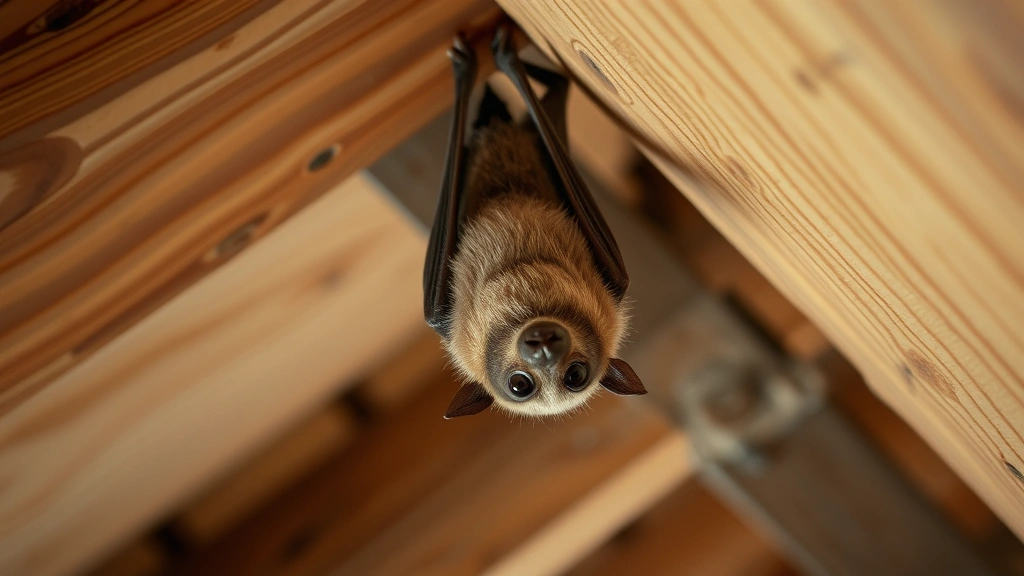
Banish Bats Naturally: Expert Tips Inside
Banish Bats Naturally: Expert Tips Inside
Discovering bats in your home can be unsettling, but before you panic, know that these creatures are actually beneficial to your ecosystem. However, when they decide to roost in your attic, walls, or other living spaces, it’s time to take action. Bats can cause property damage, leave behind droppings that pose health risks, and create noise disturbances during their active hours. The good news is that you can remove bats humanely and naturally without resorting to harmful chemicals or lethal methods.
This comprehensive guide will walk you through proven strategies for how to get rid of bats using natural, humane approaches. Whether you’re dealing with a single bat that flew into your bedroom or a full colony in your attic, you’ll find practical solutions that protect both your home and these important pollinators. We’ll cover identification, prevention, removal techniques, and long-term strategies to keep bats from returning.
Identifying Your Bat Problem
Before implementing removal strategies, you need to confirm you’re actually dealing with bats. Many homeowners mistake other wildlife sounds or signs for bat activity. Common bat species found in North American homes include little brown bats, big brown bats, and Mexican free-tailed bats. These creatures typically measure between 3 to 5 inches in length, though some species can be larger.
Look for these telltale signs of bat infestation:
- Droppings (guano): Small, dark pellets resembling mouse feces but crumbly in texture, often found in concentrated piles beneath roosting areas
- Staining: Dark marks around entry points caused by oils in bat fur
- Odor: A strong, musty smell in attics or enclosed spaces where bats congregate
- Sounds: Squeaking, chattering, or scratching noises, particularly at dusk or dawn
- Visual sightings: Observing bats flying in or out of your home during twilight hours
If you find a single bat in your home, it may have simply wandered in accidentally. However, if you notice multiple bats or signs of a roosting colony, you have a more serious situation requiring systematic removal. You might also want to review our guide on how to get rid of Asian beetles, as similar integrated pest management principles apply to wildlife control.
Understanding Why Bats Enter Homes
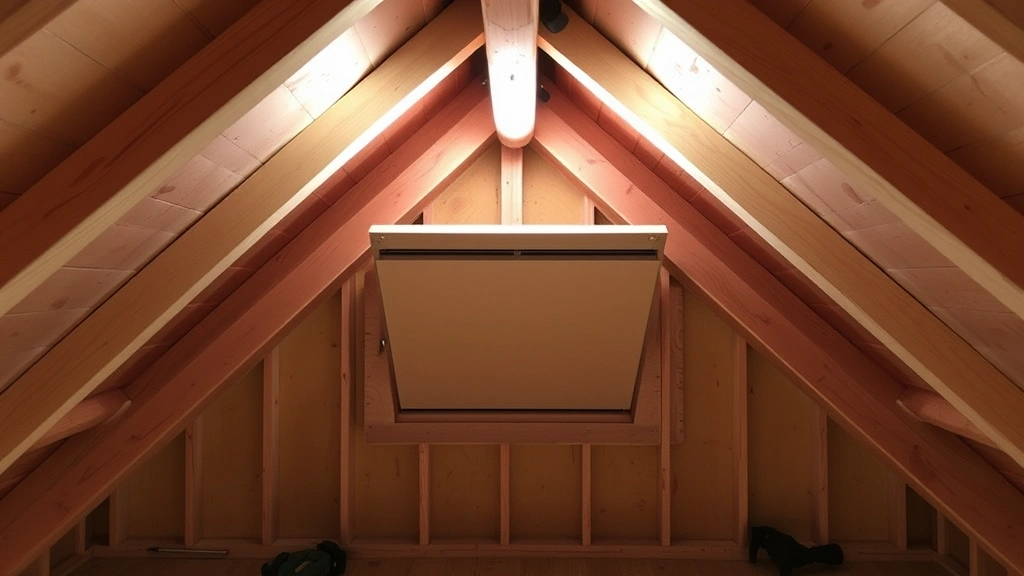
Bats seek shelter in homes for specific reasons, primarily to establish maternity roosts or hibernation sites. Understanding their motivation helps you address the root cause rather than just treating symptoms. During spring and summer, pregnant female bats look for warm, protected spaces to give birth and raise their young. Your attic provides ideal conditions: stable temperature, protection from predators, and proximity to food sources.
In fall and winter, bats may enter homes seeking hibernation spots. Unlike summer roosts, hibernation sites need to maintain consistent temperatures just above freezing. Attics, crawl spaces, and wall cavities fit this requirement perfectly.
Bats are attracted to homes with:
- Abundant insect populations (their primary food source)
- Accessible entry points through gaps, cracks, or damaged vents
- Suitable roosting surfaces like rafters and wall cavities
- Proximity to water sources such as ponds or fountains
Interestingly, bats don’t damage homes the way rodents do—they don’t chew wood or wiring. However, their guano accumulation can lead to structural damage and health hazards over time. For similar wildlife management insights, check out our article on how to get rid of spiders, which covers integrated approaches to unwanted household creatures.
Humane Removal Methods
When a bat has entered your living space, your first response should prioritize safety for both you and the animal. Never attempt to touch a bat with bare hands, as they may bite if threatened, and bats can carry rabies. Always wear thick gloves and long sleeves when handling bats.
Removing a Single Bat from Your Home:
If you discover a bat in your bedroom or living area, follow these steps:
- Stay calm and confine the bat to one room by closing doors
- Open all windows in that room to provide an escape route
- Turn off lights or dim them—bats navigate better in darkness and may become confused by bright artificial light
- If the bat doesn’t leave voluntarily after 15 minutes, gently guide it outside using a broom or by placing a container over it and sliding cardboard underneath, then releasing it outdoors
- Alternatively, use a bat cone or one-way door device designed for safe capture and release
Removing a Bat Colony:
Removing an established colony requires more sophisticated techniques. The most effective humane method is installing one-way exclusion doors. These devices allow bats to exit through a valve but prevent re-entry. Install them over all known entry points during late summer or early fall, before bats enter hibernation.
According to This Old House’s pest control guidance, exclusion remains the gold standard for bat removal. The process involves:
- Identifying all entry points (typically gaps larger than 3/8 inch)
- Installing one-way doors that allow exit but prevent re-entry
- Leaving doors in place for 5-7 days to ensure all bats have left
- Sealing entry points permanently after confirming the space is bat-free
Never seal entry points while bats are still inside—they’ll become trapped and may die, creating odor and health problems. Additionally, it’s illegal in many jurisdictions to trap bats during maternity season (typically May through August).
Natural Deterrents and Repellents
While natural deterrents alone rarely solve established bat infestations, they can prevent new bats from settling and complement removal efforts. Understanding which methods actually work—and which are myths—helps you invest your effort wisely.
Effective Natural Deterrents:
- Bright lights: Bats prefer darkness, so motion-activated lights in attics and entry areas discourage roosting. Install these near known entry points
- Noise makers: Ultrasonic devices with frequency variations (not constant tones) can deter bats from specific areas. Look for models specifically designed for bats rather than generic pest repellers
- Ammonia-soaked rags: Place rags soaked in ammonia near roosting areas. Bats dislike the strong smell, though effectiveness varies. Replace every 2-3 weeks
- Mothballs: Naphthalene-based mothballs emit an odor bats find unpleasant. Use in concentrated areas, but ensure proper ventilation as they can affect air quality
- Essential oils: Peppermint oil and cinnamon oil show some promise as natural repellents. Soak cotton balls and place near entry points
Ineffective Methods to Skip:
- Ultrasonic devices with constant frequencies (bats habituate to these quickly)
- Wind chimes or random noise makers
- Bat predator urine (unreliable and difficult to maintain)
- Reflective materials or mirrors (bats navigate by echolocation, not sight)
The most reliable approach combines multiple deterrent methods with physical exclusion. Natural deterrents work best as preventative measures rather than sole solutions for existing infestations.
Sealing Entry Points
Once you’ve removed bats from your home, preventing their return is critical. Bats can squeeze through openings as small as 3/8 inch—roughly the width of a dime. A thorough inspection of your home’s exterior is essential.
Common Entry Points:
- Gaps around pipes and utility lines entering the home
- Cracks in masonry or siding
- Damaged or missing roof shingles
- Gaps around soffits and fascia boards
- Unscreened or damaged vents (bathroom, dryer, foundation)
- Openings in gables or attic windows
- Gaps around chimneys
- Holes in screens or weatherstripping around doors and windows
For a comprehensive approach to home maintenance, consult Family Handyman’s detailed bat exclusion guide, which provides step-by-step instructions for sealing various entry types.
Sealing Methods:
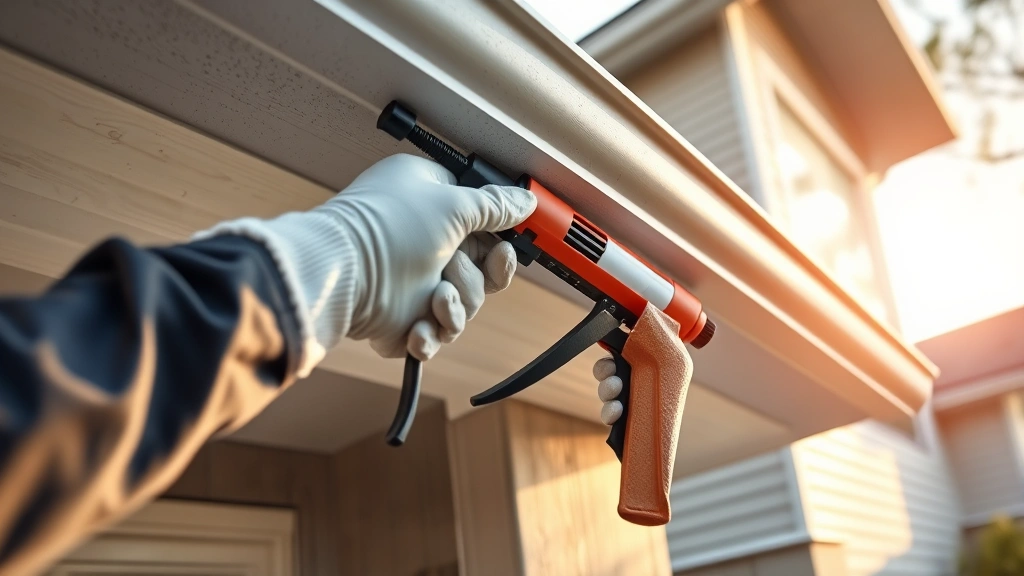
- Caulking: Use silicone or acrylic latex caulk for small gaps (less than 1/4 inch). Apply smoothly and allow proper drying time
- Weather stripping: Install adhesive-backed foam or rubber strips around doors and windows
- Hardware cloth or screening: For larger openings, install 1/4-inch hardware cloth securely fastened with screws or staples
- Expanding foam: Use for gaps around larger openings, then trim and seal with caulk
- Roof repair: Replace damaged shingles and seal gaps with roofing cement
Document your sealing work by taking photos and noting locations. This creates a record for future reference and helps identify any areas that may need re-sealing after weather exposure.
Creating Bat-Free Zones
Beyond removing existing bats and sealing entry points, modifying your home’s environment makes it less attractive to bats. These long-term strategies reduce the likelihood of future infestations.
Reduce Insect Populations:
Since bats enter homes primarily to access food sources, reducing insects decreases bat attraction. However, avoid broad-spectrum pesticides, which harm beneficial insects and the ecosystem. Instead:
- Install yellow bug lights (which attract fewer insects) on exterior fixtures
- Ensure screens are intact and properly sealed on all windows and doors
- Remove standing water where mosquitoes breed
- Maintain landscaping by trimming branches away from your home’s exterior
- Consider installing bat boxes away from your home to provide alternative roosting sites where they can hunt insects naturally
Temperature Management:
Bats seek warm spaces during winter. Improve your home’s insulation and seal air leaks to reduce the temperature differential that attracts them. Proper insulation also reduces energy costs, providing a financial incentive beyond pest control.
Humidity Control:
High humidity in attics and crawl spaces creates conditions bats find appealing. Install proper ventilation and consider using dehumidifiers in problem areas. This also prevents mold growth and structural damage.
When to Call Professionals
While many homeowners can handle single bats or small infestations, certain situations warrant professional help. Knowing when to call experts saves time, money, and potential health risks.
Call a professional bat removal service when:
- You have a large colony (more than 20-30 bats)
- Bats are roosting in inaccessible areas like wall cavities
- You’re uncomfortable working at heights or in confined spaces
- Local regulations require licensed removal services
- You’re unsure about proper exclusion techniques
- Previous removal attempts have failed
- You need documentation for insurance claims
Professional bat removal specialists have specialized equipment, training in local regulations, and experience with various bat species and scenarios. They can also provide comprehensive sealing services to prevent future problems. Check with your local wildlife agency or building department for licensed professionals in your area.
Many professionals offer warranties on their work, guaranteeing that bats won’t return within a specified period. This protection, combined with their expertise, often justifies the expense compared to repeated DIY attempts.
For additional home improvement guidance, visit the FixWiseHub Blog for comprehensive how-to guides and tutorials covering various household maintenance and pest management topics.
FAQ
Can I use pesticides to kill bats in my home?
No, and you shouldn’t attempt this. Pesticides are inhumane and illegal in most jurisdictions. Additionally, dead bats decompose inside walls, creating severe odor and health hazards. Humane removal and exclusion are always preferable and more effective long-term solutions.
Are bats dangerous?
Bats rarely bite unless handled roughly. The rabies risk, while real, is statistically low—fewer than 100 rabies deaths occur annually in North America, and many are associated with bats. Avoid direct contact with bare hands and seek medical attention if bitten. Bats’ primary concern is their guano, which can harbor harmful fungi causing histoplasmosis. Always wear protective equipment when cleaning affected areas.
What’s the best time to remove bats?
Late August through October is ideal for removing colonies. This timing avoids maternity season when baby bats are present and prevents trapping bats during hibernation. Check local regulations, as many jurisdictions restrict removal during protected seasons.
How much does professional bat removal cost?
Costs range from $300 to $2,500+ depending on infestation severity, colony size, and required repairs. Initial inspections often cost $100-$300. Get multiple quotes and verify that companies are licensed and insured. Many offer payment plans for larger projects.
Can I install a bat box to relocate bats from my home?
Bat boxes don’t directly remove existing infestations but provide alternative roosting sites that may reduce future problems. Install boxes 12-20 feet high on poles or trees, away from your home. Boxes should face south or southeast and receive 6+ hours of sunlight. It takes weeks or months for bats to discover and occupy new boxes, so this works best as a preventative measure combined with exclusion.
What should I do if I find bat guano in my attic?
Never vacuum or sweep guano, as this aerosolizes harmful spores. Instead, spray the area lightly with water to settle particles, then carefully scoop material into sealed bags using a shovel. Wear N95 or P100 respirator masks, gloves, and protective clothing. For large accumulations, hire professionals with proper equipment and training.
Do bats return to the same home every year?
Yes, bats often return to successful roosting sites year after year. This makes prevention crucial—sealing entry points after removal prevents re-infestation. Some bats have incredible site fidelity and may attempt to find new entry points if original ones are sealed. Thorough, comprehensive sealing prevents this persistence.
Are there any legal restrictions on bat removal?
Many jurisdictions protect bat species through environmental regulations. Some states prohibit removal during maternity season (May-August) or hibernation season (November-April). Check with your state’s wildlife agency or local building department before beginning removal. Violating restrictions can result in significant fines.

Related Posts

Superscript in Google Docs: Expert Tips

Strikethrough in Excel: Easy Steps for Beginners
