
Freeze Tomatoes Easily: Expert Tips & Tricks
Freeze Tomatoes Easily: Expert Tips & Tricks
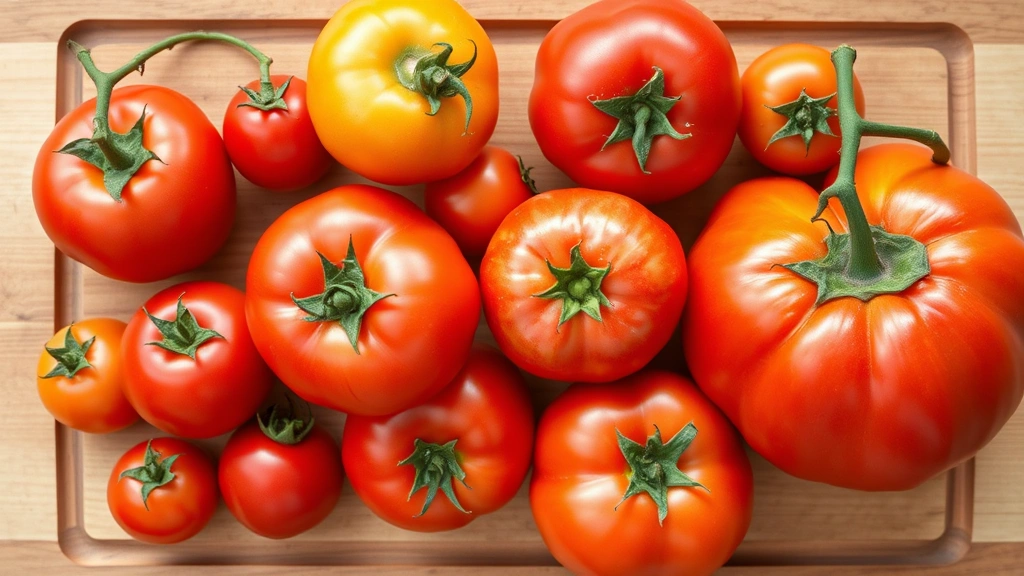
Tomato season brings an abundance of fresh, juicy tomatoes that can quickly overwhelm your kitchen counter. Whether you’re growing tomatoes in your backyard garden or purchasing bushels from the farmer’s market, learning how to freeze tomatoes is one of the most practical ways to preserve their flavor and nutritional value for months to come. Freezing tomatoes is simpler than canning and doesn’t require special equipment or extensive food preservation knowledge.
Unlike other preservation methods, freezing tomatoes maintains their natural taste and texture remarkably well, making them perfect for cooking applications like soups, sauces, stews, and casseroles. In this comprehensive guide, we’ll walk you through every method for freezing tomatoes, from whole tomatoes to purees, along with expert tips to ensure your frozen tomatoes taste fresh and vibrant when you use them.
Why Freeze Tomatoes Instead of Canning
Many home gardeners and food enthusiasts wonder whether freezing or canning is the better preservation method. The answer depends on your goals, time, and kitchen setup. Freezing tomatoes offers several distinct advantages that make it an excellent choice for most households.
First, freezing requires virtually no special equipment. You don’t need a pressure canner, mason jars, lids, or specialized knowledge about food safety protocols. Simply use freezer bags, plastic containers, or any freezer-safe vessel you already have at home. This makes freezing significantly more accessible for beginners.
Second, freezing preserves the fresh tomato flavor better than many canning methods. While canned tomatoes develop a slightly cooked taste due to the high-heat processing required for safety, frozen tomatoes retain more of their raw tomato essence. This is particularly important if you plan to use your preserved tomatoes in fresh-tasting applications.
Third, the time investment is minimal. You can prepare and freeze an entire bushel of tomatoes in a couple of hours, whereas canning involves sterilizing jars, processing in a water bath or pressure canner, and waiting for jars to cool and seal. If you’re looking for quick preservation, freezing tomatoes is your answer.
However, frozen tomatoes work best in cooked dishes. Their texture becomes softer after thawing, which makes them less suitable for fresh salads but perfect for sauces, soups, and stews. If you want tomatoes for fresh applications, canning may be preferable. For most cooking purposes, though, freezing is faster, easier, and produces excellent results.
Selecting and Preparing Tomatoes for Freezing
The quality of your frozen tomatoes depends entirely on the quality of the fresh tomatoes you start with. Selection and preparation are crucial steps that determine your final product’s flavor and texture.
Choose ripe, unblemished tomatoes. Select tomatoes that are fully ripe—they should yield slightly to pressure and have deep color. Overripe tomatoes are fine for freezing, but avoid underripe, green, or damaged tomatoes. Underripe tomatoes lack the sweetness and flavor you want to preserve, while damaged tomatoes may harbor bacteria or mold.
Different tomato varieties freeze differently. Paste tomatoes like San Marzano and Roma varieties have fewer seeds and less water content, making them ideal for sauces and purees. Beefsteak tomatoes are excellent for slicing and flash freezing. Cherry and grape tomatoes work well when frozen whole. Experiment with different varieties to see which you prefer.
Wash your tomatoes thoroughly. Rinse each tomato under cool running water and gently scrub the skin to remove any dirt or debris. Pat them dry with a clean kitchen towel. This step is essential for food safety and removes any surface contaminants.
Remove the stem and core. Use a small paring knife to cut out the stem and core area at the top of each tomato. This tougher section doesn’t freeze well and can affect texture. For whole tomatoes, you can skip this step, but for sliced or chopped tomatoes, removing the core is recommended.
Consider blanching your tomatoes before freezing if you want to remove the skin easily. To blanch, bring a large pot of water to a boil, carefully place tomatoes in the water for 30-60 seconds, then transfer them to an ice bath. The skins will slip off easily. However, blanching is optional—you can freeze tomatoes with skins intact and remove them after thawing when they’re softer.
Method 1: Freezing Whole Tomatoes
Freezing whole tomatoes is the simplest preservation method and requires absolutely no prep work beyond washing. This method works best for smaller tomato varieties like cherry, grape, and plum tomatoes, though you can freeze any size whole.
Step 1: Wash and dry completely. Rinse your tomatoes under cool water and pat them completely dry with paper towels. Any excess moisture can cause ice crystals to form on the skin.
Step 2: Arrange on a baking sheet. Place whole tomatoes on a baking sheet lined with parchment paper, leaving space between each tomato so they don’t touch. This prevents them from sticking together during the initial freezing phase.
Step 3: Flash freeze for 2-3 hours. Place the baking sheet in your freezer for 2-3 hours until the tomatoes are completely frozen solid. You’ll know they’re ready when they feel hard and no longer have any soft spots.
Step 4: Transfer to freezer containers. Once frozen, remove the tomatoes from the baking sheet and transfer them to freezer bags, plastic containers, or vacuum-sealed bags. Flash freezing prevents them from clumping together, so you can easily remove individual tomatoes as needed.
Step 5: Label and store. Write the date and contents on your container. Whole frozen tomatoes keep for 8-12 months in the freezer at 0°F or below.
This method is ideal if you want maximum flexibility. You can use whole frozen tomatoes in any recipe, and they thaw quickly. The skins slip off easily once thawed, making them convenient for sauce-making.
Method 2: Flash Freezing Tomato Slices
If you prefer pre-sliced tomatoes for quick meal preparation, flash freezing slices is an excellent option. This method works beautifully for larger beefsteak and heirloom tomatoes.
Step 1: Slice your tomatoes. Using a sharp knife, slice tomatoes into ¼ to ½-inch thick rounds. Remove the core area if desired. The thickness doesn’t matter much, but consistent slices freeze and thaw more evenly.
Step 2: Arrange on parchment-lined trays. Place slices on baking sheets lined with parchment paper in a single layer, without overlapping. This is crucial—overlapping slices will freeze together and become difficult to separate.
Step 3: Freeze until solid. Place the baking sheets in your freezer for 2-4 hours until slices are completely frozen. The time depends on your freezer temperature and slice thickness.
Step 4: Stack and store. Once frozen, you can stack slices with parchment paper between layers to save freezer space, or place them in freezer bags. Frozen slices can be used individually without thawing the entire batch.
Step 5: Use within 8-10 months. Frozen tomato slices are best used in cooked dishes like soups, stews, or layered casseroles. They won’t maintain the firm texture needed for fresh applications.
Flash-frozen slices are convenient for recipes that call for chopped or diced tomatoes. You can break apart partially thawed slices or add them directly to cooking dishes without waiting for complete thawing.
Method 3: Making and Freezing Tomato Puree
Tomato puree is one of the most versatile frozen tomato products. It’s perfect for soups, sauces, and any recipe calling for tomato paste or sauce. Making puree is slightly more involved but yields a concentrated product that takes up less freezer space.
Step 1: Prepare tomatoes. Wash, core, and roughly chop your tomatoes. You don’t need to remove skins for puree—they’ll blend in smoothly.
Step 2: Cook the tomatoes. Place chopped tomatoes in a large stainless steel pot. Heat over medium heat, stirring occasionally, for 20-30 minutes until tomatoes break down and release their juices. The mixture should bubble gently—avoid high heat, which can scorch the bottom.
Step 3: Blend until smooth. Once tomatoes are soft and broken down, use an immersion blender to puree the mixture directly in the pot. Alternatively, carefully transfer batches to a standard blender. Blend until you reach your desired consistency—smooth puree or slightly chunky, depending on preference.
Step 4: Optional: Cook down for concentration. If you want a thicker puree similar to tomato paste, continue cooking uncovered for 30-60 minutes, stirring frequently. This reduces water content and intensifies flavor. This step is optional but recommended for maximum flavor concentration.
Step 5: Cool completely. Let the puree cool to room temperature before freezing. This prevents condensation and ice crystal formation inside your containers.
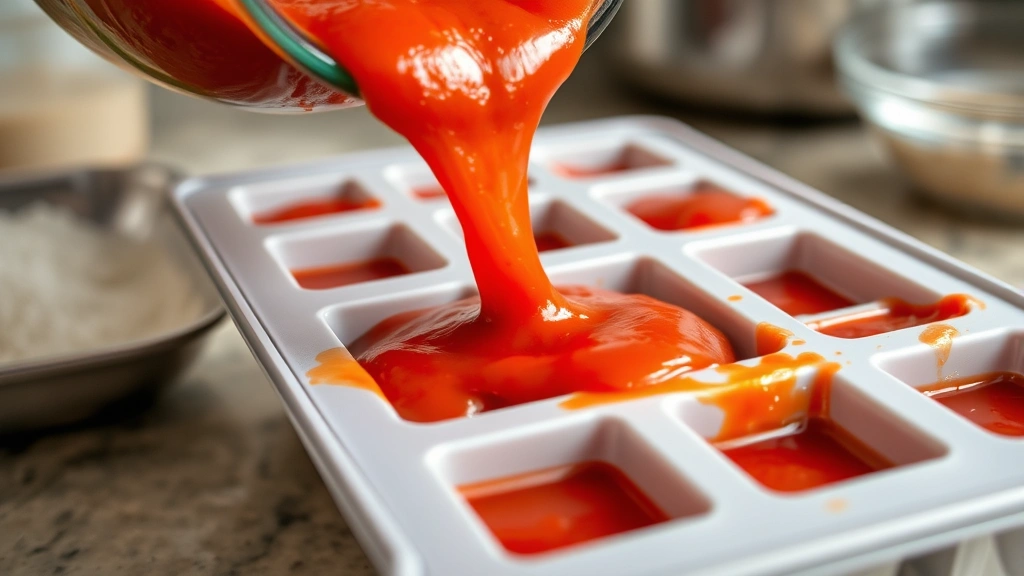
Step 6: Portion and freeze. Pour cooled puree into ice cube trays for convenient portioning, or use freezer bags, containers, or even muffin tins. Puree in ice cube trays freezes in 4-6 hours. Once frozen, pop cubes out and store them in labeled freezer bags.
Step 7: Store for up to 12 months. Properly frozen tomato puree lasts up to a year in the freezer. Cube portions are especially convenient—each cube typically equals about 2 tablespoons, making it easy to add exact amounts to recipes.
Tomato puree is your secret weapon for quick, flavorful cooking. Thaw cubes in a saucepan for instant tomato base for pasta sauces, chili, soup, or any dish needing tomato flavor. You can also add frozen cubes directly to simmering dishes without thawing.
Method 4: Roasting Before Freezing
Roasting tomatoes before freezing concentrates their natural sugars and creates a deeper, more complex flavor profile. This method requires a bit more time but produces exceptional results for gourmet sauces and cooking applications.
Step 1: Prepare tomatoes for roasting. Wash and halve your tomatoes lengthwise. Remove the core area if desired. For cherry tomatoes, leave them whole or halve them depending on size.
Step 2: Season and arrange. Place tomatoes cut-side up on baking sheets lined with parchment paper. Drizzle lightly with olive oil (about 1 tablespoon per 2 pounds of tomatoes), then season with salt, pepper, and optional herbs like basil, oregano, or thyme. You can also add minced garlic or red pepper flakes for extra flavor.
Step 3: Roast low and slow. Preheat your oven to 250°F. Roast tomatoes for 2-4 hours, depending on size and desired intensity. Smaller tomatoes may finish in 2 hours, while large beefsteak halves may need closer to 4 hours. The tomatoes should be shriveled and concentrated, with slightly caramelized edges.
Step 4: Cool before freezing. Remove roasted tomatoes from the oven and let them cool to room temperature. This typically takes 30-60 minutes.
Step 5: Freeze using your preferred method. You can freeze roasted tomatoes whole, chop them first, or blend them into a paste. Place them in freezer bags, containers, or ice cube trays. They’ll keep for 10-12 months.
Roasted frozen tomatoes are exceptional in winter pasta sauces, on crostini, in grain bowls, or as a topping for soups. The concentrated flavor means you need less quantity to achieve deep tomato taste in your dishes. This method is perfect if you want to impress with restaurant-quality results from your home kitchen.
Storage and Organization Tips
Proper storage is essential for maintaining quality and making your frozen tomatoes easy to use. A well-organized freezer means you’ll actually use what you’ve preserved.
Choose appropriate containers. Freezer bags are economical and space-saving—use gallon or quart-sized bags depending on your recipe needs. Rigid plastic containers protect tomatoes better but take more space. Glass containers are durable but heavier. Whatever you choose, ensure it’s labeled “freezer-safe” to prevent cracking.
Remove excess air. If using freezer bags, remove as much air as possible before sealing. Excess air contributes to freezer burn and oxidation. You can use a straw to suck out air manually, or invest in a vacuum sealer for professional results.
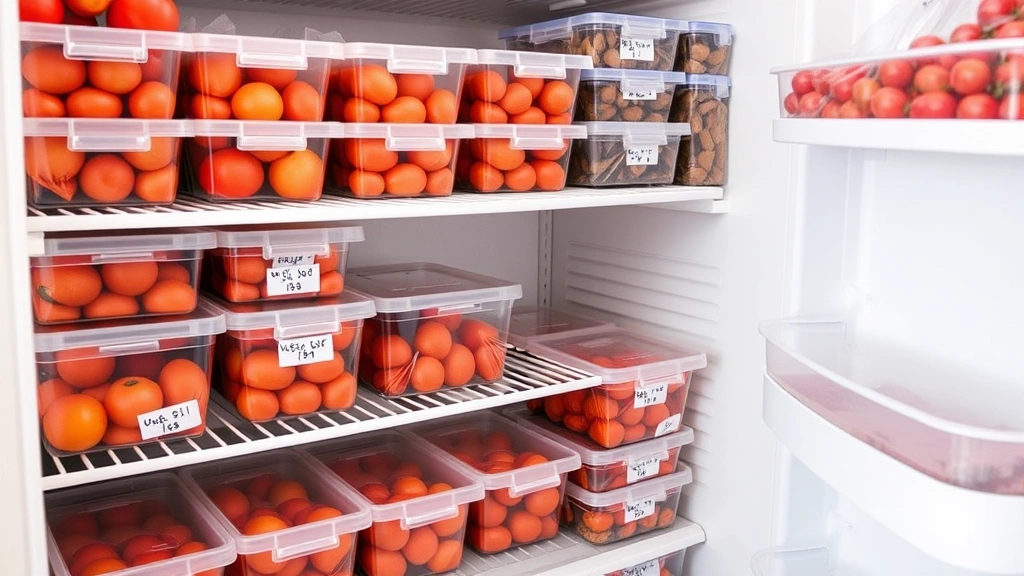
Label everything clearly. Write the contents, date frozen, and quantity on each container. Include any preparation notes (roasted, pureed, sliced) so you know exactly what you have. This prevents mystery packages and ensures you use older tomatoes first.
Organize by type. Keep whole tomatoes, slices, and puree in separate sections of your freezer. This makes finding what you need quick and easy. Consider using a small shelf or basket to keep all tomato products together.
Maintain proper freezer temperature. Keep your freezer at 0°F or below for optimal preservation. Fluctuating temperatures create ice crystals and reduce quality. Check your freezer thermometer monthly to ensure proper temperature.
Use FIFO method. First In, First Out means using older frozen tomatoes before newer ones. Place newly frozen items toward the back and older ones in front to ensure nothing sits too long.
If you’ve preserved multiple types of vegetables, consider creating an inventory list posted on your freezer. Note what you have, how much, and when you froze it. This prevents waste and helps with meal planning.
Thawing and Using Frozen Tomatoes
The beauty of frozen tomatoes is their flexibility in use. Unlike some frozen foods that require specific thawing methods, tomatoes are forgiving and can be used in multiple ways.
Thawing methods. You can thaw frozen tomatoes in the refrigerator overnight—the gentlest method that preserves the most nutrients and flavor. For quicker thawing, place them in a bowl of cool water for 1-2 hours. In a pinch, you can add frozen tomatoes directly to simmering dishes without thawing; they’ll release their juices and cook down quickly.
Expect texture changes. Frozen tomatoes become softer after thawing due to ice crystal formation breaking down cell walls. This is actually beneficial for cooking—softer tomatoes break down faster in sauces and soups. However, this texture change makes frozen tomatoes unsuitable for fresh applications like salads or garnishes.
Use in cooked dishes. Frozen tomatoes excel in soups, stews, chilis, pasta sauces, curries, and casseroles. They’re perfect for any recipe where tomatoes cook for more than a few minutes. Add frozen tomatoes to simmering broths and sauces directly—no thawing required.
Make quick tomato sauce. Thaw frozen whole tomatoes or slices, then simmer them in a pot with olive oil, garlic, and herbs for 20-30 minutes. The result is fresh-tasting tomato sauce in minimal time. This is especially convenient in winter when fresh tomatoes aren’t available.
Portion control. If you froze tomatoes in cubes or small containers, you can use exactly what you need without thawing an entire batch. This reduces waste and gives you flexibility in recipe quantities.
One advantage of freezing over other preservation methods is that you can easily make adjustments. If your tomato sauce is too thin, reduce it further. If it’s too concentrated, add broth or cream. Frozen tomatoes let you create exactly what you need for each dish.
For recipes calling for specific tomato products like crushed tomatoes or tomato juice, you can recreate these from your frozen stash. Thawed whole tomatoes can be crushed by hand, blended for juice, or chopped for a chunky consistency.
FAQ
Can you freeze tomatoes without blanching?
Yes, absolutely. Blanching is optional. While blanching makes skin removal easier, you can freeze tomatoes with skins intact. The skins slip off easily once thawed. Many people prefer skipping blanching to save time and preserve more of the fresh tomato flavor.
How long do frozen tomatoes last?
Properly stored frozen tomatoes at 0°F or below last 8-12 months. Whole tomatoes typically last toward the longer end of this range, while purees and cooked products keep well for the full year. For best quality and flavor, use frozen tomatoes within 8-10 months.
Do frozen tomatoes get mushy?
Frozen tomatoes do become softer after thawing due to ice crystal formation. This isn’t a defect—it’s actually ideal for cooking applications. The softer texture means tomatoes break down faster in sauces and soups, creating a smoother, more integrated dish. This is why frozen tomatoes work wonderfully in cooked dishes but aren’t suitable for fresh applications.
What’s the best method for freezing tomatoes?
The best method depends on how you’ll use them. For maximum flexibility, freeze whole tomatoes—you can use them whole, sliced, or pureed later. For convenience, freeze puree in ice cube trays. For concentrated flavor, roast before freezing. Most people benefit from having multiple types frozen for different recipe needs.
Can you freeze fresh tomato juice?
Yes. Simply blend fresh tomatoes, strain through cheesecloth if desired, and freeze in ice cube trays or containers. Frozen tomato juice keeps 8-12 months and is perfect for soups, drinks, or adding to recipes. You can also freeze tomato juice in freezer bags flat, then break into pieces as needed.
Is it better to freeze or can tomatoes?
Both methods have benefits. Freezing is faster, easier, and preserves fresher flavor. Canning creates shelf-stable products that don’t require electricity and have longer storage potential. For most home cooks, freezing is more practical. However, if you want shelf-stable products or plan to give preserved tomatoes as gifts, canning may be preferable. If you’re interested in other vegetable preservation, learn how to freeze fresh green beans using similar techniques.
Can you freeze cherry tomatoes whole?
Yes, cherry and grape tomatoes freeze beautifully whole. They freeze faster than larger varieties and maintain better texture. Simply wash, dry completely, and freeze using the whole tomato method described above. Frozen cherry tomatoes are perfect for soups, pasta sauces, or roasting.
Do frozen tomatoes need to be thawed before cooking?
No. You can add frozen tomatoes directly to simmering soups, stews, and sauces without thawing. They’ll release their juices and cook down within 5-10 minutes. This convenience is one of the biggest advantages of freezing over other preservation methods. For best results with sliced or chopped tomatoes, thaw them first if you want more control over cooking time and texture.

Related Posts

Superscript in Google Docs: Expert Tips

Strikethrough in Excel: Easy Steps for Beginners
