

How to Eat Tamales? Tips from Food Experts
How to Eat Tamales: Tips from Food Experts
Tamales are a beloved Mexican delicacy with centuries of tradition behind them, but many people aren’t sure about the proper way to enjoy this wrapped treat. Whether you’re a first-time tamale eater or looking to refine your technique, understanding the correct method enhances both the eating experience and your appreciation for this culinary masterpiece. From unwrapping to seasoning, we’ll walk you through everything food experts recommend for tamale enjoyment.
This comprehensive guide covers tamale etiquette, eating techniques, flavor pairing suggestions, and common mistakes to avoid. By following these expert tips, you’ll discover new dimensions of flavor and texture that make tamales such a special dish across Latin American cuisine and beyond.
Understanding Tamale Structure and Components
Before you can properly eat tamales, you need to understand what you’re working with. A tamale consists of masa (corn dough) wrapped around a filling, all encased in corn husks or banana leaves. The outer wrapper serves multiple purposes: it protects the delicate masa during cooking, keeps the filling contained, and provides a traditional presentation that connects eaters to centuries of cultural heritage.
The masa is the foundation of every tamale, made from nixtamalized corn that’s been ground into a fine flour and mixed with lard or vegetable shortening to create a light, fluffy texture. This preparation is crucial because it gives tamales their characteristic tender crumb. Inside the masa, you’ll find various fillings—from traditional chicken with salsa verde to cheese and jalapeños, pork with red sauce, or vegetarian options like rajas con queso (roasted poblano peppers with cheese).
The corn husks themselves are not meant to be eaten. They’re softened during the steaming process and become pliable, making them easy to peel away. Some tamales use banana leaves instead, which are similarly discarded. Understanding this distinction is your first step toward eating tamales like an expert. When you visit the FixWiseHub Blog main hub, you’ll find other food preparation guides that share similar step-by-step approaches.
The Proper Unwrapping Technique
Unwrapping a tamale correctly sets the stage for enjoyable eating. Begin by placing the tamale on a plate with the seam side facing up—this is typically where the corn husk overlaps. Using your fingers, gently peel back the corn husk layers, working from the top down. The husk should come away easily if the tamale has been properly steamed; if it’s sticking, the tamale may not be fully cooked.
Here’s the expert technique that food professionals recommend:
- Hold the tamale steady with one hand while peeling with the other to prevent it from falling apart
- Peel slowly and deliberately, allowing the husk to separate cleanly from the masa
- Keep the husks on your plate rather than discarding them immediately—they provide a natural holder as you eat
- Check for the corn silk (thin strands of husk material) and remove any that stick to the masa
- Leave a small portion of husk attached at the bottom to use as a handle while eating
If you’re eating multiple tamales, this unwrapping technique becomes second nature. The goal is to preserve the integrity of the masa while fully exposing the filling so you can enjoy all the flavors in each bite. This methodical approach prevents the common problem of the tamale crumbling or the filling spilling out onto your plate.
Some tamale experts recommend using a fork and knife for the initial unwrapping, especially if the tamale is still quite hot. This protects your fingers while giving you better control. As you become more comfortable, you can transition to using your hands, which many consider the traditional and most authentic method.
Eating Methods and Etiquette
Once unwrapped, you have several options for consuming your tamale. The most common method is to eat it directly from the remaining corn husk, using the husk as a natural wrapper and handle. This traditional approach keeps your hands relatively clean and allows you to control the portion size with each bite.
For a more refined dining experience, you can use a fork and knife to cut the tamale into pieces. This method works particularly well in formal settings or when wearing clothes where tamale grease might be a concern. Cut the tamale in half lengthwise, then into smaller pieces, ensuring each bite includes both masa and filling in proper proportion.
Food etiquette experts note these key points about tamale consumption:
- Pace yourself appropriately—tamales are rich and filling, so eating slowly helps you fully appreciate the flavors
- Take manageable bites that allow you to taste the masa and filling together rather than separately
- Avoid excessive sauce on your hands by using napkins strategically as you eat
- Respect the traditional presentation by keeping the corn husk on your plate until you’ve finished
- Engage with the cultural context of tamales, which are traditionally eaten during celebrations and family gatherings
The way you eat tamales can reflect cultural respect and appreciation for the tradition. In many Mexican households, tamales are served during specific celebrations like Las Posadas, Día de Muertos, or Christmas. Eating them with intention and care honors this heritage.
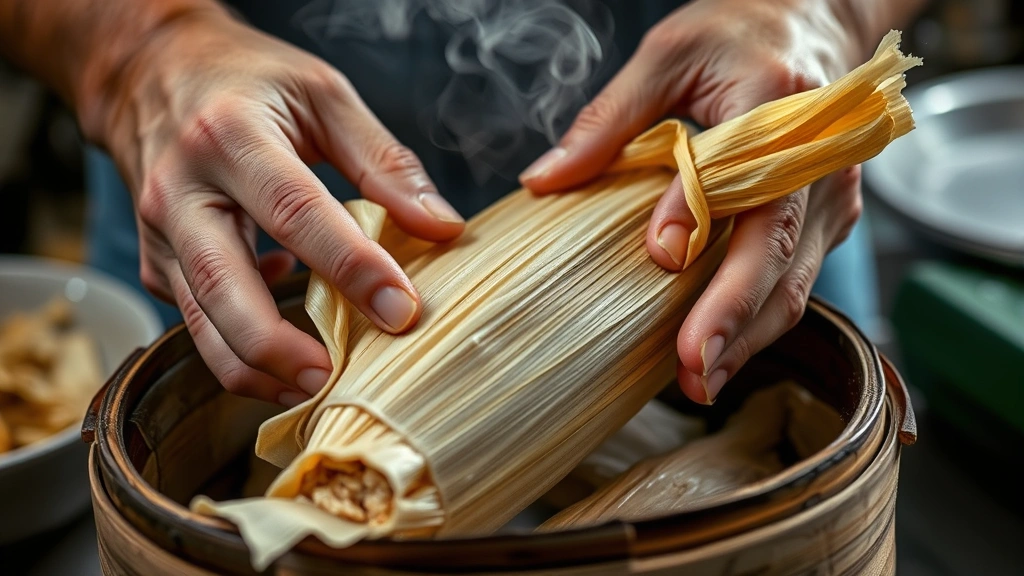
” alt=”Close-up of hands unwrapping a steaming tamale from corn husks, showing the proper peeling technique with masa and filling visible” style=”width: 100%; max-width: 600px; height: auto;”>
Flavor Combinations and Pairings
Tamales don’t exist in isolation—they’re typically served as part of a larger meal with complementary dishes and beverages. Understanding proper flavor pairings elevates your tamale experience significantly. Traditional Mexican meals often include salsa, rice, beans, and fresh garnishes alongside tamales.
Salsa pairings are essential to tamale enjoyment. Salsa verde (green salsa made with tomatillos) pairs beautifully with chicken tamales, while salsa roja (red salsa) complements pork fillings. Some people prefer to dip their tamales in salsa, while others apply it sparingly to maintain the delicate flavors of the masa. Experts recommend tasting the tamale first without sauce to appreciate the chef’s work, then adding salsa to subsequent bites if desired.
Side dishes significantly impact your tamale meal. Refried beans or black beans provide a creamy counterpoint to the tamale’s texture, while Mexican rice adds substance without overwhelming the palate. Fresh garnishes like cilantro, lime, and diced onions offer brightness and acidity that balance the richness of the masa and filling.
Beverage choices matter too. Traditional pairings include hot beverages like Mexican hot chocolate or atole, which are often served at breakfast alongside tamales. For lunch or dinner tamales, agua fresca (a refreshing fruit drink), horchata, or Mexican beer work wonderfully. The coolness of these beverages cuts through the richness of the tamale’s lard content.
If you’re interested in exploring other international foods with similar cultural significance, check out our guides on how to eat passion fruit and how to eat a dragon fruit, which share the same respectful approach to enjoying culturally important foods.
Temperature and Serving Considerations
The temperature at which you eat tamales significantly affects your experience. Tamales are traditionally served hot, right after steaming. This warmth brings out the subtle flavors of the masa and ensures the filling is at its most flavorful. Hot tamales also have the ideal texture—the masa is light and fluffy rather than dense and heavy.
Professional food service experts recommend these temperature guidelines:
- Ideal serving temperature is between 165-180°F (74-82°C), which is hot enough to be appetizing but not so hot that you’ll burn your mouth
- Allow a brief cooling period of 1-2 minutes after unwrapping to avoid burns while maintaining optimal flavor
- Never eat tamales cold unless they’ve been specifically prepared as a cold dish, as room-temperature masa becomes dense and unpleasant
- Reheating is essential if tamales have been refrigerated—steam them briefly rather than microwaving to restore proper texture
- Timing matters for special occasions—traditionally, tamales are served hot immediately after preparation
The steaming process that cooks tamales is crucial to understanding why temperature matters. The steam creates the perfect moisture content in the masa, giving it that signature light crumb. Once cooled, this moisture can condense, making the masa heavy and gummy. This is why food experts always emphasize serving tamales hot.
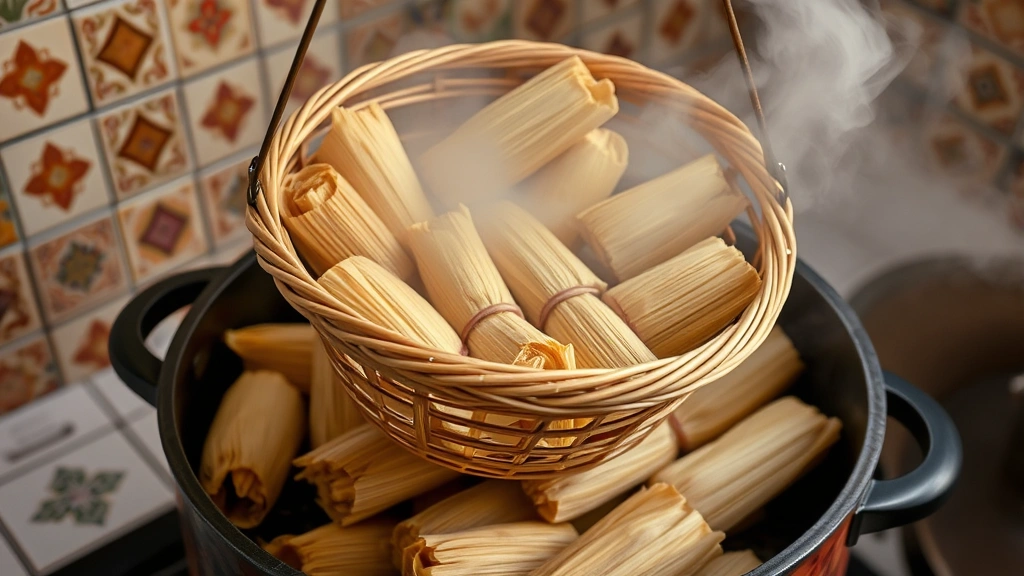
” alt=”Steaming basket filled with tamales wrapped in corn husks being lifted from a traditional steamer pot, showing steam rising” style=”width: 100%; max-width: 600px; height: auto;”>
Common Mistakes to Avoid
Even with the best intentions, people often make mistakes when eating tamales. Understanding these pitfalls helps you enjoy tamales more fully and shows respect for this traditional food.
Mistake #1: Eating the corn husk. This is the most common error among first-time tamale eaters. The corn husk is purely a cooking and serving vessel. It becomes slightly softer during steaming but is never meant to be consumed. Always remove it completely before eating the masa.
Mistake #2: Not allowing proper cooling time. Diving into a tamale immediately after unwrapping often results in burned mouth tissue and difficulty tasting the nuanced flavors. Give it a minute to cool slightly.
Mistake #3: Drowning tamales in sauce. While salsa enhances tamales, excessive sauce overwhelms the delicate flavors of the masa. Use sauce as a complement, not a mask.
Mistake #4: Eating tamales that are undercooked. An undercooked tamale will have masa that sticks to the corn husk and feels gummy. Properly cooked masa should separate cleanly from the husk. If this doesn’t happen, the tamale needs more steaming time.
Mistake #5: Pairing with incompatible beverages. Avoid drinking milk or cream-based drinks with tamales, as these can curdle slightly due to the acidity of traditional salsas. Stick with coffee, tea, or other recommended beverages.
Mistake #6: Eating too many at once. Tamales are extremely filling due to their lard content and dense masa. Two to three tamales typically constitute a full meal for most people. Overindulgence leads to discomfort rather than enjoyment.
Mistake #7: Ignoring portion control with sides. Remember to balance tamales with vegetables and lighter sides rather than loading your plate with additional heavy foods.
Regional Variations in Tamale Consumption
Tamale traditions vary significantly across Mexico and Latin America, and understanding these regional differences enriches your appreciation for the food. Different regions have developed distinct tamale styles, fillings, and eating customs.
Oaxacan tamales are known for their smaller size and often include ingredients like mole (a complex sauce) or banana leaves instead of corn husks. They’re typically eaten more delicately, with less sauce and more focus on the subtle flavors of the masa and filling.
Veracruz-style tamales tend to be larger and more generously filled, often served with a heavier sauce. These tamales are eaten with more enthusiasm and often paired with strong coffee or chocolate drinks.
Yucatán tamales (called “tamales de pollo”) feature unique ingredients like achiote (annatto) and are wrapped in banana leaves. The eating style is similar to other regions but with greater emphasis on the distinctive spice profile.
Central American tamales vary by country. Salvadoran tamales, for example, are often made with a different masa preparation and served with curtido (a pickled vegetable slaw). Costa Rican tamales frequently include olives and raisins, creating a distinctly different flavor profile.
When eating regional tamale variations, it’s respectful to ask locals about their preferred method. This shows cultural appreciation and often leads to discovering nuances you might otherwise miss. Each region’s approach to tamale consumption reflects local traditions, available ingredients, and family customs passed down through generations.
Food historians note that tamale preparation and consumption methods have remained remarkably consistent since pre-Columbian times, though fillings and flavor profiles have evolved with cultural exchange. This historical continuity is another reason why approaching tamales with intention and respect matters.
Frequently Asked Questions
Can you eat the corn husk wrapper on a tamale?
No, corn husks are never meant to be eaten. They serve only as a cooking vessel and wrapper during steaming. Always remove them completely before consuming the masa and filling. Some people mistakenly believe the husks are edible, but they remain tough and indigestible even after cooking.
What’s the best way to hold a tamale while eating it?
Use the remaining corn husk at the bottom as a natural handle, holding it between your thumb and fingers while eating from the exposed end. This keeps your hands relatively clean while maintaining traditional eating methods. If the husk is too hot, use a napkin as insulation.
How many tamales should I eat in one meal?
Most people find that two to three tamales constitute a complete meal, depending on size and accompanying sides. Tamales are very filling due to their lard content and dense masa. Start with two and add a third only if you’re still hungry. This approach prevents overeating and allows you to enjoy each tamale fully.
Should tamales be served with salsa?
Tamales can be enjoyed with or without salsa. Food experts recommend tasting at least the first tamale without sauce to appreciate the chef’s work and the natural flavors. After that, add salsa according to personal preference, but use it as a complement rather than a mask for the delicate flavors.
What’s the proper temperature for eating tamales?
Tamales should be served hot, ideally between 165-180°F (74-82°C). This temperature maintains the light, fluffy texture of the masa and brings out the flavors of the filling. Allow 1-2 minutes for cooling after unwrapping to avoid burning your mouth while preserving optimal eating temperature.
Can you eat cold tamales?
While technically possible, eating cold tamales is not recommended unless they’ve been specifically prepared as a cold dish. Cold masa becomes dense, gummy, and loses much of its appeal. If you have leftover tamales, always reheat them by steaming rather than microwaving to restore proper texture.
What beverages pair best with tamales?
Traditional pairings include Mexican hot chocolate, atole, coffee, tea, agua fresca, horchata, or Mexican beer depending on the time of day and meal context. Avoid milk-based drinks that might curdle due to salsa acidity. The beverage should complement rather than compete with the tamale’s flavors.
How do I know if a tamale is fully cooked?
A fully cooked tamale will have masa that separates cleanly from the corn husk without sticking. The masa should be light and fluffy rather than gummy or dense. If the masa clings to the husk, the tamale needs additional steaming time.

Related Posts

Superscript in Google Docs: Expert Tips

Strikethrough in Excel: Easy Steps for Beginners
