
Cleaning Grill Grates: Expert Tips & Tricks
Cleaning Grill Grates: Expert Tips & Tricks
A clean grill is essential for both food safety and optimal cooking performance. Over time, grill grates accumulate grease, food residue, and carbon buildup that can affect heat distribution and impart unwanted flavors to your meals. Whether you’re preparing for the grilling season or maintaining your grill between cookouts, knowing how to clean grill grates properly will extend the life of your equipment and ensure delicious results every time.
The good news is that cleaning grill grates doesn’t require expensive commercial products or hours of elbow grease. With the right techniques, tools, and a bit of patience, you can restore your grates to near-pristine condition. This comprehensive guide walks you through multiple methods suitable for different grate materials and levels of buildup, from quick maintenance cleaning to deep restoration projects.
Why Regular Grill Grate Cleaning Matters
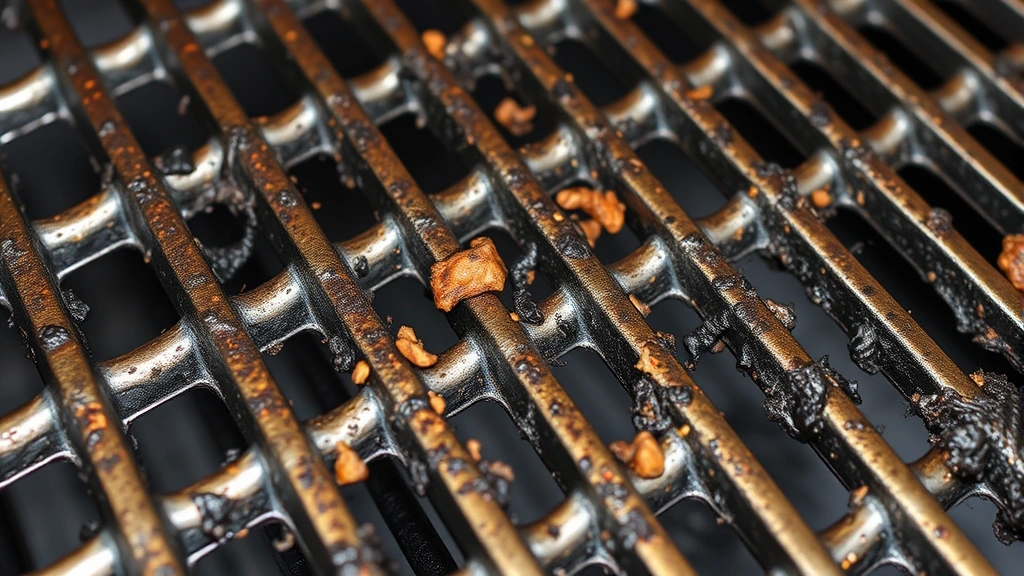
Maintaining clean grill grates goes beyond aesthetics. When grease and food particles accumulate on your grates, they create a breeding ground for bacteria that can contaminate your food. Additionally, heavy buildup restricts airflow and heat distribution, making it harder to cook food evenly and achieve proper searing. Rust can develop on neglected grates, particularly on cast iron, compromising structural integrity and potentially flaking into your food.
Regular cleaning also prevents flavor transfer—old, charred residue can impart bitter or off-flavors to fresh foods you’re grilling. By establishing a routine cleaning schedule, you’ll notice improved cooking results, longer equipment lifespan, and greater confidence in your grilling hygiene. Most experts recommend cleaning grates after every use for best results, though a thorough weekly cleaning during active grilling season is acceptable for casual grillers.
Think of grate maintenance similar to other kitchen appliances—just as you’d clean your glass stove top regularly, your grill deserves consistent attention to function optimally.
Tools and Materials You’ll Need
Before tackling your grill grates, gather the essential tools and materials:
- Wire grill brush: The most important tool, available in various styles (handle-mounted, standalone, or with replaceable heads)
- Aluminum foil: A surprisingly effective and free cleaning tool for many situations
- Baking soda: A natural abrasive that works well on stubborn residue
- White vinegar: Cuts through grease and helps dissolve carbon buildup
- Dish soap: For general-purpose cleaning and degreasing
- Rubber gloves: Protect your hands from sharp grates and harsh chemicals
- Bucket or tub: For soaking grates in cleaning solutions
- Grill brush with replaceable heads: More eco-friendly than disposable options
- Cloth rags or paper towels: For wiping and drying
- Safety glasses: Protect eyes from debris when scrubbing
Having these items on hand means you’re prepared for any cleaning situation, from quick post-cookout maintenance to deep restoration of heavily used grates.
The Wire Brush Method
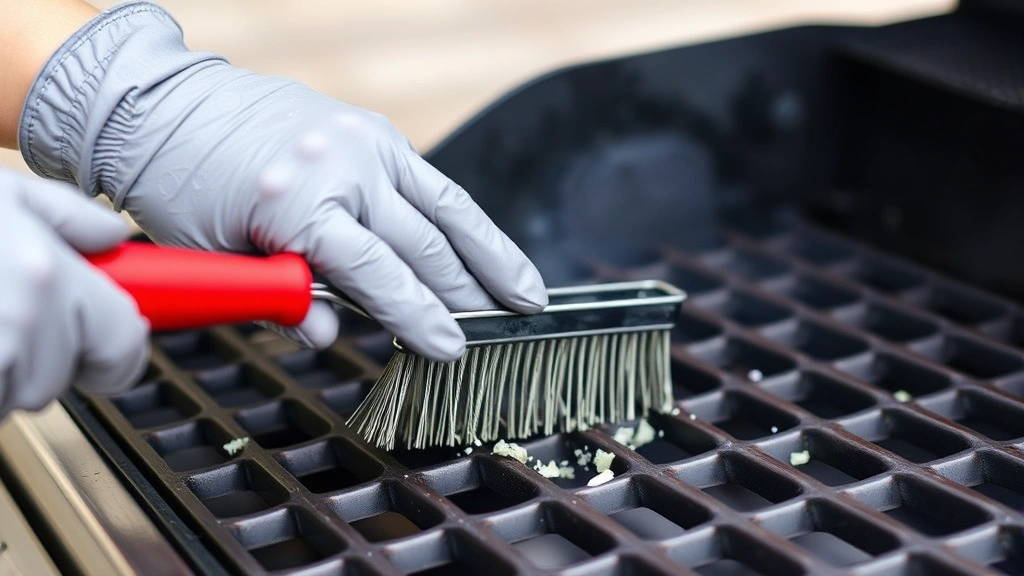
The wire brush method is the most common and effective technique for regular grill grate cleaning. This approach works well for removing loose buildup and maintaining grates between deep cleans.
Steps for wire brush cleaning:
- Ensure your grill is completely cool before beginning (wait at least 30 minutes after your last cook)
- Put on safety glasses and rubber gloves for protection
- Position your wire brush perpendicular to the grates
- Apply firm, consistent pressure while scrubbing in one direction, then reverse
- Work methodically across the entire surface of each grate
- Pay special attention to areas where food typically sits
- Flip grates if possible to clean the underside
- Wipe away loosened debris with a damp cloth
- Inspect for remaining stubborn spots and repeat as needed
For best results, use a grill brush with stainless steel bristles, which resist rust and provide superior cleaning power compared to brass alternatives. Press firmly but avoid gouging the grate surface, especially on cast iron where you want to preserve the seasoning.
Many grillers find that cleaning grates while still slightly warm (but cool enough to touch) yields better results than cleaning completely cold grates. The residual heat helps soften stubborn buildup without the safety risks of working on a hot surface.
Aluminum Foil Cleaning Technique
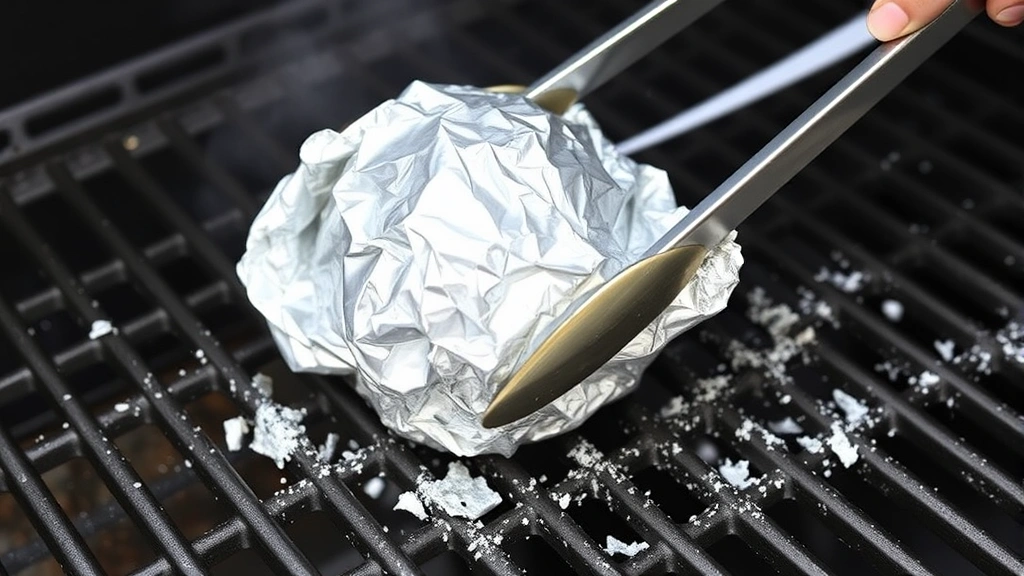
One of the most ingenious and budget-friendly methods for cleaning grill grates involves nothing more than aluminum foil. This technique works particularly well for cast iron and steel grates with moderate buildup.
How to use aluminum foil:
- Crumple a piece of heavy-duty aluminum foil into a tight ball about the size of a golf ball
- Ensure your grill is cool or still slightly warm (not hot)
- Holding the foil ball with tongs or a heat-resistant glove, scrub the grates vigorously
- Use the same perpendicular scrubbing motion as with a wire brush
- The aluminum foil abrasive action removes buildup without damaging the grate surface
- Continue until satisfied with the cleanliness, then wipe away residue
- For extra cleaning power, dampen the foil slightly before scrubbing
The beauty of this method is its gentleness combined with effectiveness. Aluminum foil is softer than steel, so it won’t scratch delicate grate finishes while still providing sufficient abrasive action to remove most buildup. This makes it ideal for newer grates or those with special coatings.
This technique also works wonderfully for cast iron grates where you want to maintain the seasoning layer. Unlike wire brushes that can sometimes be too aggressive, foil cleaning respects the protective patina you’ve built up over time.
Deep Cleaning with Vinegar and Baking Soda
When grates have heavy buildup or haven’t been cleaned in months, the vinegar and baking soda method provides deep-cleaning power without harsh chemicals. This natural approach is safe, effective, and environmentally friendly.
Vinegar and baking soda deep clean process:
- Remove grates from your grill (if possible) and place them in a bathtub, large bucket, or on a sturdy work surface
- Mix equal parts white vinegar and water in a spray bottle
- Spray the solution generously over all grate surfaces
- Sprinkle baking soda over the wet areas—it will fizz as a chemical reaction occurs
- Allow the mixture to sit for 15-30 minutes, depending on buildup severity
- Use a wire brush or plastic scrub pad to work away loosened residue
- For stubborn spots, make a paste of baking soda and vinegar and apply directly
- Rinse thoroughly with clean water
- Dry completely with cloth rags before reinstalling
The acidic vinegar dissolves mineral deposits and grease while baking soda provides gentle abrasive action. This combination is particularly effective on cast iron grates and those with rust spots. For extremely heavy buildup, you can soak grates in vinegar overnight before scrubbing.
This method parallels the approach many use when learning how to clean a coffee maker, where vinegar is also a primary ingredient for cutting through mineral buildup and grease.
Commercial Grill Cleaners
While natural methods work well for most situations, commercial grill cleaners offer convenience and sometimes superior power for heavily neglected grates. Several excellent products are available from home improvement retailers.
Popular commercial options include:
- Grill cleaning sprays: Apply directly to grates and scrub—convenient but often more expensive
- Grill cleaning foams: Create thick foam that clings to grates, allowing longer dwell time
- Degreaser products: Heavy-duty options for extremely carbonized buildup
- Grill cleaner tablets: Dissolve in water to create a soaking solution
When using commercial cleaners, always follow label instructions carefully. Most require:
- Wearing protective gloves and eye protection
- Ensuring adequate ventilation
- Allowing proper dwell time for the product to work
- Thoroughly rinsing to prevent residue transfer to food
- Never mixing different products, which can create dangerous chemical reactions
Check product reviews on major home improvement retailer websites before purchasing. Many grillers find that natural methods work adequately for regular maintenance, reserving commercial cleaners for occasional deep cleans or stubborn situations.
Cleaning Different Grate Materials
Grill grates come in various materials, each requiring slightly different cleaning approaches to avoid damage while achieving optimal cleanliness.
Cast Iron Grates:
Cast iron is durable and develops a natural seasoning that improves with use. When cleaning cast iron grates, prioritize maintaining this protective layer. Use gentler methods like aluminum foil scrubbing or the vinegar and baking soda soak. Avoid prolonged water exposure that can promote rust. After cleaning, dry immediately and apply a light coat of high-heat cooking oil to maintain seasoning. For rust spots, use steel wool or a wire brush more aggressively, then re-season the area.
Stainless Steel Grates:
Stainless steel resists rust and can handle more aggressive cleaning. Wire brushes and commercial cleaners work well. Stainless steel grates benefit from occasional polishing with stainless steel cleaner to maintain appearance and resist fingerprints. These grates are less prone to damage from scrubbing, making them ideal for those who prefer vigorous cleaning methods.
Porcelain-Coated Grates:
Porcelain coating provides a non-stick surface but can chip if handled roughly. Use softer brushes, aluminum foil, or natural cleaning solutions rather than aggressive wire brushes. Avoid extreme temperature changes that can crack the coating. When porcelain chips, exposed metal underneath can rust, so handle these grates carefully and replace them if coating damage is extensive.
Nickel-Plated Grates:
Less common but occasionally found on premium grills, nickel-plated grates require gentle cleaning to preserve the plating. Use soft brushes, natural solutions, and avoid harsh chemicals that can damage the plating.
Prevention and Maintenance Tips
The easiest grates to clean are those that never get too dirty. Implementing prevention strategies dramatically reduces cleaning time and effort.
Post-cook cleaning routine:
- While grill is still warm (but cool enough to work safely), brush grates with a wire brush
- This removes loose debris while residue is still soft
- Takes only 2-3 minutes but prevents heavy buildup
- Makes next cleaning session significantly easier
Seasonal maintenance:
- Before grilling season begins, give grates a thorough cleaning
- After season ends, clean grates completely and dry thoroughly
- Apply light oil coat to cast iron grates before storage
- Cover grill with weather-resistant cover during off-season
Grate protection strategies:
- Use grill mats or baking sheets to prevent food from directly contacting grates
- Oil grates before cooking to reduce sticking and residue buildup
- Avoid placing foods directly on cold grates when possible
- Clean up spills immediately rather than letting them char and harden
- Keep grill covered when not in use to reduce exposure to elements
Think about grate maintenance the same way you’d approach cleaning an iron—regular maintenance prevents problems from developing in the first place.
Investing in high-quality grates from the start also matters. Premium grates often feature better coatings and materials that resist buildup and rust more effectively than budget options. While initial cost is higher, longevity and reduced maintenance make them economical over time.
For more comprehensive grilling tips and maintenance guides, visit the FixWiseHub Blog for additional how-to guides.
FAQ
How often should I clean my grill grates?
For best results, clean grates after every use with a quick wire brush pass. Perform a thorough deep clean weekly during active grilling season or monthly during off-season use. If you notice buildup or discoloration, increase cleaning frequency.
Can I clean grates while the grill is hot?
It’s generally safer to wait until grates cool, but many grillers prefer cleaning while grates are still warm (around 200-300°F). Never touch hot grates directly. If cleaning warm grates, use long-handled tools and wear heat-resistant gloves. Cold cleaning is safer for beginners.
What’s the best tool for cleaning grill grates?
A quality stainless steel wire grill brush is the most effective all-purpose tool. For cast iron grates, aluminum foil provides gentler cleaning. For porcelain coatings, soft brushes or natural solutions work best. Most grillers benefit from having multiple tools available.
How do I remove rust from grill grates?
For light surface rust, scrub with a wire brush or steel wool, then apply oil. For heavy rust, soak grates in vinegar for several hours before scrubbing. For severe rust on cast iron, a wire wheel attachment on a power drill can remove buildup, though this removes seasoning and requires re-seasoning afterward.
Are natural cleaning methods as effective as commercial products?
Natural methods using vinegar and baking soda work well for regular maintenance and moderate buildup. Commercial products may be more effective for extremely heavy or carbonized buildup. Most grillers find natural methods sufficient for routine cleaning, using commercial products only occasionally.
Should I remove grates for cleaning?
Removing grates allows more thorough cleaning and access to hard-to-reach areas. If your grill design permits easy removal, do so for deep cleaning sessions. For quick maintenance, cleaning grates in place is acceptable and more convenient.
How do I prevent grates from rusting?
Keep grates dry after cleaning and use them regularly (cooking heats and protects them). Apply light oil coats to cast iron grates, store grill covered, and address rust spots immediately before they spread. Stainless steel resists rust naturally and requires less prevention effort.
Can I use a pressure washer on grill grates?
High-pressure water can damage grate coatings and isn’t necessary for effective cleaning. Stick with wire brushes, soaking, and natural solutions. For stubborn buildup, increased dwell time with cleaning solutions works better than pressure.

Related Posts

Superscript in Google Docs: Expert Tips

Strikethrough in Excel: Easy Steps for Beginners
