
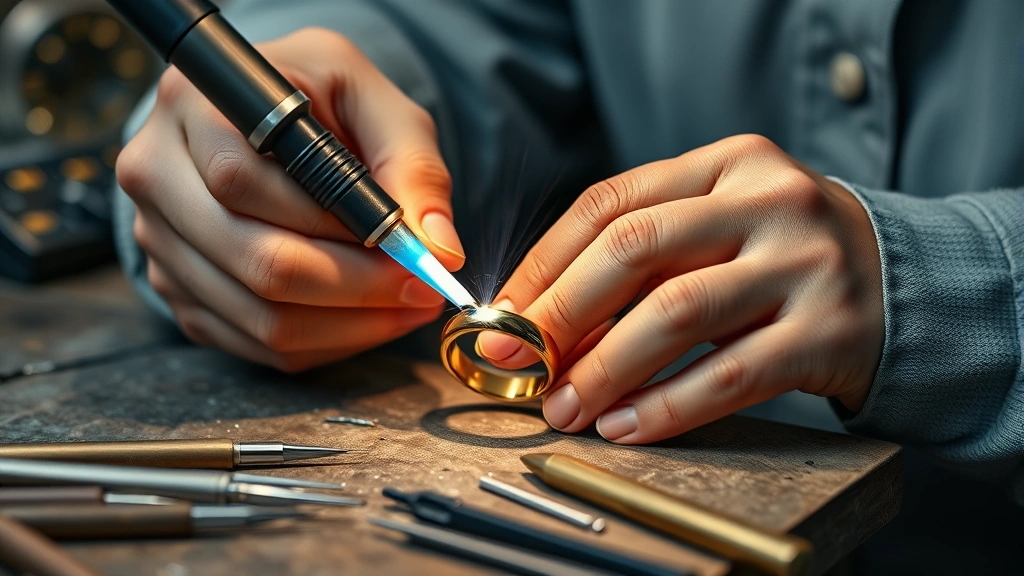
Resize a Ring: Cost Guide & Tips from Jewelers
How Much Does It Cost to Resize a Ring? Complete Cost Guide & Jeweler Tips
Ring resizing is one of the most common jewelry modifications, whether you’ve inherited a family heirloom, experienced fluctuating finger size, or simply found the perfect ring in the wrong size. Understanding the costs involved and what to expect from the process helps you make informed decisions and avoid surprises at the jeweler’s counter. This comprehensive guide breaks down ring resizing expenses, factors that influence pricing, and professional insights to help you get the best value.
Whether you’re dealing with a simple band adjustment or a complex vintage piece, the cost of resizing a ring typically ranges from $25 to $150, depending on multiple factors we’ll explore in detail. We’ll also cover when you might want to resize versus replace, how to find a reputable jeweler, and what questions to ask before committing to the service.
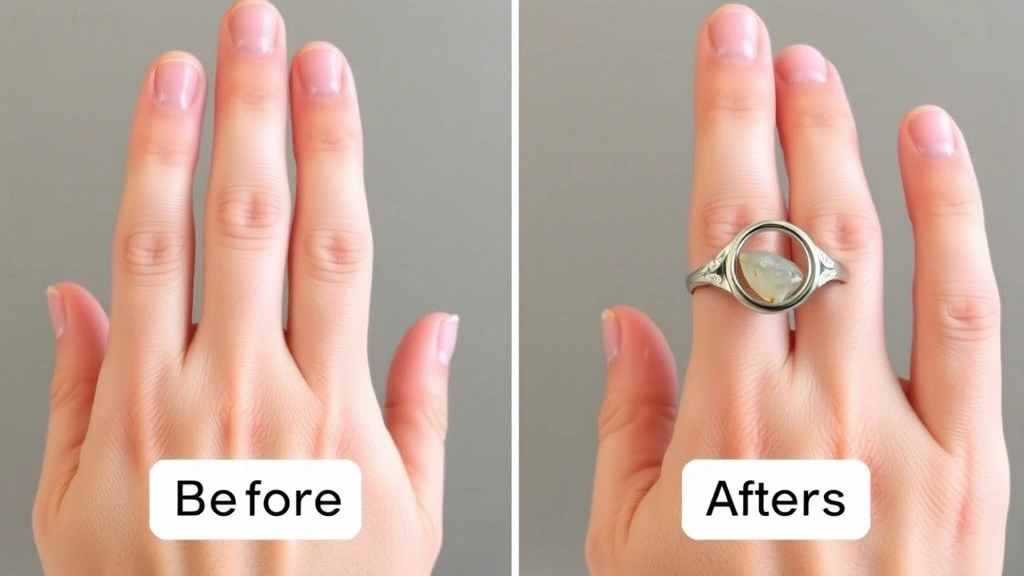
Average Ring Resizing Costs by Type
The cost to resize a ring varies significantly based on the ring’s material and complexity. For a basic simple band resize, most jewelers charge between $25 and $50. This includes straightforward adjustments on plain metal bands without gemstones or intricate designs. These jobs typically take one to two weeks and involve cutting the band, removing or adding metal, and re-soldering the joint.
Rings with center stones cost more to resize, typically ranging from $50 to $100. When a ring features a prominent gemstone or diamond, the jeweler must work carefully around the stone, sometimes removing it temporarily to prevent damage during the resizing process. This additional care and expertise justifies the higher price point.
Vintage and antique rings represent the premium end of resizing services, often costing $75 to $150 or more. These pieces frequently feature delicate metalwork, unusual alloys, or historical construction methods that require specialized knowledge. According to This Old House, working with older pieces demands extra caution and skill.
Designer and custom rings with intricate settings, multiple stones, or precious metals typically fall into the $100 to $150+ category. Some high-end jewelers may charge even more for extremely complex pieces. The more elaborate the design, the more time and expertise required to complete the resize safely.
Ring sizing up (making a ring larger) typically costs less than sizing down because the jeweler adds metal rather than removing it. Adding a metal insert or stretching the band is often faster and simpler. However, sizing down requires cutting and soldering, which takes more time and skill, sometimes increasing costs by $10 to $25.
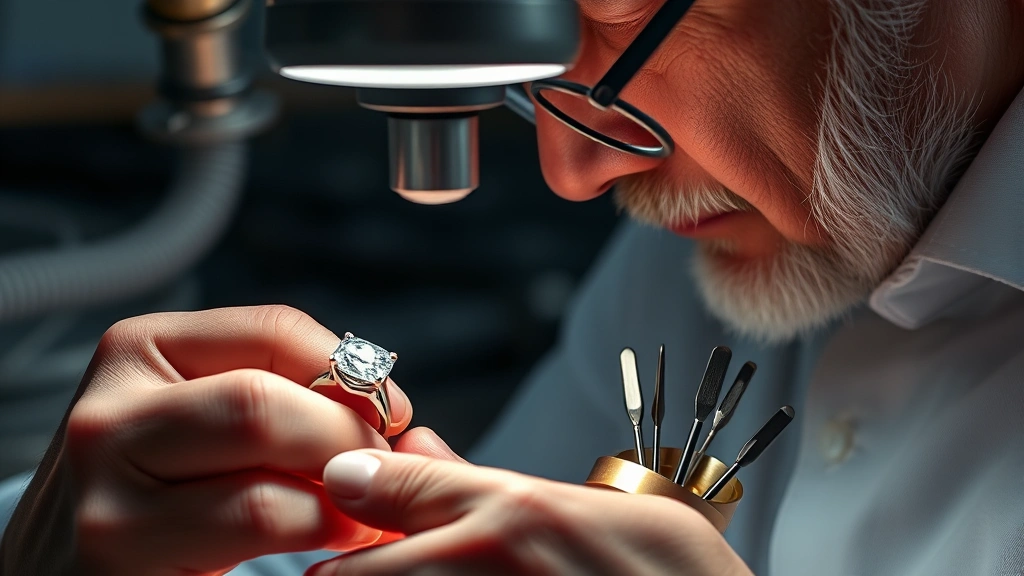
Factors That Affect Resizing Price
Several key factors influence how much you’ll pay for ring resizing services. Understanding these variables helps you anticipate costs and understand jeweler quotes.
Amount of Size Change: The bigger the size difference, the more expensive the resize. Moving up or down just one full size is relatively simple and inexpensive. However, resizing multiple sizes (say, from a size 6 to a size 9) requires more metal manipulation and takes longer, increasing labor costs proportionally.
Band Width: Wider bands require more metal work and take longer to resize than thin, delicate bands. A 1/8-inch band costs significantly less to resize than a 1/2-inch band because of the increased material and labor involved.
Ring Thickness: Thicker bands are more labor-intensive to work with. Jewelers must cut through more material, adjust the structure carefully, and ensure proper re-soldering. Thick platinum or gold bands command higher prices than thin sterling silver bands.
Stone Setting Complexity: Simple solitaire settings are easier to work around than elaborate multi-stone designs. Pave settings, halo designs, and intricate side stones require the jeweler to work with extreme precision. Some settings may need temporary stone removal, adding to the cost. Consult Family Handyman for general jewelry maintenance principles.
Metal Type: Different metals have different properties that affect resizing difficulty and cost. We’ll explore this in detail in the next section, but generally, platinum is most expensive, followed by gold, then silver.
Jeweler Location and Reputation: High-end jewelers in major metropolitan areas typically charge more than local jewelers in smaller towns. A master jeweler with decades of experience and excellent reputation may charge premium prices. National chains sometimes offer competitive pricing but may lack the personalized expertise of independent jewelers.
Turnaround Time: Rush orders cost more. If you need your ring resized within days rather than weeks, expect to pay an expedited service fee, typically an additional $15 to $50.
Metal Type and Material Considerations
The metal composition of your ring significantly impacts resizing costs. Each metal has unique properties that affect how jewelers work with it.
Sterling Silver: Silver is the most affordable metal to resize, typically costing $25 to $50 for a simple band. Silver is relatively soft and easy to work with, requiring less specialized equipment. However, silver can be tricky because it’s prone to oxidation and requires careful handling during the resizing process.
Gold (10K, 14K, 18K): Gold resizing costs $40 to $100 depending on the karat weight and complexity. Higher karat gold (18K) is purer and more expensive to work with than lower karat gold (10K). White gold, yellow gold, and rose gold all resize similarly in terms of cost, though white gold requires additional finishing to maintain its rhodium plating after resizing.
Platinum: Platinum is the most expensive metal to resize, often costing $100 to $150 or more. Platinum is extremely durable and dense, requiring specialized equipment and significant expertise. It’s difficult to work with because it has a high melting point and demands precision soldering. However, platinum resizing is often the best choice for precious stones because of its durability and non-reactive properties.
Mixed Metals: Rings with mixed metals (like two-tone gold or gold with platinum accents) require extra care and cost more to resize. The jeweler must work with multiple metals that have different properties, and the resizing must maintain the aesthetic balance of the design.
Alternative Metals: Rings made from titanium, tungsten, or stainless steel present special challenges. Some of these metals cannot be traditionally resized because they’re too hard or brittle. Your jeweler may need to replace the entire band or recommend a different solution, which could cost more than traditional resizing.
Understanding how much metal work you’re investing in helps justify the cost. When you visit the FixWise Hub Blog, you’ll find additional cost-related articles that provide context for various service expenses.
When to Resize vs. When to Replace
Not every sizing situation warrants professional resizing. Sometimes replacement or alternative solutions make more financial sense.
Resize When: The ring has significant sentimental value or is an expensive designer piece. If you inherited a family heirloom or received an engagement ring you love, resizing preserves the original item. Resize when the size difference is small (one to three sizes), keeping costs reasonable. Resize if the ring is relatively new and in good condition—you’re protecting an investment.
Replace When: The ring is damaged, worn, or of minimal monetary value. If the band is thin and worn, resizing might compromise the structural integrity. Replace if the ring is costume jewelry or inexpensive fashion jewelry—the cost of resizing might approach or exceed the ring’s value. Consider replacement if the ring requires extensive repairs in addition to resizing.
Alternative Solutions: For rings you wear occasionally, consider ring guards or adjusters (costing $5 to $20) that temporarily fit a loose ring. These work for minor size differences and are removable. Silicone ring bands ($10 to $30) are popular alternatives for people whose ring size fluctuates due to weather, pregnancy, or health conditions. These don’t permanently alter your original ring.
Before committing to resizing an expensive ring, ask your jeweler for a professional assessment. They can advise whether resizing will damage the piece or compromise its value. For vintage pieces, consider consulting a specialist—see our guide to understanding various costs for perspective on value assessment.
Finding a Qualified Jeweler
Choosing the right jeweler is crucial for getting quality work at fair prices. Not all jewelers have equal expertise in resizing, particularly with complex or valuable pieces.
Research and Recommendations: Ask friends, family, and colleagues for referrals. Check online reviews on Google, Yelp, and the Better Business Bureau. Look for jewelers with consistently high ratings and detailed customer feedback about resizing work specifically. Local jewelry stores often have better reputations than big-box retailers because they depend on word-of-mouth and customer relationships.
Certifications and Experience: Look for jewelers certified by the American Gem Society (AGS) or the Gemological Institute of America (GIA). These certifications indicate professional training and adherence to ethical standards. Ask how long the jeweler has been in business and specifically about their experience with your ring type.
Get Multiple Quotes: Contact three to five jewelers and request written quotes for your specific resizing job. Provide details about the ring—metal type, width, number of stones, and desired size change. Written quotes allow you to compare pricing and services. Be wary of quotes that seem significantly lower than others; they may indicate inexperience or use of inferior soldering techniques.
Ask Key Questions: Before committing, ask: Will they remove the stones or work around them? What’s their warranty on the resizing work? How long is the turnaround time? Do they guarantee the ring won’t be damaged? What happens if something goes wrong? A reputable jeweler will answer these questions confidently and provide documentation.
Inspect the Work: When you pick up your resized ring, examine it carefully. The solder joint should be smooth and invisible. The ring should fit comfortably and sit straight on your finger. If you notice rough edges, visible solder, or the ring doesn’t fit as expected, address it immediately while the jeweler can make adjustments.
Check resources like Lowe’s jewelry services and Home Depot for referrals to local jewelry partners, though many specialize in home improvement rather than jewelry specifically.
DIY Ring Resizing: Is It Possible?
The short answer: professional resizing is almost always better than DIY attempts. Ring resizing requires specialized equipment, metallurgical knowledge, and years of practice.
Why DIY Fails: Soldering a ring requires precise temperature control, proper flux application, and metal that bonds correctly. Without professional equipment, you risk melting the metal, damaging stones, creating weak joints that break later, or distorting the ring’s shape. If your ring contains valuable stones, DIY resizing could destroy thousands of dollars in gems.
Tools You’d Need: Professional ring resizing requires a jeweler’s torch, soldering equipment, metal files, cutting tools, and proper workspace ventilation. These tools cost hundreds to thousands of dollars. You’d also need knowledge of different metals’ melting points, proper solder types, and finishing techniques.
The Real Cost of Mistakes: A failed DIY resizing attempt could damage your ring beyond repair or require expensive restoration work. A $50 professional resizing is cheap insurance compared to potentially ruining a ring worth hundreds or thousands of dollars. Even if you successfully resize the ring structurally, the finish may look amateur, with visible solder lines or rough edges.
When DIY Might Work: The only safe DIY approach is using temporary solutions like ring guards or sizing beads (small metal beads that fit inside the band). These cost $5 to $30 and work for minor size differences. They’re removable and don’t alter your original ring. This is a reasonable DIY option if your ring size fluctuates seasonally or temporarily.
For more perspective on when professional services are worth the cost, see our article about understanding material costs and value.
FAQ
How long does ring resizing take?
Most jewelers complete simple ring resizing within 1 to 2 weeks. Complex pieces may take 3 to 4 weeks. Rush services can reduce this to 3 to 5 business days but cost extra. Always ask for a specific timeline when you drop off your ring.
Can all rings be resized?
Most rings can be resized, but some cannot. Eternity bands with stones all the way around, certain alternative metals like tungsten, and some vintage pieces with structural issues may be impossible to resize. Your jeweler will advise if your ring falls into this category.
Does resizing damage the ring?
Professional resizing by a qualified jeweler doesn’t damage your ring. The soldering is done carefully to maintain the ring’s integrity. However, repeated resizing of the same ring can eventually weaken it, so try to resize only when necessary.
Is it cheaper to resize or buy a new ring?
Resizing is almost always cheaper than buying a new ring, especially for fine jewelry. A $50 to $100 resizing is far less expensive than replacing a ring worth hundreds or thousands. For costume jewelry, the economics might favor replacement.
What if my ring doesn’t fit after resizing?
Reputable jewelers typically offer adjustments if the fit isn’t right. If your ring doesn’t fit properly after resizing, contact your jeweler immediately. They should make adjustments at no additional cost if it’s their error.
Can I resize a ring myself with a ring sizer tool?
Ring sizer tools help you determine your correct size but don’t actually resize rings. They’re useful for figuring out what size you need before visiting a jeweler. Don’t attempt to force a ring onto a larger size or use tools to stretch it—you’ll damage the ring.
Are there hidden costs in ring resizing?
Reputable jewelers provide written quotes with all costs included. Hidden costs are rare if you get a detailed quote upfront. However, if the jeweler discovers damage during resizing or needs to perform additional repairs, costs may increase. Always ask about this possibility when getting your quote.
Should I remove my stones before resizing?
Let your jeweler decide. For solitaire settings, they may work around the stone. For complex multi-stone settings, temporary removal is often safer. A professional jeweler will advise what’s best for your specific ring.

Related Posts

Superscript in Google Docs: Expert Tips

Strikethrough in Excel: Easy Steps for Beginners
