
How Long to Smoke Pork Butt? Expert Tips Inside
How Long to Smoke Pork Butt? Expert Tips Inside
Smoking a pork butt is one of the most rewarding outdoor cooking experiences you can have. The low-and-slow method transforms a tough cut of meat into tender, juicy pulled pork that falls apart at the slightest touch. However, getting the timing right is crucial to achieving that perfect result. Many first-time smokers wonder exactly how long to smoke pork butt, and the answer depends on several factors including the size of your cut, smoker temperature, and the cooking method you choose.
The general rule of thumb is to allow 1.5 to 2 hours of smoking time per pound of pork butt at a temperature of 225-250°F (107-121°C). A typical 8-pound pork butt will take approximately 12 to 16 hours to reach the ideal internal temperature of 190-203°F (88-95°C). This extended cooking time allows the collagen in the meat to break down into gelatin, creating that signature tender texture that makes smoked pulled pork so delicious.
In this comprehensive guide, we’ll walk you through everything you need to know about smoking pork butt, from preparation to the final pull. Whether you’re a seasoned pitmaster or picking up your first smoker, these expert tips will help you achieve consistent, restaurant-quality results every single time.
Understanding Pork Butt Basics
Before you start smoking, it’s important to understand what you’re working with. The pork butt, also called pork shoulder, comes from the upper part of the front leg and is loaded with fat and connective tissue. This makes it an ideal cut for smoking because the fat renders during the long cooking process, keeping the meat moist and flavorful. Unlike leaner cuts that can dry out, pork butt actually improves with extended cooking times.
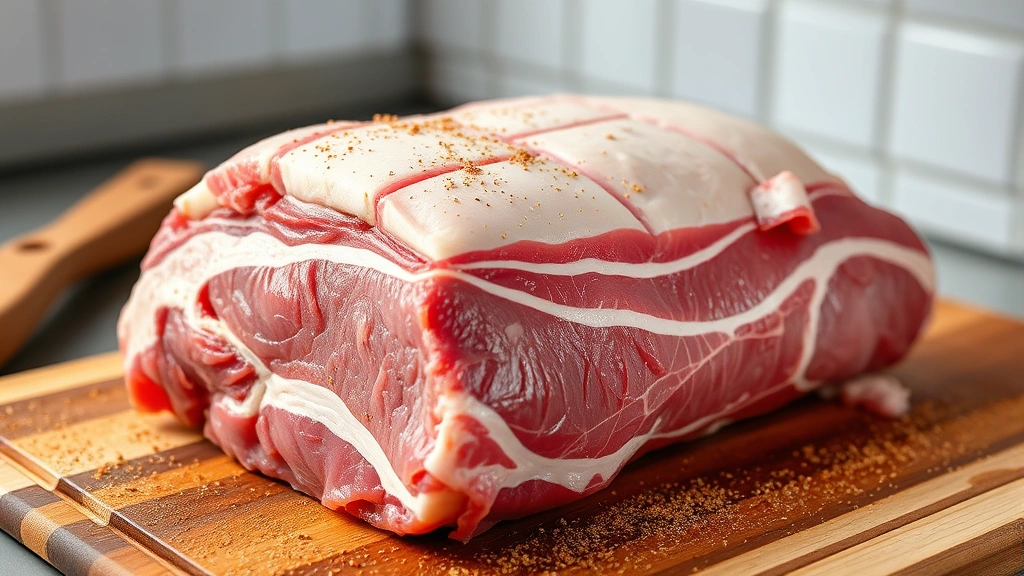
When shopping for pork butt, look for pieces with good marbling and a thick fat cap on top. The fat cap protects the meat underneath from drying out and contributes significantly to the final flavor. Most butchers can help you select the right size based on how many people you’re feeding. Plan for approximately 0.5 pounds of raw pork butt per person, accounting for shrinkage during cooking.
The size of your pork butt directly impacts how long to smoke pork butt. A 4-pound butt is perfect for small gatherings and cooks faster, while an 8-12 pound butt is ideal for feeding a crowd and is what most experienced pitmasters prefer. Interestingly, smoking larger pieces of meat can actually be more forgiving than smaller cuts because they maintain moisture better during the extended cooking process.
Calculating Smoking Time Accurately
The most common question beginners ask is about timing, and for good reason—nobody wants to plan a dinner party only to have the meat finish at midnight. The 1.5 to 2 hours per pound rule provides a solid baseline, but several variables can affect actual cooking time. Temperature consistency, outside air temperature, humidity, and even the specific smoker you’re using all play a role.
Here’s a practical breakdown for different sizes:
- 4-pound butt: 6-8 hours at 225°F
- 6-pound butt: 9-12 hours at 225°F
- 8-pound butt: 12-16 hours at 225°F
- 10-pound butt: 15-20 hours at 225°F
- 12-pound butt: 18-24 hours at 225°F
These estimates assume consistent smoker temperature and a meat-to-heat ratio that allows for even cooking. If you’re planning to smoke multiple butts simultaneously, add 1-2 hours to your total time since the smoker will work harder to maintain temperature with more mass inside.
Temperature choice matters significantly. Smoking at 250°F will reduce your total time by 20-30% compared to smoking at 225°F, though some pitmasters argue that lower temperatures produce superior bark and smoke penetration. The FixWiseHub Blog offers comprehensive how-to guides for various cooking projects that follow similar low-and-slow principles.
Preparing Your Meat for Success
Proper preparation is just as important as cooking time when learning how long to smoke pork butt effectively. Start by trimming the fat cap to about 0.25 inches—you want enough fat to protect the meat and render into flavor, but not so much that it prevents smoke penetration and seasoning from reaching the surface.
Apply your dry rub generously the night before smoking, or at least 2-4 hours ahead of time. This allows the salt and spices to penetrate the surface layers and develop flavor. A basic rub might include brown sugar, paprika, garlic powder, onion powder, black pepper, and salt. Some pitmasters add cayenne pepper or coffee powder for depth. Don’t be shy with the rub—it creates the flavorful bark that makes smoked pork butt so distinctive.
Consider injecting your pork butt with a marinade 12-24 hours before smoking. A butter-based injection with broth, apple juice, and spices distributes flavor throughout the meat rather than just on the surface. This is particularly helpful for larger cuts where the center might otherwise taste bland. Inject the solution in a grid pattern throughout the meat, spacing injections about 2 inches apart.
Smoking Temperature and Control
Maintaining consistent smoker temperature is absolutely critical when determining how long to smoke pork butt. Fluctuations in temperature will extend cooking time unpredictably and can result in uneven cooking. Invest in a quality thermometer—ideally one with wireless monitoring so you can track both smoker and meat temperature without opening the smoker door constantly.
Most pitmasters recommend smoking pork butt at 225-250°F. Here’s why this range works so well:
- At 225°F: Slower cooking allows more smoke penetration and bark development, but requires 18-24+ hours for larger cuts
- At 240°F: A good middle ground that balances cooking time with smoke flavor, typically taking 12-16 hours for an 8-pound butt
- At 250°F: Faster cooking while still allowing adequate smoke absorption, finishing in 10-14 hours for the same size
Your smoker type influences temperature control. Offset barrel smokers require more active management than vertical water smokers or electric units. Pellet smokers offer the most consistent temperature control with digital thermostats. Whatever smoker you use, allow 15-30 minutes for it to stabilize at your target temperature before placing the meat inside.
Use quality wood for smoking—hickory, oak, and fruitwoods like apple or cherry are excellent choices for pork. Avoid softwoods like pine or fir, which impart bitter flavors. Many experienced smokers use a mix of woods: a hardwood base like oak combined with a flavor wood like cherry or apple.
The Texas Crutch Method
If you’re concerned about how long to smoke pork butt taking too much time, the Texas Crutch is a game-changing technique that can cut 2-4 hours off your total cooking time without sacrificing quality. This method involves wrapping the pork butt tightly in butcher paper or aluminum foil once it reaches a certain stage of cooking.
Here’s how it works: Smoke your pork butt unwrapped for the first 6-8 hours (or until the bark develops to your liking and the internal temperature reaches about 160°F). Then wrap it tightly in butcher paper with a mixture of butter, brown sugar, and apple juice. This traps moisture and heat, accelerating the final cooking phase while keeping the meat tender.
The benefits of the Texas Crutch include:
- Reduced total cooking time by 20-30%
- More consistent final tenderness
- Easier temperature management during the final push
- Preserved bark on the outside (when using butcher paper rather than foil)
Some purists argue that unwrapped smoking produces superior results, and they’re not entirely wrong—the bark will be slightly crispier and the smoke flavor more pronounced. However, for most home cooks, the Texas Crutch represents an excellent balance between quality and practicality. This Old House provides excellent resources for outdoor cooking projects and equipment selection.
Testing for Doneness
The most important factor in determining when your pork butt is finished isn’t the clock—it’s the internal temperature and texture. Many new smokers make the mistake of pulling their meat off too early because they’ve hit their calculated time estimate. Remember, how long to smoke pork butt is ultimately determined by the meat itself, not a predetermined schedule.
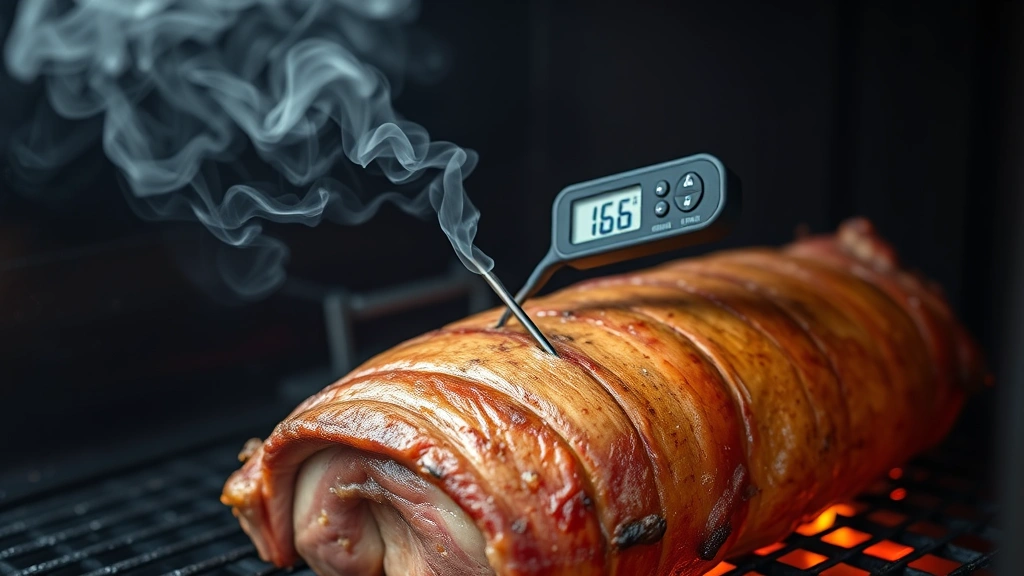
Use a reliable meat thermometer to monitor internal temperature throughout the cooking process. Insert the probe into the thickest part of the meat, away from bone. You’re looking for a final internal temperature of 190-203°F (88-95°C). Some pitmasters prefer 195°F as the sweet spot for optimal tenderness without drying out.
Beyond temperature, use the probe test: when the pork butt is done, a probe or toothpick should slide through the meat with almost no resistance, like pushing through warm butter. This indicates that the collagen has fully converted to gelatin and the muscle fibers have relaxed. If you encounter resistance, the meat needs more time.
The stall is a phenomenon you’ll likely encounter: the internal temperature seems to plateau around 150-165°F for several hours. This is completely normal and frustrating, but it will eventually break. Some cooks use the Texas Crutch specifically to push through the stall more efficiently. Patience is essential—don’t increase your smoker temperature dramatically just to get past the stall, as this can result in tough, dry meat.
Resting and Pulling Techniques
Once your pork butt reaches the target temperature, resist the urge to immediately pull it apart. Resting is crucial and often overlooked. Remove the meat from the smoker and let it rest, still wrapped if you used the Texas Crutch method, for 15-30 minutes. This allows the muscle fibers to relax and reabsorb juices, resulting in moister pulled pork.
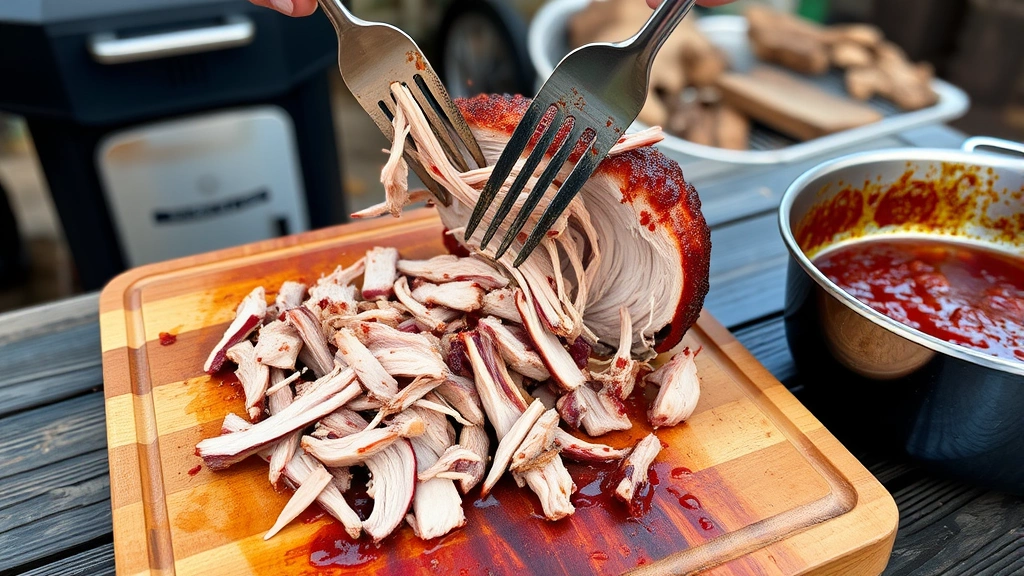
For pulling, place the rested pork butt on a cutting board with a lip or in a large pan to catch the delicious juices. Some cooks use meat shredder claws, while others prefer two forks. Work systematically, pulling along the muscle grain. You’ll notice the meat naturally separates into chunks—follow these natural seams rather than fighting against them.
Once pulled, reserve the pan drippings and any juices that accumulated during resting. These can be mixed back into the pulled pork for added moisture and flavor. Some regional styles serve pulled pork with sauce (like Carolina mustard-based or Texas vinegar-based), while others prefer it plain or lightly sauced to let the smoke flavor shine through.
Pulled pork stores beautifully in the refrigerator for up to 4 days, making it perfect for meal prep. You can also freeze it for up to 3 months. To reheat, add a splash of apple juice or broth and warm gently in a slow cooker or oven at 300°F until heated through.
Frequently Asked Questions
What’s the minimum time needed to smoke pork butt?
The absolute minimum is about 8-10 hours for a small 4-5 pound butt at 250°F, but 12-16 hours is more realistic for proper tenderness and smoke flavor development. Rushing the process will result in tough, disappointing meat.
Can you smoke pork butt overnight?
Yes, many pitmasters prefer overnight smoking. Start in the evening, maintain consistent temperature throughout the night, and you’ll have finished pulled pork ready for lunch. Use an alarm to check temperature periodically and ensure your smoker maintains heat.
Does wrapping in foil versus butcher paper change cooking time?
Aluminum foil wraps tighter and traps more heat, reducing time by 30-45 minutes compared to butcher paper. However, butcher paper allows slight moisture escape, which some argue produces better bark. The time difference is minimal enough that personal preference should guide your choice.
Should I smoke at 225°F or 250°F for faster results?
Smoking at 250°F will reduce total time by about 20-30% compared to 225°F. Both temperatures produce excellent results—the choice depends on your schedule and preference for bark development. Higher temperatures (250°F) produce crispier bark, while lower temperatures (225°F) allow more smoke penetration.
What happens if I smoke pork butt too long?
Pork butt is remarkably forgiving—even if you cook it longer than necessary, it typically won’t dry out as much as other cuts. However, extremely extended cooking (30+ hours) can eventually result in mushy texture. Most home cooks won’t encounter this problem.
How do I know if my pork butt is done without a thermometer?
Use the probe test: insert a fork, skewer, or toothpick into the thickest part. If it slides through with almost no resistance, the meat is done. You can also check for the bark appearance and gently tug on a section—finished pork should pull apart easily.
Can I use a temperature-controlled smoker to reduce guessing?
Absolutely. Pellet smokers and electric units with digital temperature control remove much of the guesswork from how long to smoke pork butt. They maintain consistent heat, which actually makes timing more predictable than traditional offset smokers.
Is it better to smoke one large butt or two smaller ones?
Two smaller butts (5-6 pounds each) will cook slightly faster than one 10-12 pound butt, but the difference is minimal—usually 1-2 hours. One large butt is more efficient in terms of smoker space and fuel consumption. Choose based on your gathering size and smoker capacity.

Related Posts

Superscript in Google Docs: Expert Tips

Strikethrough in Excel: Easy Steps for Beginners
