
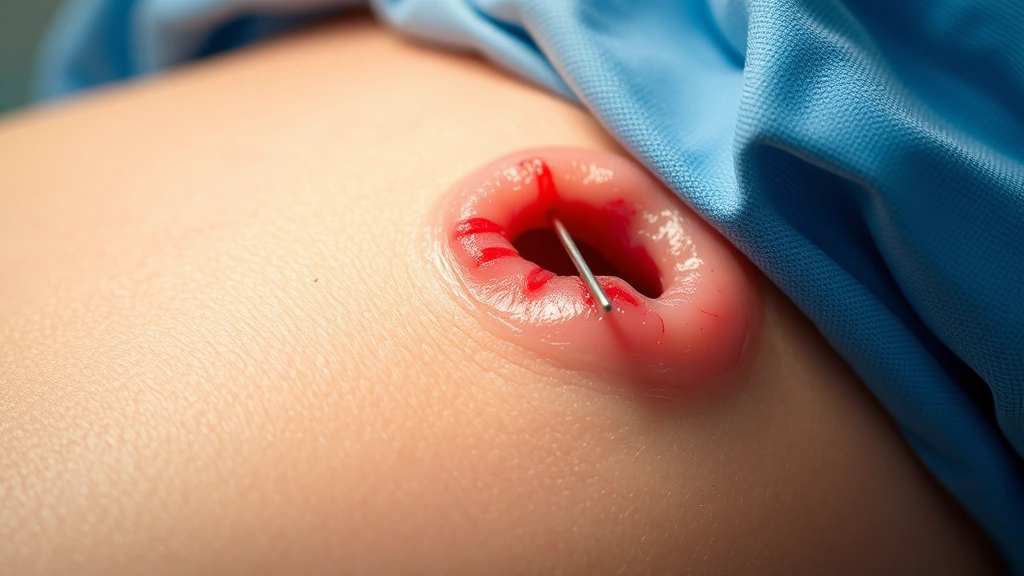
Dissolvable Stitches: Doctor Insights on Timeframe
Dissolvable Stitches: Doctor Insights on Timeframe
Dissolvable stitches, medically known as absorbable sutures, are a common wound closure method used in surgical procedures, dental work, and medical treatments. Unlike traditional stitches that require removal by a healthcare professional, dissolvable stitches are designed to break down naturally over time as your body heals. Understanding how long this process takes and what factors influence the timeline can help you manage your recovery effectively and know what to expect during the healing process.
The timeframe for dissolvable stitches varies significantly depending on the type of suture material used, the location of the wound, your individual healing capacity, and the specific medical procedure performed. While some patients may see their stitches dissolve within one to two weeks, others might experience a dissolution period extending to several months. This comprehensive guide, informed by medical professionals and clinical research, will walk you through everything you need to know about dissolvable stitch timelines and proper wound care.

Understanding Dissolvable Stitches
Dissolvable stitches are surgical sutures made from materials that your body can break down and absorb naturally. These materials typically include processed collagen, polyglycolic acid, polylactic acid, or other synthetic polymers that undergo hydrolysis—a chemical process where water molecules break down the polymer chains. This biological degradation process is fundamentally different from non-absorbable stitches, which remain in place indefinitely unless surgically removed.
Surgeons and medical professionals choose dissolvable stitches for various reasons. They eliminate the need for a follow-up appointment to remove stitches, reduce patient discomfort associated with stitch removal, and are particularly useful in areas where removing traditional stitches would be difficult or uncomfortable. Common procedures using dissolvable stitches include wisdom tooth extraction, cesarean sections, episiotomies, surgical repairs, and cosmetic procedures. The decision to use absorbable versus non-absorbable sutures depends on the wound location, the type of tissue being closed, and the expected healing timeline.
According to the American College of Surgeons, dissolvable stitches are particularly valuable in internal wound closures where retrieval would require additional surgery. The body’s natural healing response triggers enzymatic degradation of the suture material, gradually weakening the stitch as collagen deposition strengthens the wound itself. This synchronized process ensures that the suture maintains adequate tensile strength during the critical early healing phase while dissolving as the tissue becomes self-supporting.
Typical Dissolution Timeline
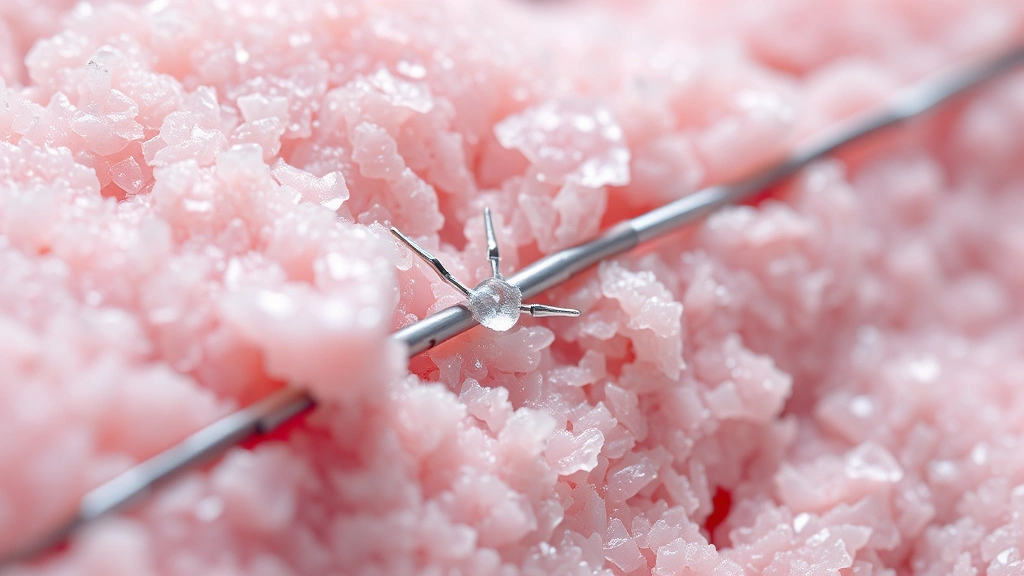
The most common question patients ask is straightforward: how long should dissolvable stitches take to dissolve? The answer typically ranges from five to thirty days, though some specialized sutures can take much longer. Most dissolvable stitches placed in routine surgical procedures will begin showing signs of dissolution within the first two weeks, with complete absorption occurring by week four in many cases.
For oral surgery, such as wisdom teeth extraction or periodontal procedures, dissolvable stitches usually dissolve within seven to fourteen days. This relatively quick timeline makes sense given that the mouth’s moist environment and natural enzymes accelerate the breakdown process. Patients recovering from dental work can typically expect minimal visible stitches by the second week of healing.
In contrast, abdominal surgeries and deeper tissue repairs may utilize dissolvable stitches designed to persist for three to four weeks or longer. These extended-duration sutures allow adequate time for deeper tissues to develop sufficient strength before the sutures completely dissolve. Obstetric procedures, including episiotomy repairs during childbirth, often use dissolvable stitches that absorb within two to three weeks, coinciding with the rapid healing that typically occurs in this context.
Surgeons sometimes layer different types of dissolvable stitches in a single procedure. The outer layer might dissolve quickly while deeper layers persist longer, providing graduated support as different tissue layers heal at different rates. This strategic approach optimizes wound integrity throughout the entire healing process. Your surgeon’s specific choice of suture material directly determines your individual dissolution timeline, making it essential to ask your doctor which type of dissolvable stitches they used during your procedure.
Factors Affecting Dissolution Rate
Multiple variables influence how quickly your dissolvable stitches will break down. Understanding these factors helps explain why your timeline might differ from someone else’s, even if you underwent similar procedures.
Suture Material Composition is the primary determinant of dissolution speed. Plain catgut, derived from animal intestines, dissolves relatively quickly—typically within five to seven days. Chromic catgut, treated with chromium salts, lasts longer, usually seven to fourteen days. Synthetic materials like polyglycolic acid (PGA) dissolve in approximately two weeks, while polydioxanone (PDS) can persist for four to six weeks. Polylactic acid sutures may take even longer, sometimes two to three months, making them suitable for repairs requiring extended support.
The wound location significantly impacts dissolution rates due to local environmental conditions. Moist areas like the mouth dissolve stitches faster due to increased enzymatic activity and moisture. Dry areas on the skin surface dissolve more slowly. Areas with high blood flow experience faster dissolution because increased circulation delivers more enzymes to the suture site. Conversely, areas with poor circulation may show prolonged stitch persistence.
Individual healing capacity varies considerably among patients. Factors including age, overall health status, nutritional status, and immune function all influence how quickly your body breaks down suture material. Younger patients with robust immune systems typically experience faster dissolution. Conversely, patients with compromised immune systems, chronic conditions like diabetes, or those taking immunosuppressive medications may experience slower dissolution rates.
Infection risk and inflammatory response can accelerate dissolution. If inflammation develops around the suture site, increased enzymatic activity may cause faster breakdown. However, this acceleration comes with potential complications, making infection prevention crucial. Maintaining proper wound hygiene reduces unnecessary inflammation and supports normal dissolution timelines.
Tension and movement at the wound site influence dissolution. Areas experiencing significant movement or tension may show faster degradation of stitches due to mechanical stress combined with enzymatic breakdown. This is why immobilizing wounds, when possible, supports optimal healing. For injuries involving joints or areas of natural movement, surgeons may choose sutures designed to persist longer.
Types of Absorbable Sutures
Medical professionals have access to numerous dissolvable suture options, each engineered for specific applications and timeframes. Knowing which type was used in your procedure helps you understand your expected dissolution timeline.
Plain Catgut represents one of the oldest suture materials still in clinical use. Derived from sheep or goat intestines, plain catgut dissolves within five to seven days. Its rapid absorption makes it ideal for tissues that heal quickly, such as oral mucosa or superficial lacerations. However, its unpredictable absorption rate and potential for triggering inflammatory responses have made it less popular in modern surgical practice.
Chromic Catgut undergoes chemical treatment that extends its dissolution period to seven to fourteen days. This treatment reduces the inflammatory response compared to plain catgut while maintaining reasonable absorption rates. It remains useful in dental procedures and superficial repairs where predictable medium-term support is needed.
Polyglycolic Acid (PGA) is a synthetic polymer that dissolves predictably within ten to fourteen days. Its consistent absorption rate and minimal inflammatory response make it popular for many surgical applications. PGA maintains approximately 50% of its tensile strength at two weeks, providing adequate support during critical healing phases.
Polylactic Acid (PLA) dissolves more slowly than PGA, typically persisting six to twelve months. This extended duration makes PLA suitable for procedures requiring prolonged support, such as ligament repairs or certain orthopedic procedures. However, the extended timeline means patients must be aware that visible stitches may persist for several months.
Polydioxanone (PDS) offers extended strength retention, maintaining approximately 70% of tensile strength at two weeks and 50% at four weeks. Complete absorption typically occurs within four to six months. PDS is frequently chosen for deeper tissue closure in major surgeries where extended support is critical during the extended healing phase.
Polyglyconate combines characteristics of PGA and PDS, providing good strength retention with absorption occurring over two to three months. This intermediate timeline makes it suitable for various surgical applications where neither rapid nor extended-duration sutures are ideal.
Wound Care During Dissolution
Proper wound care during the dissolution period significantly influences your healing outcomes and overall recovery experience. Your surgeon should provide specific instructions tailored to your procedure, but these general guidelines apply to most dissolvable stitch situations.
Keep the wound clean and dry during the early healing phase. Gently wash around the stitches with mild soap and water, patting the area dry with clean gauze rather than rubbing. Avoid soaking the wound in water until your surgeon indicates it’s safe. For oral surgery, use salt water rinses as directed, which promote healing without disturbing the stitches.
Avoid strenuous activity during the early healing period. Physical exertion increases blood flow and can create tension at the wound site, potentially affecting the dissolution timeline and causing complications. Most surgeons recommend limiting heavy lifting, intense exercise, and activities that stress the surgical area for at least the first week or two, depending on the procedure’s extent.
Don’t pick or pull at the stitches, even if they appear loose or are partially dissolved. Premature stitch removal can compromise wound integrity before adequate tissue healing has occurred. If stitches feel uncomfortable or seem problematic, contact your healthcare provider rather than attempting self-removal.
Watch for signs of infection, including increasing redness, warmth, swelling, pus, or fever. While some inflammation is normal, excessive or worsening signs warrant immediate medical attention. Infection can accelerate dissolution in unhealthy ways while compromising wound integrity. Early intervention prevents serious complications.
Take prescribed medications as directed, including antibiotics if prescribed. These medications prevent infection and support optimal healing conditions. Even if you feel better, completing the full course ensures maximum protection against infection.
Protect the wound from trauma. Avoid direct impact, friction, or pressure on the healing area. If the wound is on an area prone to friction, your surgeon may recommend protective dressings or specific clothing to minimize irritation.
Maintain proper nutrition to support your body’s healing capacity. Adequate protein, vitamin C, zinc, and other nutrients are essential for collagen synthesis and tissue repair. Proper nutrition directly influences how efficiently your body manages the healing process and handles dissolvable suture breakdown.
When to Contact Your Doctor
While dissolvable stitches are designed to dissolve safely, certain situations warrant professional medical evaluation. Knowing when to contact your surgeon ensures you address potential complications promptly.
Contact your doctor if stitches haven’t begun dissolving within the expected timeframe. While variation exists, significant delay beyond your surgeon’s projected timeline may indicate an issue. Some stitches become encapsulated in scar tissue rather than dissolving, requiring professional removal.
Seek immediate attention for signs of infection, including spreading redness, increasing warmth, drainage of pus, fever, or swollen lymph nodes. Infection represents a serious complication requiring prompt treatment. Don’t wait for infection to resolve on its own.
Contact your surgeon if the wound separates or reopens. Premature stitch dissolution or wound breakdown before adequate healing has occurred requires professional assessment and possible intervention.
Report excessive pain or swelling that worsens rather than improves over time. While some discomfort is normal during healing, progressive worsening suggests complications requiring evaluation.
Seek attention if you experience allergic reactions to the suture material, including unusual itching, rash, or localized swelling around the stitches. While true allergies to dissolvable sutures are rare, they do occur and require medical management.
Contact your doctor if stitches persist significantly beyond the expected dissolution timeframe. While some extended persistence is normal, stitches remaining for months longer than anticipated may need professional removal.
Report any drainage or fluid accumulation around the surgical site. While minor seepage is normal, excessive drainage suggests complications like infection or inadequate wound closure.
Common Misconceptions
Several myths surround dissolvable stitches. Clarifying these misconceptions helps patients understand their recovery more accurately.
Misconception: All dissolvable stitches dissolve on the same timeline. Reality: Dissolution times vary dramatically based on suture material, ranging from days to months. Your surgeon chose a specific type based on your procedure’s requirements, so your timeline is individualized.
Misconception: Dissolvable stitches disappear completely without leaving any trace. Reality: While most of the suture material dissolves, tiny fragments may remain embedded in scar tissue. These fragments typically cause no problems and are harmless. In rare cases, fragments become encapsulated and may require removal.
Misconception: You shouldn’t get dissolvable stitches wet. Reality: Most dissolvable stitches can tolerate water exposure, though you should avoid prolonged soaking during the early healing phase. Your surgeon will provide specific water exposure guidelines based on your procedure.
Misconception: Faster dissolution means better healing. Reality: The ideal dissolution timeline matches your tissue healing rate. Stitches dissolving too quickly before adequate healing occurs can compromise wound integrity, while unnecessarily prolonged persistence serves no benefit.
Misconception: Dissolvable stitches never need removal. Reality: While most dissolve naturally, occasionally stitches persist beyond expected timelines and require professional removal. This is uncommon but possible, particularly with certain suture types.
Misconception: Your body absorbs all dissolvable suture material. Reality: Your body breaks down most of the suture material through enzymatic degradation, but some fragments may persist. The immune system typically encapsulates any remaining material harmlessly.
Misconception: Dissolvable stitches are less strong than non-absorbable stitches. Reality: Modern dissolvable stitches provide excellent tensile strength during the critical early healing phase. They’re specifically engineered to maintain strength when needed while dissolving once healing has progressed sufficiently.
FAQ
How long do dissolvable stitches typically take to dissolve?
Most dissolvable stitches dissolve within five to thirty days, depending on the suture material used. Oral surgery stitches usually dissolve within seven to fourteen days, while abdominal surgery stitches may take three to four weeks. Your surgeon can provide a specific timeline based on the exact suture type used in your procedure.
Can I shower or bathe with dissolvable stitches?
Generally, you can shower with dissolvable stitches, though you should avoid prolonged soaking during the first few days. Pat the wound dry rather than rubbing. For oral surgery, use salt water rinses as directed. Always follow your surgeon’s specific instructions regarding water exposure.
What should I do if my dissolvable stitches aren’t dissolving?
If your stitches haven’t shown signs of dissolution within the expected timeframe, contact your surgeon. Some stitches become encapsulated in scar tissue and may require professional removal. This is uncommon but does occur occasionally.
Is it normal for dissolvable stitches to feel itchy?
Some itching during the healing process is normal as your wound heals. However, avoid scratching or picking at the stitches. If itching is severe or accompanied by rash or swelling, contact your doctor as this may indicate an allergic reaction or infection.
Can dissolvable stitches cause infection?
Dissolvable stitches themselves don’t cause infection, but any surgical wound can become infected if contaminated. Maintain proper wound hygiene, watch for infection signs, and contact your doctor if you notice increasing redness, warmth, drainage, or fever.
What happens to the pieces of dissolving stitches?
As dissolvable stitches break down, your body’s immune system breaks down the suture material through enzymatic degradation. Small fragments may be absorbed or encapsulated by scar tissue. These fragments are harmless and typically cause no problems.
Do dissolvable stitches leave scars like regular stitches?
Scarring depends on the wound characteristics, location, and individual healing factors—not on whether you use dissolvable or non-absorbable stitches. Proper wound care during healing minimizes scarring regardless of stitch type. For cosmetic concerns, consult your surgeon about scar management options.

Related Posts

Superscript in Google Docs: Expert Tips

Strikethrough in Excel: Easy Steps for Beginners
