
Mailing a Letter: Delivery Time Explained
Mailing a Letter: Delivery Time Explained
Understanding how long it takes to mail a letter is essential for anyone who needs to send important documents, bills, or correspondence through the postal system. Whether you’re sending a birthday card across town or a contract across the country, knowing the timeline helps you plan accordingly and avoid missed deadlines. The United States Postal Service (USPS) offers several mailing options with varying delivery speeds, and each comes with its own set of expectations and costs.
The delivery time for a standard letter depends on distance, mail class, processing times, and current postal service conditions. Most domestic letters arrive within 1-3 business days for nearby destinations and 3-7 business days for cross-country mail. However, several factors influence these timelines, and understanding them can help you choose the right mailing option for your needs. This comprehensive guide breaks down everything you need to know about letter delivery times.
Understanding USPS Mail Classes
The United States Postal Service classifies mail into several categories, each with different delivery timeframes and price points. The most common option for personal and business correspondence is First-Class Mail, which serves as the standard for regular letter delivery. However, the USPS also offers Priority Mail, Priority Mail Express, and Media Mail, each designed for different needs and budgets.
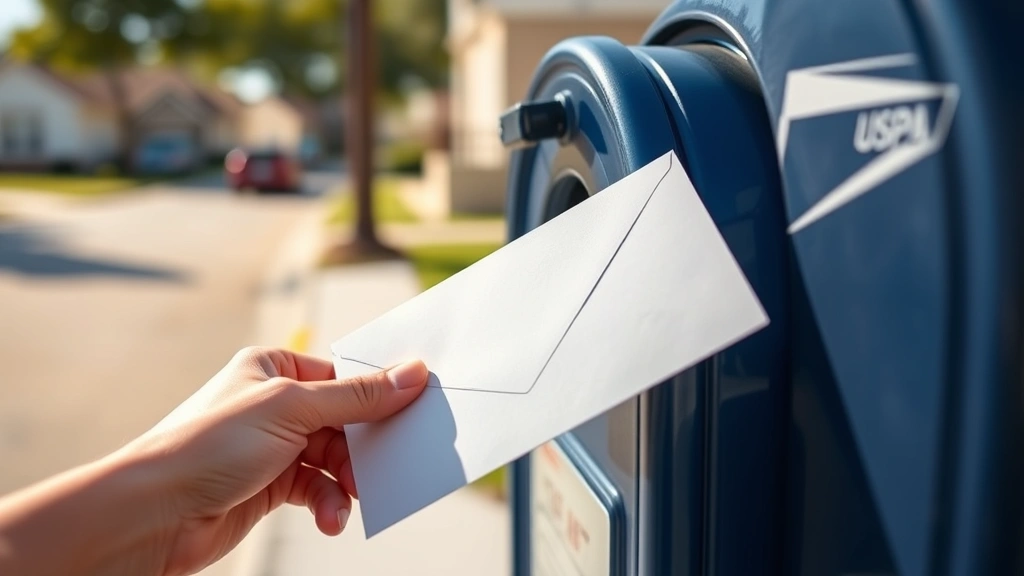
First-Class Mail is the default choice for most letters, postcards, and small packages under 13 ounces. This service typically delivers letters within 1-3 business days for local destinations and 3-7 business days for cross-country mail. The cost is reasonable, making it the most economical option for everyday correspondence. When you drop a letter in a mailbox or hand it to a postal clerk, it’s automatically processed as First-Class Mail unless you specify otherwise.
Understanding these different mail classes helps you make informed decisions about which service best fits your timeline and budget. If you need guaranteed faster delivery, exploring additional resources on planning and timing can help you understand all your options.
First-Class Mail Delivery Times
First-Class Mail remains the most popular mailing option for standard letters, and knowing its delivery timeline is crucial for planning. The USPS guarantees that First-Class Mail will be delivered within 1-3 business days for local mail and 3-7 business days for longer distances. However, these timeframes are estimates, not guarantees, and actual delivery can sometimes take longer depending on various circumstances.
For letters traveling short distances—typically within the same city or metro area—you can expect delivery within 1-2 business days. Regional mail covering distances up to 300 miles usually arrives within 2-3 business days. Cross-country mail and letters traveling over 300 miles may take 3-7 business days, depending on the starting and ending zip codes. These timelines assume normal processing conditions and no unexpected delays.
The actual processing begins the moment you drop your letter in a mailbox or hand it to a postal worker. The mail is collected, sorted at the local post office, and then transported through the regional sorting facilities before reaching the destination post office for final delivery. This multi-step process is why even local mail takes at least one business day to arrive.
Priority Mail and Express Options
When standard First-Class Mail isn’t fast enough, the USPS offers Priority Mail and Priority Mail Express as faster alternatives. Priority Mail Express is the fastest domestic mailing option available, guaranteeing delivery within 1-2 business days to most destinations. This premium service includes tracking, signature confirmation options, and insurance coverage up to $100, making it ideal for time-sensitive documents or valuable items.
Priority Mail falls between First-Class and Express in terms of speed and cost. This service typically delivers letters within 1-3 business days, with guaranteed delivery timeframes depending on the destination. Priority Mail includes tracking at no additional cost and can be a good middle ground when you need faster delivery than First-Class Mail but don’t require the premium speed of Express service.
Both of these faster options are more expensive than First-Class Mail, but they provide greater reliability and faster delivery. If you’re sending important documents that can’t wait, these services are worth the additional investment. The USPS website allows you to check specific delivery timeframes based on your origin and destination zip codes before you mail your letter.
Factors Affecting Delivery Speed
Several factors can influence how long your letter takes to reach its destination, even within the same mail class. Understanding these variables helps set realistic expectations for mail delivery timelines and explains why some letters arrive faster than others. Distance is the most obvious factor—local mail naturally travels faster than cross-country correspondence—but many other elements play important roles.
The time of day you mail your letter significantly impacts when processing begins. If you drop a letter in a mailbox after the last collection time of the day, it won’t be collected until the next collection run, effectively adding a full day to the delivery timeline. For time-sensitive mail, handing your letter directly to a postal clerk during business hours ensures immediate processing. Weekends and federal holidays also affect delivery times, as the postal service doesn’t deliver on these days.
Weather conditions, especially severe storms or natural disasters, can cause significant delays in mail processing and transportation. During peak holiday seasons, like December, mail volume increases dramatically, potentially slowing down delivery for all mail classes. The condition of the address on your envelope matters too—illegible addresses or missing zip codes can cause delays as postal workers attempt to decipher the destination or route the mail correctly.
Mail processing capacity at local sorting facilities also influences delivery speed. During high-volume periods, even First-Class Mail may take longer to process through the system. Additionally, the route the mail takes through the postal network depends on the origin and destination locations. Mail traveling between major hubs typically moves faster than mail going to rural areas, which may require additional handling and transportation.
How to Track Your Mailed Letters
For most standard First-Class Mail letters, tracking options are limited compared to packages. However, you can request special services that provide tracking capabilities. USPS Informed Delivery is a free service that shows you notifications when mail is expected to arrive at your address, giving you a general idea of what to expect each day. This service doesn’t provide real-time tracking of individual letters, but it helps you anticipate delivery.
If you need actual tracking for a letter, consider using Priority Mail or Priority Mail Express, both of which include tracking numbers. These services allow you to monitor your mail’s progress through the postal system in real-time on the USPS website. You can enter your tracking number and see when your letter was processed at various facilities and when it’s out for delivery.
For important documents, you might also consider Certified Mail, which provides proof of mailing and delivery. This service includes a receipt at the time of mailing and a signature confirmation at delivery, creating an official record that your letter was sent and received. While more expensive than standard First-Class Mail, Certified Mail offers peace of mind for critical correspondence.
If you’re concerned about a letter’s arrival, you can also contact your local post office directly. Postal workers can sometimes provide information about whether your mail has been processed at their facility, though they may not be able to track it through the entire system. Building a relationship with your local postal staff can be helpful for resolving delivery concerns.
Tips for Faster Letter Delivery
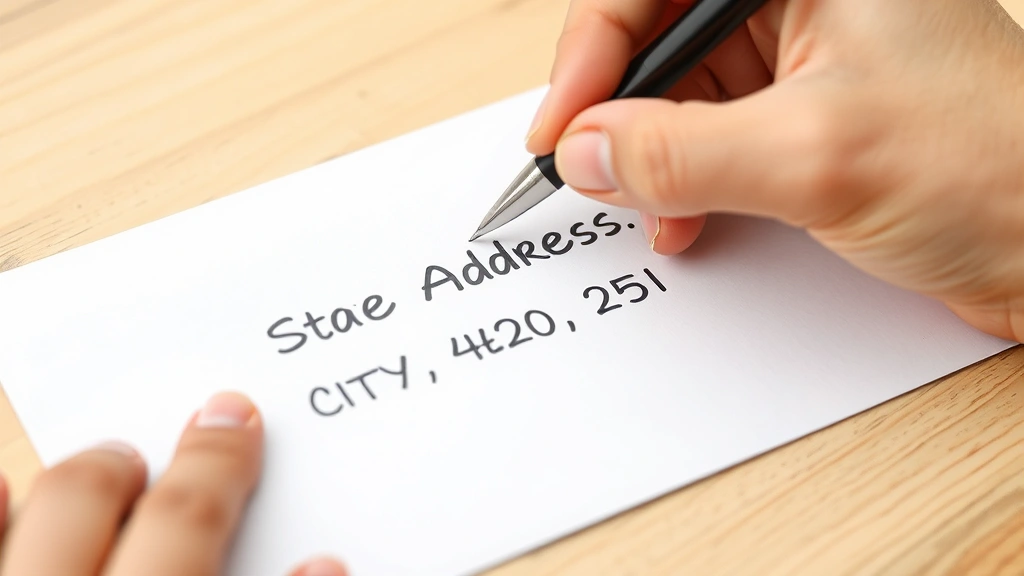
Several practical strategies can help ensure your letters arrive as quickly as possible within the postal system. The most important tip is to use clear, legible handwriting or printed addresses on your envelopes. Illegible addresses force postal workers to spend time trying to decipher the destination, which delays processing. Always include the complete address with street number, street name, city, state, and zip code. Using the correct zip code is especially critical, as it determines the routing path through the postal network.
Mail your letters early in the day, preferably before the last collection time at your mailbox or post office. This ensures your mail enters the system immediately and begins processing right away. If you’re mailing from a mailbox, check the collection schedule posted on the box to know when your mail will be picked up. For time-sensitive mail, hand your letter directly to a postal clerk at the post office, which guarantees immediate processing.
Consider using Priority Mail for important correspondence when standard First-Class Mail delivery times aren’t acceptable. The small additional cost often provides significant peace of mind and faster, more reliable delivery. For business correspondence, establishing a regular mailing routine and using Priority Mail for time-sensitive documents creates a professional system that minimizes delays.
Avoid mailing letters on Fridays if they need to arrive early the following week, since weekend delays can extend delivery times. If possible, mail on Tuesdays, Wednesdays, or Thursdays to ensure your letter processes through the system without weekend interruptions. During holiday seasons, mail even earlier to account for increased volume and potential delays in the system.
Common Delays and Solutions
Despite the postal service’s efficiency, delays do occur. Understanding common reasons for slow delivery helps you troubleshoot issues and find solutions. Incorrect or incomplete addresses are among the most common causes of delays, as mail must be returned to the sender or manually sorted to find the correct destination. Always double-check addresses before sealing your envelope, and include apartment numbers, suite numbers, or other identifying information that helps postal workers find the recipient.
Address changes can cause significant delays if the recipient has recently moved. If you’re unsure about someone’s current address, verify it before mailing. The postal service provides mail forwarding services, but letters may experience delays while being redirected to the new address. For important correspondence to someone who recently moved, contact them directly to confirm their current address.
Weather-related disruptions, especially during winter storms or natural disasters, can halt mail processing and transportation. During these events, the postal service prioritizes safety and may temporarily suspend service in affected areas. While these delays are usually temporary, they can add several days to delivery times. If you’re expecting important mail during severe weather, be patient and allow extra time for delivery.
Damaged mail that becomes illegible during processing may be held for additional inspection or returned to the sender. Protecting your envelope during preparation and mailing reduces this risk. Use quality envelopes, ensure your address is waterproof or protected, and avoid over-stuffing envelopes that might burst during sorting.
If your letter doesn’t arrive within the expected timeframe, contact your local post office with details about the mailing. Provide the date you mailed it, the recipient’s address, and any special circumstances. Postal workers can check their systems to see if the letter has been processed and may be able to locate it if it’s stuck somewhere in the system. For mail sent via Priority Mail or Express, use the tracking number to determine where your letter currently is in the delivery process.
Understanding these common issues empowers you to troubleshoot problems and take preventive measures. Proper addressing, careful envelope preparation, and choosing the right mail class for your needs significantly reduce the likelihood of delays. When issues do occur, knowing how to address them quickly minimizes disruption to your important correspondence.
FAQ
How long does it take to mail a letter across the country?
A First-Class Mail letter typically takes 3-7 business days to travel across the country, depending on the starting and ending zip codes and current postal conditions. Priority Mail Express guarantees delivery within 1-2 business days nationwide, while standard Priority Mail usually arrives within 1-3 business days.
Can I track a regular First-Class Mail letter?
Standard First-Class Mail letters don’t include tracking by default. However, you can use USPS Informed Delivery for general delivery notifications, or upgrade to Priority Mail, Priority Mail Express, or Certified Mail, which all include tracking capabilities. These upgraded services allow you to monitor your mail’s progress through the postal system.
What time do I need to mail a letter for same-day processing?
You must mail your letter before the last collection time at your mailbox or before your post office closes. Collection times vary by location, typically occurring once or twice daily at mailboxes. For guaranteed same-day processing, visit your post office during business hours and hand your letter directly to a postal clerk before closing time.
Does mailing a letter on Friday delay delivery?
Mailing on Friday doesn’t necessarily delay delivery, but it may result in longer overall delivery times since your letter won’t process through the weekend. If your letter needs to arrive early the following week, mailing on Tuesday, Wednesday, or Thursday ensures processing without weekend interruptions.
How do I know if my letter was delivered?
For standard First-Class Mail, delivery confirmation is difficult without requesting special services. USPS Informed Delivery provides notifications of expected mail arrival, but not confirmation of actual delivery. For confirmation, use Certified Mail, which requires the recipient’s signature, or upgrade to Priority Mail Express, which includes tracking.
What should I do if my letter doesn’t arrive on time?
If your letter doesn’t arrive within the expected timeframe, contact your local post office with details about when and where you mailed it. For Priority Mail or Express, use the tracking number to check its status. Postal workers can investigate and may be able to locate your letter if it’s delayed in the system.

Related Posts

Superscript in Google Docs: Expert Tips

Strikethrough in Excel: Easy Steps for Beginners
