

Learn Korean: Say Thank You with Expert Tips
Learn Korean: Say Thank You with Expert Tips
Expressing gratitude is one of the most important social skills you can develop when learning a new language. In Korean culture, saying thank you goes beyond simple politeness—it reflects respect, humility, and genuine appreciation for others. Whether you’re traveling to South Korea, connecting with Korean friends, or simply expanding your linguistic abilities, mastering the various ways to say thank you in Korean will significantly enhance your cultural competence and interpersonal relationships.
The Korean language offers multiple expressions of gratitude, each suited to different contexts and levels of formality. Understanding when and how to use these phrases demonstrates cultural awareness and respect for Korean traditions. This comprehensive guide will walk you through the most essential Korean thank you expressions, pronunciation tips, cultural context, and practical applications that will help you navigate social situations with confidence and authenticity.
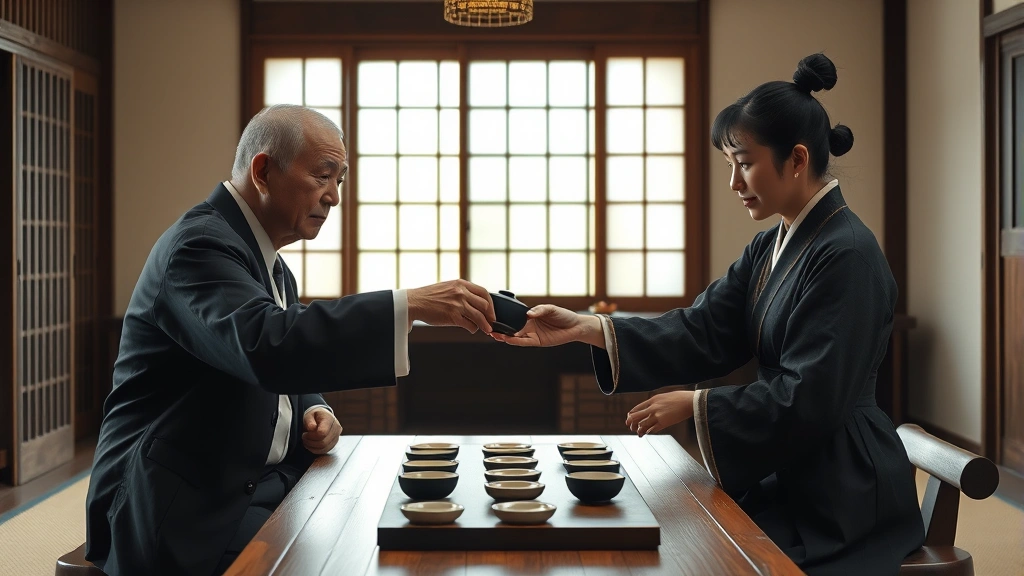
The Basic Korean Thank You: 감사합니다
The most fundamental and widely recognized way to say thank you in Korean is 감사합니다 (gam-sa-hap-ni-da). This is the formal, polite expression that works in virtually any situation—from casual interactions to professional settings. Breaking down the pronunciation: “gam” rhymes with “mom,” “sa” sounds like “saw,” and “hap-ni-da” flows as one unit with emphasis on the first syllable of that final part.
When you use 감사합니다, you’re employing the standard polite form that demonstrates respect without being overly formal or stiff. This phrase is perfect for thanking restaurant staff, store clerks, taxi drivers, or anyone providing a service. It’s also appropriate when meeting someone’s parents for the first time or in professional business contexts. The beauty of this expression lies in its versatility—it’s neither too casual nor excessively formal, making it your safest bet when you’re uncertain about the appropriate level of politeness.
Another common variation is 감사해요 (gam-sa-hae-yo), which is slightly less formal than 감사합니다 but still respectful. This version is perfect for casual conversations with acquaintances, younger people, or peers. You’ll hear this phrase frequently in everyday Korean interactions, from thanking a friend for helping you move to expressing appreciation to a colleague at work.
Learning to pronounce these phrases correctly involves understanding Korean vowel sounds. The “a” in Korean is pronounced like the “a” in “father,” while “e” sounds like the “e” in “bed.” Practice saying these sounds slowly and deliberately until they become natural. Many language learners find it helpful to listen to native Korean speakers pronounce these phrases through language learning platforms to develop an authentic accent.

Informal Ways to Express Gratitude
When you’re among friends, family members, or people your own age, using formal expressions might seem unnecessarily stiff. This is where informal Korean thank you phrases become invaluable. 고마워 (go-ma-wo) is the casual, intimate way to say thank you that you’d use with close friends, siblings, or family members. This phrase carries warmth and familiarity without sacrificing politeness.
There’s also 고마워요 (go-ma-wo-yo), which sits between formal and informal—it’s casual enough for friends but still maintains a respectful tone. This version is particularly useful when you’re developing new friendships or want to be friendly while remaining appropriately respectful. You might use this when thanking a classmate for sharing notes or a coworker for covering your shift.
For the most casual situations among very close friends, 고마 (go-ma) works, though this is quite informal and should only be used with people you’re very comfortable with. Similarly, 고마워, 진짜 (go-ma-wo, jin-jja) means “thanks, really” and adds emphasis and genuine warmth to your gratitude.
Understanding the nuances between formal and informal expressions helps you navigate Korean social hierarchies appropriately. Using too formal an expression can create distance, while being too casual might seem disrespectful. The key is reading your social environment and adjusting accordingly. If you’re just starting to learn how to express emotions in new languages, Korean gratitude is an excellent foundation.
Formal and Polite Expressions
In professional environments, formal dinners, or when meeting someone of higher social status, you’ll want to employ more formal expressions of gratitude. 감사하겠습니다 (gam-sa-ha-get-seup-ni-da) is an exceptionally polite form that expresses gratitude while also showing deep respect. This phrase is often used in business presentations, formal letters, or when thanking someone significantly older or of higher status.
Another highly formal option is 대단히 감사합니다 (dae-dan-hi gam-sa-hap-ni-da), which means “thank you very much” with considerable emphasis. The word “대단히” (dae-dan-hi) adds intensity and sincerity to your gratitude. Use this when someone has done something exceptional for you or in situations requiring extra formality.
For written communication, particularly in emails or formal letters, 감사의 말씀을 전합니다 (gam-sa-ui mal-sseum-eul jeon-hap-ni-da) translates to “I convey words of gratitude” and represents the most formal written expression. This phrase demonstrates your serious appreciation and is appropriate for thanking a mentor, professor, or business associate in a formal written context.
The distinction between these formal levels matters in Korean culture. Using the appropriate level of formality shows cultural competence and respect for social hierarchies. If you’re learning Korean professionally or planning extended stays in Korea, mastering these formal expressions will significantly enhance your credibility and relationships. It’s similar to how learning greetings in different languages requires understanding cultural context.
Context-Specific Thank You Phrases
Beyond standard gratitude expressions, Korean offers specialized thank you phrases for specific situations. 잘 먹겠습니다 (jal meok-get-seup-ni-da) and 잘 먹었습니다 (jal meok-eot-seup-ni-da) are used before and after meals respectively. These phrases literally mean “I will eat well” and “I ate well,” but they function as thank you expressions to your host or the person preparing the meal. Using these phrases demonstrates appreciation for the food and effort involved in meal preparation.
When someone helps you with something, 도와줘서 고마워 (do-wa-jwo-seo go-ma-wo) specifically means “thanks for helping me.” This targeted phrase shows that you recognize the specific action of assistance. Similarly, 선물을 고마워요 (seon-mul-eul go-ma-wo-yo) means “thanks for the gift,” acknowledging the specific gesture of generosity.
For thanking someone for their time or attention, 시간을 내 줘서 감사합니다 (si-gan-eul nae jwo-seo gam-sa-hap-ni-da) means “thank you for taking time for me.” This phrase is particularly useful in professional settings when someone has prioritized you despite their busy schedule. In customer service contexts, 이용해 주셔서 감사합니다 (i-yong-hae joo-syeo-seo gam-sa-hap-ni-da) means “thank you for using our service” and is commonly heard in Korean businesses.
Pronunciation Guide and Common Mistakes
Proper pronunciation is essential for being understood and demonstrating respect. The most common mistake English speakers make is mispronouncing the “r” sound in Korean, which doesn’t exist in English. Korean “r” is actually a light “l” sound, almost like a quick tap of the tongue. In “감사합니다,” the consonants are crisp and clear, not soft like in English.
Another frequent error involves the vowel sounds. Korean has 10 basic vowels, and vowel quality is crucial for meaning. The “a” sound in “감사” must be pronounced distinctly from the “e” sound. Practice these separately: say “gam” (rhymes with “mom”) and “gae” (rhymes with “bay”) repeatedly until you can distinguish between them clearly.
The final consonant clusters in Korean, called “받침” (batchim), require special attention. In “감사합니다,” the “m” at the end of “감” affects how the next syllable sounds. This is why native pronunciation recordings are invaluable—your ear needs to learn these subtle distinctions that don’t exist in English phonetics.
Tone is generally not phonemic in Korean (unlike Mandarin Chinese), but intonation matters for politeness. When saying thank you, use a slightly higher, warmer pitch than you would in English. This conveys genuine appreciation rather than mechanical politeness. Record yourself saying these phrases and compare your pronunciation to native speakers using resources like YouTube Korean language channels or language learning apps.
Cultural Nuances in Korean Gratitude
Understanding the cultural context behind Korean expressions of gratitude enriches your language learning experience. In Korean culture, gratitude is deeply connected to respect and social harmony. The way you express thanks reflects your understanding of your position relative to the person you’re thanking. This is why multiple levels of formality exist—they’re not merely linguistic variations but cultural necessities.
Korean culture emphasizes “jeong” (정), a deep emotional connection and sense of obligation in relationships. When you express gratitude, you’re acknowledging this emotional bond and your indebtedness to the other person. This explains why Koreans often accompany verbal thanks with physical gestures like bowing slightly or placing their hand over their heart. These non-verbal cues enhance your spoken gratitude and demonstrate cultural awareness.
In Korean business culture, expressing gratitude is particularly important for building and maintaining relationships. A simple thank you email sent after a meeting or business transaction can significantly strengthen professional relationships. Koreans value this attention to courtesy and consideration, viewing it as essential to trustworthy business practices.
Additionally, Korean culture distinguishes between different types of gratitude. Thanking someone for a small favor might use a lighter, more casual tone, while thanking someone for a significant sacrifice or life-changing help requires deeper, more heartfelt expression. The phrase you choose communicates not just “thank you” but also your assessment of the magnitude of what the other person has done for you.
Understanding these nuances helps you avoid the common mistake of treating language learning as merely memorizing vocabulary. Language is culture, and expressing gratitude authentically means grasping the values and social structures that shape how Koreans communicate. This holistic approach to language learning mirrors how we approach other skill-based guides like learning practical how-to skills—understanding the “why” behind techniques makes execution more effective.
Responding to Thank You in Korean
Language learning isn’t one-directional; you also need to know how to respond when someone thanks you. The most common response is 아니에요 (a-ni-e-yo), which literally means “it’s nothing” or “don’t mention it.” This humble response is appropriate in casual contexts and shows that you don’t expect special recognition for your kindness.
In more formal situations, 천만에요 (cheon-man-e-yo) serves as the polite equivalent, meaning “you’re welcome” or literally “it’s nothing to worry about.” This response maintains the respectful tone appropriate for formal interactions. Another formal option is 별말씀을 다 하세요 (byeol-mal-sseum-eul da ha-se-yo), which means “please don’t mention it” and is commonly used in professional settings.
For very close friends, you might respond with 괜찮아 (gwae-ncha-na), a casual way of saying “it’s fine” or “no problem.” This response is warm and dismissive of the need for thanks, reinforcing your closeness and the casual nature of the favor. Understanding these responses completes your conversational ability and allows you to engage in natural back-and-forth exchanges.
When someone offers extensive thanks or apologies for inconvenience, a warm response like 정말 괜찮습니다 (jeong-mal gwae-ncha-seup-ni-da), meaning “really, it’s fine,” shows genuine kindness and reassurance. This response is particularly important in Korean culture, where people often apologize extensively and express gratitude profusely. Your gracious response helps ease their worry and reinforces the positive relationship.
FAQ
What’s the most common way to say thank you in Korean?
감사합니다 (gam-sa-hap-ni-da) is the most universally recognized and frequently used way to say thank you in Korean. It works in nearly any situation and is appropriate for both formal and casual contexts. If you only learn one phrase, this should be it.
Can I use informal thank you with everyone?
No, using informal expressions like 고마워 (go-ma-wo) with people you don’t know well or those of higher status can seem disrespectful. Always start with formal expressions and only switch to informal when the other person indicates it’s appropriate or when you’re clearly among close friends or family.
How do I know which level of formality to use?
Consider your relationship to the person, the setting, and their age or status. Use formal expressions with strangers, older people, people of higher status, and in professional contexts. Use casual expressions with close friends, family members, and peers your own age. When in doubt, err on the side of being more formal—it’s easier to become less formal as a relationship develops.
Are there regional differences in how Koreans say thank you?
While the standard phrases covered here are understood throughout Korea, there are some regional dialect variations. However, these standard expressions are universally understood and appropriate everywhere in Korea. Learning the standard forms ensures you’ll be understood and appreciated regardless of where you travel.
Should I bow when saying thank you in Korean?
A slight bow or head nod while saying thank you shows additional respect and is particularly appropriate in formal situations or when expressing deep gratitude. However, in casual, everyday contexts, verbal thanks alone is sufficient. Observe what native Koreans do in similar situations and mirror their behavior.
How can I practice Korean thank you expressions?
Use language learning apps, watch Korean dramas and films to hear natural pronunciation, practice with native speakers through language exchange platforms, and record yourself speaking to compare with native speakers. Consistent, active practice is essential for developing authentic pronunciation and natural delivery.

Related Posts

Superscript in Google Docs: Expert Tips

Strikethrough in Excel: Easy Steps for Beginners
