
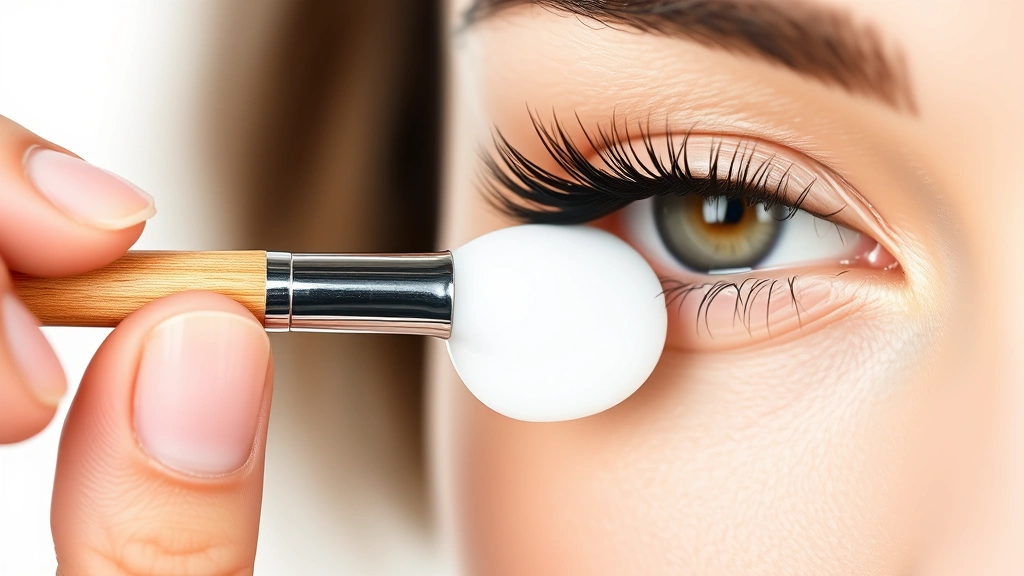
Safely Remove Eyelash Extensions: Expert Tips
How to Safely Remove Eyelash Extensions: Expert Tips and Techniques
Eyelash extensions have become a popular beauty enhancement, offering fuller, longer lashes without the daily application of mascara. However, the process of removing them safely is just as important as getting them applied professionally. Improper removal can damage your natural lashes, causing breakage, loss, and irritation to the delicate eye area. Whether you’re looking to remove extensions at home or understand what to expect during professional removal, this comprehensive guide will walk you through the safest methods and best practices.
Many people don’t realize that eyelash extensions require careful maintenance and eventual removal. The adhesive used to bond extensions to natural lashes is designed to last several weeks, but it will eventually break down. When it’s time for removal, taking the wrong approach can result in painful consequences. This guide covers everything from professional removal options to safe at-home techniques, helping you protect your natural lashes while achieving the look you want.
Understanding Eyelash Extension Adhesive
Before attempting to remove eyelash extensions, it’s essential to understand what you’re working with. Professional lash technicians use cyanoacrylate-based adhesives, the same type found in super glue products. This adhesive creates a strong bond between the extension and your natural lash, and it’s specifically formulated to resist moisture and daily wear. The bond strengthens over the first 24 hours after application and remains stable for 4-6 weeks, depending on your natural lash growth cycle and maintenance.
The adhesive breaks down gradually as your natural lashes shed and new ones grow in. This is why extensions don’t last indefinitely and why regular fills are necessary. Understanding this chemistry is crucial because it explains why certain removal methods work better than others. Oil-based products are particularly effective because they break down the cyanoacrylate bonds without damaging your skin or natural lashes. Water alone won’t work effectively, and trying to manually pull extensions off can be disastrous.
Different brands of adhesive may have slightly different formulations, but they all operate on the same principle. If you had your extensions applied by a professional, ask them which adhesive brand was used, as this information can help you choose the most effective removal method. Some premium adhesives are more resistant and may require longer soaking times or stronger removal solutions.
Professional Removal vs. At-Home Methods
The safest option for removing eyelash extensions is always professional removal by a trained lash technician. When you visit a salon, the technician uses professional-grade removal solutions that are specifically formulated to dissolve the adhesive without damaging natural lashes. These solutions are typically stronger than anything available for home use and work much more efficiently. Professional removal usually takes 15-30 minutes and leaves your natural lashes intact and healthy.
However, professional removal comes with a cost, typically ranging from $20 to $60 depending on your location and salon. Additionally, not everyone has easy access to a lash technician, especially if they had extensions applied elsewhere or are between appointments. This is where safe at-home removal becomes an attractive alternative. While at-home methods require more patience and care, they can be effective when done properly.
At-home removal methods generally fall into two categories: oil-based approaches and specialized removal products. Both can work well, but they require careful application and patience. The key difference is that professional solutions work faster and more thoroughly, while at-home methods require longer soaking times and more careful handling. If you’re concerned about damaging your natural lashes, professional removal is worth the investment. However, if you’re comfortable following detailed instructions and have time to dedicate to the process, at-home removal can be successful.
Before deciding between professional and at-home removal, consider your natural lash health, the condition of the extensions, and how much time you can dedicate to the process. If your lashes are already weak or damaged, professional removal is strongly recommended. If your extensions are partially grown out or coming loose on their own, at-home removal may be more practical.

Step-by-Step At-Home Removal Process
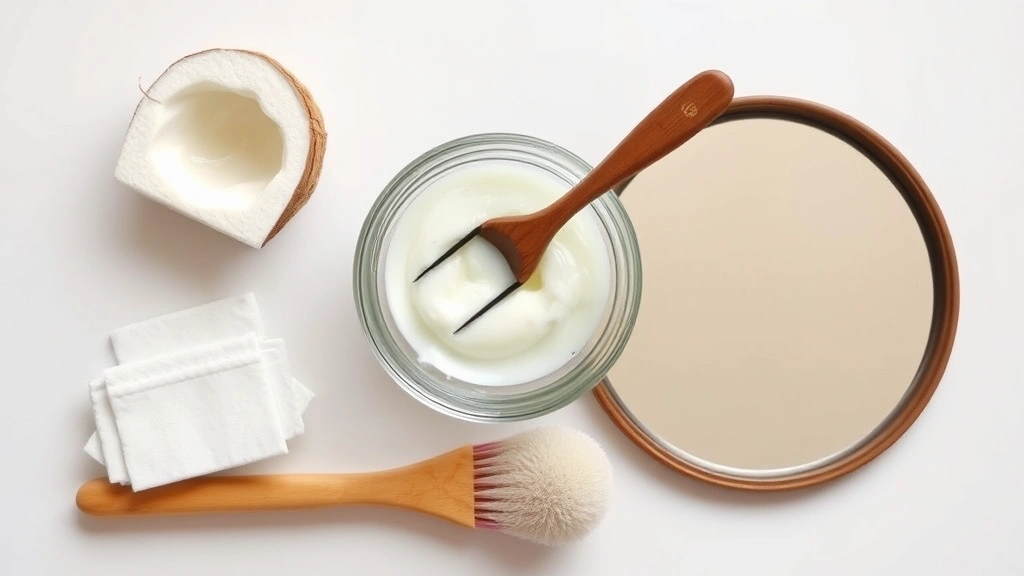
If you’ve decided to remove your eyelash extensions at home, follow this detailed process to ensure safety and effectiveness. Start by gathering all necessary materials: coconut oil or another oil-based product, a clean spoolie brush (the brush from an old mascara wand works perfectly), cotton pads, a small bowl, and a mirror. Having everything prepared before you start prevents fumbling around with your eyes closed.
Begin by thoroughly washing your face with a gentle cleanser and patting your skin completely dry. Any moisture or residual makeup can interfere with the oil’s ability to dissolve the adhesive. Once your face is dry, pour a small amount of coconut oil into a clean bowl. Dip your spoolie brush into the oil and gently apply it along the lash line where the extension bonds meet your natural lashes. Use a gentle wiggling motion rather than pulling, allowing the oil to penetrate the adhesive.
Let the oil sit for 5-10 minutes to allow it to break down the adhesive bonds. During this waiting period, avoid touching your eyes or rubbing them. The oil needs time to work its magic on the cyanoacrylate adhesive. After the waiting period, use your spoolie brush to gently comb through your lashes, starting at the roots and moving toward the tips. You should feel the extensions becoming looser as the adhesive dissolves.
Once the extensions feel loose enough, you can gently roll them off your natural lashes using your fingertips or the spoolie brush. Never pull forcefully or jerk the extensions away from your lash line. If they’re not coming off easily, apply more oil and wait another 5 minutes. Patience is absolutely critical during this step. It may take 20-30 minutes total, but rushing the process risks damaging your natural lashes.
After removing all the extensions, use cotton pads to wipe away excess oil from your lashes and eyelids. Then wash your face again with a gentle cleanser to remove all oil residue. This prevents oil from sitting on your skin and potentially causing breakouts. Pat your face dry and inspect your natural lashes for any damage or irritation.
Using Oil-Based Products Safely
Oil-based products are your best friend when removing eyelash extensions at home. Coconut oil is the most popular choice because it’s readily available, affordable, and highly effective at breaking down cyanoacrylate adhesive. Other effective options include baby oil, castor oil, olive oil, and even makeup remover oils designed for sensitive skin. The key is ensuring the product is actually oil-based and not water-based.
When selecting an oil product, avoid anything with added fragrances or irritants if you have sensitive eyes. Pure coconut oil or baby oil are your safest bets. Some people worry about using oil near their eyes, but when applied carefully and rinsed thoroughly afterward, oils are completely safe and actually beneficial for lash health. In fact, many professional lash aftercare products contain oils to nourish natural lashes.
The application technique matters significantly when working with oils. Never pour oil directly into your eye or apply it carelessly. Instead, use a clean spoolie brush or cotton swab to apply oil precisely to the adhesive bonds. This targeted application prevents excess oil from entering your eye while ensuring the adhesive gets proper coverage. If oil does get into your eye, it won’t cause damage, but it will be uncomfortable, so precision is important for comfort as well as effectiveness.
One advantage of oil-based removal is that it conditions your natural lashes while dissolving the adhesive. Oils penetrate the hair shaft and provide moisture, which is especially beneficial after weeks of wearing extensions. This makes oil-based removal gentler than some alternative methods. However, be aware that oils can take longer to work than professional removal solutions, sometimes requiring 30-45 minutes of total soaking and gentle combing.
After using oils for removal, make sure to thoroughly cleanse your lashes and eyelids. Use a gentle makeup remover or facial cleanser to break down the oil residue. You may need to cleanse twice to ensure all oil is removed. Leaving oil residue on your lashes can actually prevent your natural lashes from breathing properly and may cause irritation.
Aftercare and Lash Recovery
After successfully removing your eyelash extensions, your natural lashes need time to recover. The extension process, while safe when done properly, puts stress on natural lashes. Aftercare during the recovery period is crucial for maintaining healthy, strong natural lashes. Most natural lashes recover completely within 2-4 weeks if proper care is taken during this time.
During the first week after removal, avoid wearing mascara or applying any products to your lashes. Your natural lashes are in a vulnerable state, and additional weight or chemicals can cause further damage. If you absolutely must wear mascara, choose a lightweight, nourishing formula designed for lash recovery. Better yet, use this time to give your lashes a break and let them breathe naturally.
Invest in a quality lash serum or conditioning treatment specifically designed to promote lash health and growth. These products typically contain biotin, peptides, and nourishing oils that strengthen lashes and encourage healthy growth. Apply the serum according to product instructions, usually once or twice daily along the lash line. Consistent use can significantly speed up recovery and prevent future lash loss.
Be extremely gentle when cleansing your face during the recovery period. Avoid rubbing your eyes or pulling at your natural lashes. Use a soft, gentle touch when washing your face, and pat your eye area dry rather than wiping. If you wear contact lenses, be extra careful when inserting and removing them, as this can put additional stress on recovering lashes.
Nutrition also plays a role in lash recovery. Ensure you’re getting adequate protein, biotin, and other nutrients that support hair growth. If you’re interested in learning about maintaining healthy habits, proper nutrition is foundational. Consider taking a biotin supplement during the recovery period, as this vitamin is specifically known to support hair and nail health.
Avoid swimming, hot tubs, and excessive steam during the first week after removal. These environments can introduce bacteria and moisture to your vulnerable lashes, potentially causing infection or further damage. Also avoid sleeping face-down on your pillow, as this puts pressure on your recovering lashes. Sleep on your back or use a silk pillowcase to minimize friction.
Common Mistakes to Avoid
Many people damage their natural lashes during the removal process by making preventable mistakes. The most common error is pulling or picking at extensions before the adhesive has been properly dissolved. This is incredibly damaging because it can remove multiple natural lashes along with the extension. No matter how loose an extension feels, never force it off. If it’s not coming off easily with gentle pressure, apply more oil or solution and wait longer.
Another frequent mistake is using water-based products instead of oil-based ones. Some people try to remove extensions using makeup remover wipes or water, which simply don’t work on cyanoacrylate adhesive. This leads to frustration and often to pulling and picking, which damages lashes. Always use oil-based products specifically, as these are the only at-home products effective enough to dissolve the adhesive.
Rushing the removal process is another critical mistake. People often become impatient and try to remove extensions before the adhesive has been sufficiently dissolved. This impatience leads to pulling, jerking, and other damaging techniques. Set aside adequate time for removal—at least 30-45 minutes—and commit to being patient throughout the process. Your natural lash health is worth the extra time.
Using too much force when combing through lashes is also damaging. The spoolie brush should glide gently through your lashes, not scrub or pull at them. If you’re meeting resistance, more oil is needed, not more force. Think of the brush as a gentle tool for guiding extensions off, not for pulling them out.
Some people make the mistake of attempting removal when their eyes are tired or irritated. If your eyes are already uncomfortable, the removal process becomes more difficult and risky. Choose a time when you’re well-rested and your eyes feel good. This makes the process easier and safer.
Finally, avoid using any harsh chemicals or non-approved products for removal. Some people try rubbing alcohol, acetone, or other solvents thinking these will work better. These chemicals are dangerous near your eyes and can cause serious damage to your eye tissue and natural lashes. Stick to gentle, oil-based products that are safe for the delicate eye area.
When to Seek Professional Help
There are several situations where professional removal is the better choice than attempting at-home removal. If your natural lashes are already weak, thin, or experiencing loss, professional removal is strongly recommended. A trained technician has the expertise and professional-grade tools to remove extensions with minimal risk to compromised lashes.
If you have sensitive eyes or a history of eye infections, professional removal is safer. Technicians work in controlled environments with sterile tools and professional solutions that are less likely to cause irritation. Additionally, if you experience any eye pain, redness, or discharge during the removal process, stop immediately and seek professional help. These symptoms indicate potential complications that require expert attention.
If you’ve attempted at-home removal and it’s not working, or if you’ve caused any damage to your natural lashes, visit a professional immediately. A technician can assess the damage and remove remaining extensions safely. Continuing to struggle with problematic removal will only make the situation worse.
People with certain eye conditions, such as blepharitis or other eyelid inflammation, should always seek professional removal. These conditions make the eye area more sensitive and prone to complications. Similarly, if you’re pregnant, nursing, or have compromised immune function, professional removal is the safer choice.
Another situation warranting professional help is if you don’t have time for proper at-home removal. If you’re in a hurry and can’t dedicate 30-45 minutes to patient, careful removal, it’s better to pay for professional removal than to risk damaging your lashes by rushing. Your natural lash health is an investment worth protecting.
Additionally, if you’re unsure about whether you’re removing extensions correctly or if you have questions about the process, consulting with a professional lash technician is worthwhile. They can provide personalized advice based on your specific situation and lash condition. Many technicians offer consultations at no charge or minimal cost.
FAQ
How long does it take to remove eyelash extensions at home?
At-home removal typically takes 30-45 minutes when done properly. This includes the initial application of oil, the waiting period for adhesive dissolution, gentle combing and removal of extensions, and final cleansing. Professional removal is faster, usually taking 15-30 minutes, because technicians use stronger solutions and have more experience.
Can I use regular coconut oil from my kitchen?
Yes, regular coconut oil from your kitchen pantry works perfectly for removing eyelash extensions. Make sure it’s pure coconut oil without added ingredients, fragrances, or preservatives. Organic, virgin coconut oil is ideal. If you don’t have coconut oil, baby oil, castor oil, or olive oil are effective alternatives.
What should I do if the extensions won’t come off?
If extensions aren’t coming off after applying oil and waiting, apply more oil and wait an additional 5-10 minutes. Never pull or force them off. If they still won’t budge after multiple applications, stop and schedule a professional removal appointment. Continuing to struggle risks damaging your natural lashes.
Will removing eyelash extensions damage my natural lashes?
When removed properly, eyelash extensions should not damage your natural lashes. However, improper removal techniques can cause significant damage including breakage, loss, and irritation. Following proper removal procedures—using oil, being patient, and avoiding pulling—prevents damage and keeps natural lashes healthy.
How long does it take for natural lashes to recover after extension removal?
Most natural lashes recover completely within 2-4 weeks after extension removal, provided proper aftercare is followed. Recovery time depends on how healthy your lashes were before extensions, how long you wore them, and how well you care for them afterward. Using lash serums and avoiding stress on lashes speeds recovery.
Can I reapply extensions immediately after removal?
It’s best to wait at least 1-2 weeks before reapplying extensions. This gives your natural lashes time to recover and regain strength. Applying new extensions immediately after removal puts additional stress on already-stressed lashes and increases the risk of damage. If your natural lashes look healthy after a week or two, you can safely have new extensions applied.
Is it safe to use professional removal solutions at home?
Some professional-grade removal solutions are available for home use, but they’re typically stronger than oil-based products and require more careful handling. If you choose to use professional solutions at home, follow all instructions carefully and use them sparingly. Oil-based removal is generally safer for home use because the margin for error is larger.

Related Posts

Superscript in Google Docs: Expert Tips

Strikethrough in Excel: Easy Steps for Beginners
