
Finding Clay in Stardew Valley: Expert Tips
Finding Clay in Stardew Valley: Expert Tips
Clay is one of the most essential crafting materials in Stardew Valley, yet many players struggle to find enough of it early in their farming journey. Whether you’re building silos, upgrading your farmhouse, or crafting decorative items, understanding where and how to obtain clay efficiently can save you countless hours of frustration. This comprehensive guide reveals every method to acquire clay, from basic digging to advanced farming techniques that maximize your collection rate.
Unlike some resources that become easier to find as you progress, clay remains valuable throughout your entire Stardew Valley experience. The key to success lies in knowing the best locations, optimal times to search, and strategies that other experienced players have perfected. We’ll walk you through each approach so you can choose the method that best fits your playstyle and current game progression.
Understanding Clay and Its Importance
Clay serves multiple purposes in Stardew Valley that make it indispensable for farm development. You’ll need clay to construct essential farm buildings like silos, which store hay for your animals during winter months. Additionally, clay is required for crafting various items and upgrading your farmhouse, making it one of the earliest bottleneck resources most players encounter.
The typical farmer needs between 20 and 50 clay in their first year alone, depending on their building priorities. As you progress and unlock more crafting recipes, your clay demands will increase significantly. Understanding this demand helps you plan your collection strategy and avoid the common mistake of waiting too long to gather sufficient quantities.
Clay appears in several forms within the game: as ore-like deposits you can mine, as items discovered in artifact spots scattered across your farm and neighboring areas, and occasionally through fishing. Each method has distinct advantages and disadvantages that become apparent once you understand the mechanics behind them.
Mining in the Beach and River Beds
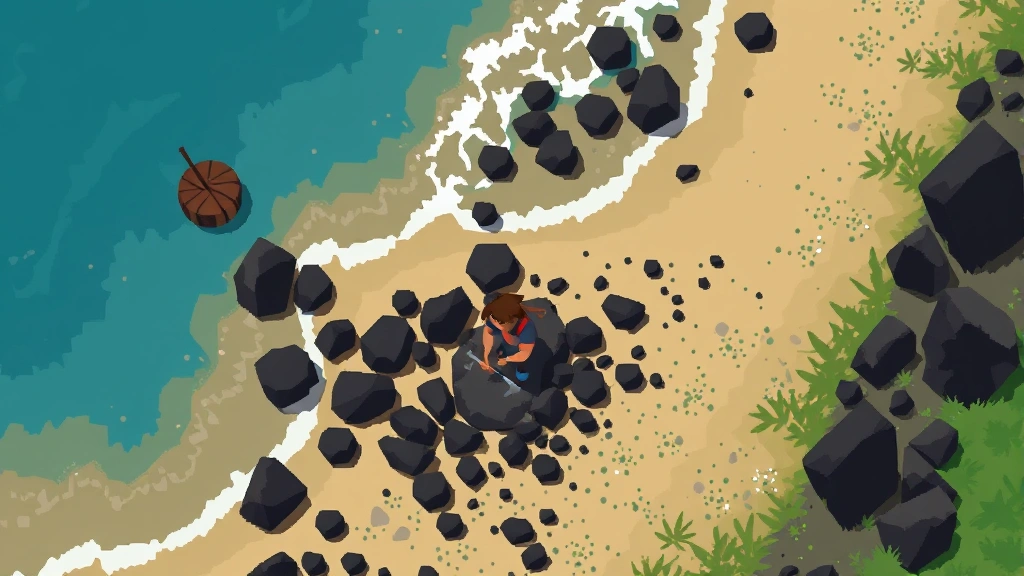
The most direct method for obtaining clay involves mining in specific beach and river locations. The beach area west of your farm contains numerous clay deposits that respawn regularly. This location is accessible from day one and requires no special tools or skills, making it perfect for new players who need clay immediately.
To harvest clay from beach rocks, simply use your pickaxe on the darker-colored rocks and boulders you’ll find scattered along the shoreline. You’ll typically receive one clay per rock broken, though occasionally you might find copper ore or other materials instead. The beauty of beach mining is that these rocks respawn every few days, creating a renewable resource you can visit repeatedly.
The river area also contains clay deposits, particularly in the areas near the bridge to the beach. These locations offer similar returns but may require slightly more travel time depending on your farm layout. Many experienced players combine beach and river mining into a single routine, visiting both locations on the same day to maximize clay collection.
Pro tip: Visit these locations on rainy days when your normal farm work is limited. This creates an efficient routine where you’re using downtime productively. The beach is also an ideal location to combine clay gathering with other activities like foraging for other beach items and checking tide pools for additional resources.
Some players create a dedicated clay-gathering day early in their week, visiting all known clay locations systematically. This approach ensures consistent clay supplies without disrupting your daily farm routine. Document your favorite spots and check them regularly—you’ll soon develop an intuition for clay-rich areas.
Foraging and Artifact Spots
Artifact spots—those distinctive dark spots you see when walking through various locations—frequently contain clay as one of their possible drops. These spots appear randomly across your farm, nearby areas, and other locations throughout Stardew Valley. Digging them up is simple: just use your pickaxe or hoe on the marked spot to receive your reward.
The probability of finding clay from artifact spots varies by location and season, but it’s consistently one of the more common items. Winter is particularly valuable for artifact spot clay gathering since many other foraging options become limited. Your farm itself is an excellent source during winter months when artifact spots concentrate in accessible areas.
To maximize artifact spot yields, develop a routine of checking your farm and nearby areas each morning. The beach and forest areas contain numerous artifact spots, and visiting these locations daily can yield 5-10 clay per week without much effort. This passive approach to clay gathering pairs perfectly with other daily activities.
Advanced players create separate farm layouts specifically designed to maximize artifact spot accessibility. By planning your farm strategically, you can ensure that you encounter numerous artifact spots during your normal daily activities. This removes the need for dedicated clay-gathering expeditions since you’re collecting it naturally as you move around.
The FixWise Hub Blog provides comprehensive guides on optimizing your daily routines, which can include efficient artifact spot collection patterns. Combining these strategies with clay-specific knowledge creates an unstoppable resource-gathering system.
Fishing and Artifact Hunting
While fishing isn’t primarily a clay-gathering method, certain fishing locations and techniques can yield clay as treasure. When you fish in specific spots, particularly near the beach or in rivers, you occasionally receive artifact items instead of fish. Clay appears among these possible rewards, though with lower frequency than other methods.
The real power of fishing-based clay gathering lies in combining it with your normal fishing routine. If you’re already fishing for other purposes—like catching specific fish for preserving and crafting purposes—you’ll naturally accumulate some clay without additional effort. This makes fishing a valuable supplementary clay source rather than a primary one.
Fishing treasure chests occasionally contain clay, and the treasure quality improves with your fishing skill. As you level up your fishing ability, the frequency and quality of treasure increases, making higher-level fishing a surprisingly effective clay source late game. Some players dedicate specific seasons to fishing specifically to build their clay reserves.
Combining fishing with artifact hunting creates a powerful gathering strategy. Spend your morning fishing at productive spots, and during your fishing downtime, dig up nearby artifact spots. This hybrid approach keeps your activity varied while producing steady clay supplies throughout the week.
Advanced Farming Techniques
Experienced Stardew Valley players employ several advanced techniques to maximize clay output. One particularly effective method involves strategic scheduling—planning your week around clay collection opportunities. This might mean dedicating specific days to beach mining, specific seasons to focused artifact hunting, and specific locations to fishing.
Another advanced technique involves understanding clay spawn patterns. Clay deposits don’t appear randomly; they follow predictable patterns based on location, season, and time. By studying these patterns, you can predict where clay will appear and plan your routes accordingly. This knowledge transforms clay gathering from a tedious chore into an optimized system.
Multiplayer farms introduce additional clay-gathering opportunities. With multiple players, you can divide responsibilities—one player focuses on beach mining while another handles artifact spots. This parallel approach accelerates clay collection significantly and makes the process more social and enjoyable.
Storage optimization is also crucial for advanced clay farming. Create dedicated chest locations near your major clay sources to dump resources immediately upon collection. This eliminates inventory management issues and allows you to gather continuously without returning to your farmhouse.
Some players combine clay gathering with other resource collection to create efficient daily loops. For example, your morning routine might involve: checking artifact spots (clay, stone, seeds), mining beach rocks (clay, copper ore), and fishing in specific locations (clay, treasure). This integrated approach produces multiple resources simultaneously while focusing your efforts in specific areas.
Seasonal Strategies
Each season presents unique clay-gathering opportunities and challenges. Spring offers abundant artifact spots and beach mining, though you’ll likely be focused on farm setup. Dedicate a few days early in spring to establishing solid clay reserves before your farm demands peak.
Summer brings reduced artifact spot availability in some locations but increases fishing opportunities. Shift your clay-gathering focus to beach mining and fishing during summer months. The warmer weather also means more consistent daily routines, allowing you to establish regular clay-gathering patterns.
Fall returns strong artifact spot activity and maintains good beach mining conditions. Many players consider fall their most productive clay-gathering season. Plan significant building projects for late fall so you can dedicate fall itself to accumulating necessary resources.
Winter concentrates artifact spots on your farm, making dedicated farm artifact hunting incredibly efficient. Winter is ideal for intensive clay gathering since farming demands typically decrease. Some players farm clay exclusively during winter, building substantial reserves for spring and summer projects.
Understanding seasonal patterns helps you plan your year strategically. If you know you’ll need clay for a major project in summer, spend spring gathering intensively. This proactive approach prevents the frustrating situation of needing clay when it’s at its lowest availability.
Trading and Alternative Methods
While direct gathering is most efficient, alternative methods exist for obtaining clay. Certain NPCs occasionally offer clay through trading or special events, though these methods are less reliable than direct collection. Still, it’s worth keeping these options in mind as backup strategies.
The comprehensive guide on clay collection methods details every possible acquisition technique. Some methods work better for specific playstyles—if you prefer fishing over mining, focus on that approach. If you enjoy exploration, make artifact hunting your primary method.
Resource trading with other players (in multiplayer mode) can also provide clay if you have excess other materials. Building relationships with other players often leads to resource-sharing opportunities that benefit everyone’s farms.
Purchasing clay from merchants occasionally becomes available, though it’s expensive and should be avoided when possible. Reserve merchant purchases for emergency situations where you need clay immediately and gathering isn’t feasible. This ensures you’re spending in-game currency efficiently on items you can’t obtain through normal means.
Creating a backup clay source ensures you never face shortages. If your primary method (beach mining) becomes inconvenient, your secondary method (artifact hunting) maintains clay supplies. This redundancy creates security in your resource management strategy.
FAQ
What’s the fastest way to get clay in Stardew Valley?
Beach mining offers the fastest clay acquisition method. The beach contains numerous rocks that respawn every few days, and each rock breaks quickly with your pickaxe. Combining beach mining with artifact spot digging creates an even faster approach by gathering multiple resources simultaneously.
Can I buy clay from merchants?
Yes, certain merchants occasionally stock clay, but it’s expensive. Direct gathering is always more cost-effective. Use merchant purchases only as emergency backup when you need clay immediately.
Which season produces the most clay?
Winter produces the most clay through artifact spots concentrated on your farm. Spring offers excellent beach mining opportunities. Overall, winter and spring combined provide the best clay yields, with fall as a strong secondary option.
Do I need a specific tool to gather clay?
You need a pickaxe for mining rocks and breaking artifact spots. Your basic pickaxe works fine—no upgrades are necessary. A hoe also works for artifact spots, giving you flexibility in which tool you use.
How much clay do I actually need?
Most players need 20-50 clay in their first year for basic buildings and upgrades. As you progress, clay demands increase with additional building projects and crafting recipes. Accumulating 100+ clay gives you substantial flexibility for future projects without worrying about shortages.
Where exactly can I find clay?
Clay appears in beach rocks, river rocks, artifact spots throughout the map, and occasionally as fishing treasure. Your farm, the beach, and forest areas are particularly rich clay sources. Check multiple locations daily for consistent supplies.
Does clay respawn?
Yes, clay-bearing rocks respawn every few days, and artifact spots regenerate regularly. This renewable nature makes clay a sustainable resource you can gather indefinitely without depleting supplies.

Related Posts

Superscript in Google Docs: Expert Tips

Strikethrough in Excel: Easy Steps for Beginners
