
Freeze Strawberries: Expert Tips for Freshness
How to Freeze Strawberries: Expert Tips for Maximum Freshness
Strawberries are a delicious and nutritious fruit, but their short shelf life can be frustrating. Whether you’ve picked up a bulk container from the farmer’s market or grown your own bumper crop, freezing strawberries is one of the best ways to preserve them for months. Unlike some preservation methods, freezing strawberries is simple, requires minimal equipment, and maintains most of their nutritional value.
In this comprehensive guide, we’ll walk you through every step of the freezing process, from selection and preparation to storage and thawing. You’ll learn expert techniques that home gardeners and food preservation enthusiasts use to keep their strawberries tasting fresh all year long. Whether you want to enjoy them in smoothies, baked goods, or jams, proper freezing techniques make all the difference.
Why Freeze Strawberries and When to Start
Freezing strawberries is an excellent preservation strategy that extends their usability from days to months. Fresh strawberries typically last only 3-7 days in the refrigerator before developing mold or becoming mushy. Properly frozen strawberries can last 8-12 months in your freezer, making them available for your favorite recipes year-round.
The best time to freeze strawberries is during peak season—typically late spring through early summer in most regions. During these months, strawberries are abundant, affordable, and at their nutritional peak. If you grow your own berries, harvest them in the morning after the dew has dried but before the day gets too hot. This timing ensures maximum firmness and sugar content.
Frozen strawberries work wonderfully in smoothies, jams, baked goods, desserts, and even as toppings for yogurt and oatmeal. While they won’t maintain the same firm texture as fresh berries for eating plain, they retain excellent flavor and are perfect for any application where you’d normally use cooked or blended strawberries. Many home cooks also use frozen berries in wine and beverage projects.
Selecting and Preparing Your Strawberries
Success in freezing strawberries begins with selecting the right berries and preparing them correctly. The quality of your frozen product depends entirely on the quality of your starting material—this is where attention to detail matters most.
Selection criteria for freezing:
- Choose firm, ripe strawberries with no soft spots or bruises
- Look for berries that are bright red throughout (avoid pale or white areas)
- Avoid strawberries that are too soft or overripe, as they won’t freeze well
- Select medium-sized berries when possible—they freeze more evenly than very large ones
- Discard any berries with mold, as it can spread during freezing
Once you’ve selected your strawberries, handle them gently to avoid bruising. Wash them only if necessary, and if you do wash them, pat them completely dry with paper towels. Excess moisture creates ice crystals that can degrade texture and cause freezer burn. Many experts recommend washing strawberries just before eating rather than before freezing.
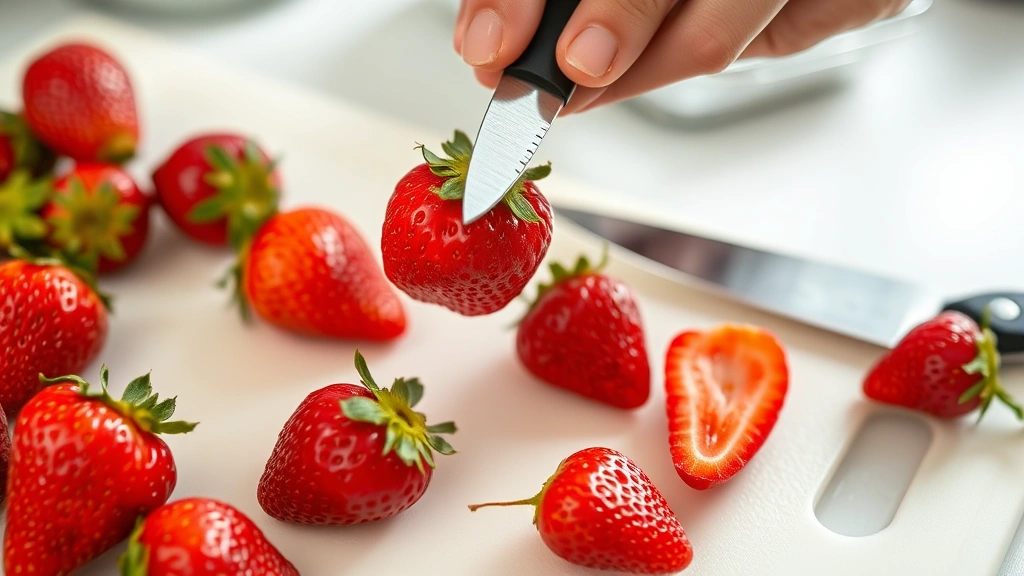
The next critical step is removing the stems and leaves. You can use a paring knife or a specialized strawberry huller (a small tool designed specifically for this purpose). Make a small circular cut around the stem to remove the leafy crown and the white core underneath. Work quickly but carefully to avoid removing too much of the berry.
Flash Freezing Method: The Best Approach
Flash freezing is the most popular method among food preservation experts and produces the best results for most applications. This technique prevents strawberries from clumping together and allows you to use individual berries as needed.
Step-by-step flash freezing process:
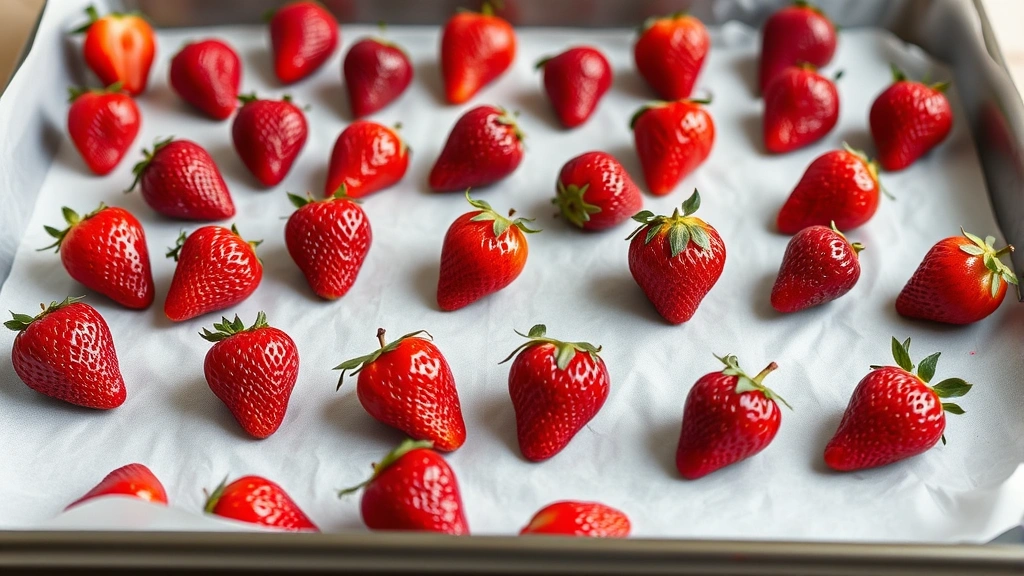
- After hulling your strawberries, arrange them in a single layer on a baking sheet lined with parchment paper
- Leave space between each berry so they don’t touch—this prevents them from freezing together
- Place the baking sheet in your freezer for 2-3 hours, or until the strawberries are completely solid
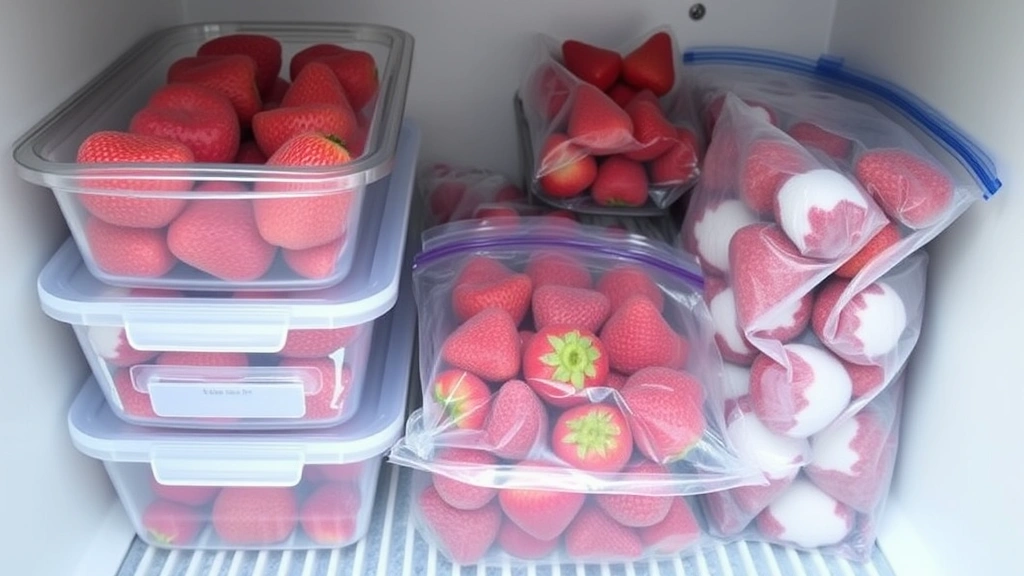
- Once frozen solid, transfer the berries to freezer-safe bags or airtight containers
- Remove as much air as possible from freezer bags before sealing (consider using a vacuum sealer for optimal results)
- Label your containers with the date and contents
- Return to the freezer for long-term storage
The beauty of flash freezing is that it gives you flexibility. You can thaw just a handful of berries for a single smoothie or remove an entire bag for a batch of jam. This method also maintains the individual berry structure better than other approaches, making it ideal for baking applications where you want whole berries.
For best results, use high-quality freezer bags that are specifically designed for freezing. Regular plastic bags allow more air infiltration and may develop freezer burn faster. Alternatively, consider investing in vacuum-sealed bags or rigid plastic containers, which provide superior protection.
Syrup Pack Method for Enhanced Flavor
The syrup pack method is perfect if you plan to use your frozen strawberries in desserts, smoothies, or as a topping. This technique surrounds the berries with a protective sugar syrup that helps preserve texture and flavor while adding subtle sweetness.
Creating your syrup pack:
- Combine 3 parts water with 1 part sugar in a saucepan (for example, 3 cups water and 1 cup sugar)
- Heat the mixture gently until the sugar dissolves completely, then allow it to cool to room temperature
- Place your hulled strawberries in a freezer-safe container
- Pour the cooled syrup over the berries until they’re completely covered
- Leave about half an inch of headspace at the top of the container to allow for expansion
- Seal the container and label with the date
- Freeze for up to 12 months
Some cooks prefer to halve or slice their strawberries before syrup packing, as this allows the berries to absorb more of the syrup flavor. If you choose to slice your berries, toss them gently with the syrup in a bowl first, then transfer to containers. This method is ideal for making preserves and other food projects, and the syrup itself can be used in cocktails or poured over ice cream.
Sugar Pack Method: Simple and Effective
The sugar pack method is simpler than syrup packing and works beautifully for strawberries destined for jams, compotes, or baking. This dry method creates its own liquid as the berries freeze and the sugar draws out their natural juices.
How to sugar pack strawberries:
- Hull and slice your strawberries into a large bowl
- For every 4 cups of strawberries, add 3/4 cup of granulated sugar
- Gently toss the berries and sugar together until the sugar is evenly distributed
- Let the mixture sit at room temperature for 15-20 minutes to allow the berries to release their juices
- Transfer the berries and their liquid to freezer-safe containers, leaving half an inch of headspace
- Seal and freeze
The resulting mixture will have a syrup-like consistency after freezing. This method is particularly popular for jam-making because the berries and their natural juices freeze together, creating a perfect base for preserves. Sugar-packed strawberries will keep for 8-12 months in the freezer.
One advantage of the sugar pack method is that you can adjust the sugar ratio based on your preferences or dietary needs. Some cooks reduce the sugar to 1/2 cup per 4 cups of berries, while others increase it for extra preservation power. Experiment to find what works best for your palate.
Storage and Long-Term Freezer Management
Proper storage is crucial for maintaining frozen strawberry quality. Even well-prepared berries can deteriorate if storage conditions aren’t optimal.
Storage best practices:
- Maintain your freezer at 0°F (-18°C) or lower for optimal preservation
- Store strawberries in the coldest part of your freezer, typically the back of the bottom shelf
- Keep frozen strawberries away from the door, where temperature fluctuations occur
- Use opaque or dark-colored containers to protect berries from light exposure
- Avoid stacking heavy items on top of your strawberry containers, which can crush them
- Rotate your stock using the FIFO method (first in, first out)
- Keep an inventory of what you have and when you froze it
Freezer burn is the primary enemy of frozen strawberries. This occurs when moisture evaporates from the berries, leaving them dehydrated and discolored. Minimize freezer burn by removing excess air from storage containers and maintaining consistent freezer temperatures. Vacuum-sealed bags are particularly effective at preventing this issue.
If you’re serious about long-term storage, consider investing in a dedicated chest freezer. These units maintain more consistent temperatures than refrigerator-top freezers and experience fewer temperature fluctuations when opened. A dedicated freezer also allows you to organize your frozen berries more systematically.
Thawing and Using Your Frozen Strawberries
How you thaw your frozen strawberries depends on how you plan to use them. Different applications require different thawing methods for optimal results.
Thawing methods for different uses:
For smoothies and blended drinks: Add frozen strawberries directly to your blender without thawing. They’ll blend smoothly and create a naturally thick, frosty texture. This is the quickest and easiest method.
For baking and cooking: Thaw berries in the refrigerator for 6-8 hours or overnight. This prevents them from releasing too much liquid into your batter or dough. If your recipe calls for whole berries, drain them thoroughly before adding them to the mixture.
For jams and preserves: Use berries directly from the freezer or thaw them partially. The partially frozen state helps them maintain their shape during cooking. Many jam recipes actually work better with frozen berries because they’re easier to break down and release their pectin.
For toppings and garnishes: Thaw berries at room temperature for 30-45 minutes for a partially thawed texture, or in the refrigerator for 2-3 hours for complete thawing. Drain any accumulated liquid before serving.
Important note: Never refreeze thawed strawberries unless you’ve cooked them first. Thawing and refreezing creates food safety risks and degrades quality. Plan your usage carefully to avoid waste.
Thawed strawberries will be softer than fresh berries due to ice crystal formation during freezing, but they’ll retain their flavor and nutritional value. This texture change is why frozen strawberries work best in applications where firmness isn’t critical—smoothies, baking, jams, and compotes.
If you’re interested in other food preservation techniques, you might also explore maintaining kitchen equipment to ensure your tools stay in top condition for all your culinary projects.
Frequently Asked Questions
Can you freeze strawberries whole with the stems on?
Yes, you can freeze whole strawberries with stems attached, though most experts recommend removing the hulls first. Leaving stems on takes up extra freezer space and doesn’t provide any preservation benefit. However, if you prefer to hull them after freezing, that’s also possible—frozen berries are actually easier to hull than fresh ones.
How long do frozen strawberries last?
Properly frozen strawberries maintain excellent quality for 8-12 months. While they may technically remain safe to eat beyond this timeframe, quality gradually deteriorates due to freezer burn and flavor loss. For best results, use frozen strawberries within one year of freezing.
Do frozen strawberries lose their nutritional value?
Frozen strawberries retain most of their nutritional value, including vitamin C, fiber, and antioxidants. In fact, frozen berries are often just as nutritious as fresh ones because they’re frozen at peak ripeness, while fresh berries may have been picked early and traveled long distances before reaching your kitchen.
Can you freeze strawberries without sugar?
Absolutely. Flash freezing without any added sugar is an excellent option if you prefer unsweetened berries. Simply follow the flash freezing method without the syrup or sugar pack step. Unsweetened frozen berries are perfect for smoothies, baking, and cooking.
What’s the best container for freezing strawberries?
Vacuum-sealed bags, rigid freezer containers, and freezer bags all work well. Vacuum-sealed bags provide the best protection against freezer burn. Rigid containers are excellent if you have limited freezer space and want to stack items. Regular plastic bags are acceptable but less ideal for long-term storage.
Can you freeze strawberries in a water bath?
While you technically can freeze strawberries in water, it’s not recommended because it dilutes flavor and wastes freezer space. If you do freeze berries in water, use distilled water and change it periodically to prevent crystallization. The syrup pack method is superior for this type of storage.
Should you wash strawberries before freezing?
Only wash strawberries if they’re visibly dirty. Excess moisture creates ice crystals and freezer burn. If you do wash them, pat them completely dry with paper towels. Many experts recommend washing berries just before eating rather than before freezing to minimize moisture issues.

Related Posts

Superscript in Google Docs: Expert Tips

Strikethrough in Excel: Easy Steps for Beginners
