
When to Change Tires? Expert Advice Inside
When to Change Tires? Expert Advice Inside
Your tires are literally where the rubber meets the road, making them one of the most critical safety components of your vehicle. Yet many drivers remain uncertain about when to replace them, leading to unsafe driving conditions and potential accidents. Understanding the signs that your tires need changing—and knowing the recommended replacement schedule—can save you money, improve fuel efficiency, and keep you and your passengers safe.
Tire replacement isn’t just about following a calendar. It’s about recognizing wear patterns, understanding seasonal needs, and monitoring your vehicle’s performance. Whether you’re a seasoned DIYer or someone who prefers professional service, this comprehensive guide will help you master tire maintenance and know exactly when it’s time for new rubber.
How Often Should You Change Tires?
The standard recommendation from most tire manufacturers and automotive experts is to replace your tires every 3 to 5 years or every 25,000 to 50,000 miles, whichever comes first. However, this timeline can vary significantly based on several factors including your driving habits, climate conditions, road conditions, and tire quality.
Most drivers will hit the mileage limit before the time limit, but in some cases—particularly if you drive infrequently—the age of your tires becomes the determining factor. According to the National Highway Traffic Safety Administration (NHTSA), tires should not be used beyond 10 years from their date of manufacture, regardless of tread depth. This is because the rubber compounds degrade over time, compromising structural integrity and safety performance.
For those interested in maintaining their vehicles properly, understanding tire replacement schedules is similar to other home and vehicle maintenance tasks that require regular attention and planning. Premium tires often last longer than budget options, sometimes reaching 50,000 to 60,000 miles or more with proper care.
Signs Your Tires Need Replacement
Beyond mileage and age, your tires will give you clear warning signs when they’re ready for retirement. Learning to recognize these indicators helps you avoid dangerous blowouts and sudden failures on the road.
- Uneven wear patterns: Wear on the inner or outer edges suggests alignment problems, while center wear indicates overinflation. These patterns accelerate tire degradation.
- Bulges or blisters: These indicate internal damage and are a safety hazard that requires immediate replacement.
- Vibration or pulling: If your vehicle vibrates excessively or pulls to one side, your tires may be worn unevenly or damaged.
- Poor traction in wet conditions: Reduced grip, especially on wet roads, signals insufficient tread depth.
- Visible cracks or cuts: Deep cuts or cracks in the sidewall compromise tire integrity and cannot be safely repaired.
- Frequent air pressure loss: Constant need for air refills suggests a leak or puncture that may indicate replacement is needed.
- Loud noise while driving: Worn tires often produce increased road noise as the tread pattern deteriorates.
The Penny Test and Tread Depth
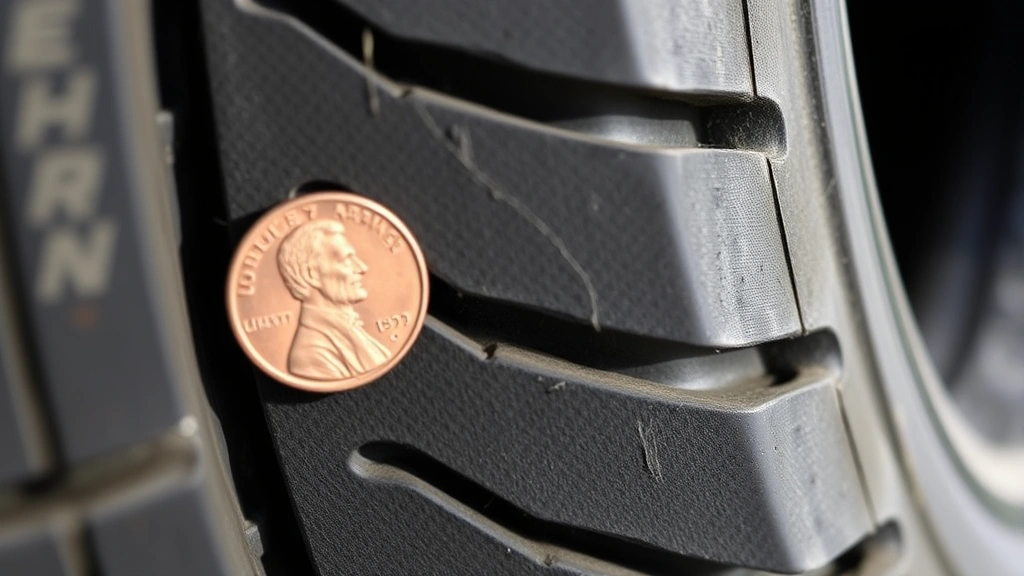
The most accessible way to check your tire tread depth at home is the penny test. This simple method requires only a penny and takes seconds to perform, yet it’s remarkably effective at determining whether your tires have adequate tread.
Here’s how to perform the penny test:
- Find a penny and locate Lincoln’s head on the coin.
- Insert the penny into the tread groove with Lincoln’s head pointing downward into the tread.
- If you can see the top of Lincoln’s head, your tread depth is 2/32 inches or less—time for new tires.
- If Lincoln’s head is hidden within the tread, you still have adequate tread depth.
The legal minimum tread depth in most jurisdictions is 2/32 inches, but safety experts recommend replacing tires when they reach 4/32 inches. At this depth, wet traction significantly diminishes, increasing accident risk. Many drivers who value safety replace tires at 6/32 inches, providing an extra safety margin.
For more precise measurements, you can purchase an inexpensive tread depth gauge from any automotive retailer. These tools cost $5-15 and provide exact measurements. Professional tire shops have electronic gauges that measure multiple points across each tire to identify uneven wear patterns.
Seasonal Tire Changes Explained
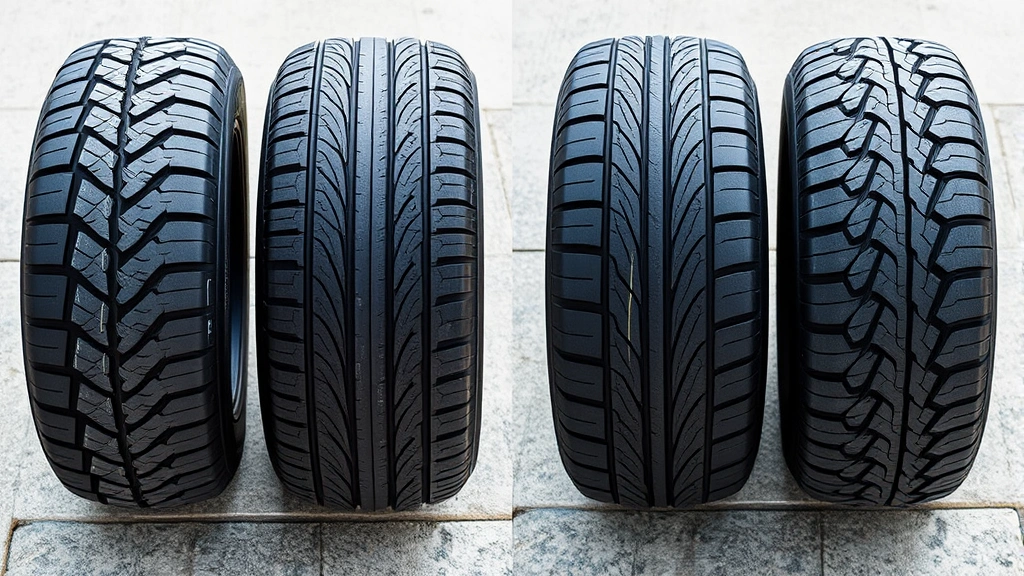
In many climates, seasonal tire changes are essential for safety and performance. This practice differs from replacement and involves switching between summer and winter tires at appropriate times of year.
Winter Tire Benefits:
- Superior grip on snow and ice due to specialized rubber compounds that remain flexible in cold temperatures
- Better traction for acceleration and braking on slippery surfaces
- Shorter stopping distances compared to all-season tires in winter conditions
- Reduced risk of hydroplaning and loss of control
Summer Tire Advantages:
- Improved handling and responsiveness in warm weather
- Better fuel efficiency due to lower rolling resistance
- Enhanced performance on dry roads
- Longer tread life when used in appropriate seasons
If you live in a region with significant winter weather, investing in a complete second set of winter tires is worthwhile. While this requires initial expense and storage space, it extends the life of your primary tires and dramatically improves winter safety. Many drivers store their off-season tires on used rims to simplify seasonal changes.
Tire Rotation vs. Tire Replacement
It’s important to distinguish between tire rotation and tire replacement, as these are separate maintenance tasks serving different purposes. Understanding the difference helps you maintain your tires properly and extend their lifespan.
Tire Rotation involves moving tires from one position to another on your vehicle—typically front to back or in a criss-cross pattern. This is performed every 5,000 to 7,000 miles and helps equalize wear across all four tires. Since front tires wear faster than rear tires due to steering and braking forces, rotation promotes even wear and extends overall tire life.
Tire Replacement means installing new tires when existing ones reach the end of their serviceable life. This happens far less frequently—typically every 3-5 years or 25,000-50,000 miles—and involves removing old tires completely.
Regular rotation can add 10,000-15,000 miles to your tire life by distributing wear evenly. Many tire shops include complimentary rotations with tire purchases, and some recommend rotation every oil change. If you’re comfortable with basic vehicle maintenance, you might explore other DIY maintenance projects that keep your vehicle in top condition.
Age of Tires: When Old Means Unsafe
Even if tread depth appears adequate, tire age matters significantly for safety. Rubber is a natural material that degrades over time through a process called oxidation, regardless of whether the tire has been driven.
The tire manufacturing date is encoded on the sidewall in a four-digit code called the DOT date. The first two digits represent the week of manufacture (01-52), and the last two digits represent the year. A code of 3519 means the tire was made in week 35 of 2019.
Most safety organizations recommend replacing tires by age 6-10 years, even if tread depth is adequate. The SaferCar.gov website and various insurance companies emphasize that tires older than 10 years should not be used under any circumstances, as structural failure becomes increasingly likely.
Vehicles that sit unused for extended periods—like classic cars, seasonal vehicles, or backup cars—may reach the age limit before the mileage limit. Checking the manufacturing date helps ensure these vehicles have safe tires before they’re driven.
How to Check Tire Condition at Home
Regular tire inspections catch problems early, potentially preventing dangerous failures. You can perform a thorough tire inspection at home with minimal tools.
Visual Inspection Steps:
- Park on a level surface and allow tires to cool if recently driven.
- Walk around your vehicle examining each tire for visible damage, cuts, bulges, or unusual wear patterns.
- Look for objects embedded in the tread that might cause punctures.
- Check sidewalls for cracks, blisters, or signs of impact damage.
- Note any areas where wear appears uneven or excessive.
Pressure and Depth Checks:
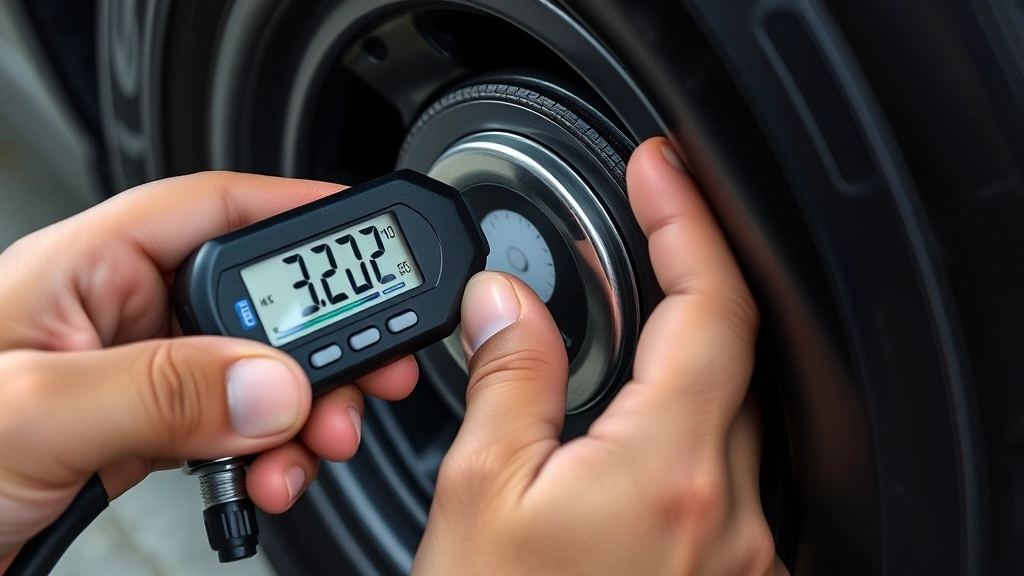
- Purchase an inexpensive tire pressure gauge ($5-15) and tread depth gauge ($5-15).
- Check pressure when tires are cold (before driving or at least 3 hours after driving).
- Compare readings to the recommended pressure listed on your driver’s door jamb (not the maximum pressure on the tire sidewall).
- Measure tread depth at multiple points on each tire, especially looking for uneven wear.
- Document your findings to track wear patterns over time.
Maintaining a simple log of tire pressure and tread depth readings helps you identify gradual changes that might indicate alignment issues, suspension problems, or the need for immediate attention. This practice is similar to other preventive maintenance routines that keep your vehicle running smoothly.
Professional Tire Inspection
While home inspections are valuable, professional tire inspections provide expertise and equipment that catch subtle problems. Most tire shops offer free inspections, making this a smart investment in safety.
Professional technicians use electronic tread depth gauges that measure multiple points across each tire and can identify wear patterns invisible to the naked eye. They also assess sidewall condition, check for internal damage, and evaluate alignment, which affects tire wear.
According to Family Handyman and This Old House resources on vehicle maintenance, professional inspections should occur at least annually, or more frequently if you drive in harsh conditions.
Many tire retailers like Tire Rack and Costco provide comprehensive tire services including inspections, rotations, balancing, and alignment checks. These services often qualify for warranties that protect your investment.
When you’re ready to purchase new tires, understanding tire specifications, load ratings, and speed ratings helps you select appropriate replacements. Your vehicle’s manual and door jamb provide the correct tire size and specifications needed for safe operation.
FAQ
What is the average lifespan of car tires?
Most car tires last between 3 to 5 years or 25,000 to 50,000 miles, whichever comes first. However, premium tires may last 50,000 to 60,000 miles or more. Age is also a factor—tires should not be used beyond 10 years from their manufacturing date.
Can I drive on tires with 2/32 tread depth?
While 2/32 inches is the legal minimum in most places, it’s not safe. At this depth, wet traction is severely compromised. Safety experts recommend replacing tires at 4/32 inches or even 6/32 inches for better safety margins.
How often should I rotate my tires?
Tire rotation should occur every 5,000 to 7,000 miles or with every oil change. Regular rotation helps distribute wear evenly and can extend tire life by 10,000-15,000 miles.
Should I replace all four tires at once?
While replacing all four tires simultaneously is ideal, it’s not always necessary. However, replacing only two tires can create handling imbalances, especially in all-wheel-drive vehicles. If replacing fewer than four, prioritize the rear axle for better stability.
How do I know the manufacturing date of my tires?
The manufacturing date is encoded on the tire sidewall in a four-digit DOT code. The first two digits represent the week, and the last two represent the year. For example, 3519 means week 35 of 2019.
Are winter tires necessary?
In regions with regular snow and ice, winter tires significantly improve safety and performance. They provide superior traction in cold conditions compared to all-season tires. If you live in a mild climate without winter weather, all-season tires are typically sufficient.
Can worn tires be repaired instead of replaced?
Tires with punctures in the tread area can sometimes be repaired if the damage is small and the tire isn’t excessively worn. However, sidewall damage, large punctures, or bulges cannot be safely repaired and require replacement.

Related Posts

Superscript in Google Docs: Expert Tips

Strikethrough in Excel: Easy Steps for Beginners
