
DIY Nickel Making Cost? Insider Insights
DIY Nickel Making Cost: Insider Insights on Metal Minting Expenses
Making nickels as a DIY hobbyist or small-scale operation involves far more complexity than most people realize. Whether you’re interested in numismatic coin production, metal casting, or understanding the economics of currency manufacturing, the costs can vary dramatically based on your approach, equipment, and scale. This comprehensive guide breaks down the real expenses involved in creating nickels at home, from basic metalworking to more sophisticated minting techniques.
The U.S. nickel—officially the five-cent piece—is composed of 75% copper and 25% nickel, a composition that has remained standard since 1866. Understanding how much it costs to produce these coins requires examining raw material prices, specialized equipment, labor, and regulatory considerations. Whether you’re a hobbyist metalworker or considering this as a small business venture, knowing these costs upfront will help you make informed decisions about your project.
Raw Material Costs for Nickel Production
The foundation of any nickel-making operation is securing the appropriate metal alloy. Current commodity prices for copper and nickel fluctuate based on global market conditions, but understanding baseline costs is essential for budgeting. As of recent market data, copper typically trades around $3.50 to $4.00 per pound, while nickel ranges from $7.00 to $9.00 per pound depending on purity and market volatility.
For a single nickel coin weighing 5.0 grams (0.176 ounces), you’ll need approximately 3.75 grams of copper and 1.25 grams of nickel. Breaking this down to cost per coin at average market rates, raw materials alone cost roughly $0.03 to $0.05 per coin when purchasing in bulk. However, small-scale purchases without industrial bulk discounts can increase this significantly—potentially doubling or tripling the per-unit material cost.
If you’re sourcing materials from scrap metal dealers or recycling centers, you might reduce costs further, but you’ll need to ensure proper composition and purity. Many DIY metalworkers purchase pre-alloyed blanks or planchets from specialty suppliers, which eliminates the need for precise alloy mixing but increases material costs to $0.08 to $0.15 per blank depending on supplier and order quantity.
When considering your home improvement and DIY projects, budget planning is critical. Material waste during melting, casting, and striking typically accounts for 5-15% additional loss, so factor this into your calculations. Purchasing 10-20% extra material above your target production quantity is standard practice.
Essential Equipment and Tools Required
The equipment needed to make nickels ranges from basic metalworking tools to specialized coin-striking machinery. Your startup costs will depend heavily on which approach you choose and your desired production scale.
Basic Equipment for Small-Scale Operations:
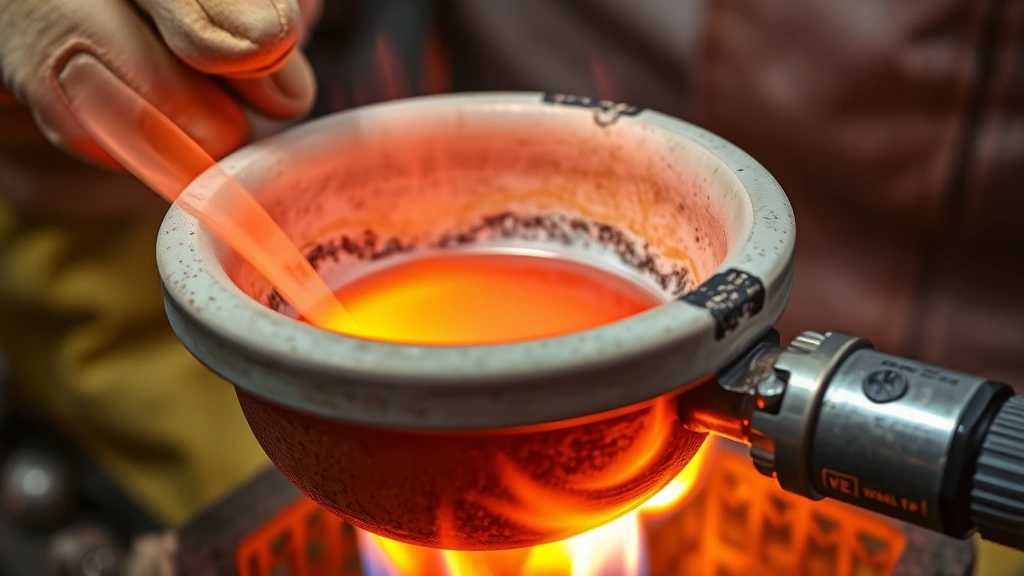
- Crucible and melting furnace ($200-$800): A basic propane torch with a ceramic crucible can work for tiny quantities, but a dedicated furnace provides better temperature control
- Casting molds ($50-$200): Precision steel or graphite molds shaped to coin dimensions
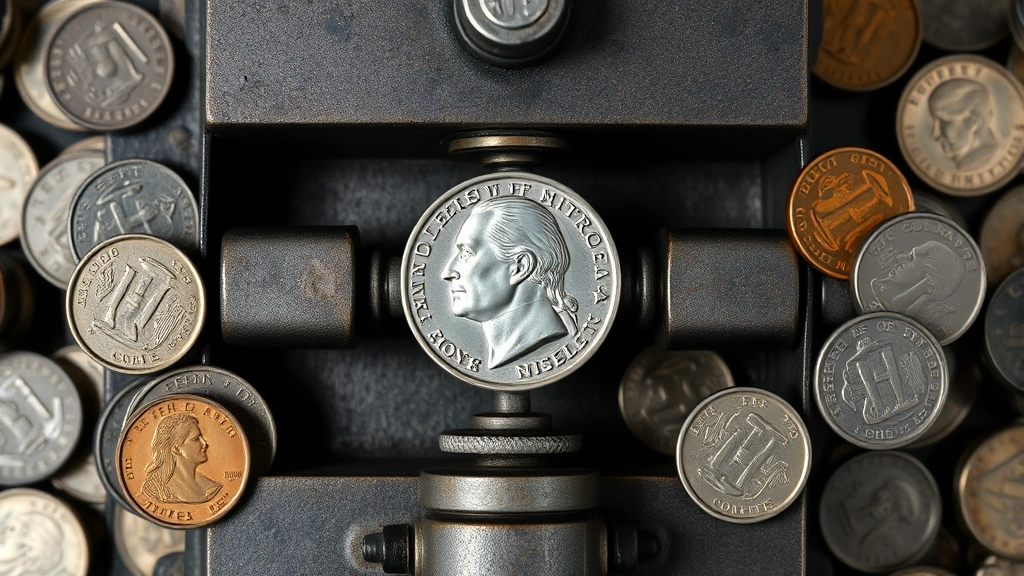
- Die and striking press ($500-$3,000): Manual or lever-operated presses for stamping designs onto coins
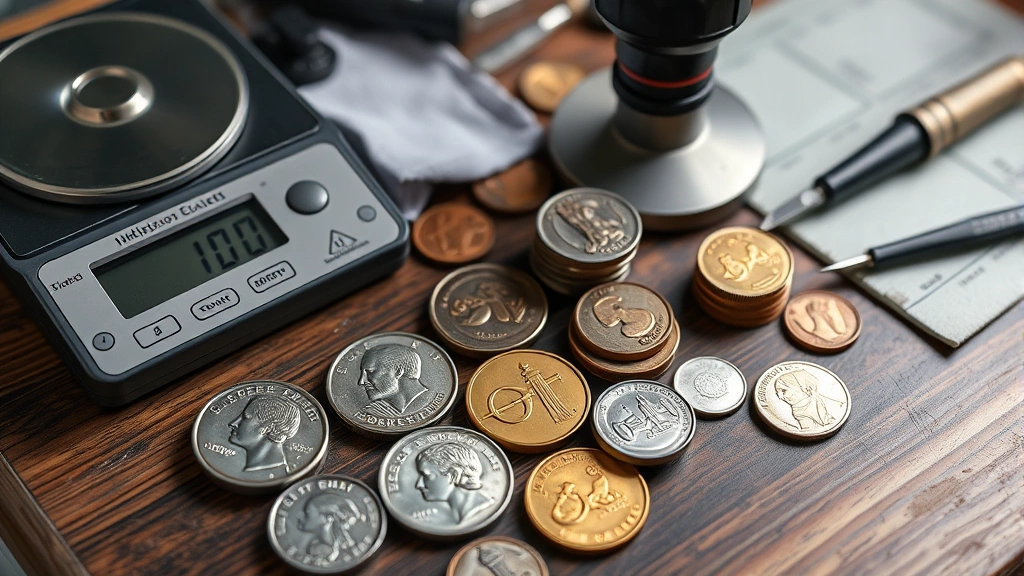
- Measuring and weighing equipment ($100-$300): Digital scales accurate to 0.01 grams minimum
- Safety equipment ($150-$300): Heat-resistant gloves, apron, face shield, and ventilation equipment
- Hand tools ($100-$250): Files, hammers, chisels, and finishing tools
For intermediate hobbyist operations, expect total equipment investment between $1,500 and $5,000. This setup allows you to produce coins with reasonable consistency and quality control.
Professional-grade equipment escalates costs significantly. Industrial coin presses can range from $5,000 to $50,000 or more, while precision furnaces with temperature controls add another $2,000-$10,000. If you’re serious about this venture, researching suppliers like This Old House’s tool guides and metalworking specialty retailers will help you find quality equipment at reasonable prices.
Many DIY enthusiasts start by documenting their process and learning from experienced metalworkers before investing heavily in equipment. Consider joining local metalworking clubs or maker spaces where you can access shared equipment at a fraction of the cost.
Labor and Time Investment
Beyond equipment and materials, your personal time represents a significant cost factor. Producing nickels involves multiple stages: material preparation, melting, casting, cooling, striking, quality inspection, and finishing.
A single hand-struck coin typically requires 10-20 minutes of active labor time when working with basic equipment. This includes heating materials, pouring into molds, removing from molds, positioning in the striking press, and hand-finishing. At a conservative estimate, if you value your time at $20 per hour (well below professional rates), each coin costs $3.33 to $6.67 in labor alone—vastly exceeding the material cost.
Batch production improves efficiency dramatically. Once your setup is optimized, producing 50 coins in a session might take 6-8 hours total, reducing per-unit labor time to 7-10 minutes. This brings labor costs down to $2.33 to $3.33 per coin, though this still represents a significant portion of your total production cost.
Quality control and inspection add additional time. Each coin should be weighed, measured, and visually inspected for defects. Rejected coins must be remelted and recast, adding to your overall time investment without generating revenue.
Minting and Striking Processes
The actual striking process—where the design is impressed onto the coin blank—is where traditional nickel production happens. Understanding the mechanics helps you choose appropriate equipment and budget accordingly.
Manual Striking Method: Using a hand-held hammer and anvil or a simple lever press, you can strike coins one at a time. This method requires minimal equipment investment but maximum labor time. Each strike requires precise positioning and consistent force application.
Mechanical Press Method: A foot-operated or hand-crank press provides more consistent striking force and faster production rates. These typically cost $1,000-$3,000 and can produce 20-40 coins per hour with practice.
Hydraulic Press Method: For serious production, hydraulic presses offer superior consistency and speed, capable of 100+ coins per hour. However, costs range from $5,000-$25,000, making this economical only for larger-scale operations.
The dies themselves—the metal stamps that create the coin design—represent another cost factor. Custom dies can cost $500-$2,000 depending on complexity and whether you’re replicating official designs or creating originals. Using existing public-domain designs or historical coin patterns can reduce this cost.
Like other specialized crafts, coin striking requires practice to achieve professional results. Expect your first 100-200 coins to have varying quality levels as you develop the skill. This learning curve adds to your effective per-unit cost during the initial production phase.
Quality Control and Finishing
Professional-looking nickels require finishing work beyond the initial strike. Edge treatment, surface polishing, and weight verification are essential for quality coins.
Edge Finishing: Modern U.S. nickels have reeded or milled edges, which requires specialized equipment or careful hand work. Finishing edges takes 2-5 minutes per coin with hand tools, or can be automated with a rotary tumbler ($300-$800) that handles batches of 50-100 coins simultaneously.
Surface Polishing: Achieving the characteristic shine of circulated or mint-condition coins requires tumbling, buffing, or chemical treatments. Rotary tumblers with appropriate media are most cost-effective for batch processing. Running a tumbler for 4-8 hours can process 100+ coins, reducing per-unit finishing time to just minutes.
Weight Verification: Each U.S. nickel must weigh exactly 5.0 grams. Coins outside this specification should be rejected or remelted. A precision digital scale ($100-$300) is essential. Expect to reject 5-10% of coins due to weight variations, especially when starting out.
Visual Inspection: Checking for proper strike definition, surface defects, and design clarity requires good lighting and magnification. A jeweler’s loupe ($20-$50) helps identify quality issues. Allow 1-2 minutes per coin for thorough inspection.
Quality control costs accumulate quickly. For every 100 coins produced, you might spend 3-5 hours on inspection and finishing work. This translates to $60-$100 in labor costs for quality control alone, or $0.60-$1.00 per coin.
Legal Considerations and Regulations
Before starting any nickel-making operation, understand the critical legal framework governing coin production. In the United States, creating coins that resemble legal tender is heavily restricted and potentially illegal.
Federal Law Restrictions: U.S. Code Title 18, Section 485 makes it illegal to produce coins that could be mistaken for genuine U.S. currency. This applies to counterfeit coins or coins that closely resemble official designs. Penalties include fines up to $5,000 and imprisonment up to 15 years.
Legal Alternatives: You can legally produce coins if they clearly differ from U.S. currency in design, size, weight, or composition. Many hobbyists create commemorative coins, fantasy coins, or replicas of historical coins with obvious differences from modern currency. Always consult with an attorney before beginning production.
Licensing and Permits: Some jurisdictions require business licenses or permits for manufacturing operations, even small-scale home operations. Check with your local city and county offices regarding zoning restrictions and manufacturing permits.
Liability Insurance: If selling coins publicly, product liability insurance ($300-$1,000 annually) protects you from legal claims. This cost should factor into your pricing if you’re operating commercially.
Legal compliance adds administrative costs and potential legal fees ($500-$2,000 for an initial consultation with a lawyer specializing in federal regulations). Never assume your operation is legal without professional guidance.
Scaling Your Operation
Understanding how costs change at different production scales helps you determine economic viability.
Hobby Scale (1-10 coins per session): Total cost per coin ranges from $4-$12 when including equipment depreciation, materials, labor, and finishing. Equipment investment is minimal ($500-$1,500), but per-unit costs are highest due to inefficiency.
Small Batch Scale (50-100 coins per session): Per-coin costs drop to $1.50-$4 through improved efficiency and batch processing. Equipment investment increases to $2,000-$5,000. This scale is viable for serious hobbyists or small artisan operations.
Medium Production Scale (500+ coins per session): Industrial equipment and optimized processes reduce per-coin costs to $0.50-$1.50. Equipment investment reaches $10,000-$30,000. At this scale, you can potentially cover equipment costs through sales, though profit margins remain modest.
Similar to how you might approach making wine at home, scaling requires understanding both fixed costs (equipment) and variable costs (materials and labor). As production increases, fixed costs per unit decrease while variable costs remain relatively stable, improving overall economics.
Break-even analysis is crucial. If you invest $5,000 in equipment and each coin costs $1 to produce and $2 to sell, you need to sell 5,000 coins just to recover your initial investment. This takes considerable time and market development.
For commercial viability, many successful small mints focus on niche markets: commemorative coins, gaming currency, educational replicas, or fantasy designs that don’t compete with U.S. currency. These can command higher prices ($5-$20 per coin) and justify production costs more easily than attempting to replicate standard nickels.
If you’re interested in metalworking and craftsmanship, you might also explore jewelry cleaning and maintenance as a complementary skill. Many of the same tools and techniques apply to both coin production and jewelry work.
Market research is essential before scaling. Understanding demand for your specific coin design, identifying target customers, and establishing pricing strategy should precede significant capital investment. Online communities dedicated to numismatics and coin collecting can provide valuable insights into market preferences and pricing expectations.
FAQ
What’s the minimum investment to start making nickels at home?
You can start with basic equipment for $500-$1,500, including a simple furnace, crucible, basic molds, and hand tools. However, this setup limits you to very small production volumes and lower quality results. For decent hobby-scale production, budget $2,000-$5,000.
Is it legal to make nickels at home?
Making coins that closely resemble U.S. legal tender is illegal. However, you can legally create commemorative coins, fantasy coins, or historical replicas with obvious design differences. Always consult an attorney about your specific design before production.
How much does raw material cost per coin?
Raw material costs approximately $0.03-$0.05 per coin at bulk commodity prices, or $0.08-$0.15 per coin if purchasing pre-made blanks from suppliers. Small-scale purchases without bulk discounts increase this cost significantly.
Can I make money producing nickels?
Producing standard nickels is not economically viable—production costs exceed face value. However, creating specialty coins (commemorative, fantasy, historical replicas) with higher perceived value can be profitable if you develop a market and efficient production processes.
What’s the most expensive part of coin production?
Labor time is typically the highest cost for small-scale operations. Each coin requires 10-20 minutes of work including material preparation, striking, and finishing. Equipment depreciation is the second-largest cost factor for startup operations.
How long does it take to produce a single nickel?
From material preparation to finished coin, expect 15-30 minutes for the first coins as you develop skill. With practice and optimized processes, you can reduce this to 5-10 minutes per coin, though batch processing is more efficient than individual production.
What equipment do professional coin makers use?
Professional operations use industrial furnaces with precise temperature control ($5,000-$15,000), hydraulic or pneumatic coin presses ($10,000-$50,000+), ultrasonic cleaning systems, and automated inspection equipment. Total investment for a professional operation ranges from $50,000-$500,000+ depending on production capacity.
Can I use a 3D printer to make coin molds?
3D-printed molds have limited durability for metal casting due to heat exposure, but they work for creating master patterns that are then used to make metal molds. This approach can reduce custom mold costs ($200-$500 for 3D-printed masters versus $500-$2,000 for hand-cut metal molds).

Related Posts

Superscript in Google Docs: Expert Tips

Strikethrough in Excel: Easy Steps for Beginners
