
How Long to Smoke Chicken Wings? Expert Tips
How Long to Smoke Chicken Wings? Expert Tips for Perfect Results
Smoking chicken wings is one of the most rewarding outdoor cooking experiences you can have. Unlike larger cuts that require hours of patience, wings offer a quicker turnaround while delivering incredible smoky flavor and tender, juicy meat. Whether you’re hosting a backyard gathering or simply craving restaurant-quality wings at home, understanding the smoking process is essential to achieving consistent, delicious results every time.
The beauty of smoked chicken wings lies in their versatility and relatively short cooking window. Most home cooks can have restaurant-quality wings ready in under two hours, making this an ideal project for weeknight dinners or weekend entertaining. In this comprehensive guide, we’ll walk you through everything you need to know about smoking chicken wings, from preparation through serving.
How Long to Smoke Chicken Wings: The Quick Answer
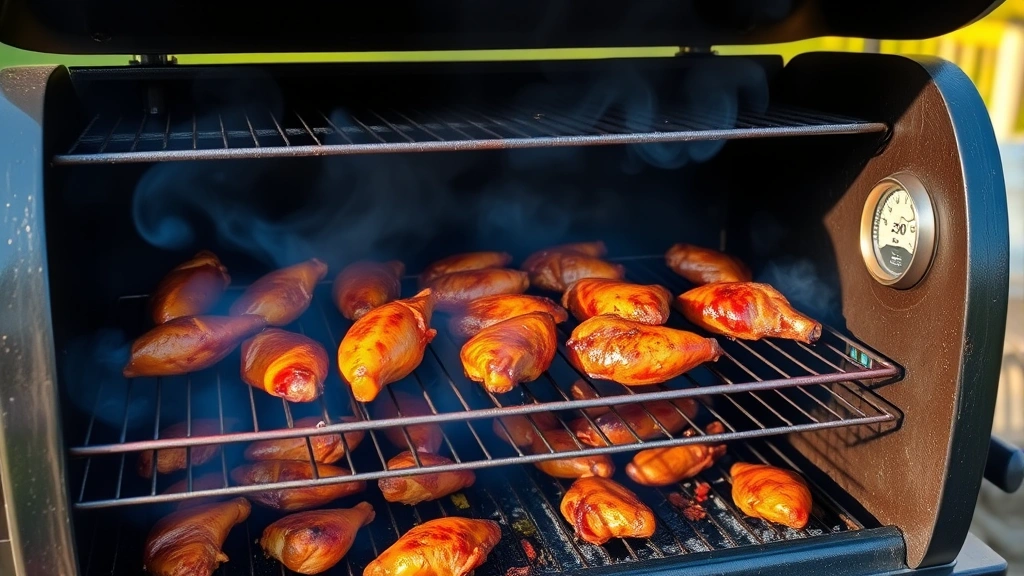
The standard smoking time for chicken wings ranges from 1.5 to 2.5 hours at 225-250°F. However, this timeframe can vary significantly based on several factors including wing size, smoker type, ambient temperature, and whether you’re using the wrap method. Most competition pitmasters recommend targeting 1 hour 45 minutes to 2 hours as the sweet spot for wings that are tender, juicy, and perfectly smoked.
If you’re running a hotter smoker at 275°F, you can reduce cooking time to approximately 1.5 hours. Conversely, low-and-slow traditionalists smoking at 225°F should plan for closer to 2.5 to 3 hours. The key is monitoring internal temperature rather than relying solely on time, as this ensures perfectly cooked wings regardless of your specific setup.
For comparison, if you’re interested in smoking other proteins, check out our guide on how long to smoke a 10lb pork butt or learn about smoking turkey timing for other smoking projects.
Preparing Your Wings for Smoking
Proper preparation is where many home cooks either succeed or stumble. The way you prep your wings directly impacts how quickly they smoke and how evenly they cook. Start by selecting fresh, high-quality chicken wings from your local butcher or grocery store. Look for wings with good color and no discoloration or off odors.
Pat your wings completely dry with paper towels. This step is crucial because moisture on the surface creates steam, which prevents the formation of a proper bark and slows smoke penetration. Take your time here—even better, let your wings air-dry uncovered in the refrigerator for 4-6 hours or overnight. This technique, borrowed from competition smoking circles, dramatically improves results.
Next, remove any excess skin or feathers. Use a clean knife or kitchen shears to trim any dangly skin bits that could char excessively. Some pitmasters prefer separating wings into flats and drumettes, while others keep them whole. Separating them allows for more even cooking since drumettes are naturally thicker than flats, but whole wings are easier to handle and present beautifully.
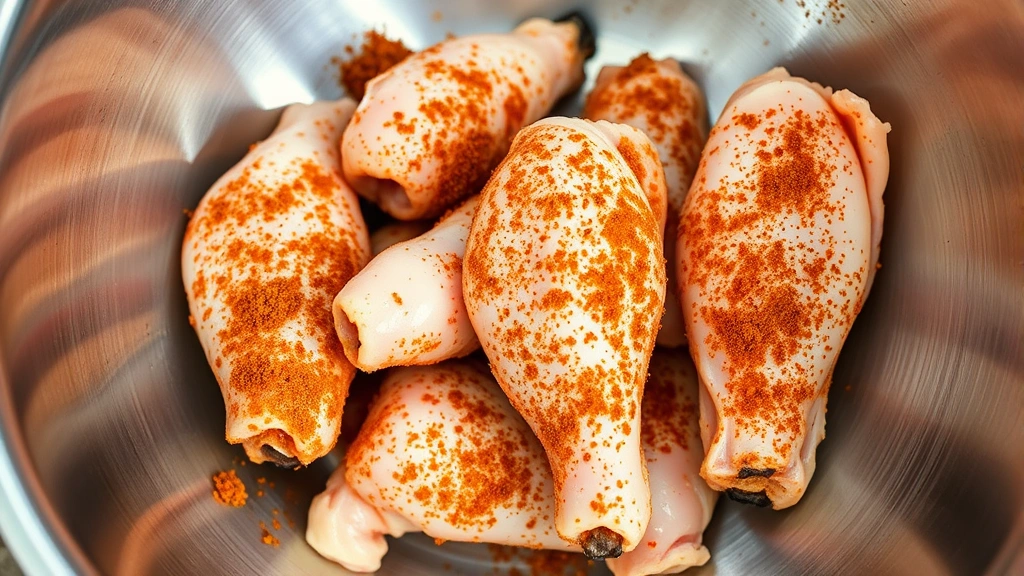
Apply your dry rub generously at least 30 minutes before smoking, though overnight is ideal. Use a balanced rub containing:
- Brown sugar or white sugar (provides caramelization and bark development)
- Paprika (adds color and mild flavor)
- Garlic powder and onion powder (foundational savory notes)
- Kosher salt and black pepper (seasoning base)
- Cayenne pepper (optional heat)
- Dry mustard powder (enhances smoke absorption)
Don’t skip the rub application step—it creates the flavorful crust that distinguishes competition-quality smoked wings from ordinary grilled ones.
Setting Up Your Smoker
Your smoker type significantly influences cooking time and technique. Offset barrel smokers, vertical water smokers, and pellet smokers all produce slightly different results and require minor adjustments to timing.
For offset smokers: Allow 30-45 minutes for preheating to reach your target temperature of 225-250°F. These traditional smokers require more fuel management and temperature monitoring but produce excellent smoke flavor.
For vertical water smokers: Preheat for 20-30 minutes. The water pan helps regulate temperature and creates a more forgiving smoking environment, making these excellent choices for beginners.
For pellet smokers: Preheat for 10-15 minutes. These modern smokers offer precise temperature control and consistent results, though some purists argue they produce less authentic smoke flavor.
Regardless of smoker type, establish proper airflow before adding wings. Ensure your vents are open and your thermometer is positioned at grate level where your wings will sit. Poor airflow leads to uneven cooking and inconsistent results, so don’t overlook this critical step.
Fill your water pan if using a water smoker—water helps regulate temperature swings and adds moisture to the smoking chamber, resulting in more tender wings. Some advanced smokers skip the water pan in favor of a drip pan filled with apple juice or cider for added flavor complexity.
Temperature and Timing Guidelines
Understanding the relationship between temperature and timing helps you customize your smoking session to your schedule and equipment.
Low and Slow (225°F): This traditional approach takes 2.5 to 3 hours but produces incredibly tender wings with deep smoke penetration. Ideal for purists who prioritize smoke flavor over speed.
Standard Smoking (250°F): The most popular choice among home cooks, this temperature range delivers wings in 1.5 to 2 hours. This middle ground offers excellent smoke absorption with reasonable cooking time.
Hot and Fast (275°F): Reduces cooking time to approximately 1 to 1.5 hours. This method works well when you’re short on time but still want quality results. Wings may not develop as pronounced a bark, but the meat remains juicy.
Very Hot (300°F+): Some competition teams smoke wings at 300-325°F for just 45 minutes to 1 hour. This extreme approach requires precision temperature control and frequent monitoring to prevent drying.
Most home cooks find 250°F the optimal sweet spot, balancing cooking time with smoke development and texture. Track your smoker’s temperature every 30 minutes using a reliable thermometer—digital models with remote probes eliminate the need to constantly peek inside and lose heat.
Wood Selection and Smoke Flavor
The type of wood you burn dramatically influences the final flavor profile of your smoked wings. Different woods impart distinct characteristics that can complement or overwhelm chicken’s delicate flavor.
Apple wood: Produces mild, slightly sweet smoke that complements chicken beautifully. Ideal for beginners since it’s nearly impossible to over-smoke with apple.
Cherry wood: Offers a slightly fruity, sweet flavor with a beautiful mahogany color. Combines well with apple for a balanced profile.
Hickory wood: Delivers strong, assertive smoke flavor with bacon-like notes. Use sparingly—hickory can easily overpower wings if applied too heavily.
Oak wood: Provides medium smoke intensity with a robust flavor. Oak works well for wings but shouldn’t be your only wood choice.
Pecan wood: Offers a nutty, slightly sweet profile similar to hickory but milder. Excellent for chicken smoking.
Most competition pitmasters recommend using a blend of two woods for optimal complexity. A combination of apple and cherry, or cherry and pecan, creates layered flavors that keep your palate interested. Avoid softwoods like pine, fir, or cedar, which produce acrid, unpleasant smoke.
Start with small amounts of wood—typically 2-3 chunks for a 2-hour smoking session—and increase gradually as you learn your smoker’s characteristics. You want thin, blue smoke, not thick white smoke, which indicates incomplete combustion and produces bitter flavors.
Wrapping and Finishing Techniques
The wrapping method, borrowed from competition barbecue, can dramatically affect your final results. This technique involves wrapping wings partway through smoking to accelerate cooking and lock in moisture.
The Traditional Method (No Wrap): Smoke wings naked on the grate for the entire duration. This approach maximizes bark development and smoke absorption but takes longer and risks slightly drier meat.
The Texas Crutch Method: After 1 hour of smoking at 250°F, wrap wings tightly in aluminum foil with butter and brown sugar. Return to smoker for the remaining 45 minutes to 1 hour. This method accelerates the final cooking phase and ensures tender, juicy wings while still developing a quality bark in the first phase.
The Hybrid Approach: Smoke unwrapped for 1 hour, wrap for 30 minutes, then unwrap for final 15-20 minutes to re-crisp the bark. This technique balances bark development with tender meat—the gold standard for most competition teams.
For finishing, consider these flavor-boosting options:
- Butter basting: During the final 30 minutes, brush melted butter mixed with garlic and herbs onto wings every 10 minutes for added richness
- Sauce application: Apply your favorite barbecue sauce in the final 15 minutes, allowing it to caramelize without burning
- Spicy finishing: Toss finished wings in hot sauce mixed with melted butter for extra kick
- Dry rub finishing: Apply a second light coat of dry rub after wrapping phase for layered complexity
Experiment with different finishing techniques to discover your personal preference. Keep notes about what works best in your specific smoker.
Testing for Doneness
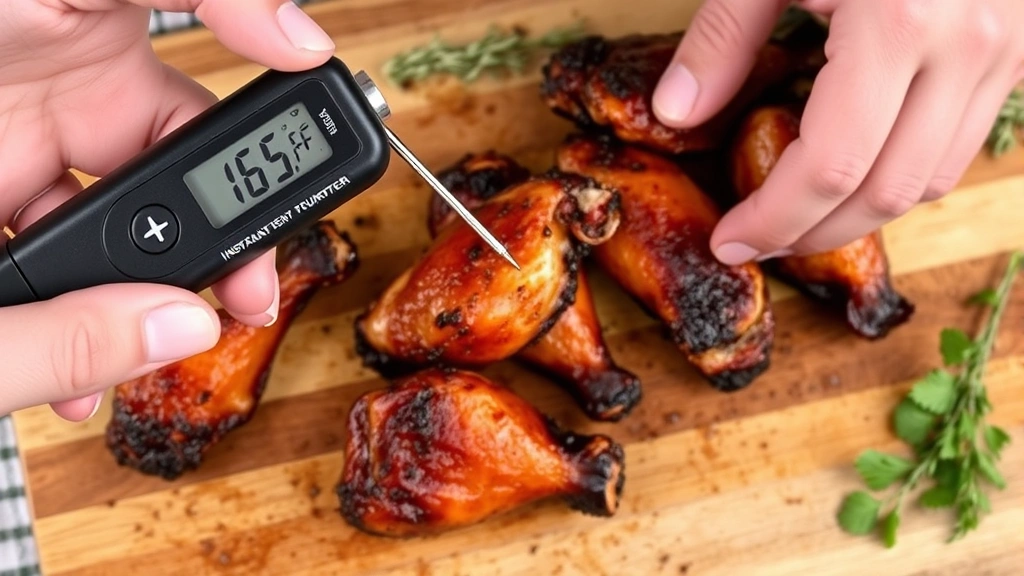
Forget about relying solely on appearance or time—accurate internal temperature is the only reliable indicator of doneness. Chicken wings are safely cooked when the internal temperature reaches 165°F at the thickest part of the drumette, away from bone.
Use an instant-read meat thermometer for accuracy. Insert the probe into the meatiest part of several wings, avoiding bone contact, which can give false readings. The meat should register 165°F throughout, not just on the surface.
Beyond temperature, visually inspect your wings:
- The meat should pull away slightly from the bone
- No pink coloration should be visible when you cut into the thickest section
- The bark should be dark brown to reddish-brown, not burnt black
- Juices should run clear when pierced with a fork
If wings reach 165°F but lack the bark development you desire, increase smoker temperature by 25°F for the final 15-20 minutes. Conversely, if wings are over-barked but haven’t reached temperature, lower heat and continue smoking—though this situation is rare.
Pro Tips for Competition-Quality Results
Elevate your smoked wings from good to extraordinary by implementing these advanced techniques used by competition pitmasters:
Inject flavor: Use a meat injector to inject butter mixed with chicken broth and seasonings directly into wings 2-3 hours before smoking. This technique ensures juicy meat and adds flavor throughout, not just on the surface. Inject 0.5-1 teaspoon per wing depending on size.
Create a steam phase: During the first 30 minutes of smoking, place a pan of boiling water on the grate below your wings. This creates a humid environment that accelerates the cooking process and promotes even heat distribution.
Rotate wing placement: Every 45 minutes, rotate your wings from hotter zones to cooler zones in your smoker. This ensures even cooking since most smokers have temperature hot spots and cold spots.
Use a binder: Before applying your dry rub, brush wings with a thin layer of yellow mustard or olive oil. This binder helps the rub adhere better and creates a more substantial bark.
Customize your rub based on finish: If planning to sauce your wings, use a lighter rub to prevent excessive sweetness. If finishing plain, use a more aggressive, complex rub with deeper spice notes.
Rest before serving: Remove wings from the smoker and let them rest for 5-10 minutes before serving. This allows juices to redistribute throughout the meat, resulting in more tender, juicy wings.
Batch smoking: If smoking multiple batches, keep finished wings warm in a 200°F oven rather than serving cold. This maintains quality throughout your serving window.
For additional outdoor cooking guidance and how-to tips, explore our comprehensive resource library.
If you’re also interested in grilling, learn about grilling burgers for another outdoor cooking method. You might also enjoy seasoning techniques for turkey that apply to chicken preparation as well.
Frequently Asked Questions
Can I smoke frozen chicken wings?
It’s not recommended to smoke frozen wings directly from the freezer. Thaw wings completely in the refrigerator (24-48 hours) before smoking. Frozen wings cook unevenly and won’t absorb smoke flavor properly. If you’re short on time, use the cold water method—submerge sealed wings in cold water, changing water every 30 minutes, until thawed (typically 1-2 hours).
Why are my smoked wings tough and dry?
Dry wings result from overcooking or insufficient moisture during smoking. Solutions include: (1) using the wrap method to lock in moisture during the final cooking phase, (2) reducing smoker temperature by 25-50°F, (3) injecting wings with butter and broth before smoking, (4) reducing total cooking time, or (5) not letting wings rest after cooking. Most commonly, people simply overcook wings by smoking past 165°F internal temperature.
Should I remove the skin from wings before smoking?
Leave skin intact—it protects meat from drying out and renders during smoking, creating a protective barrier. The skin is also where much of the bark develops. If you dislike the skin, remove it after smoking rather than before.
What’s the difference between smoked wings and grilled wings?
Smoked wings cook slowly in a 225-275°F environment with indirect heat, absorbing smoke flavor over 1.5-2.5 hours. Grilled wings cook quickly (15-20 minutes) over direct heat at higher temperatures (350-400°F+) with minimal smoke exposure. Smoking produces more tender, juicy wings with deeper flavor; grilling produces crispier skin and faster results.
Can I smoke wings on a gas grill?
Yes, but it requires setup modifications. Use a Family Handyman smoker box guide or place a smoker box filled with wood chips directly on the grates above the lit burners. Keep temperature at 225-250°F using only one side of the grill (indirect cooking). Results won’t be identical to a dedicated smoker, but still excellent.
How do I achieve crispy skin on smoked wings?
Increase smoker temperature to 275-300°F during the final 20-30 minutes of cooking. Alternatively, finish wings under a hot broiler for 2-3 minutes, watching carefully to prevent burning. Some pitmasters finish wings on a screaming hot grill grate for 1-2 minutes per side. These methods crisp skin after the smoking phase completes.
Can I smoke wings ahead and reheat them?
Absolutely. Smoked wings reheat beautifully. Store cooled wings in an airtight container in the refrigerator for up to 4 days. Reheat at 350°F for 8-10 minutes until warmed through, or reheat in a 225°F smoker for 30 minutes to refresh smoke flavor. Avoid microwaving, which dries wings excessively.
What’s the best wood for smoking chicken wings?
Apple and cherry wood are ideal for chicken wings, producing mild, slightly sweet smoke that complements poultry without overpowering it. Avoid harsh woods like hickory unless used sparingly in combination with milder woods. See our wood selection section above for detailed recommendations.
Do I need to brine wings before smoking?
Brining is optional but beneficial. A simple brine of salt, sugar, and water (1 cup salt, 1 cup sugar per gallon of water) applied for 4-8 hours before smoking increases moisture retention. Brining is particularly helpful if you’re concerned about dryness or cooking at higher temperatures.
How many wings should I plan per person?
Plan 6-10 wings per person as a main course, or 3-4 wings per person as an appetizer. A standard pound of wings contains approximately 8-10 wings depending on size.

Related Posts

Superscript in Google Docs: Expert Tips

Strikethrough in Excel: Easy Steps for Beginners
