
How Long Does Grass Seed Take to Grow? Expert Guide
How Long Does Grass Seed Take to Grow? Expert Guide
There’s something deeply satisfying about transforming a patchy, bare lawn into a lush green carpet. But if you’ve recently scattered grass seed across your yard, you’re probably wondering: when will I actually see results? The truth is, grass seed germination isn’t a quick fix—it’s a process that requires patience, the right conditions, and a realistic timeline.
Whether you’re tackling a complete lawn renovation or just filling in dead spots, understanding the grass growth timeline helps you manage expectations and avoid the temptation to abandon your project too soon. Most grass seed varieties germinate within 5 to 30 days, but the journey from tiny seedling to established lawn takes considerably longer. Let’s break down exactly what happens during each stage and what you can do to speed things along.
Grass Seed Germination Timeline
Let’s start with the basics: grass seed germination happens in distinct phases, and understanding each one gives you a clearer picture of what’s happening beneath the soil surface.
Days 1-3: The Awakening Phase
When you first plant grass seed, nothing visible happens immediately. Don’t panic—this is completely normal. During these initial days, the seed absorbs moisture and begins metabolic activity. The seed coat softens, and internal processes kick into gear. You won’t see any shoots or roots yet, but biologically, the seed is very much alive and working.
Days 4-7: Root Development Begins
By the end of the first week, tiny root structures start emerging from the seed. These delicate roots push downward into the soil, searching for moisture and nutrients. This is why consistent watering during this period is absolutely critical—the emerging roots are vulnerable and need steady access to water. If the soil dries out now, you’ll lose those seeds.
Days 8-14: Shoot Emergence
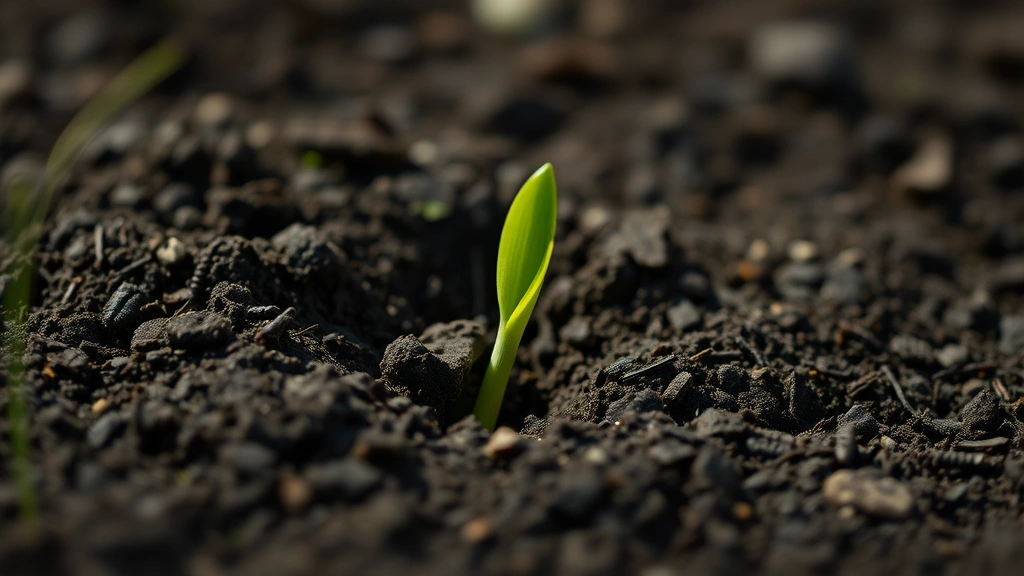
Around the second week, you’ll start seeing the first green shoots breaking through the soil surface. This is the moment many gardeners get excited—and rightfully so. Those tiny green sprouts are your first visual confirmation that the seed is doing what it’s supposed to do. However, these seedlings are still incredibly fragile and require careful attention.
Days 15-30: Establishing Growth
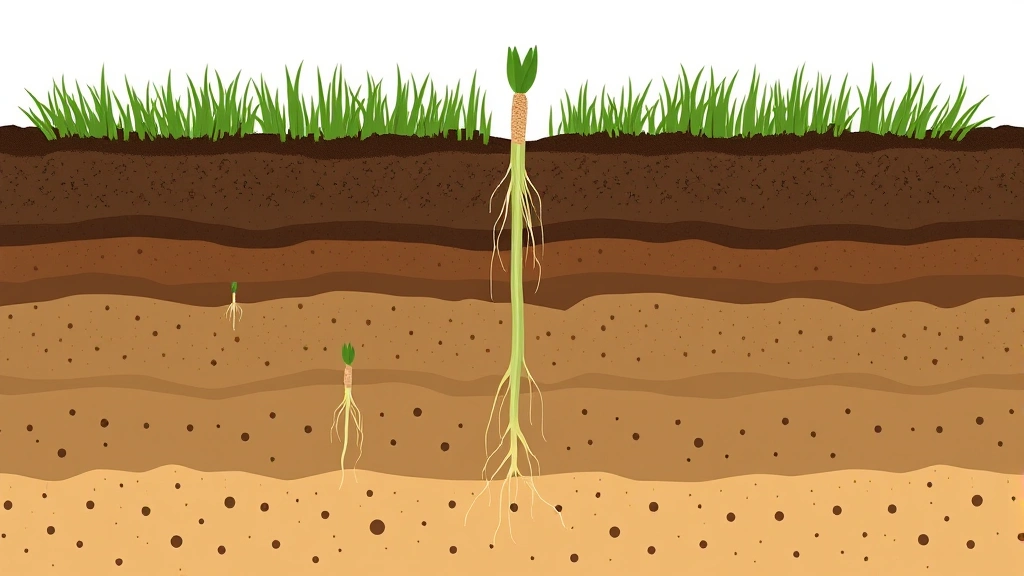
During the third and fourth weeks, grass shoots continue growing taller, and the root system expands deeper into the soil. The grass begins to look more like actual lawn grass rather than wispy sprouts. By the end of the first month, many grass varieties will be tall enough for light foot traffic, though the lawn is still far from fully established.
Factors That Affect Growth Speed
Here’s where it gets interesting: not all grass seed grows at the same rate. Several environmental and situational factors dramatically influence how quickly your lawn develops.
Temperature Matters More Than You Think
Grass seed is temperature-sensitive. Cool-season grasses (like fescue and bluegrass) germinate best when soil temperatures are between 60-75°F. Warm-season grasses (like bermuda and zoysia) need soil temperatures of 70-85°F to really take off. If you plant during the wrong season or if temperatures fluctuate dramatically, germination slows considerably. Planting cool-season grass in summer heat or warm-season grass in early spring means waiting longer to see results.
Moisture: The Critical Factor
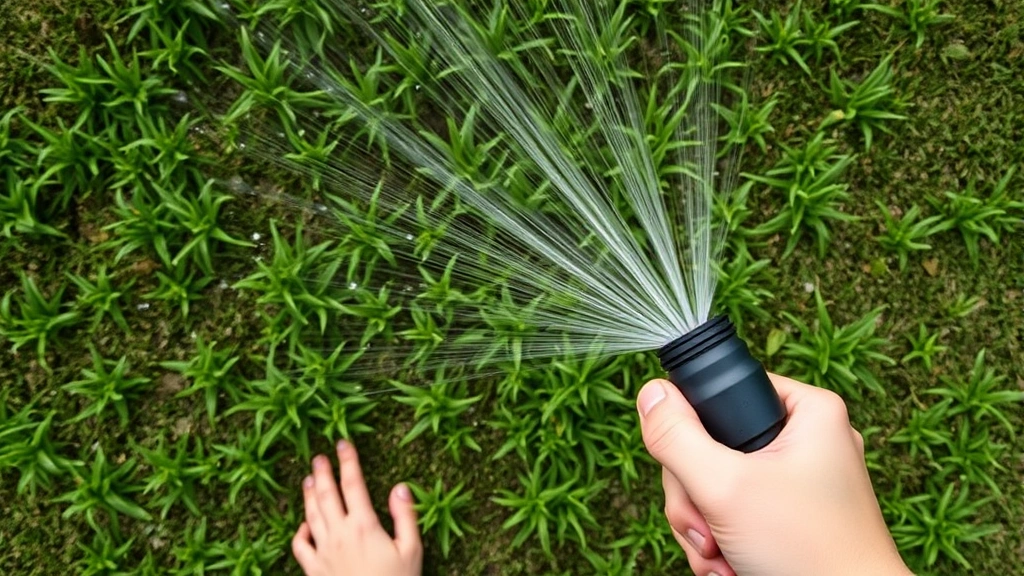
You can have perfect soil, ideal temperatures, and premium seed, but without adequate moisture, nothing happens. Grass seed needs consistent moisture—not soggy, but definitely not dry. The top half-inch of soil should remain moist for the first 2-3 weeks. Most people underwater during this critical period, which is why their grass takes forever to germinate or fails entirely. Light, frequent watering (2-3 times daily) beats heavy, infrequent watering.
Soil Quality and pH
Poor soil quality extends the timeline significantly. Compacted soil prevents root penetration, and nutrient-poor soil forces seedlings to work harder for basic nutrition. Soil pH also matters—most grass prefers slightly acidic to neutral soil (6.0-7.0 pH). If your soil is too alkaline or too acidic, grass struggles to absorb nutrients, which slows growth dramatically.
Sunlight Exposure
Most grass varieties need at least 4-6 hours of direct sunlight daily for optimal growth. Shaded areas germinate more slowly and produce thinner grass overall. If you’re seeding a shady spot, expect a longer timeline and consider shade-tolerant grass varieties.
Seed Quality
Not all grass seed is created equal. Premium seed with high germination rates sprouts faster and more uniformly than bargain-bin alternatives. Older seed or seed stored in poor conditions has lower germination rates, meaning fewer seeds sprout and the process takes longer overall.
Different Grass Types and Their Timelines
Before you plant grass seed, knowing your grass type helps you set realistic expectations for germination speed.
Cool-Season Grasses
Perennial ryegrass germinates in 5-10 days under ideal conditions, making it one of the fastest options. Tall fescue takes 7-12 days, while Kentucky bluegrass is slower at 14-21 days. These grasses thrive in northern climates and germinate best in spring or fall when temperatures are moderate.
Warm-Season Grasses
Bermuda grass typically germinates in 7-14 days when soil temperatures are consistently warm. Zoysia grass is slower, often taking 14-21 days or even longer. Buffalo grass and St. Augustine grass fall somewhere in between. These varieties need warm soil (70°F+) to germinate reliably, so planting too early in spring means a much longer wait.
Blended Seed Mixes
Most homeowners use seed blends combining multiple grass varieties. These mixes germinate over an extended period since each variety has its own timeline. You might see fast-germinating ryegrass within a week, but bluegrass takes longer, creating a staggered germination pattern. This actually works in your favor because it creates a more diverse, resilient lawn.
Why Soil Preparation Matters
Here’s the honest truth: soil preparation is where most DIYers cut corners, and it’s exactly where they shouldn’t. Proper preparation can cut your germination timeline in half, while skipping this step can extend it dramatically.
Testing Your Soil
Before planting, get a soil test done through your local extension office. This $20-30 investment tells you exactly what your soil needs: pH adjustments, nutrient additions, or organic matter incorporation. A soil test transforms guesswork into a precise action plan, and your grass responds accordingly with faster, healthier growth.
Addressing Compaction
Compacted soil is the enemy of fast grass germination. If your yard has been walked on for years or if heavy equipment has been parked there, the soil needs loosening. Aeration creates channels for roots to penetrate and water to drain properly. Even basic grass seed planting techniques work better on aerated soil.
Adding Organic Matter
Incorporating 1-2 inches of compost or aged organic matter improves soil structure, increases water retention, and provides slow-release nutrients. This amendment dramatically accelerates grass germination and establishment because seedlings have better access to moisture and nutrition.
Removing Debris
Dead grass, stones, and other debris create barriers between seed and soil. Remove these obstacles before planting so seed makes direct contact with soil, which is essential for moisture absorption and germination.
Essential Maintenance During Growth
Planting seed is just the beginning. What you do during those crucial first 4-6 weeks determines whether your lawn thrives or struggles.
Watering Schedule
During the first two weeks, water 2-3 times daily in short intervals (just enough to keep the top half-inch moist). After germination, gradually reduce frequency while increasing duration—moving toward deeper, less frequent watering by week 3-4. This encourages deeper root development. Home Depot’s grass seed guides offer detailed watering recommendations for different seed types.
Avoiding Foot Traffic
Those delicate seedlings can’t handle foot traffic yet. Keep people and pets off the seeding area for at least 3-4 weeks. Walking on young grass crushes seedlings and compacts soil, both of which slow growth and reduce survival rates.
Fertilization Timing
Resist the urge to fertilize immediately after planting. Most grass seed contains starter fertilizer already. Wait until grass reaches 2-3 inches tall before applying additional fertilizer. Early fertilization can actually harm young seedlings by encouraging excessive leaf growth before roots are established.
Mowing Considerations
Don’t even think about mowing until grass reaches at least 3-4 inches tall, and never remove more than one-third of the blade height in a single mowing. Your first mow should happen around week 4-6, depending on growth rate and grass type. Mowing too early or too aggressively setbacks establishment significantly.
Common Mistakes That Slow Growth
Even with good intentions, most people make at least one of these mistakes that extends the germination timeline unnecessarily.
Planting at the Wrong Time
Timing is everything. Plant cool-season grass in fall or early spring when temperatures are mild. Plant warm-season grass in late spring or early summer when soil is consistently warm. Planting outside these windows means fighting against weather conditions, which dramatically slows germination and establishment.
Underwatering During Germination
This is the #1 mistake. People water once a day thinking that’s enough, but it’s not. During those critical first two weeks, the top half-inch of soil must stay consistently moist. Underwatering causes seeds to dry out and fail to germinate, or seedlings to die just after sprouting. If you can only water once daily, use a soaker hose or drip irrigation to maximize efficiency.
Using Poor Quality Seed
Bargain seed saves money upfront but costs you time and frustration. Cheap seed has lower germination rates, meaning fewer seeds sprout and the process takes longer. Premium seed costs more but germinates faster and more uniformly, actually saving you money over the long term through better results.
Ignoring Soil Preparation
Planting seed directly into unprepared soil is like trying to grow vegetables without proper gardening knowledge—possible but unnecessarily difficult. Just like you’d prepare soil properly when growing carrots, growing ginger, or growing garlic, lawn soil requires the same attention to detail. Compacted, nutrient-poor soil extends germination by weeks.
Overcomplicating the Process
Some people apply too many products, adjust watering constantly, or interfere with the natural process. Grass seed is actually quite resilient when basic conditions are met: adequate moisture, appropriate temperature, and decent soil. Sometimes the best thing you can do is plant it and leave it alone (while maintaining proper watering, of course).
Frequently Asked Questions
Can I speed up grass seed germination?
You can optimize conditions, but you can’t drastically accelerate the natural germination process. Focus on the factors you control: soil preparation, consistent moisture, appropriate temperature, and quality seed. Some people use seed treatments or pre-soaking techniques, but these typically only shave a few days off the timeline. Your best bet is ensuring ideal conditions rather than trying to cheat the process.
Why hasn’t my grass seed germinated after two weeks?
If nothing has sprouted after 14 days, something’s wrong. Most likely culprits: underwatering (the soil dried out), wrong temperature (planted at the wrong season), poor seed quality, or heavy soil compaction. Check soil moisture by digging down an inch—it should be consistently moist. If it’s dry, increase watering frequency. If temperatures have been outside the ideal range for your grass type, germination will be delayed.
How long until my lawn is fully established?
Germination takes 5-30 days depending on conditions and grass type, but full establishment takes much longer. Plan on 6-8 weeks before the lawn is dense enough to handle regular foot traffic. Some grass types take 3-4 months to fully establish with deep roots and dense coverage. This is why it’s crucial to protect young grass and avoid heavy use during the establishment period.
Should I water my grass seed every day?
During the first two weeks, yes—water 2-3 times daily in short intervals to keep soil consistently moist. After germination is visible, gradually reduce frequency while increasing duration. By week 4-6, you’re aiming for deeper, less frequent watering that encourages deeper root development. This transition is important for building a resilient lawn.
Can I plant grass seed in summer?
It depends on your climate. Cool-season grasses struggle in summer heat and germinate poorly. Warm-season grasses can be planted in late spring/early summer when soil is warm. If you’re in a cool-climate zone and want to plant in summer, choose shade and ensure consistent watering since heat stress is a major challenge. Generally, planting during the recommended season for your grass type produces much faster, more reliable results.
What’s the difference between seed and sod?
Seed takes 4-8 weeks to establish, while sod provides instant lawn coverage. This Old House’s lawn seeding guide offers detailed comparisons. Seed is cheaper but requires patience and careful maintenance. Sod costs more but eliminates the germination wait. For most homeowners, seed is the practical choice despite the longer timeline.
How do I know when to mow newly seeded grass?
Wait until grass reaches 3-4 inches tall before the first mow, which typically happens 4-6 weeks after planting. Set your mower to the highest setting and never remove more than one-third of the blade height. Family Handyman’s lawn seeding article provides detailed mowing guidance for new grass.
The bottom line: grass seed takes 5-30 days to germinate under ideal conditions, but establishing a mature, resilient lawn takes 6-8 weeks or longer. The timeline depends on grass type, soil conditions, temperature, moisture, and sunlight. By understanding these factors and avoiding common mistakes, you’ll see results faster and end up with healthier grass. Plant with patience, maintain consistent care, and you’ll transform that bare patch into a green oasis worth the wait. For more detailed planting techniques, consult manufacturer-specific seeding instructions for your grass variety.

Related Posts

How Long to Boil Lobster Tails: Cooking Guide

How Long to Fly from New York to London? Travel Times
