
How to Play Old Maid: Expert Guide
How to Play Old Maid: Expert Guide to Mastering This Classic Card Game
There’s something timeless about gathering around a table with friends or family and playing a simple card game that requires nothing more than a deck of cards and a willingness to laugh at your own misfortune. Old Maid is one of those games that has entertained people for generations, and despite its simplicity, it’s packed with enough suspense and humor to keep everyone engaged. Whether you’re introducing the game to kids for the first time or rediscovering it as an adult, understanding the mechanics and strategy behind Old Maid can elevate your game from casual fun to genuinely competitive play.
The beauty of Old Maid lies in its accessibility. You don’t need expensive equipment, complex rule books, or years of practice to enjoy it. What you do need is a basic understanding of how the game flows, some strategic thinking about card placement, and the ability to maintain a poker face when you’re holding that dreaded Old Maid card. This guide will walk you through everything you need to know to play like a pro, from setup to advanced tactics that might just help you avoid drawing the losing card.
If you enjoy card games that blend luck with strategy, you might also appreciate learning how to play Spades, another classic that rewards both skill and intuition. For now, let’s dive into the comprehensive world of Old Maid and become masters of this beloved game.
What Is Old Maid?
Old Maid is a classic elimination card game that’s been played in various forms across different cultures for centuries. The game’s core concept is delightfully straightforward: players take turns drawing cards from each other’s hands, trying to form matching pairs and discard them. The player left holding the Old Maid card at the end of the game loses. It’s a game of chance, observation, and psychological warfare wrapped up in a package that takes about 10-15 minutes to complete.
The game typically accommodates 2 to 8 players, though it works best with 3 to 6 people. The larger the group, the more chaotic and entertaining the experience becomes. What makes Old Maid so enduring is that it requires minimal cognitive load but maximum entertainment value. Young children can play it without difficulty, yet adults find themselves genuinely invested in the outcome.
The historical roots of Old Maid trace back to various European card games, with some variations dating back several centuries. The modern version we know today solidified in popularity during the Victorian era and has remained relatively unchanged. This consistency is part of its charm—it’s a game that connects us to our childhoods and to generations of players who came before us.
Game Setup and Preparation
Before you can play Old Maid, you need to properly prepare your game environment and materials. The setup process is quick but crucial to ensuring fair and smooth gameplay.
Materials Needed:
- One standard 52-card deck of playing cards
- A flat playing surface large enough for all players
- Optional: a timer if you want to enforce turn limits
Start by removing one Queen from the deck—this is your Old Maid card. You can mark it slightly on the back if you want to make it easier to identify during shuffling, though this isn’t necessary. Some players prefer to use a Joker instead of a Queen, which works just as well. The key is having one card that’s designated as the losing card.
Next, thoroughly shuffle the remaining 51 cards. This is important because any patterns in the shuffling can give observant players an advantage. Shuffle multiple times using different techniques—overhand shuffles, riffle shuffles, and table spreads all work well. The goal is to ensure complete randomization.
Once shuffled, deal the cards face-down to all players, one card at a time, going around the table in clockwise order. Players will receive unequal numbers of cards if the total doesn’t divide evenly, which is perfectly fine. Some players will get 9 cards while others get 8, for example. This slight inequality doesn’t affect gameplay significantly.
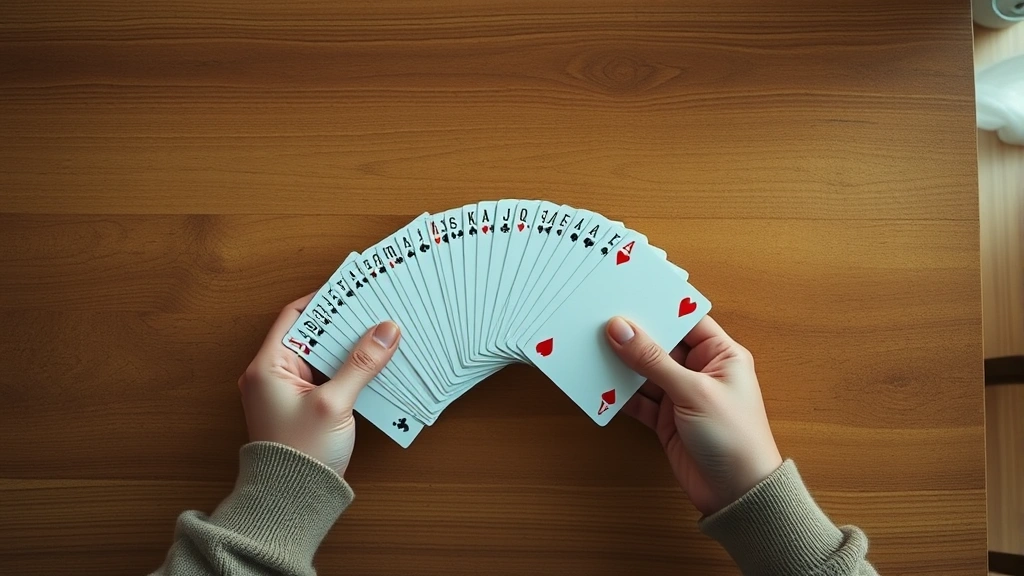
Each player picks up their cards and arranges them in their hand. Players should hold their cards in a fan formation, keeping them close to their chest so other players can’t see the card faces. The player to the dealer’s left goes first.
Basic Rules and Gameplay
Understanding the turn structure is essential to playing Old Maid correctly. Each turn follows a specific sequence that keeps the game moving and ensures fairness.
The Turn Structure:
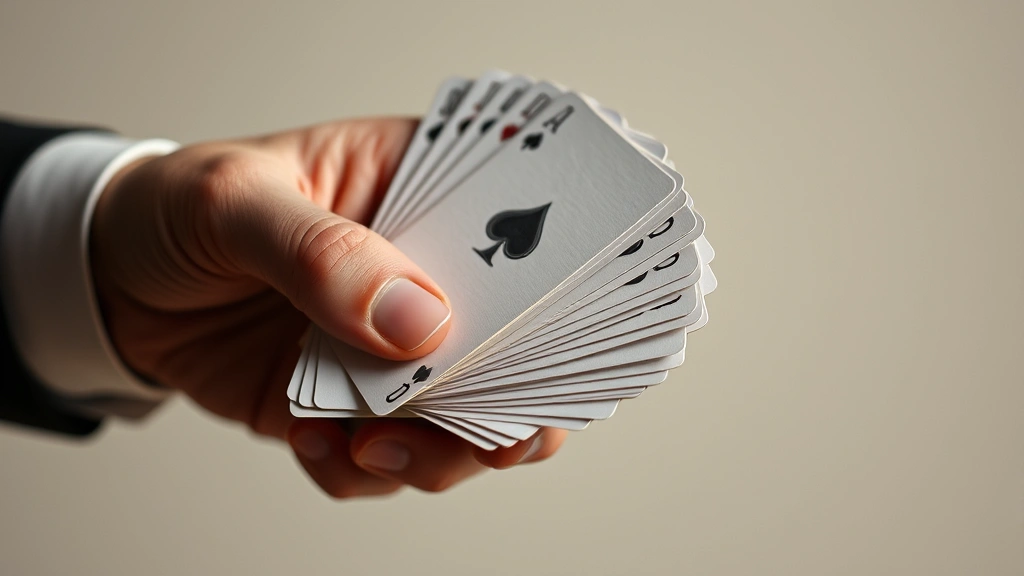
On your turn, you must draw one card from the player to your left (or the player of your choice, depending on house rules). Look at the card you’ve drawn. If it matches any card in your hand, you must place that matching pair face-down on the table in front of you. This pair is now out of play and cannot be used again. Continue drawing and discarding pairs until you draw a card that doesn’t match anything in your hand—then your turn ends, and play passes to the next player clockwise.
The critical rule to remember is that you cannot draw from the player who just played. This prevents immediate retaliation and adds a strategic element to the game. You must draw from someone else at the table, which means you need to pay attention to everyone’s hand positions and card counts.
As players eliminate all their cards by forming pairs, they drop out of the game. Eventually, only two players remain, with one holding the Old Maid card. That player must offer their remaining card to the other player. If the other player draws the Old Maid, they lose. If they draw any other card, the first player loses.
The game continues until only one card remains in play—the Old Maid. Whoever holds it at the end is the loser. Some variations declare the last person without the Old Maid as the winner, which is functionally identical.
Key Rules to Remember:
- You must draw exactly one card per turn
- You cannot draw from the player who just played
- Pairs must be matched sets (both Kings, both 7s, etc.)
- Discarded pairs must be placed face-down and kept separate from your hand
- You cannot rearrange your cards excessively to hide the Old Maid’s position
- All players must draw cards fairly without looking
Winning Strategy and Psychology
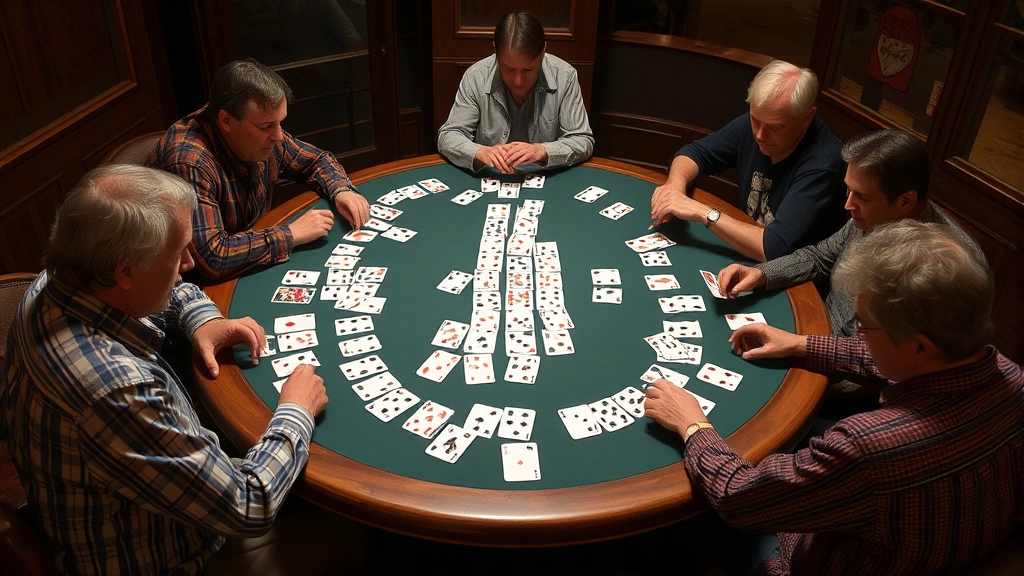
While Old Maid is fundamentally a game of chance, skilled players employ psychological tactics and observation to improve their odds. The difference between a casual player and an expert often comes down to reading opponents and managing card positions strategically.
Observation and Memory:
The most powerful weapon in Old Maid is your memory. Keep track of which cards have been discarded as pairs. This information helps you narrow down which cards remain in play. If you’ve seen both Kings of hearts and diamonds discarded, you know the remaining Kings must be spades and clubs. This knowledge helps you avoid drawing cards that are likely to be the Old Maid.
Pay attention to how many cards each player holds. If someone has significantly fewer cards than everyone else, they’re likely to get eliminated soon. If someone has far more cards, they’re holding multiple unmatched cards, which means they’re probably holding some rare cards that haven’t been paired yet.
Psychological Tactics:
Your card arrangement and presentation matter more than you might think. Hold your cards in a way that makes certain cards appear more vulnerable to selection. Players are naturally drawn to cards that stick out slightly or appear easier to grab. Position your Old Maid card (if you’re holding it) in the middle of your fan, surrounded by other cards, making it less obvious than the cards at the edges.
When offering your hand to other players, keep your movements consistent. Don’t hesitate differently when someone’s about to draw your Old Maid. Your facial expression should remain neutral regardless of which card they select. These micro-expressions and hesitations can give away crucial information to observant opponents.
Strategic Card Placement:
Never arrange your cards in obvious patterns. Avoid grouping cards by suit or value, as this makes it easier for opponents to predict where specific cards might be. Instead, randomize your arrangement while keeping track of where your cards actually are. This creates a disconnect between the logical arrangement and the actual positions, confusing opponents.
When drawing cards from other players, vary your selection pattern. Don’t always draw from the same position in their hand. Don’t always draw from the left end or the middle. Mix up your approach so opponents can’t predict your behavior and position their dangerous cards accordingly.
Popular Variations
Once you’ve mastered the basic game, exploring variations can refresh the experience and add new layers of complexity. If you enjoy experimenting with different rule sets, you might also find how to play Cribbage interesting, as it offers similar depth with different mechanics.
Speed Old Maid:
In this variation, players have only 3 seconds to draw a card from an opponent’s hand. This rapid-fire version removes the psychological element and relies purely on luck and quick reflexes. It’s perfect for players who want a more chaotic, less strategic experience.
Multiple Old Maids:
Instead of one Old Maid, remove three or four cards of the same rank (or Jokers if using them). This variation increases the difficulty since players can’t simply focus on avoiding one specific card. It also extends gameplay since more cards remain unpaired at the end.
Joker Old Maid:
Use both Jokers plus one additional card as the losing cards. This three-card variation can be played where drawing any of these three cards results in elimination, or only the final player holding any of these cards loses.
Old Maid With Point Values:
Assign point values to different cards. Face cards are worth 10 points, number cards are worth their face value, and the Old Maid is worth 50 points. The player holding the Old Maid at the end receives the penalty points. Players can continue playing multiple rounds, with the lowest total score after several rounds declared the winner.
Blind Old Maid:
Players hold their cards facing away from themselves, so they can’t see their own cards. They must rely entirely on other players’ reactions and their own memory of cards they’ve drawn. This hilarious variation removes all strategy and creates pure chaos.
Common Mistakes to Avoid
Even experienced players occasionally make errors that cost them the game. Being aware of these common mistakes helps you avoid them and maintain your competitive edge. If you’re also interested in strategic card games with more complex rules, how to play Spoons offers another engaging option with its own set of nuances to master.
Mistake #1: Telegraphing Your Emotions
The most common error is displaying obvious reactions when you draw or lose the Old Maid. Your face lights up when you draw a good card, or your shoulders slump when you get stuck with a bad one. Experienced opponents watch for these tells and adjust their strategy accordingly. Maintain a poker face regardless of what cards you’re drawing or holding.
Mistake #2: Holding Cards in Predictable Patterns
Arranging your cards by suit, value, or color makes it too easy for opponents to predict where specific cards are located. They’ll quickly learn your system and deliberately target those positions. Keep your arrangement random and update it occasionally during the game to maintain confusion.
Mistake #3: Being Too Hesitant or Too Quick
Varying your speed inconsistently when offering your hand gives away information. If you hesitate when someone reaches for a specific card, they’ll know something dangerous is there. Conversely, if you’re always quick with certain cards, observant players will notice the pattern. Keep your movements steady and consistent.
Mistake #4: Forgetting to Track Discarded Pairs
Many casual players don’t pay attention to which cards have been discarded as pairs. This information is valuable for narrowing down possibilities. If you remember which cards have been paired, you can make more informed decisions about which cards are likely to be the Old Maid.
Mistake #5: Overlooking Card Counts
Keeping track of how many cards each player holds tells you who’s likely to be eliminated next and helps you understand the overall game state. A player with only two cards is about to either pair them or become the next loser. Knowing this helps you anticipate upcoming turns and adjust your strategy.
Mistake #6: Always Drawing From the Same Position
If you consistently draw from the left side of an opponent’s hand, they’ll position their dangerous cards on the right. If you always draw from the middle, they’ll place their Old Maid at the edges. Vary your selection pattern to keep opponents guessing.
For players interested in exploring more complex strategic games, how to play D&D provides an entirely different type of gaming experience with its own learning curve and strategic depth.
Frequently Asked Questions
Can you play Old Maid with a regular deck of cards, or do you need a special deck?
You can absolutely play Old Maid with a regular 52-card deck. Simply remove one card (traditionally a Queen, but any card works) and you’re ready to play. Special Old Maid card decks exist with themed artwork, but they’re not necessary. The standard deck works perfectly fine and is what most people use.
What happens if a player runs out of cards before the end of the game?
If a player successfully pairs all their cards and has no cards left, they’re eliminated from the game. They sit out the rest of the round and cannot draw or offer cards. The game continues with the remaining players until only one card (the Old Maid) remains in play.
Is there a maximum number of players for Old Maid?
While you can technically play with more than 8 players, the game becomes increasingly chaotic and luck-dependent. With many players, it’s harder to track cards and observe patterns. Most experts recommend keeping the player count between 3 and 6 for optimal gameplay. With 2 players, the game becomes almost entirely luck-based since observation is minimal.
Can you refuse to let someone draw from your hand?
No, players cannot refuse to let opponents draw from their hand. This is a fundamental rule. However, you can arrange your cards strategically to make certain cards more or less accessible. The player drawing must select a card fairly without looking at the faces.
What’s the best strategy for holding the Old Maid card?
If you’re holding the Old Maid, keep it in the middle of your fan, surrounded by other cards. Avoid placing it at the edges where it’s more likely to be selected. Maintain a completely neutral expression and consistent hand positioning. Don’t look at your cards more frequently or less frequently than normal. The goal is to make the Old Maid indistinguishable from your other cards.
How long does a typical game of Old Maid last?
A standard game of Old Maid usually lasts between 10 and 20 minutes, depending on the number of players and how quickly pairs form. With more players, the game typically lasts longer. You can speed up gameplay by reducing the number of cards in play or enforcing strict time limits for drawing cards.
Is Old Maid considered a game of skill or luck?
Old Maid is primarily a game of luck, but skill and psychology play important roles. You cannot control which cards other players draw, but you can influence their decisions through strategic card arrangement and psychological tactics. Expert players consistently outperform casual players, indicating that skill does matter, but the luck element ensures that anyone can win on any given day.
Can you play Old Maid online?
Yes, numerous websites and mobile apps offer digital versions of Old Maid. However, the psychological elements of the physical game (reading expressions, observing card arrangement) are largely removed in digital versions, making them purely luck-based. The physical card game remains the superior experience for most players.
If you’re looking to expand your card game repertoire beyond Old Maid, consider exploring how to read Manga for entertainment during downtime, or dive deeper into more complex card games that offer strategic depth.
Final Thoughts on Mastering Old Maid
Old Maid endures as a beloved game because it perfectly balances simplicity with entertainment value. Whether you’re playing casually with family or competitively with friends, understanding the rules, employing strategic thinking, and reading your opponents will significantly improve your chances of success. The game teaches valuable lessons about observation, psychology, and maintaining composure under pressure—skills that extend far beyond the card table.
The beauty of Old Maid lies in its accessibility to players of all ages and experience levels, combined with enough depth to keep experienced players engaged. Start with the basic rules, practice your poker face, and gradually incorporate the psychological tactics discussed in this guide. Before long, you’ll find yourself consistently avoiding the Old Maid and winning more games than you lose.
Remember that the primary goal is to have fun. While winning is satisfying, the real value of Old Maid comes from the moments of laughter, suspense, and connection with the people you’re playing with. So gather your friends and family, shuffle up that deck, and may the odds—and your strategic brilliance—be ever in your favor.
For authoritative information about card game rules and variations, check out This Old House‘s family entertainment section, Family Handyman‘s hobby guides, and established hobby organizations that document classic games. You can also find detailed card game instructions at Pagat.com, which maintains comprehensive rules for hundreds of card games including various Old Maid variations.

Related Posts

How Long to Boil Lobster Tails: Cooking Guide

How Long to Fly from New York to London? Travel Times
