
How to Tell If an Egg Is Bad: Simple Tips
How to Tell If an Egg Is Bad: Simple Tips
There’s nothing worse than cracking an egg into your skillet only to discover it’s gone bad. That unmistakable sulfurous smell, the slimy texture, or the off-color yolk can turn your breakfast plans into a waste of time and appetite. The frustrating part? Many of us aren’t entirely sure what we’re looking for until it’s too late. Whether you’re meal prepping for the week or just grabbing eggs from your fridge, knowing how to identify a bad egg before it ruins your dish is a skill worth mastering.
The good news is that determining whether an egg is still safe to eat doesn’t require any special equipment or culinary expertise. In fact, you probably have everything you need right in your kitchen already. From simple visual checks to the classic water test, there are multiple reliable methods to catch a spoiled egg before it becomes a problem. We’ll walk you through each one so you can confidently assess your eggs and make the most of your groceries.
Visual Inspection: The First Line of Defense
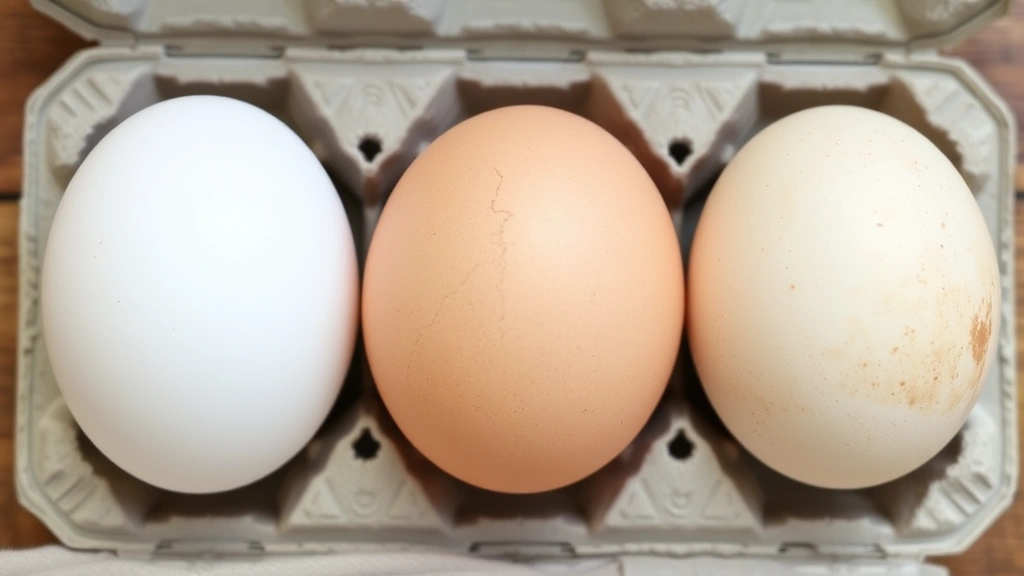
Before you even think about cracking an egg into a bowl, take a moment to examine the shell itself. A good egg should have a clean, intact shell with no visible cracks, dents, or leaks. If you notice any damage to the exterior, that egg is compromised and should go straight into the trash. Bacteria can easily enter through even the tiniest crack, making the entire contents unsafe to consume.
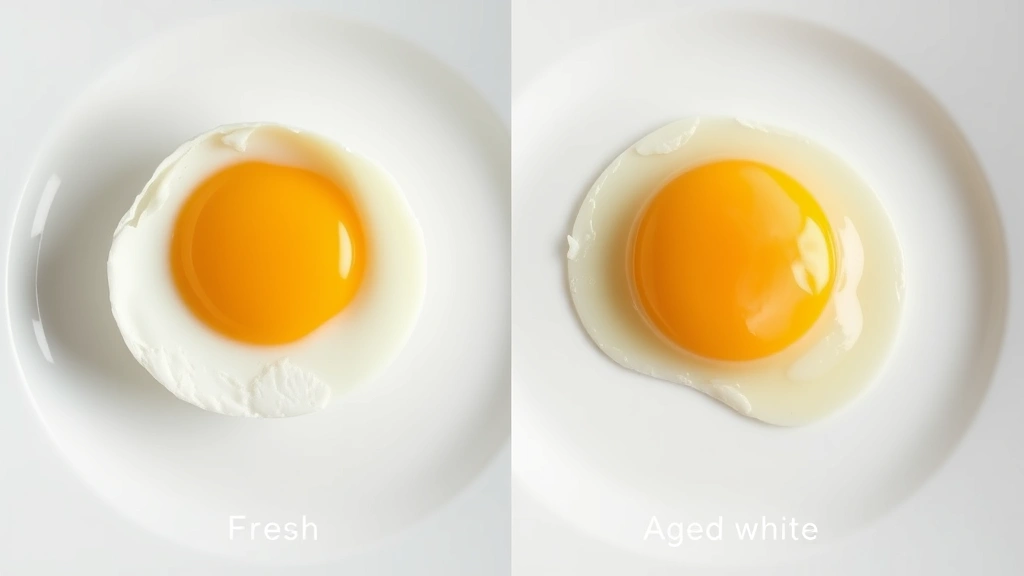
Once you’ve cleared the shell inspection, it’s time to crack the egg open and examine what’s inside. A fresh egg will have a firm, bright yellow or golden yolk that stands up proudly in the center of the white. The egg white itself should be clear and relatively thick, not runny or cloudy. If the yolk appears flat, broken, or has a greenish-gray ring around it, that’s a sign of oxidation and age. The egg might not be dangerous, but it’s definitely past its prime.
Color variations in yolks are actually normal and depend on the chicken’s diet, so don’t panic if you see a pale yellow or deep orange yolk. What matters is consistency and appearance. If the yolk looks watery, the white has turned pink or brown, or you notice any unusual discoloration, it’s time to discard that egg. When in doubt, throw it out—it’s not worth the risk of food poisoning.
Understanding how to tell if eggs are good starts with this visual assessment. Many people skip this step and jump straight to cooking, but those few extra seconds of inspection can save you from a truly unpleasant breakfast experience.
The Smell Test: Your Nose Knows
Your sense of smell is one of your most reliable tools when it comes to food safety. A fresh egg should have a clean, neutral smell—or essentially no smell at all. When you crack open an egg and get a whiff of something unpleasant, particularly that distinctive rotten or sulfurous odor, trust your instincts immediately. That’s hydrogen sulfide, and it’s a clear indicator that bacteria have been having a party inside that shell.
The tricky part is distinguishing between the normal, slightly eggy smell of a fresh egg and the genuinely bad smell of a spoiled one. If you’re uncertain, lean toward caution. Crack the egg into a separate bowl rather than directly into your cooking vessel, so you can easily discard it without contaminating your ingredients. This extra step is especially important when you’re making something that requires multiple eggs, like an omelet or baked goods.
It’s worth noting that even a slightly off smell warrants disposal. Some bacteria don’t produce obvious odors until they’ve multiplied significantly, so relying solely on your nose isn’t foolproof. This is why combining the smell test with other methods, like how to check if eggs are good, gives you the most comprehensive assessment.
The Float Test: An Old Kitchen Classic
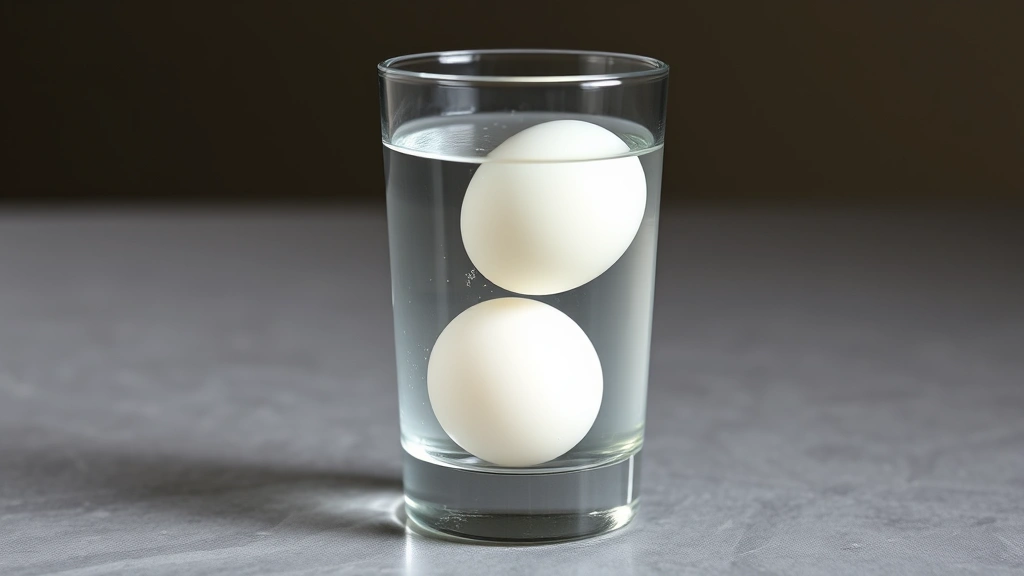
The float test is perhaps the most famous method for checking egg freshness, and for good reason—it actually works. Here’s how it operates: fill a glass with cold water and gently place your egg in it. A fresh egg will sink straight to the bottom and lie on its side. This happens because fresh eggs have very little air space inside them.
As an egg ages, moisture slowly evaporates through its porous shell, creating an increasingly larger air pocket inside. An older but still acceptable egg will sink but stand slightly upright on the bottom of the glass. Once that air pocket gets even bigger, the egg will float somewhere in the middle of the water column. If an egg floats to the surface, it’s definitely too old to eat safely.
The science behind this test is straightforward and reliable. The larger the air pocket, the more buoyant the egg becomes. While a floating egg isn’t necessarily dangerous in all cases—some older eggs are still technically edible—it’s generally safer to follow the rule that floating equals discarding. Why take chances when you’re trying to figure out if eggs are still good?
One advantage of the float test is that you don’t have to crack the egg open to perform it, so you’re not exposing yourself to any potentially harmful bacteria until you’re ready to cook. This makes it an excellent preliminary check before you start your meal preparation. Many experienced cooks keep this method in their back pocket as a final verification before using eggs in important recipes.
Reading Expiration Dates and Pack Codes
Every carton of eggs comes with dating information, but understanding what those numbers and letters mean can be confusing. The most common date you’ll see is the “pack date,” which indicates when the eggs were graded, cleaned, and packaged. In the United States, this is typically shown as a three-digit code representing the day of the year, with January 1st as day 001.
The “expiration date” or “best by date” is usually printed on the carton as well and represents approximately 30 days after the pack date. This is the date by which you should ideally use the eggs. However, eggs can often remain fresh for a week or two beyond this date if they’ve been stored properly in the refrigerator. The expiration date is more of a guideline for peak quality rather than a hard cutoff for safety.
If you’re trying to determine how to tell if eggs are still good past their printed date, the float test and visual inspection become your best friends. Some eggs will still be perfectly fine weeks after their expiration date, while others might be questionable. Always combine the date information with the physical tests we’ve discussed for the most accurate assessment.
Pro tip: when you bring eggs home from the store, check the pack date before putting them in your fridge. If you’re buying from a store that doesn’t rotate their stock properly, you might end up with eggs that are already several weeks old. Choosing cartons with more recent pack dates ensures you’re starting with fresher eggs and buying yourself more time before they need to be used.
Proper Storage to Keep Eggs Fresh Longer
While knowing how to identify a bad egg is essential, preventing eggs from going bad in the first place is even better. Proper storage is absolutely crucial for maintaining egg freshness. Always keep eggs in the coldest part of your refrigerator, typically the back of a shelf rather than the door. The door experiences temperature fluctuations every time it’s opened, which accelerates spoilage.
Keep eggs in their original carton rather than transferring them to a decorative bowl or container. The carton serves multiple purposes: it protects the eggs from absorbing odors from other foods, prevents them from rolling around and cracking, and provides crucial information about the pack date and expiration date. It’s actually one of the best storage solutions you could use.
If you’ve already cracked some eggs but didn’t use all of them, you can store leftover raw egg whites and yolks separately in airtight containers in the refrigerator for about four days. However, this is riskier than keeping them in the shell, so use them quickly. For recipes like boiling chicken where you might need to coordinate multiple ingredients, having properly stored eggs on hand ensures you’re not working with questionable ingredients.
Temperature consistency is your friend. Keep your refrigerator at 40°F or below, and try to maintain that temperature as consistently as possible. If you’re someone who plans meals in advance, similar to how you might plan how to store strawberries for the week, buying eggs in quantities you’ll actually use within two to three weeks prevents waste and ensures freshness.
For long-term storage, you can freeze raw eggs. Simply crack them into a bowl, beat them lightly, pour them into ice cube trays, and freeze. Once frozen, transfer the cubes to a freezer bag. Frozen eggs last about four months and work well for cooking and baking, though the texture changes slightly and they’re not suitable for recipes requiring whole eggs.
Checking Cooked Eggs for Spoilage
Once you’ve successfully determined that your raw eggs are good and cooked them, you’re not entirely out of the woods. Cooked eggs can also go bad, and it’s important to know the signs. Properly cooked eggs should be refrigerated within two hours of cooking and stored in airtight containers.
A cooked egg that’s starting to spoil will often develop a grayish or greenish ring around the yolk, which is actually a harmless chemical reaction that occurs when eggs are cooked and cooled. While this discoloration doesn’t necessarily mean the egg is unsafe, it does indicate that the egg has been cooked for too long or stored improperly. If you also notice any slimy texture, unusual odor, or mold, discard the egg immediately.
Cooked eggs typically stay fresh in the refrigerator for about three to four days. If you’re not sure when you cooked them, it’s safer to err on the side of caution and throw them out. This is especially important for hard-boiled eggs that have been sitting in your fridge for an unknown length of time. Label your containers with the date you cooked the eggs to keep track easily.
Understanding both how to identify a bad egg and how to check if eggs are still good after cooking gives you comprehensive food safety knowledge. This dual awareness means you’re protected at every stage of the egg lifecycle, from purchase through preparation and storage.
Frequently Asked Questions
Can you eat an egg that floats in water?
An egg that floats is typically too old to eat safely. The float test works because as eggs age, they lose moisture and develop larger air pockets, making them more buoyant. While a floating egg isn’t always dangerous, it’s generally recommended to discard it. It’s simply not worth the risk when there are plenty of fresh eggs available.
How long do eggs last in the refrigerator?
Eggs typically last three to five weeks in the refrigerator from the pack date, assuming they’re stored properly in their original carton on a shelf rather than in the door. The expiration date printed on the carton is usually about 30 days after packing. However, eggs can often remain safe to eat for a week or two beyond the expiration date if stored correctly. Always use the float test and visual inspection if you’re unsure.
What does a bad egg smell like?
A bad egg typically smells distinctly sulfurous or rotten—similar to the smell of rotten vegetables or sewage. It’s a very obvious, unpleasant odor that’s hard to miss once you encounter it. If you’re uncertain whether an egg smells off, it’s better to discard it. Trust your nose; it’s usually right.
Is it safe to eat an egg with a greenish yolk?
A greenish or grayish ring around the yolk typically indicates overcooking or improper storage of a cooked egg, not necessarily that it’s unsafe to eat. This is a harmless chemical reaction. However, if a raw egg has a greenish yolk or the green color seems unusual, it’s best to discard it. When in doubt, throw it out.
Can you freeze eggs?
Yes, you can freeze raw eggs for up to four months. Beat them lightly, pour into ice cube trays, freeze, then transfer to freezer bags. Frozen eggs work well for cooking and baking but may have a slightly different texture. Hard-boiled eggs don’t freeze well due to texture changes, so it’s better to freeze raw eggs if you’re planning ahead.
How can you tell if an egg is fertilized?
A fertilized egg looks very similar to an unfertilized egg from the outside. You’d only know by cracking it open and looking for a small white spot called the blastoderm. In commercial egg production, most eggs are unfertilized. This distinction doesn’t affect whether an egg is good or bad—fertilized eggs are perfectly safe to eat.
What should you do if you accidentally crack a bad egg into your food?
If you’ve already mixed a bad egg into your food, it’s safest to discard the entire dish. Bacteria from a spoiled egg can spread throughout the food, and cooking might not kill all pathogens. It’s not worth the risk of food poisoning. This is why cracking eggs into a separate bowl first is always a smart practice.

Related Posts

How Long to Boil Lobster Tails: Cooking Guide

How Long to Fly from New York to London? Travel Times
