
How to Identify a Water Moccasin: Expert Guide
How to Identify a Water Moccasin: Expert Guide
Water moccasins are among North America’s most misunderstood reptiles, and honestly, that fear is often justified—they’re venomous. But here’s the thing: knowing how to identify one could save you from unnecessary panic or, more importantly, from a dangerous encounter. Whether you’re a homeowner in the Southeast, an outdoor enthusiast, or simply curious about wildlife, understanding the distinguishing features of a water moccasin is practical knowledge worth having.
These snakes, also called cottonmouths, have earned their fearsome reputation through a combination of aggressive behavior and potent venom. Yet most encounters can be avoided entirely if you know what you’re looking for. The good news? Identifying a water moccasin isn’t rocket science. With a few key visual markers and behavioral clues, you’ll be able to spot one and maintain a safe distance.
This guide walks you through everything you need to know about recognizing these venomous serpents, understanding their habitat, and knowing what to do if you encounter one. We’ll cover the physical characteristics, regional variations, common lookalikes, and practical safety tips. By the end, you’ll have the confidence to navigate water moccasin territory with awareness and respect.
Physical Characteristics of Water Moccasins
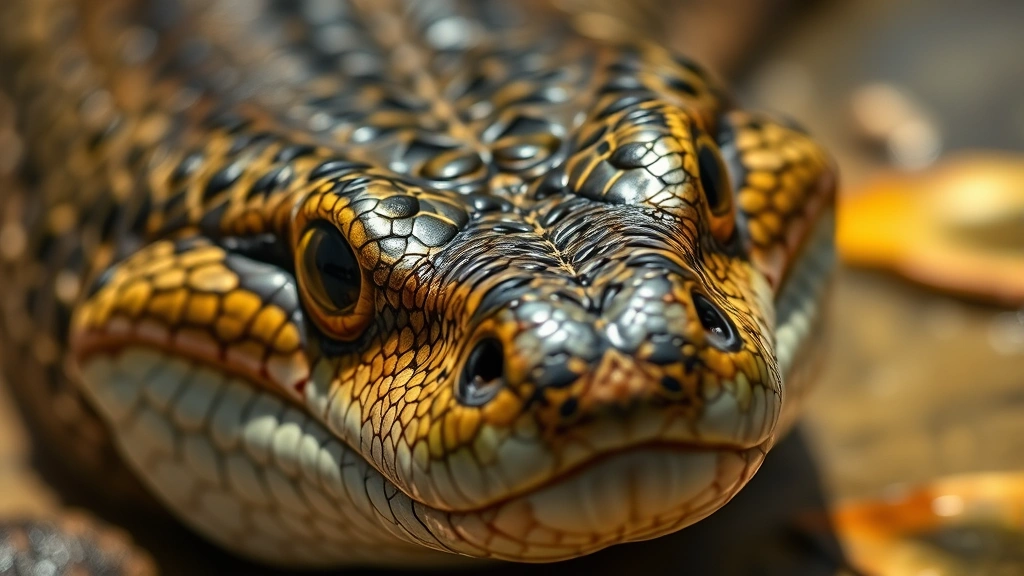
Water moccasins are medium to large snakes, typically ranging from 24 to 48 inches in length, though some specimens can stretch up to 60 inches. Their stocky, muscular build is one of their most recognizable features. Unlike slender water snakes that glide effortlessly through the water, water moccasins have a robust frame that makes them look almost powerful—and they are.
The body shape itself tells a story. These snakes have a thick, heavy body that tapers toward the tail, and their head is distinctly triangular when viewed from above. This triangular head is a classic sign of venomous snakes in North America, though it’s worth noting that non-venomous snakes can flatten their heads to appear triangular when threatened. The key difference is that water moccasins have this shape naturally, even when relaxed.
Their scales are keeled, giving them a somewhat rough texture compared to smoother water snakes. If you could safely run your hand along one—which you absolutely shouldn’t—you’d notice a bumpy, ridged feel rather than a sleek surface. The scales on their back are particularly pronounced, creating a textured appearance that’s visible even from a distance.
One thing that surprises people is their size variation. Females are typically larger than males, which is common among snake species. This means you might encounter anything from a 2-foot juvenile to a hefty 5-foot adult. Size alone shouldn’t be your only identification tool, but it’s part of the overall picture.
Distinctive Head and Mouth Features
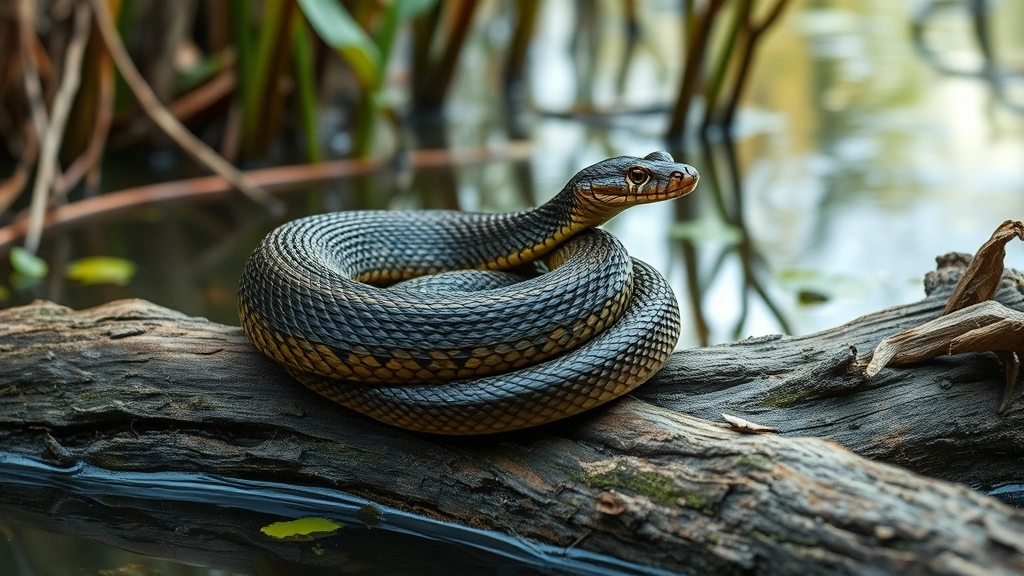
The head is where water moccasins really stand out, and it’s arguably your best identification tool. The name “cottonmouth” comes from the bright white interior of their mouths, which they display when threatened. If a water moccasin feels cornered, it will open its mouth wide, revealing that distinctive white or cream-colored lining. It’s a warning display, and it’s remarkably effective at communicating “back off.”
Beyond the mouth itself, look at the head structure. Water moccasins have a defined neck that’s noticeably narrower than their head, creating a distinct separation. This gives them an almost cobra-like appearance, though they’re not actually cobras. The head is broad and flattened, with a somewhat blocky appearance compared to other regional snakes.
Their eyes are another telltale sign. Water moccasins have vertical pupils—like a cat’s eye—rather than round pupils. In good lighting, this is a reliable identifier, though you’d need to be fairly close to see it clearly. The eye itself is often described as having a golden or amber iris, though this can vary depending on lighting and individual variation.
The heat-sensing pits along their jaw are another feature worth knowing about. These small indentations run along the edges of their mouth and help them detect warm-blooded prey. While you might not notice them from a distance, they’re another anatomical feature that distinguishes them from many non-venomous water snakes.
Color Patterns and Variations
Water moccasins display remarkable color variation, which can make identification tricky if you’re relying solely on color. They range from nearly black to tan, olive, or even reddish-brown. Some individuals are dark with minimal patterning, while others have distinct bands or patterns running across their bodies.
Young water moccasins tend to be more brightly patterned with clear crossbands, which helps them blend into vegetation. These bands are often lighter in color—ranging from pale yellow to cream—against a darker background. As they age, the pattern often becomes less distinct, and older snakes may appear almost uniformly dark.
The belly, or ventral surface, is typically lighter than the back, often displaying a cream, yellow, or pale gray coloration. Some individuals have dark spots or blotches on their bellies, creating a somewhat mottled appearance. This ventral coloration can be helpful when trying to distinguish them from certain non-venomous water snakes.
One pattern worth noting is the hourglass or bowtie marking that some water moccasins display. These are bands that narrow in the middle, creating that characteristic shape. However, not all water moccasins have this pattern, and some non-venomous snakes can display similar markings, so this shouldn’t be your sole identification method.
The tail deserves special mention. Water moccasins often have a distinctly different colored tail tip—frequently yellow or greenish-yellow. Juveniles sometimes use this brightly colored tail as a lure to attract small prey, a behavior called caudal luring. If you see a snake with a contrasting tail tip in water moccasin territory, that’s a clue worth considering alongside other features.
Habitat and Behavioral Clues
Geography is your first filter when identifying a water moccasin. These snakes are found primarily in the southeastern United States, from North Carolina south to Florida and west to Texas. If you’re in the Pacific Northwest or the Northeast beyond the Carolinas, you won’t be dealing with water moccasins. Knowing your region significantly narrows down the possibilities.
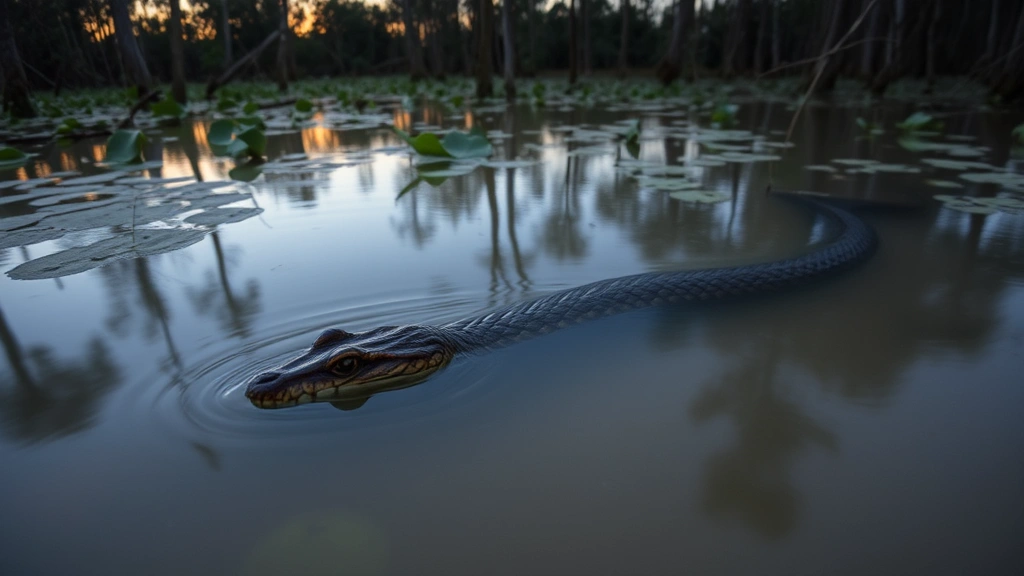
Water moccasins prefer aquatic and semi-aquatic environments. Look for them in swamps, marshes, freshwater lakes, rivers, and even brackish waters. They’re comfortable both in water and on land, often found basking on logs, branches, or the ground near water. During hot weather, they’re more active at night, but they can be encountered during the day, especially in cooler months or cloudy conditions.
Their behavior is perhaps their most distinctive trait. Water moccasins are known for their aggressive temperament. When threatened, they don’t always flee like many snakes do. Instead, they often hold their ground, coil tightly, and open their mouths in that characteristic threat display. This is why encounters with water moccasins feel more confrontational than encounters with other snakes—they’re literally standing their ground and warning you away.
If you see a snake in water that doesn’t flee from your approach, that’s a behavioral red flag. Most non-venomous water snakes will immediately escape into deeper water or upstream. A snake that holds its position, coils, or displays that white mouth is almost certainly a water moccasin. This behavior alone can be your most reliable identification tool in the field.
Movement patterns also differ. Water moccasins move with a somewhat undulating but deliberate motion. They’re not particularly fast swimmers compared to some water snakes, but they’re efficient and purposeful. On land, they move with a heavy, muscular gait rather than the quick, darting movements of smaller snakes.
Common Lookalikes and How to Distinguish Them
The most commonly confused snake is the non-venomous water snake, particularly the Northern water snake and the Banded water snake. These snakes share similar aquatic habitats and can display similar banding patterns, leading to misidentification. However, there are reliable differences.
Water snakes have round pupils, while water moccasins have vertical pupils. Water snakes also lack the heat-sensing pits that water moccasins have along their jaws. The head shape is different too—water snakes have a more gradual taper from body to head, lacking the distinct neck separation that water moccasins display. Additionally, water snakes are generally more nervous and will flee aggressively when approached, whereas water moccasins often stand their ground.
Another common lookalike is the garter snake, though these are typically found in different habitats and are much smaller. Garter snakes have three light stripes running along their length, which is quite distinctive. They also lack the robust build and triangular head of water moccasins.
The hognose snake can sometimes cause confusion, particularly when it flattens its head in a threat display. However, hognose snakes have a distinctive upturned snout and are found in drier habitats. They’re also non-venomous and far less common in aquatic environments.
If you’re ever uncertain about a snake’s identity, the safest approach is to assume it’s a water moccasin if you’re in the right geographic region and habitat. This errs on the side of caution and keeps you safe. There’s no prize for correctly identifying a snake from a risky distance—maintaining safe separation is always the right call.
Regional Differences Across the Southeast
Water moccasins show subtle variations across their range, and understanding these regional differences can help you identify them more accurately depending on where you are. In Florida, water moccasins tend to be darker, often appearing almost black, particularly in the southern portions of the state. They’re also generally smaller in Florida than in other regions.
In Louisiana and East Texas, water moccasins often display more pronounced banding patterns, especially younger individuals. The contrast between band colors is more dramatic in this region. These snakes also tend to be slightly larger than their Florida counterparts.
In the Carolinas and Georgia, water moccasins display a wider range of color variation, from quite dark to relatively light olive or tan. The patterning is often more visible in this region, making identification slightly easier for those unfamiliar with the species.
Regardless of region, the fundamental identifying features remain consistent: the triangular head, the heat-sensing pits, the vertical pupils, and the distinctive behavior. These characteristics transcend regional variation and should be your primary focus when attempting identification.
It’s worth noting that if you’re dealing with a snake problem in your home or yard, you might want to consider contacting a professional. If you’re concerned about snakes in general, our guide on how to get rid of snakes covers comprehensive removal and prevention strategies. For those dealing with other pest concerns, we also have resources on how to get rid of spiders, how to get rid of wasps, how to get rid of carpenter bees, and even how to get rid of drain flies.
Safety Tips and What to Do If You Encounter One
First and foremost: if you encounter a water moccasin, give it space. These snakes will defend themselves if they feel threatened, and their venom is genuinely dangerous. The rule of thumb is to maintain at least 6 feet of distance. If you’re on a trail and spot one, simply back away slowly and choose a different route.
Never attempt to capture, provoke, or photograph a water moccasin up close. The vast majority of snake bites happen when people try to handle or kill snakes. Let the snake go about its business, and you’ll both be fine. If a water moccasin is in your yard or home, contact a local wildlife removal professional or animal control.
Wear protective footwear when wading or swimming in water moccasin territory. Long pants and boots provide excellent protection when hiking in swampy or marshy areas. Be particularly cautious during warmer months when snakes are more active.
If someone is bitten by a water moccasin, seek medical attention immediately. Call 911 or get to an emergency room. Antivenom is available and effective, but time is critical. Do not apply tourniquets, do not try to suck out venom, and do not apply ice. Simply keep the affected limb immobilized and get professional medical help as quickly as possible.
Understanding water moccasin identification and behavior significantly reduces your risk of dangerous encounters. Most outdoor activities in water moccasin territory can proceed safely with basic awareness. The key is knowledge, caution, and respect for these powerful snakes.
For more information on snake identification and removal, This Old House offers comprehensive pest control guides. The Family Handyman also provides detailed snake removal strategies. For official information on venomous snakes in your region, check your state’s wildlife and fisheries department website. Additionally, the USGS offers scientific resources on native reptiles, and Home Depot provides practical pest prevention solutions.
Frequently Asked Questions
What’s the difference between a water moccasin and a cottonmouth?
They’re the same snake. “Water moccasin” and “cottonmouth” are both common names for Agkistrodon piscivorus. The cottonmouth name comes from the white interior of their mouths, which they display as a threat. Some regions prefer one name over the other, but they refer to the identical species.
Are water moccasins aggressive?
Water moccasins have a reputation for aggression, and there’s truth to it. They’re more likely to stand their ground and defend themselves than many other snake species. However, they’re not actively seeking confrontation. They’ll typically only bite if they feel directly threatened or cornered. Giving them space prevents nearly all incidents.
How venomous are water moccasins?
Water moccasin venom is hemotoxic, meaning it destroys tissue and blood cells. Bites are serious and require immediate medical attention. However, with proper treatment and antivenom, fatalities are rare in modern times. The severity depends on the size of the snake, the amount of venom injected, and how quickly the victim receives treatment.
Can water moccasins climb trees?
Yes, water moccasins can climb, though they’re not as adept as some other snake species. They’re primarily aquatic and terrestrial snakes, but they will climb low branches or vegetation, particularly when young. This is another reason to be cautious in their habitat and to wear protective clothing.
What should I do if I find a water moccasin in my pool or pond?
Do not attempt to remove it yourself. Contact a local wildlife removal service or animal control. They have the proper equipment and training to safely relocate the snake. In the meantime, avoid the water and keep children and pets away from the area.
Do water moccasins have any predators?
Yes, larger snakes, birds of prey, and some mammals will prey on water moccasins, particularly juveniles and smaller individuals. However, their venom provides them with significant protection. Adult water moccasins have few natural predators in their environment.
Can you keep a water moccasin as a pet?
While some experienced herpetologists keep venomous snakes in captivity, this is not recommended for most people. Water moccasins require specific permits in many states, specialized enclosures, and expert handling. The risks significantly outweigh any benefits for the average person. Stick to non-venomous species if you’re interested in keeping snakes.
How do I snake-proof my yard?
Remove potential water sources like standing water and bird baths. Keep grass trimmed and remove brush piles and debris where snakes might hide. Seal gaps in fencing and around building foundations. Eliminate rodent populations, as snakes feed on them. If you live in water moccasin territory, being vigilant about these prevention measures significantly reduces encounters.

Related Posts

How Long to Boil Lobster Tails: Cooking Guide

How Long to Fly from New York to London? Travel Times
