
How to Grow Carrots: Expert Gardening Guide
How to Grow Carrots: Expert Gardening Guide
There’s something deeply satisfying about pulling a homegrown carrot from the soil, brushing away the earth, and biting into that crisp sweetness. Unlike their supermarket counterparts, carrots you’ve cultivated yourself taste like what carrots are supposed to taste like—vibrant, earthy, and genuinely delicious. Whether you’re a seasoned gardener or someone who’s never planted anything before, growing carrots is surprisingly achievable and remarkably rewarding.
The beauty of carrots lies in their straightforwardness. They don’t demand constant fussing, they’re not prone to dramatic diseases, and they don’t require a sprawling garden. A modest patch of soil, some patience, and basic knowledge are all you need to produce an abundance of these nutritious orange treasures. This guide walks you through everything from seed selection to harvest, ensuring your carrot-growing adventure is successful and enjoyable.
Choosing the Right Carrot Varieties
Not all carrots are created equal, and understanding the different varieties available will help you select the best options for your specific situation. Carrots come in various shapes, sizes, and colors—from the classic long orange types to stubby round varieties, and even purple, yellow, and white heirloom options.
The three main shape categories are imperative to understand. Nantes carrots are cylindrical with blunt ends, typically reaching 6-7 inches long. They’re ideal for most gardeners and offer excellent flavor. Chantenay carrots are shorter and broader, perfect if you have clay soil or shallow beds—they rarely crack and store beautifully. Danvers carrots are the traditional long variety that can reach 8 inches or more, requiring deeper soil but delivering impressive yields.
For beginners, I recommend starting with varieties like ‘Nantes’, ‘Touchon’, or ‘Imperator’. These are forgiving, productive, and deliver that classic carrot taste. If you’re feeling adventurous, try ‘Cosmic Purple’ for striking color or ‘Paris Market’ for those charming round mini carrots. Climate matters too—warm-season gardeners should choose heat-tolerant varieties, while cool-season growers can experiment with longer-maturing types.
Consider succession planting different varieties. Plant an early variety in spring for summer harvest, then follow up with a cold-hardy variety for fall and winter production. This strategy extends your harvest window significantly and keeps your kitchen stocked with fresh carrots for months.
Soil Preparation and Bed Setup
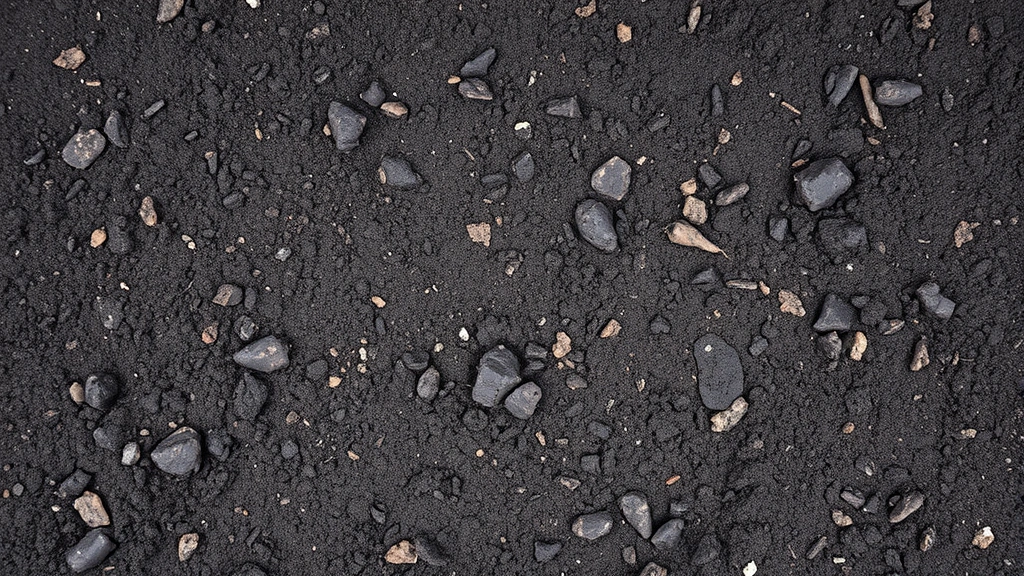
Here’s where many carrot growers stumble—soil preparation is absolutely critical. Carrots are underground crops, and they’re particular about their growing medium. Heavy clay soil, rocks, and compaction are the enemies of straight, well-formed carrots. These obstacles force roots to fork, twist, and contort into misshapen specimens.
Start by testing your soil. A simple home test kit or professional soil analysis reveals pH, nutrient levels, and texture. Carrots prefer slightly acidic to neutral soil, ideally between 6.0 and 6.8 pH. If your soil is alkaline, incorporate sulfur several months before planting. If it’s acidic, add lime.
Texture is paramount. Carrots need loose, well-draining soil free from clay clumps and stones. If you have heavy clay, don’t despair—raised beds filled with amended soil are your solution. Mix together equal parts compost, peat moss or coconut coir, and coarse sand or perlite. This creates the loose, friable growing medium carrots adore. Avoid fresh manure, which causes forking; instead, incorporate well-aged compost or aged manure worked in several months prior.
Dig or till your bed to at least 12 inches deep for standard varieties, deeper for longer types. Remove rocks, roots, and debris. If your soil is naturally poor, work in 2-3 inches of compost. Create slightly raised rows or mounds—this improves drainage and warms the soil faster in spring.
Planting Seeds Like a Pro
Carrot seeds are notoriously tiny, which makes direct sowing challenging but not impossible. You’ll never transplant carrots successfully—the delicate roots can’t tolerate disturbance. Direct seeding is the only method.
Timing matters. In temperate climates, plant carrots in early spring as soon as soil is workable, and again in mid-summer for fall harvest. In warm climates, plant in fall for winter and spring harvest. Soil temperature should be at least 45°F, though 60°F or warmer ensures faster germination.
Before planting, water your bed thoroughly and let it settle for a day. Create shallow furrows about 1/4 inch deep using a stick or the edge of a hoe. Carrot seeds are tiny, so many gardeners mix them with sand in a 1:1 ratio—this helps distribute them more evenly and prevents over-seeding. Sprinkle the seed-sand mixture along the furrow, then cover lightly with fine soil or compost. Press gently to ensure seed-to-soil contact.
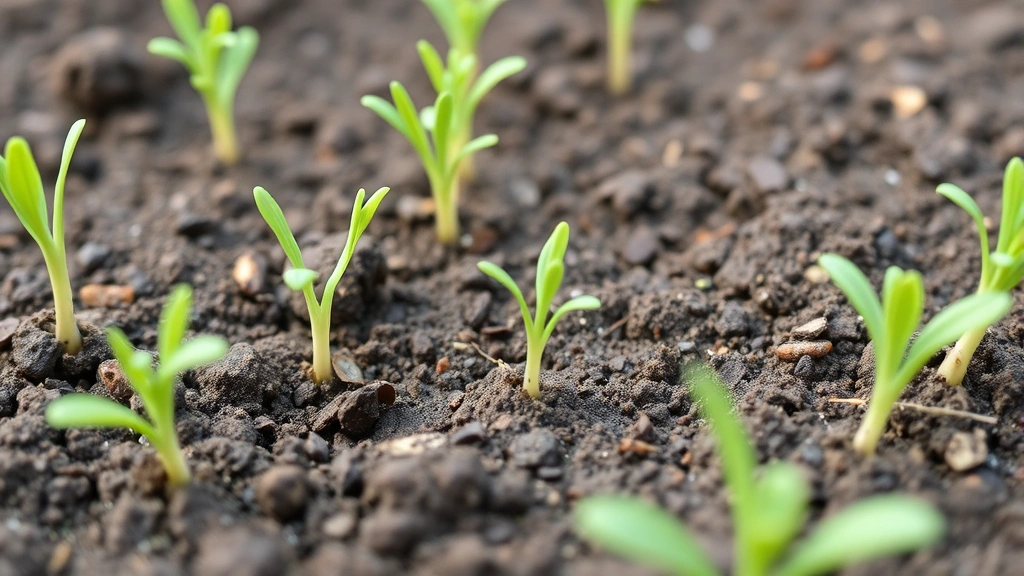
Water with a fine mist immediately after planting. Keep the soil consistently moist—not waterlogged—until seedlings emerge, which typically takes 14-21 days. Some gardeners lay boards or burlap over the seeded area to maintain moisture and block light, removing them once sprouting begins. This trick dramatically improves germination rates.
Spacing is crucial. Once seedlings emerge with their first true leaves, thin them to 2-3 inches apart for standard varieties, closer for smaller types. This feels wasteful but is absolutely necessary—crowded carrots compete for space and nutrients, resulting in stunted roots. Thin in stages as plants grow, eating the thinned seedlings in salads if desired.
Watering and Ongoing Care
Carrots need consistent moisture but despise waterlogged soil. Think of it as the Goldilocks principle—not too wet, not too dry, but just right. Inconsistent watering causes splitting, cracking, and poor flavor development.
Water deeply but less frequently rather than shallow, daily sprinkling. A good rule of thumb is 1-2 inches per week, adjusted for rainfall and climate. In hot weather, you may need to water more frequently. In cool, wet climates, you might need less. The key is maintaining even soil moisture throughout the growing season.
Mulching is your friend here. A 2-3 inch layer of straw or wood chips around plants (but not touching the shoulders) helps regulate soil moisture, suppresses weeds, and keeps the soil cooler during hot spells. This is particularly important during the height of summer.
Weeds compete aggressively with young carrots. Hand-pull weeds carefully to avoid disturbing carrot roots. Once carrots are established and mulched, weed pressure typically diminishes. Fertilizing isn’t usually necessary if you’ve prepared your soil with compost, but if your plants look pale or stunted mid-season, apply a balanced, diluted liquid fertilizer every 3-4 weeks.
Carrots are relatively carefree once established. They don’t require pruning or staking. Simply maintain consistent watering and keep weeds at bay.
Managing Pests and Problems
While carrots are generally hardy, several pests and diseases can cause issues. The carrot rust fly is the most common problem—its larvae tunnel into roots, creating rusty, inedible damage. Prevention is easier than treatment: use floating row covers over young plants, remove covers once flowering begins if you’re growing for seed. Alternatively, interplant with strong-smelling herbs like onions (learn more about how to grow onions as a companion plant) or garlic (see our guide on how to grow garlic for companion planting strategies) to confuse the flies.
Carrot weevils and aphids occasionally appear but rarely cause serious damage in home gardens. Spray with neem oil if infestations occur. Powdery mildew and leaf blights are fungal issues more common in humid climates—improve air circulation, avoid overhead watering, and remove affected leaves promptly.
Splitting and cracking typically result from inconsistent watering, particularly heavy rain or watering after dry periods. Maintain even moisture to prevent this. Forked or twisted roots indicate rocky, compacted soil or excessive nitrogen fertilizer. This is cosmetic and doesn’t affect flavor, but proper soil preparation prevents it.
Bolting—when carrots prematurely flower—occurs when young plants experience temperature stress or are exposed to prolonged cold followed by warmth. Choose appropriate varieties for your climate and plant at the right time to minimize this issue.
Harvesting Your Carrots
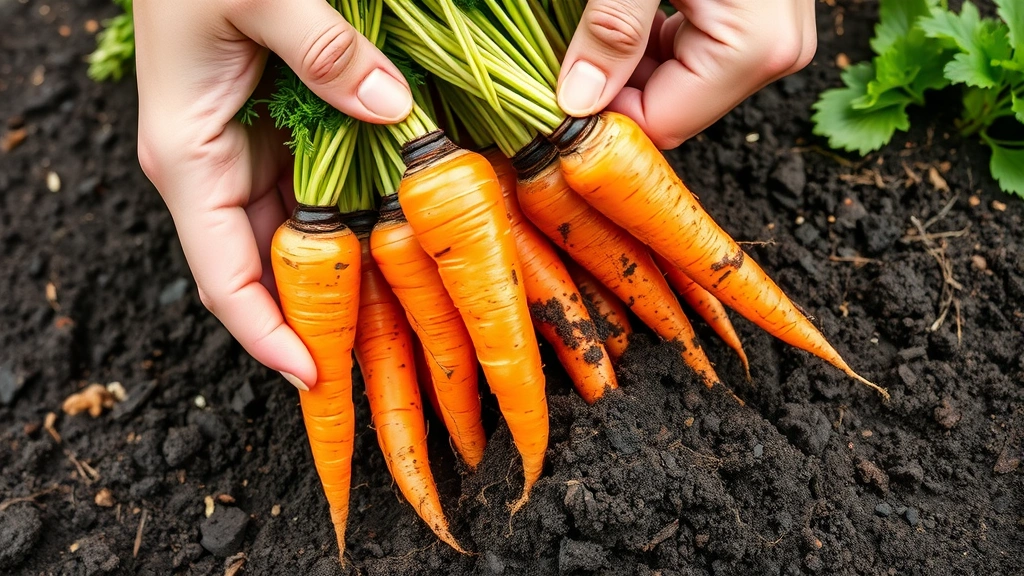
Patience pays off here. Carrots are ready to harvest when shoulders are 1/2 to 3/4 inch in diameter, typically 60-80 days after planting depending on variety. Smaller carrots are actually sweeter—there’s no need to wait for enormous roots. In fact, harvesting at a younger stage encourages continued production.
To harvest, loosen soil around the carrot with a garden fork or spade, then gently pull. If soil is hard, water first to soften it. Grab the green tops and pull steadily—rushing risks breaking the root. Twist off the green tops immediately after harvesting (leave about 1/2 inch of stem) to prevent them from drawing moisture from the root.
For fall and winter storage, you can leave carrots in the ground under a thick mulch layer in cold climates, harvesting as needed until the ground freezes solid. This keeps them fresh and crisp. In mild climates, they’ll keep in the ground for months. Many gardeners prefer this natural storage to any other method.
Storage and Preservation
Fresh carrots store remarkably well. Remove all soil and trim tops completely. Store in the refrigerator’s crisper drawer in a plastic bag—they’ll keep for 3-4 weeks. For longer storage, layer carrots in damp sand or sawdust in a cool basement or root cellar, maintaining 32-40°F temperature and high humidity. Properly stored, carrots keep for months.
For preservation, carrots freeze beautifully. Blanch cut pieces in boiling water for 3 minutes (our detailed guide on how to blanch green beans applies to carrots too), then cool in ice water, drain, and freeze in airtight containers. Canning is also popular—pressure canning is required for safety. Dehydrating creates delicious carrot chips and powders perfect for soups and smoothies.
For those who appreciate organized preservation, learn efficient storage methods similar to how to store onions for long-term pantry management. Carrots are incredibly versatile in the kitchen and store beautifully using multiple methods.
Growing carrots naturally complements other garden endeavors. Many gardeners combine carrot cultivation with how to prune tomato plants and other vegetable gardening skills to create productive, efficient gardens. The skills overlap nicely—understanding soil, water, and pest management benefits your entire garden.
Frequently Asked Questions
How long does it take to grow carrots?
Most carrot varieties mature in 60-80 days from seed to harvest. Early varieties like ‘Nantes’ may be ready in as little as 60 days, while longer varieties need 80+ days. Cooler weather slightly extends the timeline, while warm conditions may speed it up.
Can I grow carrots in containers?
Absolutely! Use deep containers (at least 12 inches) filled with loose potting mix. Shorter varieties like ‘Paris Market’ are ideal for containers. Water more frequently than in-ground carrots since containers dry faster. They’re perfect for balconies or patios with limited space.
Why are my carrots bitter?
Bitterness typically results from stress—inconsistent watering, overcrowding, extreme temperatures, or overmature roots. Harvest at appropriate size, maintain consistent moisture, and thin properly. Some varieties are naturally sweeter than others; choose varieties known for sweetness like ‘Nantes’ or ‘Touchon’.
What’s the best way to prevent carrot rust fly damage?
Use floating row covers from planting until flowering begins. This physical barrier prevents flies from laying eggs. Alternatively, interplant with aromatic companions like onions and garlic that confuse the flies. Crop rotation also helps—avoid planting carrots in the same location year after year.
Can I save carrot seeds?
Yes, but carrots are biennial—they need two years to produce seeds. In year one, grow for roots. In year two, plant saved roots, and they’ll flower and produce seeds. This requires space and planning but rewards dedicated gardeners with free seeds adapted to their local climate.
What should I do if my carrots are forked or twisted?
This is a soil issue—rocks, clay, or compaction force roots to grow around obstacles. While cosmetically imperfect, they’re perfectly edible and taste fine. Improve soil preparation for future crops by adding compost, removing rocks, and loosening compacted earth.

Related Posts

How Long to Boil Lobster Tails: Cooking Guide

How Long to Fly from New York to London? Travel Times
