
How to Get Rid of Spider Mites: Expert Guide
How to Get Rid of Spider Mites: Expert Guide
Spider mites are one of those garden nemeses that sneak up on you when you’re not looking. One day your plants look fine, and the next you’re staring at tiny webs and yellowing leaves wondering what went wrong. These microscopic arachnids might be small, but they pack a serious punch when it comes to plant destruction. The frustrating part? They reproduce faster than you can say “integrated pest management.”
The good news is that spider mites are entirely manageable with the right approach. You don’t need to resort to harsh chemicals or throw out your entire plant collection. Whether you’re dealing with an indoor plant infestation or outdoor garden crisis, this guide will walk you through proven strategies to eliminate spider mites and prevent them from making a comeback.
If you’re also battling other common plant pests, you might find that managing gnats in plants requires similar preventative tactics. Understanding the broader ecosystem of plant pests helps you develop a more comprehensive defense strategy.
What Are Spider Mites and Why Do They Matter?
Spider mites are tiny arachnids, not insects, which is why many traditional insecticides don’t work against them. These creatures are barely visible to the naked eye—typically measuring between 0.3 to 0.5 millimeters—but their impact on your plants is anything but tiny. There are over 1,200 species of spider mites worldwide, though only about 200 cause problems for plants and gardens.
What makes spider mites particularly destructive is their feeding behavior. Unlike insects that chew or pierce plants, spider mites use their needle-like mouthparts to puncture plant cells and extract the contents. This creates tiny yellow or brown spots on leaves where the chlorophyll has been removed. When populations explode—which they do rapidly in warm, dry conditions—entire plants can be drained of nutrients within weeks.
The lifecycle of a spider mite is alarmingly fast. Under ideal conditions, they can complete a full generation in just five to seven days. This means a small infestation can become a major problem in no time. Understanding this urgency is crucial because it explains why quick action is essential when you spot the first signs of trouble.
Spider mites thrive in hot, dry environments, making indoor plants near heating vents and outdoor plants during drought conditions particularly vulnerable. They’re also opportunistic—they’ll move from plant to plant, making it easy for an infestation to spread throughout your entire collection if left unchecked.
How to Identify Spider Mite Infestations
Early detection is your best defense against spider mites. The challenge is that by the time you notice obvious symptoms, the population may already be substantial. Learning what to look for helps you catch infestations in their early stages.
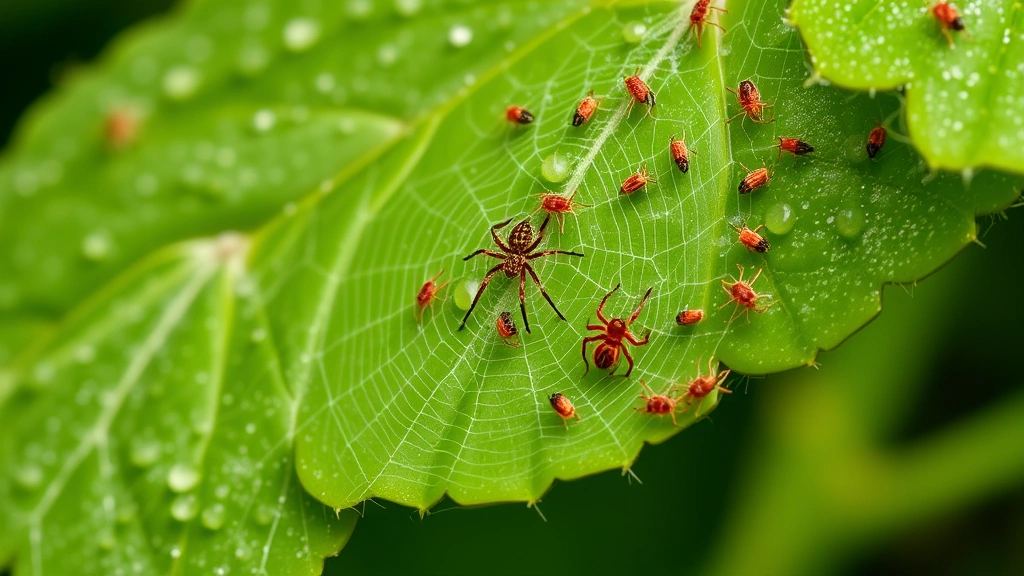
Visual Signs on Leaves: The most telltale sign is fine webbing on the undersides of leaves and along stems. This webbing is distinctly finer than spider webs and often contains the mites themselves, their eggs, and their waste. You might also notice tiny yellow or brown spots on leaves, which indicate where the mites have been feeding. As the infestation progresses, leaves may turn entirely yellow, become stippled with tiny holes, or develop a bleached appearance.
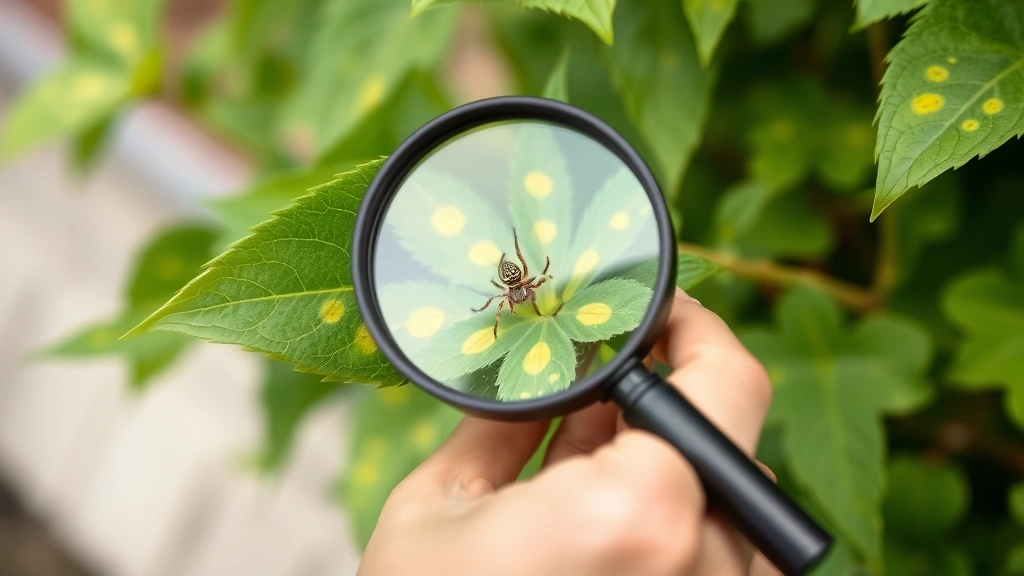
Use a magnifying glass to inspect the undersides of affected leaves closely. You may see the mites themselves moving around—they’re incredibly small and often appear as tiny dots, but they do move. Some species are reddish, while others are greenish or yellowish, depending on their diet and species.
Plant Behavior Changes: Beyond visible damage, infested plants often show signs of stress. Leaves may drop prematurely, plant growth slows dramatically, and overall vigor declines. In severe cases, plants can die within a few weeks. If your plant suddenly looks droopy and sad despite proper watering and light, spider mites might be the culprit.
Don’t confuse spider mites with other common pests. If you’re unsure whether you’re dealing with mites or another problem, consider that fungus gnats and other plant pests have different signatures and require different treatment approaches.
Natural Methods to Get Rid of Spider Mites
Before reaching for chemical solutions, natural methods often work surprisingly well, especially when infestations are caught early. These approaches are safer for you, your family, and beneficial insects in your garden.
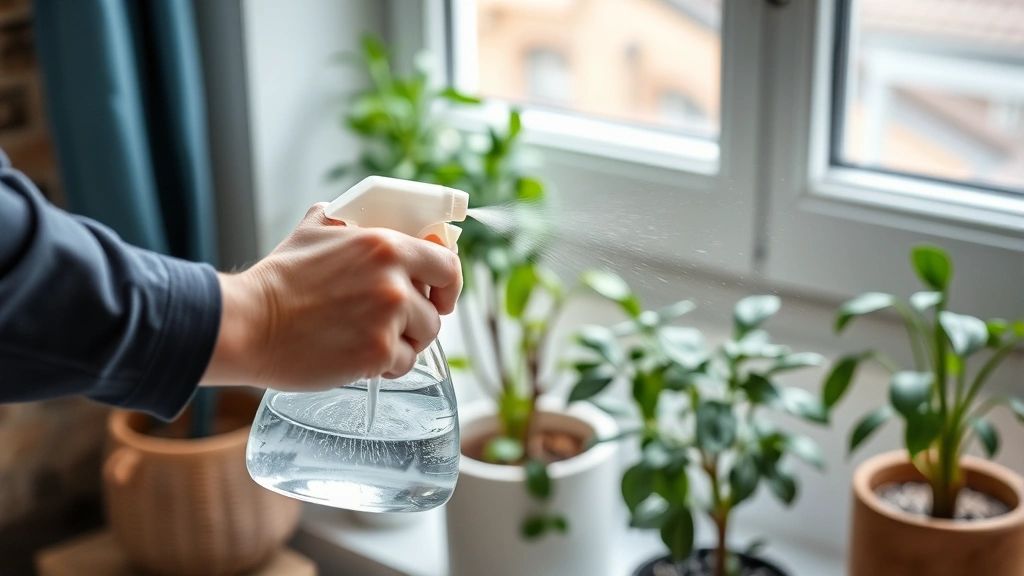
Water Spray Method: This is the simplest and most immediate intervention. Spider mites are incredibly delicate creatures despite their resilience. A strong spray of water from your hose or a spray bottle can physically remove them from plants. For indoor plants, take them to a sink or shower and spray both sides of leaves thoroughly with lukewarm water. Do this every two to three days for at least two weeks. The mites and their webs wash away, and those that remain are disrupted in their feeding and reproduction cycle.
This method works best for mild infestations and as a preventative measure. It’s particularly effective for plants with sturdy leaves that can handle the water pressure. Delicate plants may suffer leaf damage from too-forceful spraying, so adjust your approach based on plant type.
Neem Oil Treatment: Neem oil is derived from the neem tree and has been used in traditional agriculture for centuries. It works by disrupting the mites’ feeding and reproduction cycles. Mix neem oil according to package directions—typically one to two tablespoons per gallon of water—and spray it directly on affected plants, ensuring complete coverage of both leaf surfaces.
Apply neem oil in the early morning or late evening when beneficial insects are less active. Repeat applications every seven to ten days for three to four weeks. Wear gloves and avoid contact with your face, as neem oil has a strong odor and can irritate skin. When treating houseplants like pothos, be particularly careful to avoid getting neem oil on areas where you spend time, as the smell can linger.
Insecticidal Soap: Commercial insecticidal soaps are specifically designed to disrupt the cell membranes of soft-bodied pests like spider mites. They’re less toxic than many chemical alternatives and break down quickly in the environment. Follow package directions carefully, as concentrations vary by brand.
Spray the entire plant until it drips, paying special attention to the undersides of leaves where mites congregate. Repeat every five to seven days for two to three weeks. Test the soap on a small area first, as some plants are sensitive to soap applications.
Miticides from Botanical Sources: Pyrethrin-based sprays, derived from chrysanthemum flowers, are another natural option. These work by disrupting the nervous system of mites and other pests. They’re relatively safe for humans but can harm beneficial insects, so use them judiciously and only when necessary.
Predatory Mites: For serious gardeners, introducing predatory mites can provide long-term spider mite control. Species like Phytoseiulus persimilis and Amblyseius californicus are voracious spider mite hunters. You can purchase them from specialty suppliers and release them in your garden or greenhouse. This biological control method works best in outdoor or greenhouse settings where the predators can establish a breeding population.
Chemical Treatments and When to Use Them
When natural methods aren’t cutting it or infestations are severe, chemical treatments become necessary. Understanding your options and knowing when to deploy them ensures effective control without unnecessary chemical exposure.
Sulfur Dust and Wettable Sulfur: Sulfur is one of the oldest pest control tools in agriculture and remains highly effective against spider mites. It works by interfering with mites’ respiration. Dust sulfur directly on affected plants according to package directions, or mix wettable sulfur with water to create a spray.
Sulfur is generally considered safe for most plants and humans, though some plants are sulfur-sensitive. Never apply sulfur when temperatures exceed 85°F, as it can burn foliage. Avoid applying it within two weeks of oil sprays, as the combination can damage plants. Apply every seven to ten days as needed until the infestation is under control.
Miticide Sprays: Commercial miticides specifically target spider mites and are available under various brand names. These synthetic acaricides are highly effective but should be used as a last resort due to their toxicity. Always read labels carefully and follow all safety instructions.
Apply miticides in the early morning or late evening, and wear protective equipment including gloves, eye protection, and a respirator if recommended. Keep children and pets away from treated areas until the product has dried. Never exceed recommended application rates or frequency, as spider mites can develop resistance to chemical treatments if they’re overused.
Horticultural Oils: Dormant oils and summer oils smother spider mites and their eggs by coating them with a thin film of oil. These are less toxic than many alternatives but can damage certain plants if applied incorrectly. Never apply horticultural oils when temperatures are below 50°F or above 85°F, and avoid using them on drought-stressed plants.
Check plant compatibility before applying oils, particularly on plants with waxy or delicate foliage. Apply thoroughly to all plant surfaces, including the undersides of leaves. Repeat every seven to ten days as needed.
Prevention Strategies for Long-Term Success
The best approach to spider mites is preventing them from establishing in the first place. Once you’ve eliminated an infestation, implementing prevention strategies keeps them from returning.
Environmental Management: Spider mites thrive in hot, dry conditions. Maintaining humidity levels between 50 and 70 percent significantly reduces their ability to reproduce and survive. In indoor settings, use a humidifier, mist plants regularly, or group plants together so they create their own humid microclimate.
For outdoor plants, ensure consistent watering during dry periods. Well-hydrated plants are naturally more resistant to spider mite damage, and the moist environment discourages mite reproduction. Avoid overhead watering in the evening, which promotes fungal diseases, but do mist plants in the morning to increase humidity.
Proper Plant Spacing: Overcrowded plants create a humid environment that favors mite populations. Space plants appropriately to allow air circulation. Good air movement reduces humidity and makes it harder for mites to establish. Use fans in indoor spaces to improve circulation, but avoid directing them directly at delicate plants.
Regular Monitoring: Make plant inspections a routine habit. Check the undersides of leaves weekly, especially during warm months when spider mites are most active. Early detection means early intervention, which is far easier than dealing with full-blown infestations.
Quarantine New Plants: Always inspect new plants before bringing them home or introducing them to your collection. Spider mites often hitchhike on purchased plants. Keep new plants isolated for at least two weeks while you monitor them closely for signs of infestation.
Clean Growing Areas: Spider mites and their eggs can hide in debris, dead leaves, and soil. Keep growing areas clean by removing fallen leaves and dead plant material promptly. This eliminates hiding places and reduces overall pest pressure.
Avoid Excessive Fertilization: Over-fertilized plants, particularly those receiving too much nitrogen, produce tender new growth that’s especially attractive to spider mites. Follow recommended fertilization schedules and use balanced fertilizers. Stressed plants are more susceptible to mite damage, so maintain consistent care routines.
If you’re also managing other pests like spiders in your home, remember that while spiders aren’t beneficial against spider mites specifically, maintaining a clean environment discourages all pests.
Treating Different Plant Types
Different plants require different treatment approaches based on their delicacy and specific needs.
Houseplants: Indoor plants require gentler approaches since you’re sharing the same air space. Start with water sprays and insecticidal soap. If these don’t work, move to neem oil or sulfur, ensuring good ventilation. Avoid harsh miticides indoors unless absolutely necessary, and consider moving severely infested plants to a garage or outdoor space during treatment.
Vegetable Gardens: Vegetables often require food-safe treatments. Neem oil, insecticidal soap, and sulfur are all acceptable for edible plants when applied according to directions. Always respect harvest-to-application intervals—the waiting period before you can safely eat treated produce. Typically, this ranges from 7 to 14 days depending on the product.
Ornamental Plants and Flowers: Ornamentals offer more flexibility in treatment options since you’re not consuming them. You can use any recommended treatment, though starting with natural methods is still wise. Many ornamental plants are quite resilient and recover well once mite populations are controlled.
Sensitive Plants: Some plants like African violets, begonias, and certain succulents are sensitive to oils, sulfur, and soaps. For these plants, stick with water sprays and predatory mites if possible. If chemical treatment is necessary, test it on a small area first and use the lowest recommended concentration.
When growing onions or other vegetables, spider mites can be a concern, particularly in warm climates. Regular monitoring and water sprays are your first line of defense for food crops.
Frequently Asked Questions
How long does it take to get rid of spider mites completely?
The timeline depends on infestation severity and your treatment method. Natural approaches like water sprays and insecticidal soap typically require two to three weeks of consistent treatment. Chemical miticides may show results in one to two weeks but should still be repeated every seven to ten days to catch newly hatched mites. Complete eradication usually takes four to six weeks of consistent effort. The key is persistence—stopping treatment too early allows surviving mites to rebuild populations.
Can spider mites kill my plants?
Yes, untreated spider mite infestations can absolutely kill plants, particularly young or weakened specimens. Severe infestations drain plants of nutrients and water so rapidly that they can’t recover. The timeframe varies—some plants can be killed in just a few weeks, while others may take a couple of months. Early intervention is crucial for plant survival.
Are spider mites dangerous to humans?
Spider mites don’t bite humans or pets and don’t transmit diseases. However, when present in large numbers indoors, they can occasionally cause respiratory irritation in sensitive individuals. The main concern with spider mites is plant damage, not human health. That said, always follow safety instructions when applying any pesticides, as those products can be harmful even if the mites themselves aren’t.
Why do spider mites keep coming back?
Spider mites return for several reasons: incomplete treatment that leaves survivors, environmental conditions that favor their reproduction (heat and low humidity), new infestations from outdoor plants or purchased specimens, or insufficient prevention measures. To prevent recurrence, maintain humidity, monitor plants regularly, quarantine new plants, and consider treating your space periodically with preventative sprays during high-risk seasons.
What’s the difference between spider mites and regular spiders?
Spider mites are tiny arachnids that feed on plants, while regular spiders are predatory arachnids that eat insects. If you’re trying to understand the distinction, our guide on managing spiders explains regular spider behavior. The key difference is that spiders are actually beneficial for pest control, while spider mites are plant pests. Spider mites produce fine webbing and cause plant damage, while spiders create larger webs and don’t harm plants.
Can I use the same treatments for spider mites on all my plants?
Not necessarily. While some treatments like water sprays are safe for almost everything, others like oils and sulfur can damage sensitive plants. Always check plant-specific compatibility before applying any treatment. When in doubt, test the treatment on a small, inconspicuous area first and wait a few days to see if any damage develops before treating the entire plant.
Is it better to throw out heavily infested plants?
Not always. Even severely infested plants can often be saved with aggressive treatment. However, if a plant has sentimental value or is rare, treatment effort is worthwhile. For common houseplants or vegetables that are inexpensive to replace, sometimes removal and replacement is more practical than weeks of treatment. Consider the plant’s value and your available time before deciding.

Related Posts

How Long to Boil Lobster Tails: Cooking Guide

How Long to Fly from New York to London? Travel Times
