
How to Get Rid of Spider Mites: Expert Tips
How to Get Rid of Spider Mites: Expert Tips for Saving Your Plants
Spider mites are tiny, nearly invisible pests that can wreak havoc on your indoor and outdoor plants faster than you’d think possible. These microscopic arachnids feed on plant sap, leaving behind yellowed, stippled leaves and delicate webbing that looks like something straight out of a horror film. If you’ve noticed your once-thriving houseplants looking lackluster or your garden vegetables showing signs of distress, spider mites might be the culprit.
The frustrating part? By the time you spot them, they’ve usually already established a full colony. These prolific reproducers can go from a handful of mites to thousands in just a few weeks, especially in warm, dry conditions. But here’s the good news: you absolutely can reclaim your plants and prevent future infestations with the right approach and a bit of persistence.
This comprehensive guide walks you through everything you need to know about identifying spider mites, understanding why they’ve invaded your space, and most importantly, how to eliminate them using methods that range from simple household solutions to targeted treatments.
Identifying Spider Mites
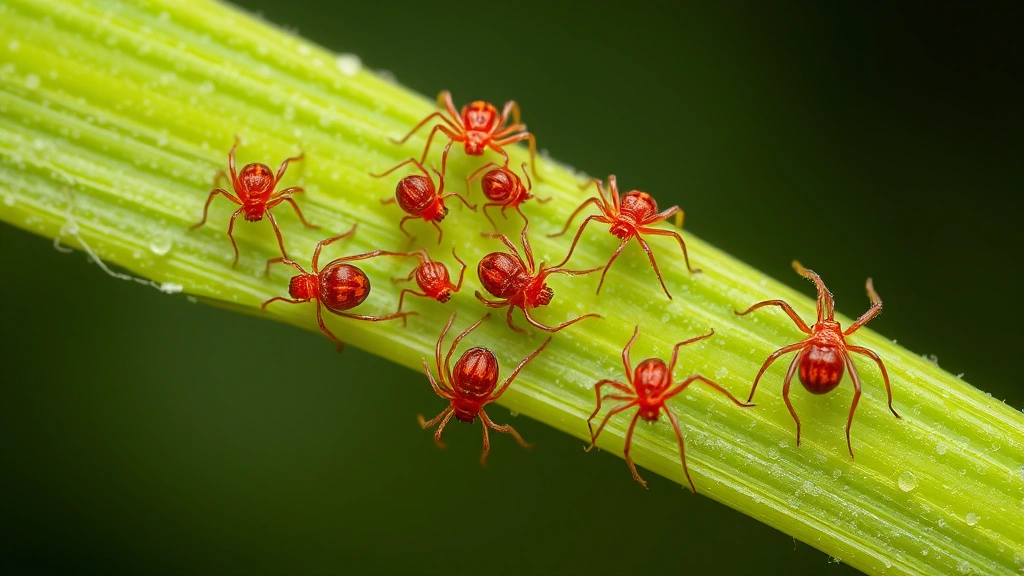
Spider mites aren’t actually insects—they’re arachnids, meaning they’re more closely related to spiders and ticks than to bugs. This classification matters because it affects how you treat them. Adult spider mites measure roughly 1mm in size, making them practically invisible to the naked eye. You’ll need either a magnifying glass or your smartphone’s macro camera to see them clearly.
The most common species you’ll encounter is the two-spotted spider mite, which typically appears reddish-brown or yellowish depending on the season and plant host. Some species are orange, while others lean toward a pale yellow. Regardless of color, they share a distinctive feature: two dark spots on their bodies, though spotting these requires magnification.
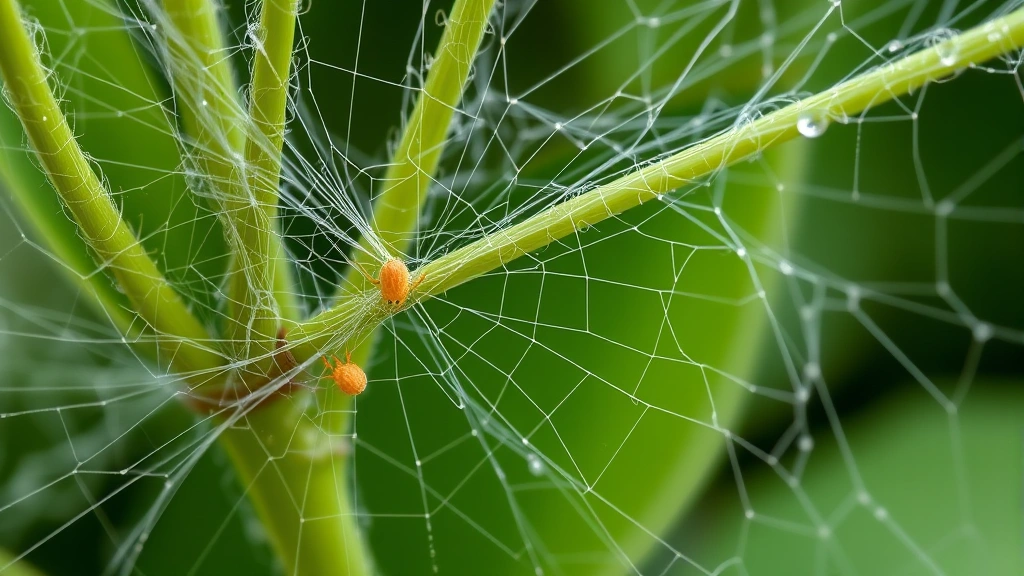
The webbing they produce is perhaps their most telltale sign. Unlike regular spider webs, which are architectural masterpieces, spider mite webbing is thin, fine, and often covers the undersides of leaves and stems. In severe infestations, entire plants can be wrapped in this silky coating. The webbing serves multiple purposes for the mites—it provides protection from predators and helps them move between plants and leaves.
Leaf damage appears as tiny yellow or brown spots, a condition called stippling. As the infestation worsens, these spots merge together, causing entire leaves to turn bronze or brown and eventually drop from the plant. New growth may also appear distorted or stunted.
Why Spider Mites Attack Your Plants
Understanding spider mite behavior helps you prevent future invasions. These pests thrive in hot, dry environments—the ideal conditions are between 75-80°F with low humidity. This is why they’re particularly problematic during winter months when heating systems dry out indoor air, or during hot, dry summers outdoors.
Spider mites prefer certain plants over others. Tomatoes, beans, melons, strawberries, and ornamental plants like roses and hibiscus are favorite targets. If you’re growing vegetables, maintaining proper plant health through techniques like pruning tomato plants can improve air circulation and reduce spider mite habitat.
Stress weakens plants’ natural defenses, making them more susceptible to spider mite attacks. Underwatered plants, those receiving inadequate light, or plants suffering from nutrient deficiencies become prime targets. Additionally, over-fertilizing with nitrogen can make plants more attractive to spider mites by creating tender, nitrogen-rich foliage they find irresistible.
Pesticide overuse actually encourages spider mite populations. When you spray plants with broad-spectrum insecticides, you kill the natural predators that keep spider mite numbers in check—ladybugs, lacewings, and parasitic mites among them. This creates a population explosion, a phenomenon called resurgence.

Early Detection Methods
Catching spider mites early makes elimination dramatically easier. Implement a weekly inspection routine, especially during warm months. Check the undersides of leaves first, as this is where spider mites congregate before spreading to upper leaf surfaces.
Use a white piece of paper or a white cloth and gently tap a leaf over it. Spider mites will fall onto the paper where you can see them moving. This simple test works remarkably well and costs nothing. If you see even a few mites, act immediately—waiting allows populations to explode exponentially.
Look for the fine webbing mentioned earlier. Hold affected leaves up to light and you’ll spot it more easily. The webbing appears silkier and finer than regular spider webs, with a somewhat hazy appearance.
Monitor for stippling damage. Early stippling appears as tiny yellow dots on upper leaf surfaces. As damage progresses, leaves develop a bronzed appearance and may eventually turn brown and crispy. Once leaves reach this stage, they won’t recover, but stopping the infestation prevents further damage to new growth.
Plants near windows, in low-humidity areas, or those receiving intense direct sunlight warrant extra attention. If you’ve also noticed gnats in your plants, you may have multiple pest problems requiring different treatment approaches.
Natural Removal Methods
Water Spray Method
For mild infestations, a strong spray of water can dislodge spider mites from plants. Use room-temperature water and spray both leaf surfaces thoroughly, paying special attention to the undersides where mites hide. Repeat this every 2-3 days for two weeks. This method works best on hardy outdoor plants and sturdy houseplants that tolerate moisture.
The water spray method removes mites and their webbing while increasing humidity around the plant, which spider mites despise. However, avoid spraying delicate plants or those prone to fungal issues in humid conditions.
Neem Oil Solutions
Neem oil, derived from the neem tree seed, disrupts spider mite reproduction and feeding. Mix neem oil according to package directions—typically 2 tablespoons per gallon of water—and spray affected plants thoroughly, coating both leaf surfaces. Apply every 7-10 days for 3-4 weeks.
Neem oil works best when applied in early morning or late evening to avoid leaf burn. Never spray during intense heat or bright sunlight. While neem oil is organic and relatively safe, it can harm beneficial insects, so use it judiciously and only on affected plants.
Insecticidal Soap
Commercial insecticidal soaps designed for spider mites disrupt their cell membranes, causing dehydration and death. These products are less toxic than conventional pesticides and break down quickly in the environment. Follow package directions carefully, as application methods vary by product.
Insecticidal soap requires direct contact with mites to be effective, so spray coverage is critical. Reapply every 7 days until the infestation clears. Test on a small area first, as some plants show sensitivity to soap sprays.
Predatory Mites
Introducing natural predators is an elegant biological control solution. Phytoseiulus persimilis and Amblyseius californicus are predatory mites that feed on spider mites. These beneficial mites are available from specialty suppliers and work particularly well in greenhouse or conservatory settings where they can establish populations.
Release predatory mites according to supplier instructions, typically at a ratio of 1 predatory mite to 10 spider mites. They take time to work—usually 2-4 weeks—but provide long-term population control. This method works best when combined with humidity management, as predatory mites also prefer higher moisture levels.
Sulfur Dust
Sulfur powder is a traditional, effective spider mite treatment that’s been used for generations. Dust affected plants thoroughly with sulfur powder, coating both leaf surfaces. Reapply every 7-10 days as needed.
Important caveat: never use sulfur within two weeks of applying oil-based products, as the combination can damage plants. Additionally, sulfur shouldn’t be applied when temperatures exceed 85°F. Check that sulfur is labeled as safe for your specific plants before application.
Chemical Solutions
When natural methods don’t provide sufficient control, chemical acaricides—pesticides specifically targeting mites—become necessary. Common active ingredients include miticides like abamectin, bifenazate, and hexythiazox.
Miticide Selection
Different miticides work through different mechanisms. Some target eggs, while others kill adults or disrupt reproduction. Rotating between different chemical classes prevents resistance development, a growing problem in spider mite management. Never use the same miticide more than twice in a season.
Always select products labeled as safe for your specific plant type. Some miticides damage certain ornamentals or vegetables. Read labels carefully and follow all safety instructions, including wearing protective equipment and maintaining proper ventilation.
Application Guidelines
Apply chemical treatments in early morning or late evening when beneficial insects are less active. Ensure thorough coverage, particularly on leaf undersides where mites concentrate. Most miticides require repeat applications every 7-10 days for 2-3 weeks to break the mite life cycle.
Don’t spray more frequently than recommended, as this won’t improve results and increases the risk of phytotoxicity—damage to plant tissues. Allow adequate drying time before allowing people or pets near treated plants.
Prevention Strategies
Humidity Management
Maintaining humidity between 50-60% makes your environment inhospitable for spider mites while supporting most houseplants. Use a humidifier in dry climates or during winter months. Group plants together to create a microclimate with higher humidity, and mist plants regularly—though avoid wetting foliage of plants susceptible to fungal issues.
Temperature Control
Keep indoor temperatures below 75°F when possible, particularly during spider mite season. Spider mite reproduction accelerates dramatically above this threshold. If you’re growing heat-loving plants, ensure they receive adequate water and humidity to compensate for the increased spider mite risk.
Plant Health and Nutrition
Healthy, well-nourished plants resist spider mite infestations more effectively. Water consistently, provide appropriate light levels, and fertilize according to plant needs. Avoid excessive nitrogen fertilization, which produces tender growth that attracts spider mites. Use balanced fertilizers or those slightly higher in potassium and phosphorus.
Quarantine New Plants
Spider mites often arrive on new plants brought into your home or garden. Inspect new plants carefully before integrating them with your collection. Quarantine questionable plants for 2-3 weeks, monitoring for pest activity. This simple precaution prevents many infestations.
Remove Weeds and Debris
Spider mites overwinter in plant debris and weeds. Remove fallen leaves, dead plant material, and weeds from around plants, particularly at season’s end. This eliminates spider mite refuges and reduces overwintering populations.
Encourage Beneficial Insects
Ladybugs, lacewings, and parasitic wasps naturally control spider mites. Avoid broad-spectrum pesticides that kill these beneficial insects. Plant flowers like yarrow, fennel, and dill to attract predatory insects. If you’re managing other garden pests like fungus gnats, use targeted treatments rather than broad applications that harm beneficial populations.
Integrated Pest Management Approach
Combine multiple prevention and treatment strategies for maximum effectiveness. This integrated approach reduces reliance on any single method and prevents resistance development. Monitor regularly, maintain plant health, encourage beneficial insects, and use targeted treatments only when infestations warrant intervention.
For those managing broader pest problems, understanding that spider control differs significantly from spider mite management helps you choose appropriate solutions. While regular spiders actually help control spider mites and other pests, spider mites require specific intervention.
If you’re growing vegetables like onions or other garden crops, maintaining healthy growing conditions through proper watering, spacing, and sanitation prevents spider mite problems before they start.
Frequently Asked Questions
How long does it take to get rid of spider mites?
The timeline depends on infestation severity and treatment method. Mild infestations caught early may clear in 2-3 weeks with natural methods. Severe infestations typically require 4-6 weeks of consistent treatment, often combining multiple approaches. Chemical miticides usually show results within 2-3 weeks when applied correctly.
Can spider mites spread to other plants?
Yes, spider mites spread readily between plants through direct contact, on contaminated tools, clothing, or hands, and through air currents. They can also travel on infested plant material. Isolate affected plants away from your healthy collection and wash your hands thoroughly after handling infested plants.
Will spider mites die in winter?
Spider mites don’t die in winter—they enter dormancy. Adult females seek shelter in plant debris, soil crevices, or protected plant parts, surviving freezing temperatures in a dormant state. This is why fall cleanup is critical for outdoor gardeners. Indoors, spider mites remain active year-round in heated homes.
Are spider mites dangerous to humans?
Spider mites don’t bite humans or pets and don’t transmit diseases. However, they can cause significant plant damage. Some people experience mild skin irritation from handling infested plants or spider mite webbing, but this is rare and typically minor.
Why do spider mites keep coming back?
Recurring infestations usually result from incomplete treatment, inadequate environmental conditions, or reinfection from new sources. Ensure you treat for the full recommended duration—stopping early allows surviving mites to repopulate. Address humidity and temperature issues, inspect new plants before bringing them home, and maintain plant health to prevent reinfestation.
Can I use regular pesticides to kill spider mites?
Standard insecticides often prove ineffective against spider mites because their body structure differs from insects. Additionally, broad-spectrum pesticides kill beneficial predators that naturally control spider mites, leading to population explosions. Use products specifically labeled for spider mite control, whether natural or chemical miticides.
What’s the best spider mite treatment?
The best treatment depends on infestation severity, plant type, and your preferences. For mild infestations, water sprays or neem oil work well. Moderate infestations typically respond to insecticidal soap or sulfur. Severe infestations may require chemical miticides. Combining methods—such as water sprays plus humidity adjustment—often works better than any single approach.

Related Posts

How Long to Boil Lobster Tails: Cooking Guide

How Long to Fly from New York to London? Travel Times
