
How to Get Rid of a Hickey: Expert Tips
How to Get Rid of a Hickey: Expert Tips for Quick Recovery
Let’s be honest—hickeys are awkward. One moment of passion, and you’re left with a purple badge of honor plastered across your neck for the entire world to see. Whether you’ve got an important meeting, a family dinner, or just prefer to keep your love life private, a hickey can feel like a social catastrophe. The good news? You’ve got options, and most of them are sitting right in your bathroom cabinet.
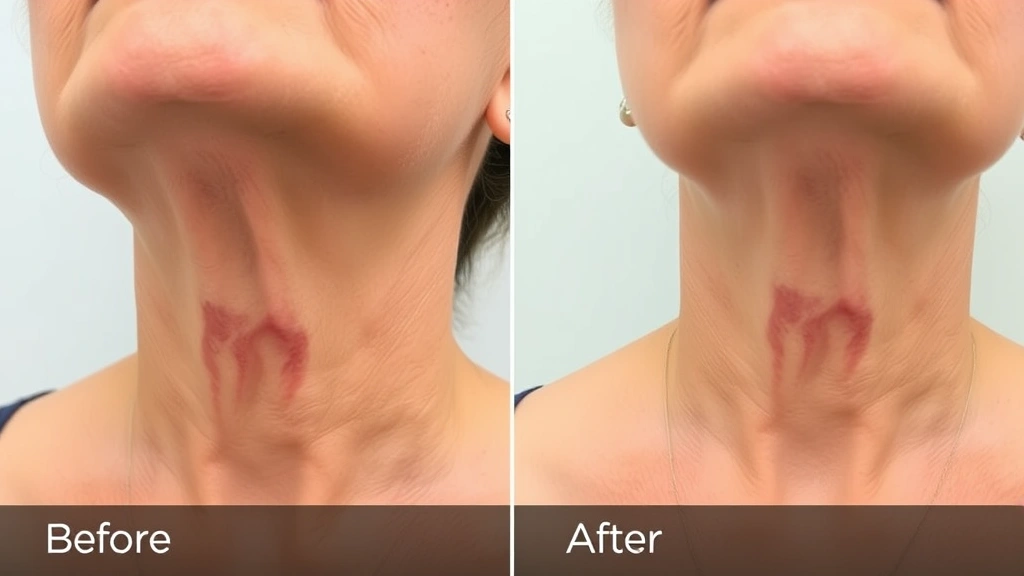
A hickey is essentially a bruise caused by suction on the skin, breaking tiny blood vessels beneath the surface. The mark typically lasts anywhere from a few days to two weeks, depending on how aggressive the encounter was and your skin’s healing capacity. While there’s no magic wand to erase it instantly, there are proven techniques that can dramatically speed up the healing process or at least make it less noticeable.
In this guide, we’ll walk you through science-backed remedies, cover-up strategies, and prevention tips so you can tackle this situation with confidence and get back to your life—hickey-free.
Immediate Action: The First 24 Hours
The moment you realize you have a hickey, time becomes your best friend. The first 24 hours are absolutely critical because this is when you can actually prevent the bruise from fully developing. Think of it like damage control—the faster you act, the better your chances of minimizing the mark.
Your immediate goal is to reduce blood flow to the affected area and prevent further bruising. This is where cold therapy comes into play, and it’s your most powerful weapon during this window. Ice, ice packs, or even a bag of frozen vegetables can work wonders if applied quickly.
Don’t just slap ice on your neck and hope for the best. You need a strategy. Apply cold therapy for 10-15 minutes at a time, several times throughout the first day. This constricts blood vessels and reduces swelling, which directly impacts how dark and pronounced the hickey becomes. The key is consistency—set reminders on your phone if you have to.
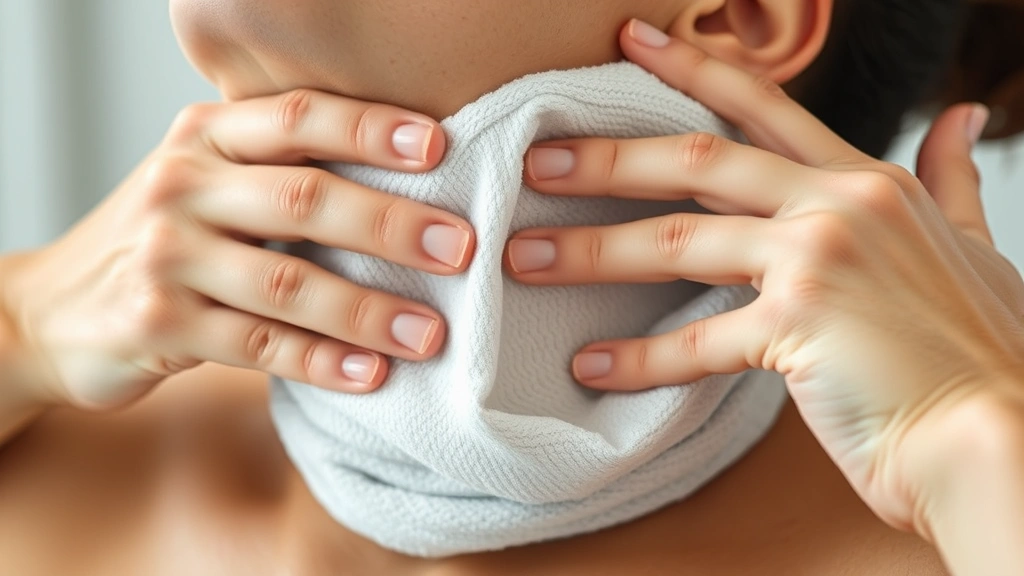
If you’re worried about your skin, place a thin cloth between the ice and your neck to prevent ice burn. Yes, that’s a real thing, and adding a frostbite mark to your hickey situation would be counterproductive. Many people find success with proper fabric barriers when applying cold treatments.
Cold Therapy Techniques
Cold therapy isn’t just about grabbing whatever’s frozen from your freezer. There’s actually a method to this madness.
Ice Packs and Frozen Vegetables
Standard ice packs are effective, but they can be uncomfortable and hard to position on your neck. Frozen peas or corn work surprisingly well because they mold to your skin’s contours. Pop a bag in the freezer for 15 minutes, wrap it in a thin cloth, and apply it to the hickey. The shape flexibility makes this method more practical than rigid ice packs.
The Spoon Trick
This old-school remedy deserves respect. Refrigerate a metal spoon for 10-15 minutes, then press the curved side against your hickey. The smooth, cold metal provides consistent cold therapy without the mess of ice. Apply for 5-10 minutes at a time. Why does this work? Metal conducts cold effectively and maintains temperature longer than ice alone. You can repeat this every couple of hours throughout the day.
Cold Compress
A damp washcloth chilled in the refrigerator (not frozen) can be gentler on sensitive skin while still providing therapeutic cold. This is ideal if you have very delicate skin or prefer a less intense approach.
Topical Treatments That Work
Once you’ve done your cold therapy, it’s time to bring in reinforcements. Several topical treatments can accelerate healing and fade the appearance of your hickey.
Vitamin K and Arnica
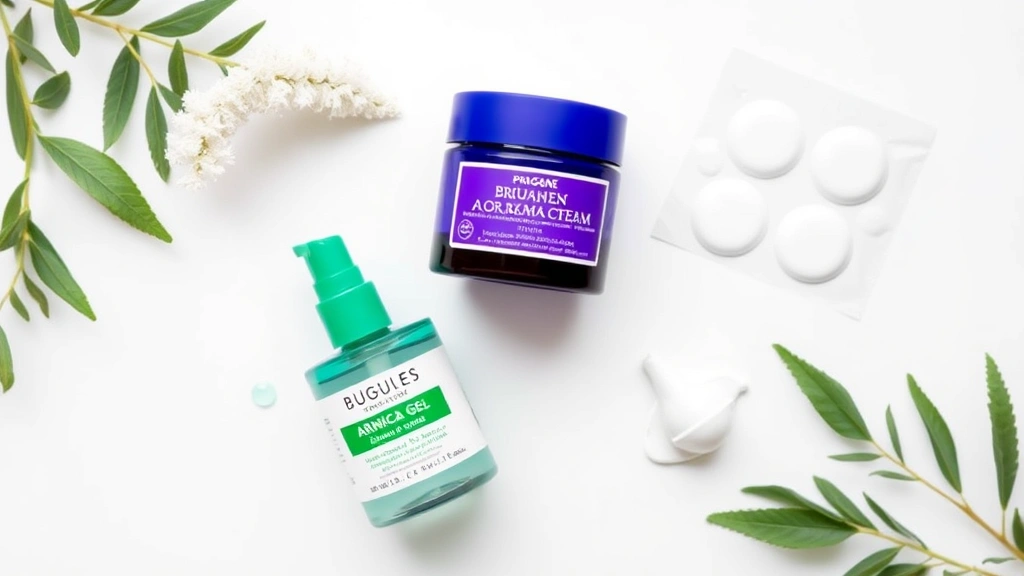
Vitamin K is specifically known for helping the body reabsorb blood under the skin. Products containing vitamin K are designed for bruise healing and can be genuinely effective on hickeys. Apply these creams 2-3 times daily. Arnica, a natural remedy from the arnica plant, has similar properties and is often found in bruise-healing products. You can find both at most drugstores or online retailers.
Topical Retinoids
If you have retinoid cream in your skincare routine, this is an excellent time to use it. Retinoids boost collagen production and skin cell turnover, which can help fade bruising faster. Apply your regular retinoid serum or cream to the affected area as part of your evening routine.
Silicone-Based Products
Silicone gel sheets and scar creams aren’t just for scars—they’re effective for hickeys too. These products hydrate the skin and can help fade discoloration. Apply according to product instructions, typically for 8-12 hours daily.
Aspirin Paste
Here’s a budget-friendly hack: crush an aspirin tablet and mix it with a tiny bit of water to create a paste. Aspirin contains salicylates, which reduce inflammation and swelling. Apply this paste directly to the hickey for 10-15 minutes. Do this within the first 24-48 hours for best results. Just be aware that aspirin can irritate sensitive skin, so test a small area first.
Bromelain Supplements
Bromelain is an enzyme found in pineapples that reduces inflammation and bruising. Taking bromelain supplements (available at health food stores) within the first 24-48 hours may help speed healing. Follow package directions, and consult with a healthcare provider if you’re on blood thinners.
Heat Application for Later Stages
Here’s where timing matters significantly. While cold therapy dominates the first 24 hours, heat becomes your ally after that initial window.
After 48 hours, your goal shifts from preventing bruising to improving circulation and promoting healing. Heat therapy brings blood flow to the area, which actually helps your body reabsorb the trapped blood faster.
Warm Compress
A warm (not hot) compress applied for 10-15 minutes several times daily works wonders. Use a heating pad on low, a warm washcloth, or even a hot water bottle. The warmth relaxes tissue and encourages healing circulation. Aim for temperatures around 110-115°F—comfortable but not scalding.
Massage
Gentle massage in circular motions can stimulate blood flow and help break up the trapped blood under your skin. Wait until day three or four before attempting this, as massaging too early might actually make things worse. Use your fingertips or knuckles with light to moderate pressure. If it hurts, you’re pressing too hard.
Warm Shower
A warm shower provides both heat therapy and a relaxing way to encourage healing. The warmth opens blood vessels and promotes circulation naturally. Just avoid extremely hot water, which can actually increase inflammation.
Professional Cover-Up Methods
Sometimes healing takes time, and you need to actually leave your house before your hickey fades. Enter: cover-up strategies that actually work.
Makeup Coverage
This is your most accessible option. A full-coverage concealer in a shade matching your skin tone can effectively hide a hickey. The trick is layering. Apply a color-correcting concealer first—green-tinted concealers neutralize red tones, while yellow-tinted ones work on purple bruises. Follow with your regular concealer and set with powder. Blend carefully around the edges so it doesn’t look obvious.
For stubborn hickeys, consider investing in a professional-grade concealer like those used in theater or film. Brands like Dermacol or Mehron Paradise offer exceptional coverage that lasts through the day.
Strategic Clothing
Turtlenecks are your best friend. Scarves, collared shirts, and high-neckline tops can provide instant coverage without the makeup hassle. In warmer months, a lightweight scarf or bandana can work too. While this isn’t a permanent solution, it’s perfect for getting through important events or meetings.
Makeup Setting Spray
Once you’ve applied concealer, lock it down with a setting spray. This keeps your cover-up in place throughout the day and prevents smudging or fading. A good setting spray is worth its weight in gold when you’re trying to maintain a hickey-free appearance.
Professional Treatments
If your hickey is severe and you have the budget, dermatologists offer treatments like laser therapy or intense pulsed light (IPL) that can fade bruising quickly. These aren’t cheap, but they’re effective for significant marks. Consult with a dermatologist about your options.
Prevention Tips for Next Time
The absolute best way to deal with a hickey is to prevent one in the first place. Communication is key here—let your partner know you prefer to avoid hickeys, or at least minimize their visibility. It’s an awkward conversation, but worth it.
If you enjoy the passion but not the marks, suggest alternative areas that are easier to hide or less visible. The collarbone and upper chest are common targets, but they’re also the most visible. Inner arms or the torso might be more discreet options.
During intimate moments, if you feel suction being applied to your neck, gently redirect or communicate that you’d prefer less intense contact in that area. Most partners are happy to oblige once they understand your preference.
Just like how you might handle other intimate-related cleanup, preventing hickeys requires a bit of planning and communication upfront. It’s much easier than dealing with the aftermath.
For those with sensitive skin prone to bruising easily, consider mentioning this to your partner. Some people bruise more readily due to genetics, blood thinners, or certain medications. Understanding your own skin can help you take preventative measures.
Frequently Asked Questions
How long does a hickey typically last?
Most hickeys fade within 5-12 days, though some can persist for up to two weeks. The duration depends on the severity, your skin type, and how quickly your body heals. Darker skin tones may show hickeys less visibly but the underlying bruise still takes time to heal. Lighter skin tones typically show hickeys more dramatically but may heal slightly faster.
Can I get rid of a hickey overnight?
Unfortunately, no. There’s no overnight miracle cure. However, aggressive cold therapy in the first few hours combined with topical treatments can dramatically minimize a hickey’s appearance by morning. You’re looking at reducing severity by 30-50%, not eliminating it completely.
Are there any medical risks associated with hickeys?
In rare cases, hickeys can cause complications like blood clots or carotid artery dissection, but these are extremely uncommon. If you experience severe pain, vision changes, or neurological symptoms, seek medical attention immediately. For typical hickeys, the main concern is bruising and temporary discomfort.
Will toothbrush scrubbing help get rid of a hickey?
No, and you should absolutely avoid this. Scrubbing a hickey with a toothbrush or any abrasive tool will only irritate your skin further and potentially worsen the bruising. This is a myth that needs to die. Gentle care is always better than aggressive treatment.
Can vitamin E oil help fade a hickey?
Vitamin E oil is excellent for general skin health and can support healing, but it’s not specifically targeted for bruise treatment like vitamin K. That said, applying vitamin E oil as part of your skincare routine won’t hurt and may provide modest benefits. Use it alongside other proven treatments for best results.
What’s the difference between a hickey and a regular bruise?
Technically, a hickey is a bruise. The difference is location and cause. A hickey is a bruise caused by suction on thin-skinned areas like the neck, while regular bruises result from blunt force trauma. The healing process is identical—your body is simply reabsorbing blood that escaped from broken capillaries.
Can I use vitamin C serum on a hickey?
Yes, vitamin C serum is beneficial for hickeys. Vitamin C supports collagen production and can help fade discoloration. Apply your regular vitamin C serum to the affected area as part of your skincare routine. Combine it with vitamin K products for enhanced results.
Is there a cream specifically designed for hickeys?
While there’s no hickey-specific cream, bruise-healing creams containing vitamin K, arnica, or silicone are designed for exactly this purpose. Look for products labeled as bruise treatments or healing creams. These are your best commercial options beyond standard skincare products.
How can I prevent hickeys if I have sensitive skin?
Communication is crucial for sensitive skin. Let your partner know about your skin sensitivity and preference for lighter contact. You might also consider using a silicone-based primer or barrier product on your neck before intimate moments—this can reduce the intensity of any marks that do occur. Additionally, keeping your skin well-moisturized and healthy supports faster healing if a hickey does happen.

Related Posts

How Long to Boil Lobster Tails: Cooking Guide

How Long to Fly from New York to London? Travel Times
