

How to Get Rid of Gnats in Your House: Expert Tips
How to Get Rid of Gnats in Your House: Expert Tips
There’s nothing quite like the frustration of discovering tiny flying insects buzzing around your kitchen or bathroom. Gnats are small but mighty annoyances that can turn a peaceful home into an itchy, irritating battleground. What makes them particularly maddening is their ability to multiply rapidly, transforming a minor inconvenience into a full-blown infestation before you realize what’s happening.
The good news? Getting rid of gnats doesn’t require calling in professional exterminators or resorting to harsh chemical warfare. With the right approach and a bit of detective work, you can reclaim your home and keep these pesky insects from returning. This guide will walk you through everything you need to know about eliminating gnats, from identifying where they’re coming from to implementing proven solutions that actually work.
Whether you’re dealing with a handful of stragglers or a more serious problem, understanding the root causes of gnat infestations is your first line of defense. Let’s dive into the practical strategies that will help you regain control of your living space.
Identifying Your Gnat Problem
Before you can effectively tackle an infestation, you need to understand what you’re dealing with. Gnats come in several varieties, and identifying which type is invading your home makes a significant difference in your treatment approach. The most common household culprits are fruit flies and fungus gnats, though drain flies occasionally make appearances too.
Fruit flies are attracted to fermenting fruits, vegetables, and sugary liquids. They’re slightly larger than fungus gnats and have distinctive red or dark eyes. You’ll typically find them hovering around your fruit bowl, trash can, or anywhere there’s decomposing organic matter. Fungus gnats, on the other hand, prefer moist soil and are commonly found around houseplants and potted plants. They’re smaller and darker than fruit flies, with longer legs and antennae.
The key to identification is observation. Watch where the gnats congregate. Are they swarming around your kitchen counter? Circling your indoor plants? Hovering near your bathroom sink? These behavioral clues tell you exactly what you’re dealing with and where to focus your efforts. Understanding the difference between fungus gnats and other varieties will help you choose the most effective elimination strategy.
Take note of the time of day when you see the most activity. Gnats are generally more active during dawn and dusk, so you might notice them clustering around lights during evening hours. This information helps you set traps and deploy solutions at the optimal time.
Finding the Source
Eliminating gnats is impossible without first identifying their breeding ground. These insects don’t just appear out of nowhere—they’re attracted to specific conditions and food sources in your home. Your mission is to become a gnat detective.
Start by checking your kitchen thoroughly. Look under the sink, inside the trash can, and around your garbage disposal. Check for any fruit that’s overripe or beginning to ferment. Even a single forgotten banana in the back of a cabinet can sustain an entire gnat colony. Examine your recycling bin—empty bottles and cans with residual juice or beer are gnat magnets. Move your trash can away from the wall and inspect the area behind it, as decomposing food particles often accumulate in these hidden spots.
Next, shift your attention to your bathroom and other moisture-prone areas. Gnats thrive in damp environments, so check around pipes, under sinks, and near your shower. If you’re noticing gnats in these locations, drain maintenance is crucial to preventing their return.
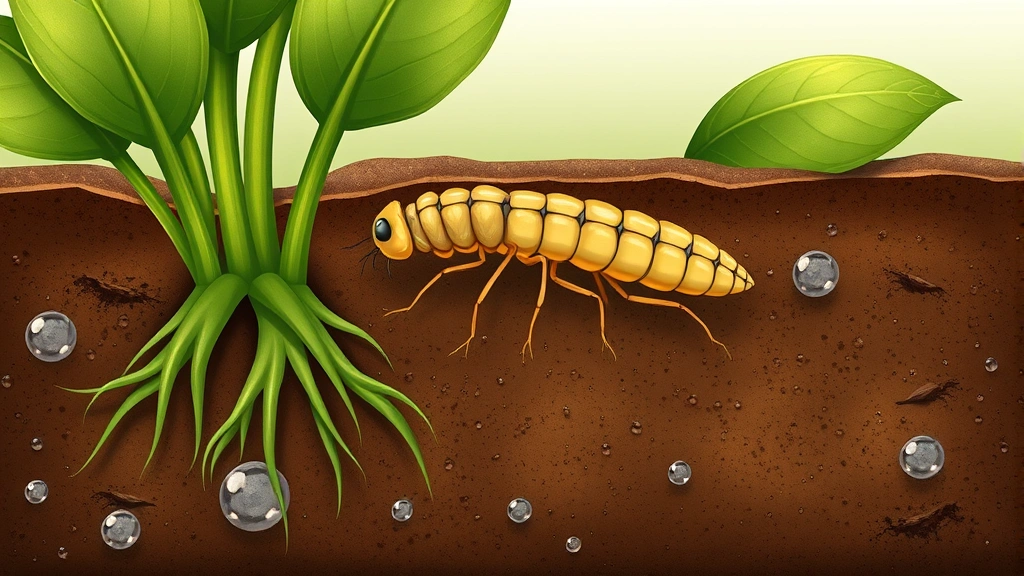
Don’t forget about your houseplants. Overwatered plants with consistently moist soil are perfect breeding grounds for fungus gnats. Inspect the soil surface and around the base of each plant. If you’re dealing with gnats in plants, you’ll need a targeted approach that addresses both the insects and their habitat.
Check your pet’s food and water bowls, particularly if they’re left sitting out overnight. Wet pet food attracts gnats quickly, and standing water is an ideal breeding environment. Even your houseplants’ drainage trays can harbor gnat larvae if they’re sitting in standing water.

Immediate Solutions to Kill Gnats
Once you’ve identified the problem areas, it’s time to take action. The most effective approach combines multiple tactics simultaneously. Think of it as a multi-pronged attack that addresses both adult gnats and their larvae.
The apple cider vinegar trap is a time-tested solution that works remarkably well. Fill a small bowl or cup with apple cider vinegar and add a drop of liquid dish soap. The vinegar attracts gnats, while the soap breaks the surface tension and causes them to sink and drown. Place these traps in areas where you’ve noticed the most gnat activity. Replace the mixture every few days until you stop catching gnats. This simple setup can trap hundreds of insects and significantly reduce the population within days.
Wine traps operate on the same principle. Pour a small amount of red wine into a container, add a drop of dish soap, and place it where gnats congregate. The fermentation smell is irresistible to gnats, and they’ll fly directly into the trap.
For a more aggressive approach, consider using a combination of methods. If you’re looking for comprehensive solutions on how to kill gnats effectively, combining traps with source elimination yields the fastest results.
Drain cleaning is essential for eliminating breeding grounds. Pour boiling water down your drains daily for several days, followed by a mixture of baking soda and vinegar. This disrupts the gnat lifecycle and removes the organic buildup where larvae develop. For stubborn infestations, keeping your dishwasher clean and free of food debris prevents gnats from establishing colonies in this warm, moist environment.
Commercial gnat sprays can provide immediate relief, though many people prefer natural alternatives. If you choose to use pesticides, ensure proper ventilation and follow all label instructions carefully. Pyrethrin-based sprays are effective and relatively safe for household use.
Long-Term Prevention Strategies
The best way to handle gnats is to prevent them from showing up in the first place. Once you’ve eliminated your current infestation, maintaining these prevention habits keeps your home gnat-free indefinitely.
Proper food storage is paramount. Keep fruits and vegetables in the refrigerator rather than on the counter, especially as they ripen. Store ripening bananas, avocados, and other produce in sealed containers or bags. Don’t let juice bottles or cans sit in your recycling bin for extended periods—rinse them thoroughly and break them down for immediate disposal.
Take out your trash regularly, ideally daily. Use trash cans with tight-fitting lids and keep them away from living areas when possible. If you have a compost bin, ensure it’s properly sealed and located outside or in a well-ventilated area.
Address moisture issues immediately. Fix leaky pipes, ensure proper ventilation in bathrooms, and avoid overwatering your houseplants. When watering plants, direct water to the soil rather than splashing it around, and allow the top inch of soil to dry between waterings. This dramatically reduces the appeal of your plant collection to fungus gnats.
Clean your kitchen thoroughly and regularly. Don’t leave dishes in the sink overnight, wipe down counters and stovetops, and ensure your garbage disposal is clean and free of trapped food particles. Running hot water and a bit of dish soap through your disposal weekly helps maintain it.
Natural Remedies That Work
If you prefer avoiding chemical pesticides, several natural methods effectively eliminate gnats while being safe for your family and pets.
Cinnamon is surprisingly effective against gnats. Sprinkle ground cinnamon on the soil of your houseplants—gnats find the scent repellent, and it won’t harm your plants. You can also make a cinnamon spray by steeping cinnamon sticks in hot water, cooling the mixture, and spraying it around problem areas.
Essential oils provide another natural option. Lemongrass, lavender, and eucalyptus oils are known to repel gnats. Mix a few drops with water in a spray bottle and apply around your home. While the scent fades quickly, reapplying every few days maintains the repellent effect.
Diatomaceous earth (food-grade only) is a natural powder that damages insects’ exoskeletons. Sprinkle it on plant soil and around areas where you’ve noticed gnat activity. It’s safe for humans and pets but highly effective against many small insects.
Sand or perlite on top of plant soil creates a barrier that makes it difficult for gnats to lay eggs. Simply spread a thin layer over the soil surface of your potted plants. This simple modification reduces fungus gnat populations significantly.
Hydrogen peroxide solution can treat infested plant soil without harming the plants themselves. Mix one part 3% hydrogen peroxide with four parts water and use it to water your plants. This kills gnat larvae in the soil while being gentle on plant roots.
Drain and Plumbing Care
Drains are often overlooked as gnat breeding grounds, yet they’re perfect environments for these insects. Understanding how to maintain your drains is crucial for comprehensive gnat elimination.
Drain flies are closely related to gnats and thrive in the organic buildup inside pipes. If you’re noticing small flies emerging from your drains, you’re likely dealing with both gnats and drain fly problems. The solution addresses both issues simultaneously.
Start with a thorough drain cleaning. Remove any visible debris from drain covers and strainers. Boil a kettle of water and carefully pour it down each drain in your home. This kills larvae and flushes away organic matter. Follow this with a mixture of half a cup of baking soda poured directly into the drain, followed by half a cup of white vinegar. Cover the drain and let it sit for 15-30 minutes while the mixture fizzes and breaks down buildup. Flush with hot water.
For stubborn clogs or persistent gnat problems in drains, consider using a drain brush or snake to physically remove accumulated material. These tools are inexpensive and available at any hardware store. If you’re dealing with complex plumbing issues, consulting professional plumbers ensures your drains are thoroughly cleaned without causing damage.
Maintain your drains weekly by running hot water through them and occasionally using the baking soda and vinegar method. This preventive maintenance stops gnat breeding grounds from forming in the first place. Understanding comprehensive gnat elimination methods includes recognizing that drains play a significant role in infestations.
Frequently Asked Questions
How long does it take to get rid of gnats?
The timeline depends on the severity of your infestation and how consistently you implement solutions. With aggressive treatment, you can see significant improvement within 3-5 days. However, complete elimination typically takes 1-2 weeks. The gnat lifecycle from egg to adult is about 8-10 days, so you need to maintain your efforts long enough to break the breeding cycle.
Can gnats cause health problems?
While gnats are primarily annoying rather than dangerous, they can contaminate food and potentially spread bacteria. They’re not known to transmit serious diseases, but their presence is unsanitary. More importantly, they indicate moisture and organic matter issues in your home that warrant attention.
Why do I keep getting gnats?
Recurring gnat problems typically stem from incomplete source elimination or not addressing the underlying conditions that attract them. You might be successfully killing adult gnats but missing the breeding ground, or you could have multiple infestation sources. Thorough investigation and consistent prevention habits are essential for long-term success.
Are store-bought gnat traps effective?
Yes, commercial gnat traps work well when used consistently. Yellow sticky traps, for example, catch many gnats through their adhesive surface. However, they work best when combined with source elimination. Traps alone won’t solve the problem if you’re not also addressing where the gnats are breeding.
Can I use bleach to kill gnats in drains?
While bleach kills gnats, it’s not the best solution for drain maintenance. Bleach can damage pipes and is harsh on the environment. Baking soda, vinegar, and boiling water are gentler alternatives that work effectively. If you do use bleach, dilute it heavily and use sparingly.
What’s the difference between fruit flies and gnats?
The terms are often used interchangeably, but technically, fruit flies are a type of gnat. Fruit flies are attracted to fermenting fruits and vegetables, while the broader gnat category includes fungus gnats (attracted to moist soil) and other varieties. Identifying which type you’re dealing with helps you target your solution more effectively.
Do gnats go away on their own?
Gnats won’t disappear without intervention. They reproduce rapidly, and their population will only increase if left unchecked. However, they do require specific conditions to thrive. Removing their food source and breeding grounds eventually eliminates them, though active treatment speeds up the process significantly.

Related Posts

How Long to Boil Lobster Tails: Cooking Guide

How Long to Fly from New York to London? Travel Times
